Think of oat flour as rolled oats' overachieving cousin. It’s not just for gluten-free baking; it's a genuinely smart swap that brings a tender crumb, a nutty, wholesome flavor, and a serious dose of fiber to everything from pancakes to muffins. The best part? That fiber—specifically a type called beta-glucan—means it’s far kinder to your blood sugar than traditional white flour. It's time we stopped seeing it as a niche ingredient and started treating it as a pantry staple.
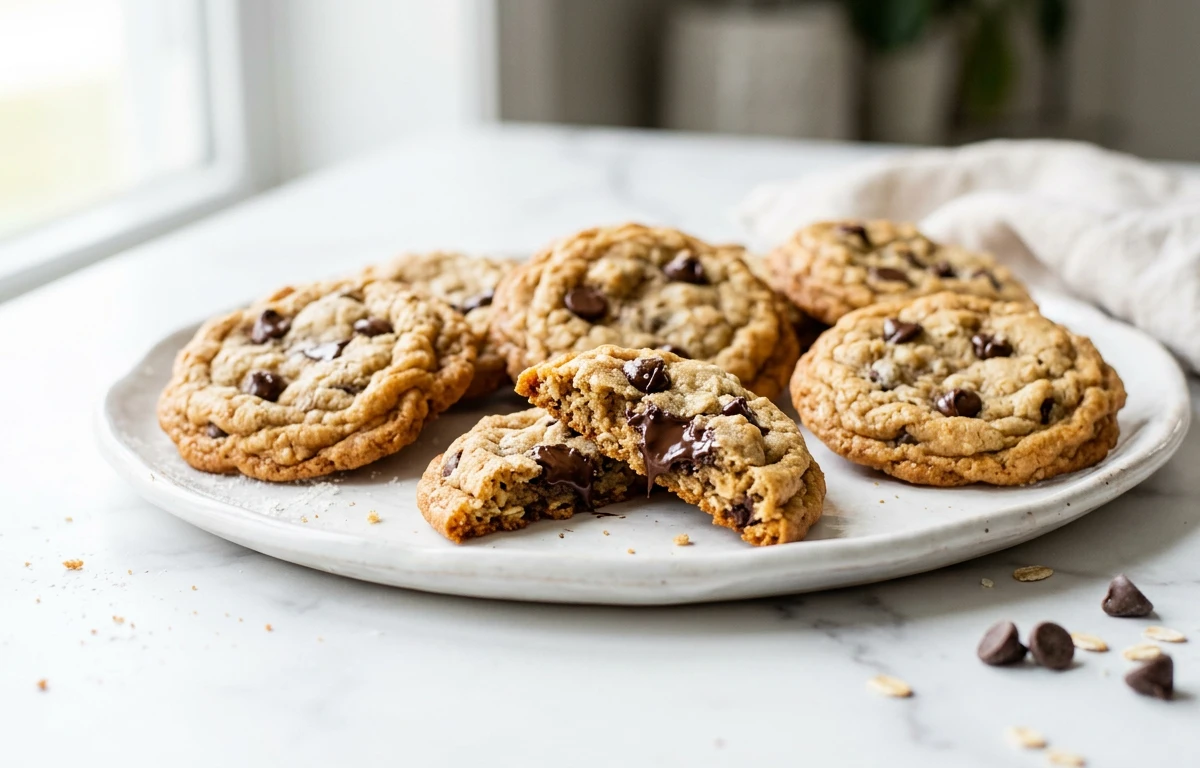
↑ Oat flour is simply finely ground whole oats, but that change in texture transforms how it works.
The smarter flour swap
For years, oat flour was mostly seen as a gluten-free ingredient for people who couldn't use wheat. That's a huge undersell. Oat flour is a nutritional upgrade for almost anyone. It's made from whole grain oats, so it keeps all the protein, healthy fats, and, most importantly, the soluble fiber that makes oats famous.
This isn't just about health stats. In the kitchen, it's a secret weapon for moisture. Because it absorbs more liquid than wheat flour, it creates wonderfully tender and moist muffins, quick breads, and pancakes. You just have to know how to handle it.
IN ONE LINE
Oat flour is a high-fibre, protein-rich flour that adds moisture and a nutty flavour to bakes, with a gentler blood sugar impact than white flour.
Oat flour nutrition facts
Here's the nutritional breakdown for a standard 100-gram serving of oat flour, which is roughly one cup. It's a significant source of complex carbs, fiber, and plant-based protein.
The standout number here is the fiber: over 10 grams per 100g serving. That's more than triple what you'd find in all-purpose white flour. This fiber, particularly the soluble beta-glucans, is what gives oat flour most of its health credentials, from heart protection to blood sugar control.
Oat flour's glycemic index
While there isn't one single, universally agreed-upon GI value for oat flour, we can make a very educated estimate. Whole rolled oats have a low GI, around 55. Grinding oats into flour increases the surface area, allowing your digestive enzymes to work faster. This means oat flour's GI is almost certainly higher than whole oats, but the high concentration of soluble fiber still keeps it well below the high-GI spike of refined white flour (GI ≈ 75).
Think of it as sitting in the low-to-medium GI band. It will raise blood sugar more slowly and gently than its refined counterparts, making it a far better choice for steady energy.
GLYCEMIC INDEX · OAT FLOUR vs COMMON FOODS
Oat flour sits below refined grains
Apple
whole fruit
LOW
Oats Flour
est. range
MEDIUM
White Bread
refined
HIGH
Cornflakes
refined
HIGH
SCALE 0–90
04590
How to use it right
Using oat flour isn't difficult, but it's not a simple 1:1 swap for wheat flour. Keep these tips in mind.
01
Don't swap 1-for-1.
Oat flour is lighter and much more absorbent than wheat flour. Start by substituting 25-30% of the all-purpose flour in a recipe with oat flour.
02
Embrace the moisture.
It's fantastic for things that should be moist and tender: pancakes, waffles, muffins, and quick breads. It's less ideal for crusty breads that need gluten for structure.
03
Give it time to rest.
Because it's so absorbent, letting a batter (like for pancakes) rest for 10-15 minutes allows the flour to fully hydrate, resulting in a better texture.
04
Use it as a thickener.
Whisk a tablespoon or two into soups or stews as a healthier, whole-grain way to thicken them instead of using cornstarch or a white flour roux.
05
Remember to add leavening.
Oat flour contains no gluten, so it can't trap air on its own. For fluffy results in baking, you'll need to rely on baking powder or baking soda.
What oat flour is good for
01
Lowering Cholesterol
This is oat flour's main claim to fame. The beta-glucan fiber forms a gel in your gut that binds to cholesterol and helps remove it from the body.
High
in beta-glucans
02
Better Blood Sugar Control
That same gel-like fiber slows down the digestion and absorption of carbohydrates, preventing the sharp blood sugar spikes you get from refined flours.
10.1g
fiber / 100g
03
Supporting Gut Health
The soluble fiber in oat flour is a prebiotic, meaning it provides food for the beneficial bacteria in your digestive system, contributing to a healthy gut microbiome.
Prebiotic
fiber
04
Keeping You Full
The combination of high fiber and high protein (for a flour) promotes satiety, helping you feel fuller for longer and potentially aiding in weight management.
13.1g
protein / 100g
What to pair oat flour with
In recipes, oat flour loves ingredients that provide moisture, structure, or complementary flavors.
Use freely — or be mindful?
Three ways to use it
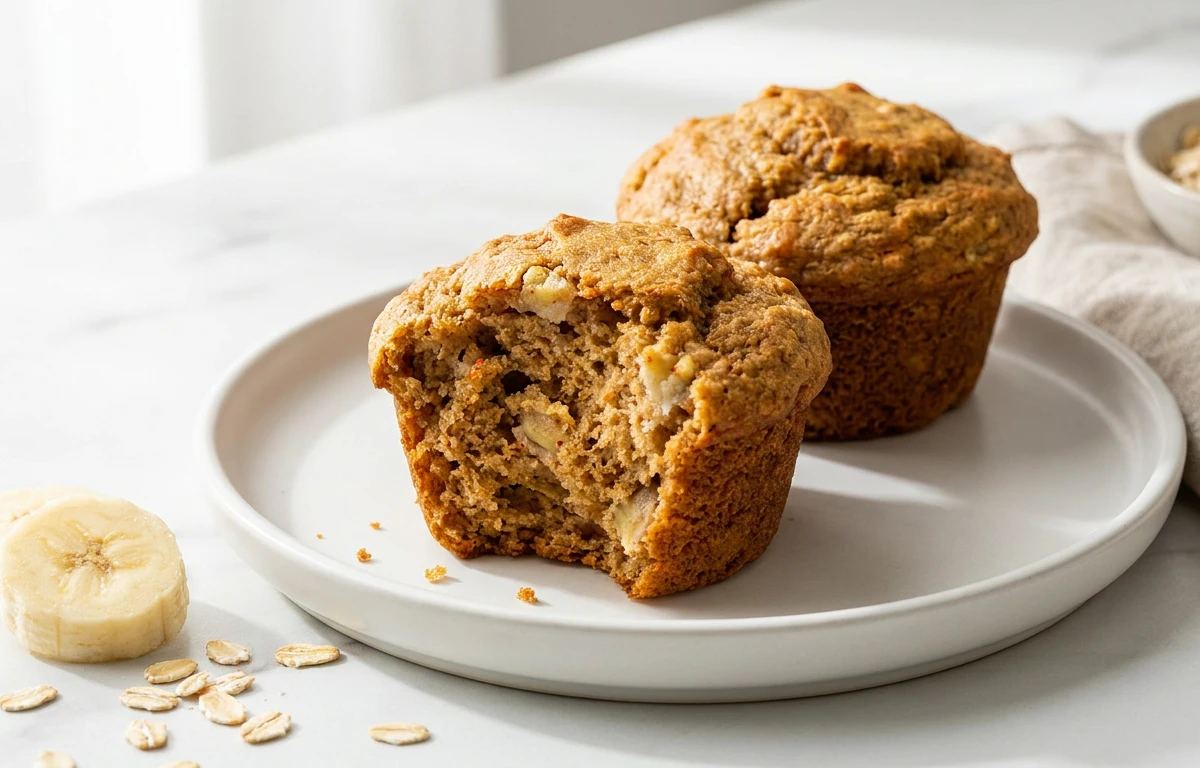
Ready to get started? Here are three simple recipes that showcase what oat flour does best.
Want smart ingredients worked into a balanced week — without the planning?
Our meal planner uses ingredients like oat flour to build recipes with more fiber and protein for steady energy, with portions and macros already calculated and a single grocery list at the end.
Build my weekly plan →SOURCES & REFERENCES · 3
One more thing
Eating well is rarely about willpower. It’s about having a short list of dinners you actually want to eat. Pick two from this list. Make them next week. The rest will follow.
If you want these on autopilot, our weekly meal planner can drop the picks above into your calendar with one click and build a single grocery list from the merged ingredients.
FREQUENTLY ASKED QUESTIONS
Frequently asked questions
Is oat flour gluten-free?
Oats themselves are naturally gluten-free. However, they are often grown, harvested, and processed in facilities that also handle wheat, barley, and rye. This leads to a high risk of cross-contamination. If you have celiac disease or a serious gluten sensitivity, you must buy oat flour that is explicitly certified gluten-free.
Is oat flour healthier than all-purpose flour?
From a nutritional standpoint, yes. Oat flour has significantly more fiber and protein, plus more vitamins and minerals than refined white all-purpose flour. Its lower glycemic impact also makes it a better choice for blood sugar management.
Can I make my own oat flour at home?
Absolutely. Just add rolled oats (old-fashioned or quick-cooking) to a high-speed blender or food processor and blend until you have a fine, powdery flour. It takes about 30-60 seconds. Let the flour settle before opening the lid to avoid a dust cloud!
Is oat flour good for weight loss?
It can be a helpful tool. The high fiber and protein in oat flour help you feel full and satisfied, which can reduce overall calorie intake. Swapping refined flour for oat flour is a smart move in a weight management plan, but portion sizes still matter.
METHODOLOGY
How this article was created
Built using verified nutrition databases, culinary research, and traditional cooking knowledge — every claim is cross-referenced against the sources listed in the article.
· USDA data· Culinary research· Quality reviewed
Read our methodology →TRANSPARENCY
About this content
Articles are curated using trusted food databases (USDA FoodData Central, IFCT), culinary literature, and dietary guidelines, then structured by our editorial team for clarity, accuracy, and usefulness.
· Verified data sources· Culinary research· Quality reviewed
Read our editorial policy →RELATED RECIPES
Cook from this article
EXPLORE OUR MEALS
Meals that fit this article

AMERICAN · 1677 CAL
Almonds with Sliced Apple + supplement + iron

MEDITERRANEAN · 809 CAL
Greek Yogurt with Berries Almonds and Granola + supplement + iron

GENERAL_HEALTHY · 705 CAL
Banana with Peanut Butter Pregnancy + supplement + iron

MODERN · 982 CAL
Hummus with Crudits and Pita with Fresh Orange Snack + supplement + iron
TAGGED
KEEP READING