Let's clear something up: the peanut isn't a nut. It's a legume, a cousin to beans and lentils, that just happens to be brilliant when roasted and salted. It gets a mixed reputation — some people see it as a high-fat snack to avoid, while others praise its protein. The truth is somewhere in the middle. Shengdana, as they're known in much of India, are calorie-dense for sure, but they're also packed with good fats, fibre, and protein, making them surprisingly gentle on blood sugar and incredibly filling.
↑ Peanuts are technically legumes, not nuts, and are a staple source of protein and healthy fat.
The misunderstood legume
In my kitchen, a small jar of roasted shengdana is non-negotiable. It's for tossing into poha, crushing into a chutney, or just grabbing a small handful to silence a 4 p.m. hunger pang. They're often dismissed as just 'fattening', but that's a huge oversimplification. The fat in peanuts is predominantly the good kind — monounsaturated and polyunsaturated — the same types you find in olive oil and avocados.
And unlike starchy carbs, peanuts deliver their energy slowly and steadily, thanks to a powerful combination of protein, fibre, and fat. This makes them one of the most satisfying snacks you can eat. The key isn't to avoid them, but to respect their density and choose the right kind.
IN ONE LINE
Peanuts are low-carb, high-protein legumes with a very low glycemic index. Eat them roasted, not fried or sugar-coated, and stick to a small handful for a filling, heart-healthy snack.
Peanut nutrition facts
Here's the nutritional breakdown for a 100-gram serving of raw peanuts — that's about two-thirds of a cup. Keep in mind a typical snack portion is much smaller, closer to 30 grams.
The numbers speak for themselves. Peanuts are a protein heavyweight, providing over 25 grams per 100g serving — more than most other legumes. The fat content is high, but it's primarily heart-healthy monounsaturated and polyunsaturated fat. They are also an incredible source of niacin (vitamin B3), which is crucial for energy metabolism and nervous system function.
Peanuts & Glycemic Index
When it comes to blood sugar, peanuts are one of the best foods you can eat. Their glycemic index (GI) is exceptionally low. Why? Because they contain very few carbohydrates and a ton of protein, fibre, and fat. This combination slows down digestion and the absorption of sugar into the bloodstream to a crawl. This doesn't just apply to eating peanuts alone; adding them or peanut butter to a higher-GI food, like a slice of white toast or a banana, can help blunt the overall blood sugar response of the meal.
GLYCEMIC INDEX · PEANUTS vs COMMON FOODS
Peanuts are in the very low-GI band
Peanuts
legume
LOW
Apple
whole fruit
LOW
Pineapple
whole fruit
MEDIUM
White bread
refined
HIGH
Cornflakes
refined
HIGH
SCALE 0–90
04590
The smart way to eat them
Enjoying peanuts without overdoing the calories or salt is simple if you follow a few ground rules.
01
Mind the portion.
A serving is about a small, closed handful (around 30g or 1 oz), not the whole bowl. This gives you about 170 calories and a solid 7g of protein.
02
Choose dry-roasted or raw.
Oil-roasted peanuts are often fried in less-healthy oils, adding extra calories. Honey-roasted or candied versions are basically dessert.
03
Read the label on peanut butter.
The best peanut butter has one ingredient: peanuts (maybe a little salt). Avoid brands with added sugar, palm oil, or hydrogenated fats.
04
Go for unsalted.
Bar nuts are loaded with sodium. For daily snacking, unsalted peanuts are far better for your blood pressure and heart health.
05
Use them as an ingredient.
Instead of just snacking, think of peanuts as a protein-and-crunch element for other dishes. Sprinkle them on salads, yogurt, or oatmeal.
What peanuts are good for
01
Excellent for blood sugar control
With an extremely low GI and a high protein/fat content, peanuts are a fantastic food for preventing blood sugar spikes and managing diabetes.
GI ≈14
very low
02
Promoting heart health
The majority of fat in peanuts is monounsaturated and polyunsaturated, which helps to lower LDL (bad) cholesterol and reduce heart disease risk.
49 g
fat / 100g
03
A rich source of plant protein
At nearly 26g of protein per 100g, peanuts are a top-tier plant-based protein source, essential for muscle maintenance, repair, and overall satiety.
25.8 g
protein
04
Aiding in weight management
Despite being high in calories, the combination of protein, fat, and fibre makes peanuts incredibly filling, which can help reduce overall calorie intake.
8.5 g
fibre
What to pair peanuts with
Peanuts' savory, rich flavour makes them a versatile partner. Pairing them with carbs can help balance a meal and slow sugar absorption.
Eat freely — or be mindful?
Three ways to use them
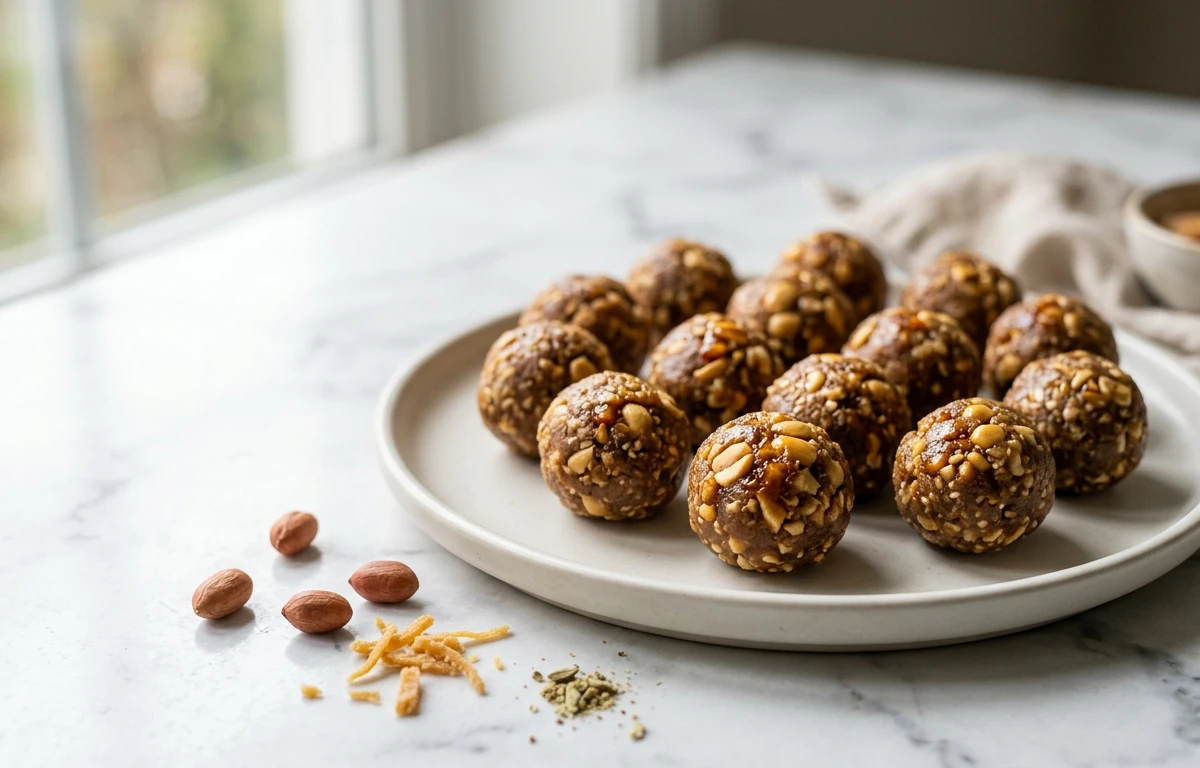
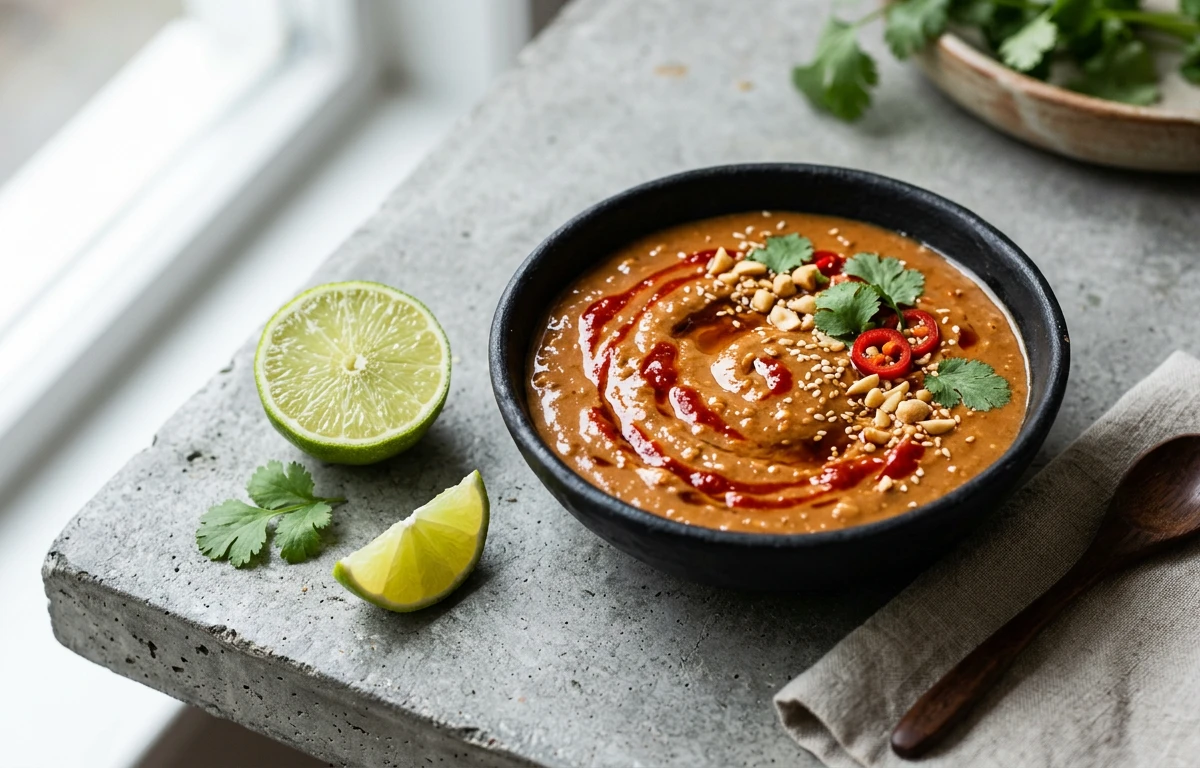
Beyond snacking, shengdana are a cornerstone of many cuisines. Here are three simple ways to incorporate them into your meals.
Want powerful ingredients like peanuts worked into a balanced week?
Our meal planner uses foods like peanuts to add protein, healthy fats, and satiety to your meals, with portions and macros already calculated. Get a balanced plan and a single grocery list.
Build my weekly plan →This guide is general information, not medical advice. If you have a health condition or take medication, consult your doctor or a registered dietitian before making big changes to your diet.
SOURCES & REFERENCES · 3
One more thing
Eating well is rarely about willpower. It’s about having a short list of dinners you actually want to eat. Pick two from this list. Make them next week. The rest will follow.
If you want these on autopilot, our weekly meal planner can drop the picks above into your calendar with one click and build a single grocery list from the merged ingredients.
FREQUENTLY ASKED QUESTIONS
Frequently asked questions
Are peanuts fattening or good for weight loss?
They are calorie-dense, so large portions can contribute to weight gain. However, their high protein and fibre content makes them very filling, which can help with weight loss by reducing overall hunger. The key is strict portion control — a small handful is best.
Can people with diabetes eat peanuts?
Yes, peanuts are an excellent choice for people with diabetes. They have a very low glycemic index and their combination of fat, protein, and fibre helps stabilize blood sugar levels, preventing spikes.
Is peanut butter healthy?
It depends entirely on the ingredients. Natural peanut butter containing only peanuts and salt is very healthy. Many commercial brands contain added sugar, hydrogenated oils (trans fats), and palm oil, which should be avoided.
Are peanuts actually nuts?
No, botanically speaking, peanuts are not tree nuts. They are legumes, part of the same family as beans, peas, and lentils. They grow underground, which is why they are also known as groundnuts.

ABOUT THE AUTHOR
Shreya Chatterjee
NUTRITION WRITER
Shreya is a nutrition writer and the voice behind The Nutrition Pen, where she turns evidence-based nutrition into simple, repeatable eating habits. Her writing focuses on practical food guidance — what to actually put on the plate — for readers who want to eat well without the noise.
Meet the editorial team →METHODOLOGY
How this article was created
Built using verified nutrition databases, culinary research, and traditional cooking knowledge — every claim is cross-referenced against the sources listed in the article.
· USDA data· Culinary research· Quality reviewed
Read our methodology →TRANSPARENCY
About this content
Articles are curated using trusted food databases (USDA FoodData Central, IFCT), culinary literature, and dietary guidelines, then structured by our editorial team for clarity, accuracy, and usefulness.
· Verified data sources· Culinary research· Quality reviewed
Read our editorial policy →RELATED RECIPES
Cook from this article
EXPLORE OUR MEALS
Meals that fit this article

AMERICAN · 1677 CAL
Almonds with Sliced Apple + supplement + iron

MEDITERRANEAN · 809 CAL
Greek Yogurt with Berries Almonds and Granola + supplement + iron

GENERAL_HEALTHY · 705 CAL
Banana with Peanut Butter Pregnancy + supplement + iron

MODERN · 982 CAL
Hummus with Crudits and Pita with Fresh Orange Snack + supplement + iron
TAGGED
KEEP READING