That scent that fills the kitchen when you're making a roast? That's rosemary, and it does so much more than just smell incredible. We think of it as a simple flavouring, but fresh rosemary is surprisingly potent stuff, nutritionally speaking. It's packed with interesting plant compounds, a decent whack of fibre, and a surprising amount of vitamin C. The best part? You get all the flavour for virtually zero calories, carbs, or sugar in the amounts you actually use.
↑ Rosemary's woody scent is matched by a surprisingly robust nutritional profile.
More than just a pretty scent
Rosemary is one of those herbs that feels essential. It's robust, aromatic, and pairs beautifully with hearty dishes. We tend to see it as just a flavor, something to be tossed in with potatoes or a leg of lamb. But it's worth looking a little closer.
For a start, it's technically a member of the mint family. And like many herbs, its intense aroma comes from volatile oils that also happen to be potent antioxidants. The numbers per 100 grams are impressive, but the real magic is how much flavor and benefit you get from just a simple sprig, which has almost no caloric footprint.
IN ONE LINE
In the small amounts used for cooking, rosemary adds a ton of flavor, antioxidants, and aroma for almost zero calories, carbs, or sugar.
Rosemary nutrition facts
The official nutrition data for rosemary is for a 100-gram serving. Now, nobody is eating a whole cup of rosemary—that's a huge amount! A typical sprig is maybe 2-3 grams. But looking at the 100g data shows us what it's made of: mostly fibre, and a surprising amount of vitamin C.
The standout numbers here are the fiber and Vitamin C. That 14.1 grams of fiber per 100g is enormous, higher than most vegetables. While you won't get that much from a single meal, it shows that the plant itself is structurally very fibrous. The vitamin C is also a real surprise—more than a lemon, gram for gram.
The anti-inflammatory herb
Beyond the basic nutrition label, the real story with rosemary is in its phytochemicals. It's rich in compounds like carnosic acid, carnosol, and rosmarinic acid. These are powerful antioxidants with well-studied anti-inflammatory properties. This is why rosemary has been used in traditional medicine for centuries, and it's why adding it to your cooking is more than just a flavor choice—it's a small, easy way to get more of these beneficial compounds into your diet.
When you char meat on a grill, potentially harmful compounds can form. Research suggests that marinating meat with rosemary before cooking can help reduce their formation, thanks to its powerful antioxidants.
Rosemary's glycemic index
This is a short section, for a good reason. The glycemic index (GI) of rosemary is so low it's considered negligible. GI measures how much a food containing carbohydrates raises blood sugar. Since the amount of rosemary you eat is tiny and its carbohydrate content is mostly fiber, it has virtually no impact on blood sugar levels. It's a 'free food' from a glycemic perspective, which makes it perfect for adding flavor to any meal without a second thought.
GLYCEMIC INDEX · ROSEMARY vs COMMON FOODS
Rosemary has a negligible glycemic impact
Rosemary
herb
LOW
Cherries
whole fruit
LOW
Apple
whole fruit
LOW
Pineapple
whole fruit
MEDIUM
White bread
refined
HIGH
SCALE 0–90
04590
How to use it well
Getting the best out of rosemary is easy. It's a tough, woody herb, so it can stand up to heat and long cooking times.
01
Use whole sprigs for roasts.
Toss a few whole sprigs in with roasting vegetables, chicken, or lamb. The leaves will infuse everything with flavor. You can remove the woody stem before serving.
02
Chop it fine for marinades.
Strip the leaves from the stem and chop them finely. They're great in marinades for meat or stirred into bread dough, like focaccia.
03
Infuse oils or vinegars.
Gently warm a cup of olive oil and drop in a clean, dry sprig of rosemary. Let it cool completely. It makes a fantastic finishing oil for salads or pasta.
04
Don't forget the stems.
After you've stripped the leaves, use the woody stems as skewers for kebabs. They'll impart a subtle flavor from the inside out as the food grills.
05
Go fresh over dried.
While dried is fine in a pinch, fresh rosemary has a much brighter, more complex pine-like flavor. Dried can be a bit harsh and dusty.
What rosemary is good for
01
A source of antioxidants
Rosemary is loaded with anti-inflammatory compounds like rosmarinic acid and carnosic acid, which help combat oxidative stress.
High
antioxidants
02
Flavor without the salt
Its bold, savory flavor is a perfect substitute for some of the salt in recipes, making it a great tool for blood-pressure-friendly cooking.
0mg
sodium
03
Zero glycemic impact
As a non-starchy herb, it adds flavor and nutrients to meals without affecting blood sugar levels, making it ideal for diabetic and low-carb diets.
GI ≈ 0
negligible
04
Surprisingly high in Vitamin C
Gram for gram, it's a rich source of Vitamin C, an essential nutrient for immune function and skin health.
74%
Vit C DV / 100g
What to pair rosemary with
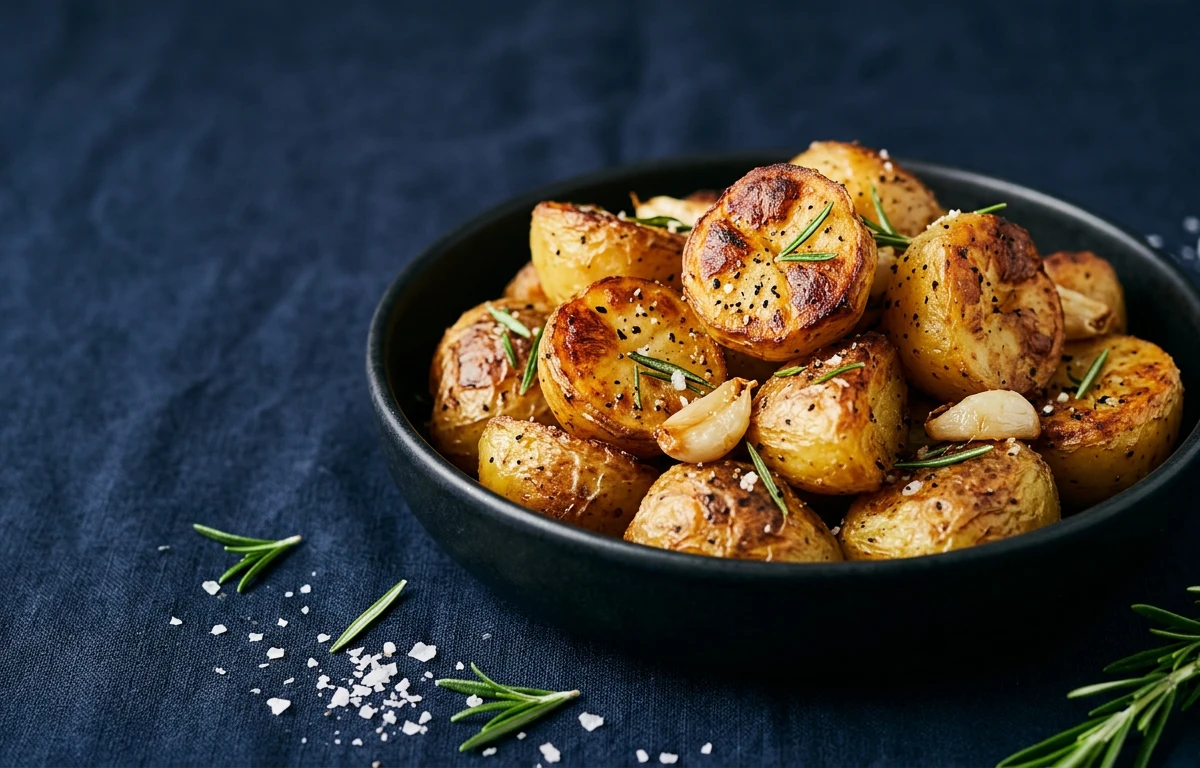
Rosemary's piney, peppery flavor is strong, so it pairs best with robust ingredients that can hold their own.
Use freely — or be mindful?
Three ways to use it
Beyond the Sunday roast, here are three simple ways to make fresh rosemary a regular in your kitchen.

Want savory, balanced meals planned for you?
Our meal planner uses smart pairings and fresh ingredients like rosemary to build flavorful, healthy weeks of eating — with all the nutrition calculated and one simple grocery list.
Build my weekly plan →SOURCES & REFERENCES · 3
One more thing
Eating well is rarely about willpower. It’s about having a short list of dinners you actually want to eat. Pick two from this list. Make them next week. The rest will follow.
If you want these on autopilot, our weekly meal planner can drop the picks above into your calendar with one click and build a single grocery list from the merged ingredients.
FREQUENTLY ASKED QUESTIONS
Frequently asked questions
Is it safe to eat raw rosemary?
Yes, in small culinary amounts, it's perfectly safe to eat raw rosemary. It has a very strong flavor, so it's usually chopped very finely when used raw in things like marinades or dressings.
What's the difference between fresh and dried rosemary?
Fresh rosemary has a more vibrant, pine-like, and complex flavor. Dried rosemary is more concentrated, woody, and brittle. For roasts and infusions, fresh is often better. Dried works well in long-simmered stews or spice rubs.
Can you have too much rosemary?
In culinary amounts, it's very safe. Extremely large, medicinal doses (like highly concentrated extracts or oils) can have side effects and are not recommended, especially during pregnancy. But you'd never reach that level just from cooking with it.
Is rosemary tea good for you?
Rosemary tea is a traditional folk remedy, often used for digestion and memory. Steeping a sprig in hot water is a great way to extract some of its beneficial compounds, like rosmarinic acid, in a gentle, hydrating form.
METHODOLOGY
How this article was created
Built using verified nutrition databases, culinary research, and traditional cooking knowledge — every claim is cross-referenced against the sources listed in the article.
· USDA data· Culinary research· Quality reviewed
Read our methodology →TRANSPARENCY
About this content
Articles are curated using trusted food databases (USDA FoodData Central, IFCT), culinary literature, and dietary guidelines, then structured by our editorial team for clarity, accuracy, and usefulness.
· Verified data sources· Culinary research· Quality reviewed
Read our editorial policy →EXPLORE OUR MEALS
Meals that fit this article

AMERICAN · 1677 CAL
Almonds with Sliced Apple + supplement + iron

MEDITERRANEAN · 809 CAL
Greek Yogurt with Berries Almonds and Granola + supplement + iron

GENERAL_HEALTHY · 705 CAL
Banana with Peanut Butter Pregnancy + supplement + iron

MODERN · 982 CAL
Hummus with Crudits and Pita with Fresh Orange Snack + supplement + iron
TAGGED
KEEP READING