Let's be honest, rye gets a bit of a serious, Eastern European reputation. We think of dense, dark breads that could double as a doorstop. But that dense, chewy character is exactly where its magic lies. Rye is packed with an almost unbelievable amount of fiber — far more than wheat — which makes it one of the best grains for feeling full, managing blood sugar, and feeding a healthy gut. It's time we saw rye not as a substitute for wheat, but as a serious upgrade.
↑ Whole rye berries — the starting point for incredible fiber and flavor.
The Hearty Grain That's More Than Just Bread
Rye is a grain that just works harder. Compared to modern wheat, it's a completely different beast. It has a deeper, more complex, slightly sour flavor and a much denser structure. That density comes from a truly remarkable amount of dietary fiber, particularly a type called arabinoxylan, which has a unique cellular structure that makes it incredibly good at holding water.
This is why rye makes you feel so full. It's also why it's a superstar for your blood sugar. All that fiber forms a gel in your gut that slows down digestion and the release of sugars into your bloodstream. So while the carb count looks high on paper, the way your body handles those carbs is completely different from a slice of white bread.
IN ONE LINE
Rye is a high-fiber whole grain that's exceptional for blood sugar control, long-lasting fullness, and gut health. Choose 100% whole rye for the biggest benefits.
Rye grain nutrition facts
Here’s the nutritional profile for 100 grams of uncooked rye grain — about half a cup. This is the whole berry, the most nutritious form.
The number that should jump out at you is the fiber: 15.1 grams. That's more than half of your entire daily needs in a single 100-gram serving. It's more than double the fiber in whole wheat and oats. This isn't just a small difference; it's a game-changer for everything from appetite control to heart health.
Rye's Glycemic Index
Glycemic index (GI) tells us how quickly a food raises blood sugar. Foods under 55 are 'low', 56-69 are 'medium', and 70+ are 'high'. Rye's GI isn't a single number; it depends on the product.
Whole rye berries and dense, 100% rye pumpernickel bread are typically in the low-to-medium range (around 40-55), which is significantly lower than most wheat breads. This is thanks to that dense fiber structure we talked about. Lighter rye breads, which are often mixed with refined wheat flour, will have a higher GI. The rule is simple: the denser, darker, and more 'whole' the rye product, the lower its GI and the better it will be for your blood sugar.
GLYCEMIC INDEX · RYE vs COMMON FOODS
How Rye Compares to Other Carbs
Apple
whole fruit
LOW
Rye (whole)
whole grain
LOW
Mango
whole fruit
LOW
White Bread
refined
HIGH
Cornflakes
refined
HIGH
SCALE 0–90
04590
How to Choose and Use Rye
Getting the benefits of rye means choosing the right products. It's easy to get fooled by a brown color.
01
Look for '100% Whole Rye'.
Many 'rye breads' are mostly wheat flour with some rye for color and flavor. Check the ingredients list; rye should be the first (and ideally only) grain.
02
Start with the Berries.
The whole rye grain, or 'rye berry', is the most intact and nutritious form. Cook them like you would rice or farro and use them in salads and grain bowls.
03
Embrace the Density.
True rye bread (like German pumpernickel) is dense, moist, and thinly sliced for a reason. Don't expect a light, fluffy loaf. It's a different experience.
04
Try Rye Flakes.
Like rolled oats, rye flakes make a fantastic, high-fiber porridge. They cook quickly and have a wonderful, nutty flavor.
05
Go Slow with Fiber.
If you're not used to this much fiber, introduce rye gradually to give your digestive system time to adapt. And drink plenty of water!
What Rye is Good For
01
Next-Level Satiety
The massive 15.1g of fiber per 100g serving makes rye one of the most filling foods on the planet, helping to curb appetite and manage weight.
15.1g
fiber
02
Superior Blood Sugar Control
Rye's unique fiber structure and low-to-medium GI mean it releases energy slowly, preventing the blood sugar spikes associated with refined grains.
Low-Med
GI
03
A Happy Gut Microbiome
The prebiotic fibers in rye are food for your beneficial gut bacteria, promoting a healthy digestive ecosystem.
Prebiotic
fiber
04
A Meaningful Plant Protein Source
With over 10 grams of protein per serving, rye contributes significantly to muscle maintenance and overall fullness.
10.3g
protein
05
Heart Health Support
The soluble fiber in rye has been shown to help lower LDL ('bad') cholesterol, a key factor in cardiovascular health.
Soluble
fiber
What to Pair Rye With
Rye's strong, earthy flavor loves bold partners. Think of the classic combinations from Northern and Eastern Europe — they've been perfecting this for centuries.
A Staple Food — or Use With Caution?
Three Ways to Eat Rye
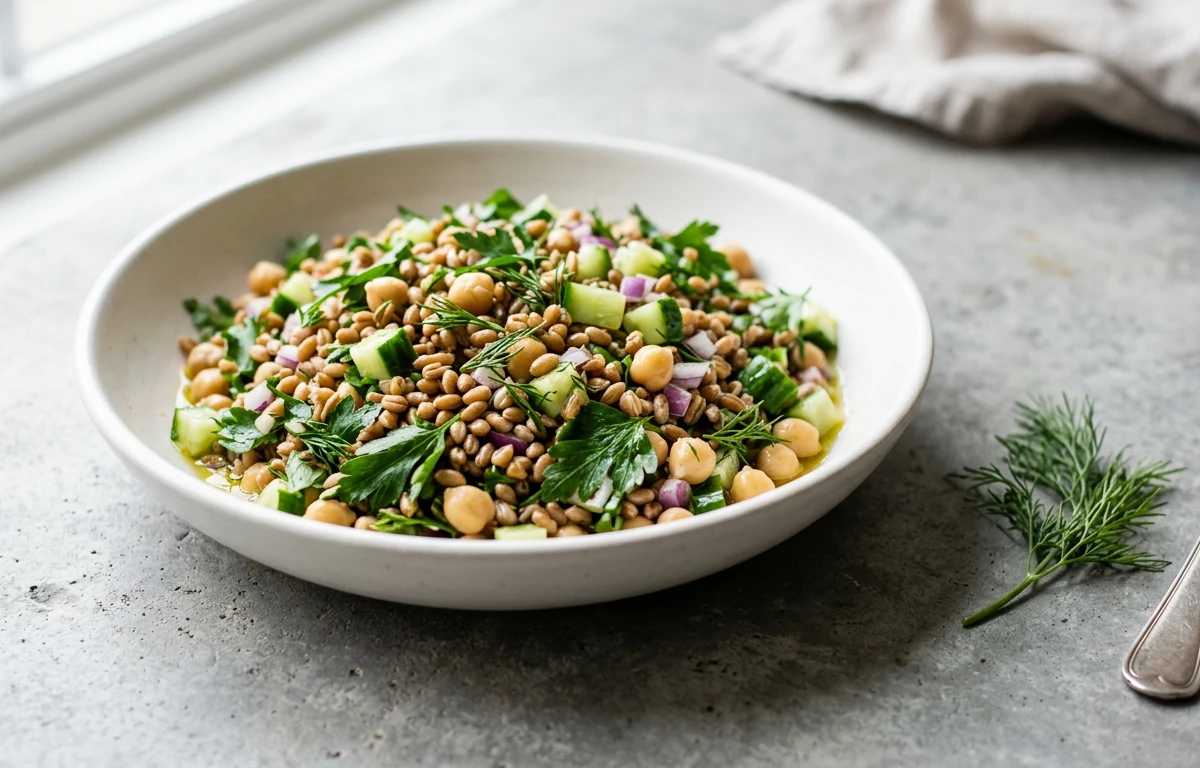
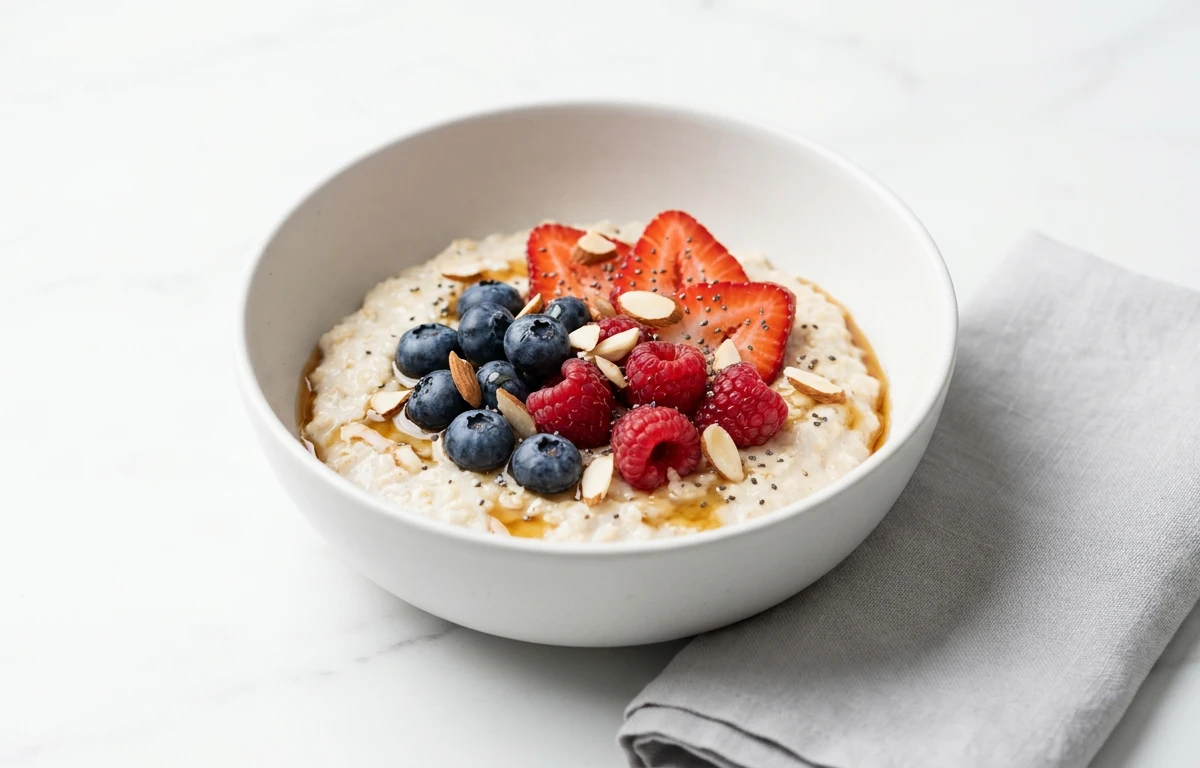
Move beyond just toast with these simple ways to get whole rye into your diet.

Want powerful grains like rye worked into a balanced week?
Our meal planner uses high-fiber ingredients to build satisfying, blood-sugar-friendly meals. Get a plan with portions and macros already calculated, plus a single grocery list to make it easy.
Build my weekly plan →SOURCES & REFERENCES · 3
One more thing
Eating well is rarely about willpower. It’s about having a short list of dinners you actually want to eat. Pick two from this list. Make them next week. The rest will follow.
If you want these on autopilot, our weekly meal planner can drop the picks above into your calendar with one click and build a single grocery list from the merged ingredients.
FREQUENTLY ASKED QUESTIONS
Frequently asked questions
Is rye gluten-free?
No, absolutely not. Rye is one of the three main gluten-containing grains, along with wheat and barley. It is unsafe for anyone with celiac disease.
Is rye better for you than wheat?
For most people, yes. While both can be part of a healthy diet in their whole-grain forms, rye generally has a much higher fiber content and a lower glycemic index than wheat, making it more effective for blood sugar control and promoting fullness.
Can rye help you lose weight?
It can be a powerful tool for weight management. Its incredibly high fiber content makes it very filling, which can help you eat fewer calories overall without feeling hungry.
Why is rye bread so dense?
Rye has lower gluten content than wheat and a different type of fiber (arabinoxylan) that interferes with the gluten network. This means it can't trap gas as effectively, resulting in a much denser, less airy loaf. This is a feature, not a bug!
METHODOLOGY
How this article was created
Built using verified nutrition databases, culinary research, and traditional cooking knowledge — every claim is cross-referenced against the sources listed in the article.
· USDA data· Culinary research· Quality reviewed
Read our methodology →TRANSPARENCY
About this content
Articles are curated using trusted food databases (USDA FoodData Central, IFCT), culinary literature, and dietary guidelines, then structured by our editorial team for clarity, accuracy, and usefulness.
· Verified data sources· Culinary research· Quality reviewed
Read our editorial policy →EXPLORE OUR MEALS
Meals that fit this article

AMERICAN · 1677 CAL
Almonds with Sliced Apple + supplement + iron

MEDITERRANEAN · 809 CAL
Greek Yogurt with Berries Almonds and Granola + supplement + iron

GENERAL_HEALTHY · 705 CAL
Banana with Peanut Butter Pregnancy + supplement + iron

MODERN · 982 CAL
Hummus with Crudits and Pita with Fresh Orange Snack + supplement + iron
TAGGED
KEEP READING