Few foods get people as worked up as the soybean. Is it a health-food hero or a hormonal menace? The truth, as it usually is, lies somewhere in the sensible middle. Whole soy foods like edamame, tofu, and tempeh are nutritional powerhouses — packed with complete protein, fiber, and beneficial phytonutrients. The controversy around them is mostly based on outdated science and myths. It's time to see the humble soybean for what it is: a genuinely smart, versatile, and affordable plant protein.
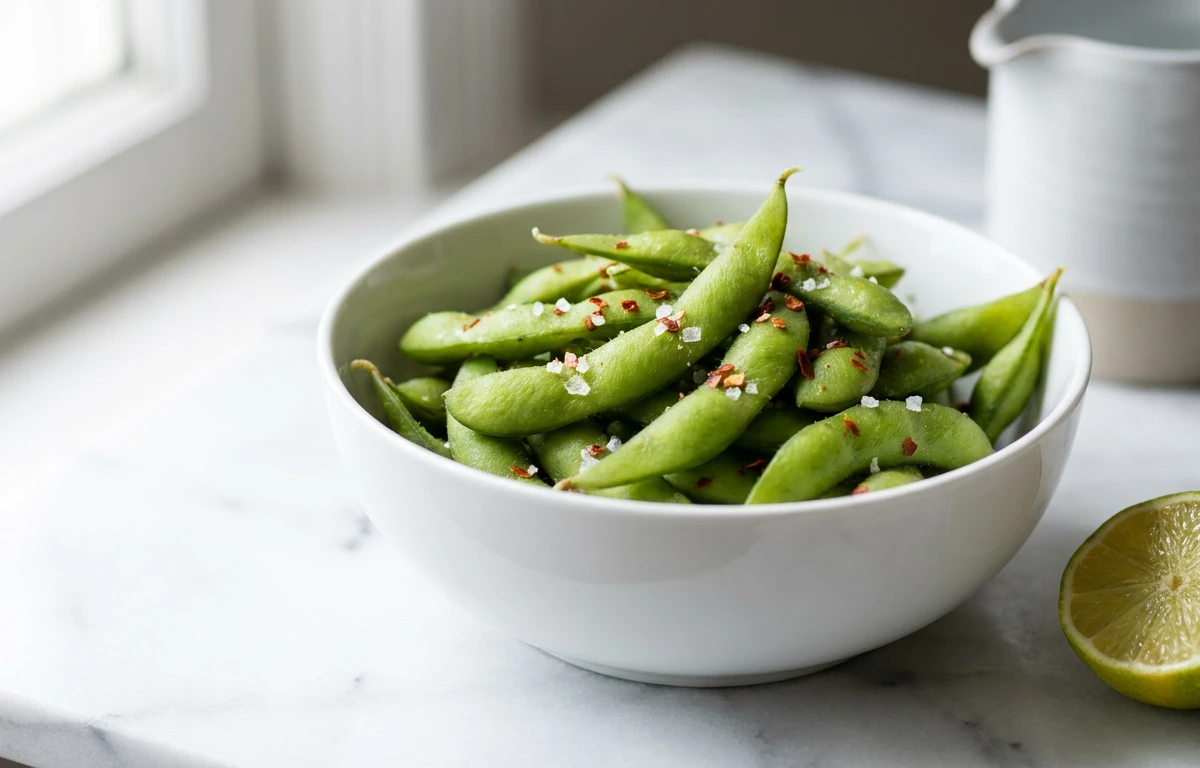
↑ Whole soybeans (edamame) are the least processed, most nutrient-dense way to eat soy.
The misunderstood bean
Soybeans are one of the world's most important crops, but you probably know them best as edamame, tofu, tempeh, or soy milk. They are, without a doubt, the king of plant proteins. Unlike most other plants, soy provides a 'complete' protein, meaning it has all nine of the essential amino acids our bodies can't make on their own. It's basically a steak, but a bean.
Despite this, soy has a reputation problem. For years, people have worried about its 'phytoestrogens' and potential effects on hormones. We'll get into that, but the short version is this: the science has moved on. For most people, whole soy foods are not just safe, they're incredibly good for you.
IN ONE LINE
A complete plant protein, packed with fiber and beneficial phytonutrients, with a very low glycemic index. Eat it in its whole forms for the biggest benefits.
Soybean nutrition facts
Here's the nutritional breakdown for a 100-gram (about 2/3 cup) serving of mature, cooked soybeans. That's a pretty hefty portion, so you might eat less in a single meal.
The numbers speak for themselves. That protein content — 36.5 grams! — is staggering for a plant food. It's more protein than you'd find in 100g of steak. It's also delivering nearly 10 grams of fiber, which is fantastic for your gut and for feeling full. The fat is mostly unsaturated, the heart-healthy kind. It's a truly balanced, nutrient-dense food.
The real story on phytoestrogens
This is the source of 90% of the confusion around soy. Soy contains compounds called isoflavones, which are a type of phytoestrogen (meaning 'plant-estrogen'). Because their chemical structure looks a bit like human estrogen, people worried they might act like it in the body.
Here's the key: they don't. Phytoestrogens are much, much weaker than human estrogen and can actually have a balancing effect. In some cases they block stronger, human estrogen from binding to cells; in others, they provide a very mild estrogenic effect. Decades of research, including large human studies, have concluded that moderate soy consumption doesn't cause feminizing effects in men or increase cancer risk. In fact, it's consistently linked with a lower risk of certain hormone-related cancers like breast and prostate cancer.
The phytoestrogen panic is mostly nonsense. Modern science shows that in the context of a normal diet, soy isoflavones are protective, not harmful.
Soybean's glycemic index
Glycemic index (GI) ranks how fast a food raises blood sugar. Foods under 55 are 'low'. While there isn't one single, universally cited GI number for soybeans (it's not a sugary food people test often), they are unequivocally a low-GI food. With so much protein, fiber, and fat, and very little sugar, the carbohydrate it contains is absorbed very slowly. This makes it an absolute winner for blood sugar control.
GLYCEMIC INDEX · SOYBEANS vs COMMON FOODS
Soybeans are firmly in the low-GI band
Soybeans
very low
LOW
Cherries
whole fruit
LOW
Apple
whole fruit
LOW
White bread
refined
HIGH
Cornflakes
refined
HIGH
SCALE 0–90
04590
The best ways to eat soy
You'll get the most benefit from soy by eating it in its less processed forms. Here's a quick guide.
01
Stick to whole forms.
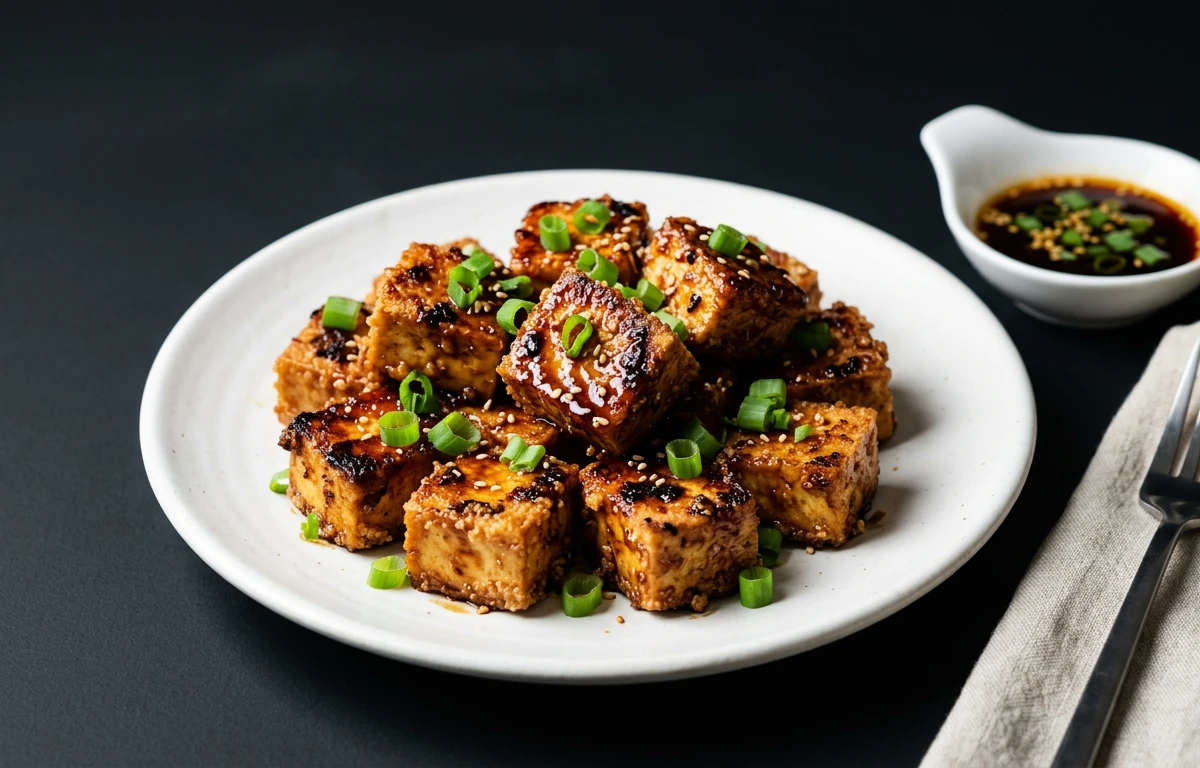
Choose edamame (whole soybeans), tempeh (fermented soy cake), and tofu. These contain the full package of fiber, protein, and nutrients.
02
Embrace fermented soy.
Tempeh, miso, and natto are fermented, which can make their nutrients easier to absorb and adds probiotic benefits for your gut.
03
Read the label on processed soy.
Soy milks, yogurts, and mock meats can be great, but check for added sugars, sodium, and weird fillers. Opt for unsweetened versions where you can.
04
Don't go overboard.
A serving or two a day is a great addition to a varied diet. There's no need to build every single meal around soy.
What soybeans are good for
01
A complete plant protein
One of the very few plant sources that provides all nine essential amino acids, making it a cornerstone for vegetarian and vegan diets.
36.5g
protein
02
Lowering cholesterol
The FDA has approved a health claim for soy protein's ability to lower LDL ('bad') cholesterol, reducing heart disease risk.
FDA Claim
heart health
03
Excellent blood sugar control
With a very low GI and tons of fiber and protein, soy provides steady energy without spikes, making it ideal for managing diabetes.
Low GI
steady energy
04
Supporting bone health
The isoflavones in soy appear to help preserve bone mineral density, a particular benefit for postmenopausal women.
Isoflavones
bone density
What to pair soy with
Soy's savory, nutty flavor makes it a brilliant team player in the kitchen. Use it as a protein base to build a balanced meal.
Eat freely — or be mindful?
Three ways with soy
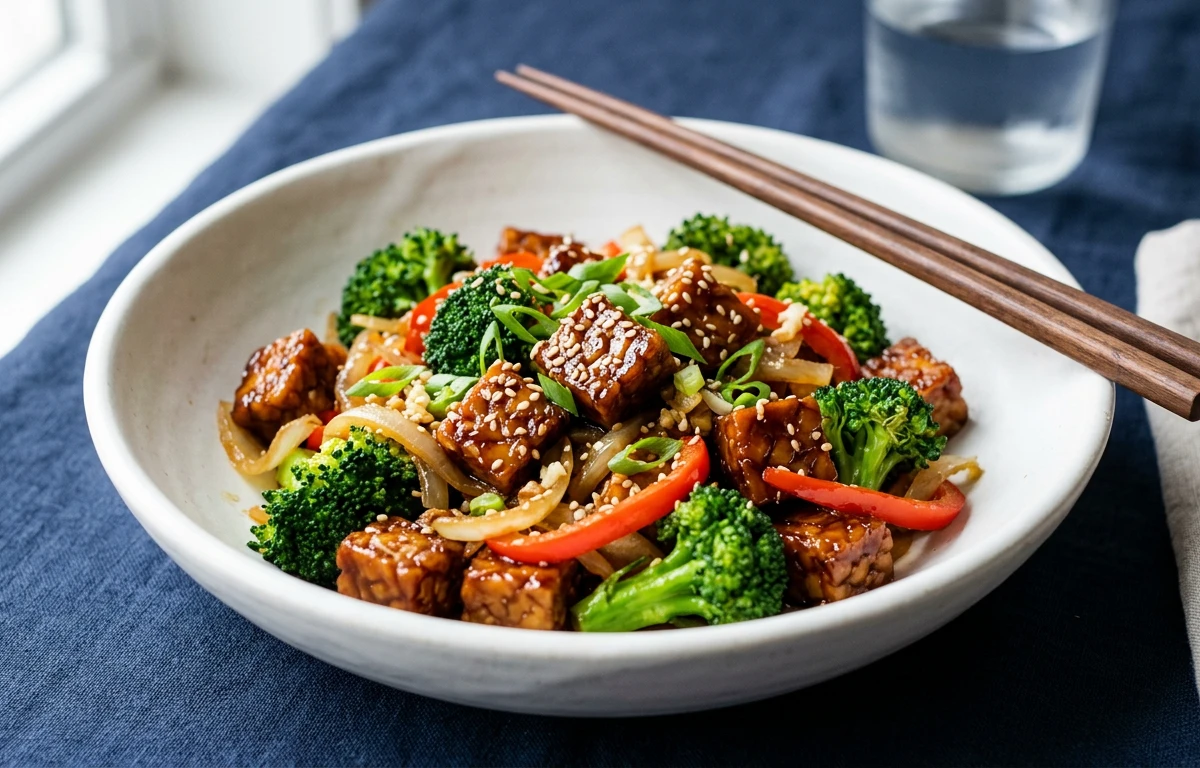
Here are three simple ways to get whole soy foods into your week, focusing on flavor and minimal processing.
Want more plant protein in your week — without the guesswork?
Our meal planner can build you a balanced week of meals featuring high-protein plant foods like soybeans, lentils, and chickpeas, with macros calculated and a single grocery list.
Build my weekly plan →SOURCES & REFERENCES · 3
One more thing
Eating well is rarely about willpower. It’s about having a short list of dinners you actually want to eat. Pick two from this list. Make them next week. The rest will follow.
If you want these on autopilot, our weekly meal planner can drop the picks above into your calendar with one click and build a single grocery list from the merged ingredients.
FREQUENTLY ASKED QUESTIONS
Frequently asked questions
Is soy bad for men or testosterone levels?
No. This is a persistent myth based on old, flawed studies. Overwhelming evidence from large-scale human trials shows that moderate soy intake has no negative effect on testosterone or reproductive health in men.
Does soy cause cancer?
Quite the opposite. Population studies consistently link moderate intake of whole soy foods with a lower risk of hormone-related cancers, including breast and prostate cancer. The isoflavones appear to have a protective effect.
Should I avoid soy if I have a thyroid condition?
Not necessarily, but you should be smart about it. Soy compounds can interfere with the absorption of thyroid medication. The standard advice is to wait at least 4 hours between eating soy and taking your medication. It's best to discuss your diet with your doctor.
What's the difference between tofu, tempeh, and edamame?
Edamame are young, whole soybeans, usually served in the pod. Tofu is made by curdling soy milk, similar to how cheese is made from dairy milk. Tempeh is a firm cake made from whole, fermented soybeans, which gives it a nuttier flavor and even more health benefits.
METHODOLOGY
How this article was created
Built using verified nutrition databases, culinary research, and traditional cooking knowledge — every claim is cross-referenced against the sources listed in the article.
· USDA data· Culinary research· Quality reviewed
Read our methodology →TRANSPARENCY
About this content
Articles are curated using trusted food databases (USDA FoodData Central, IFCT), culinary literature, and dietary guidelines, then structured by our editorial team for clarity, accuracy, and usefulness.
· Verified data sources· Culinary research· Quality reviewed
Read our editorial policy →RELATED RECIPES
Cook from this article
EXPLORE OUR MEALS
Meals that fit this article

AMERICAN · 1677 CAL
Almonds with Sliced Apple + supplement + iron

MEDITERRANEAN · 809 CAL
Greek Yogurt with Berries Almonds and Granola + supplement + iron

GENERAL_HEALTHY · 705 CAL
Banana with Peanut Butter Pregnancy + supplement + iron

MODERN · 982 CAL
Hummus with Crudits and Pita with Fresh Orange Snack + supplement + iron
TAGGED
KEEP READING