It's the smallest grain in the world, so tiny it looks like a sprinkle of dust. But don't let the size of teff fool you. This ancient Ethiopian grain is a nutritional giant, packing more protein than many other grains, a serious dose of fiber, and a mineral profile that leaves most of its pantry shelf-mates in the dust. It’s naturally gluten-free and has a lovely, mild, nutty flavor. Honestly, it's one of the most underrated foods out there.
↑ Teff is the world's smallest grain, with a mild, nutty flavor.
The tiny, mighty grain
If you've ever eaten at an Ethiopian restaurant and scooped up stew with a spongy, tangy flatbread called injera, you've eaten teff. For thousands of years, it's been a staple food in the Horn of Africa, and for good reason. It's resilient, versatile, and incredibly nutritious.
The grain itself is so small that it can't be refined or hulled, which is fantastic news for us. It means we always eat it in its whole-grain form, with all the fiber, protein, and nutrients intact. It's what gives it that slow-burning energy and makes it so satisfying.
IN ONE LINE
A tiny, naturally gluten-free grain that's big on protein, fiber, and minerals. Think of it as a more interesting, nutrient-dense alternative to oats or quinoa.
Teff nutrition facts
Here's the nutritional breakdown for 100 grams of uncooked teff, which is about half a cup. This cooks up to a generous portion of porridge or can be used as flour in baking.
The numbers speak for themselves. That protein content is impressive for a grain, and the fiber is substantial. But the real story is in the minerals. Teff is a standout source of iron, crucial for energy and red blood cells, and magnesium, which is involved in hundreds of body processes from nerve function to blood pressure regulation.
Teff's Glycemic Index
There isn't an official, universally agreed-upon glycemic index (GI) number for teff from the major testing bodies. However, we can make a very educated guess. Given its high fiber and protein content, and the fact that it's always eaten as a whole grain, teff is almost certainly a low-to-medium GI food. It provides a slow, steady release of energy, not the quick spike you'd get from a refined grain like white bread. This makes it an excellent choice for sustained energy and blood sugar management.
Because teff grains are too small to refine, you're always eating the whole grain. This is key to its slow-release energy and high fiber content.
Understanding Glycemic Index
Glycemic index ranks how fast a food raises blood sugar on a 0–100 scale. Low is under 55, medium is 56–69, and high is 70+. Whole grains like teff, with their intact fiber and protein, digest more slowly and have a gentler impact than refined carbohydrates.
GLYCEMIC INDEX · A COMPARISON
Teff's likely impact vs. other foods
Apple
whole fruit
LOW
Pineapple
whole fruit
MEDIUM
Watermelon
whole fruit
HIGH
White bread
refined
HIGH
Cornflakes
refined
HIGH
SCALE 0–90
04590
How to cook with teff
Teff might seem exotic, but it's surprisingly easy to incorporate into your meals. It has a mild, slightly nutty, molasses-like flavor that works in both sweet and savory dishes.
01
Make a porridge.
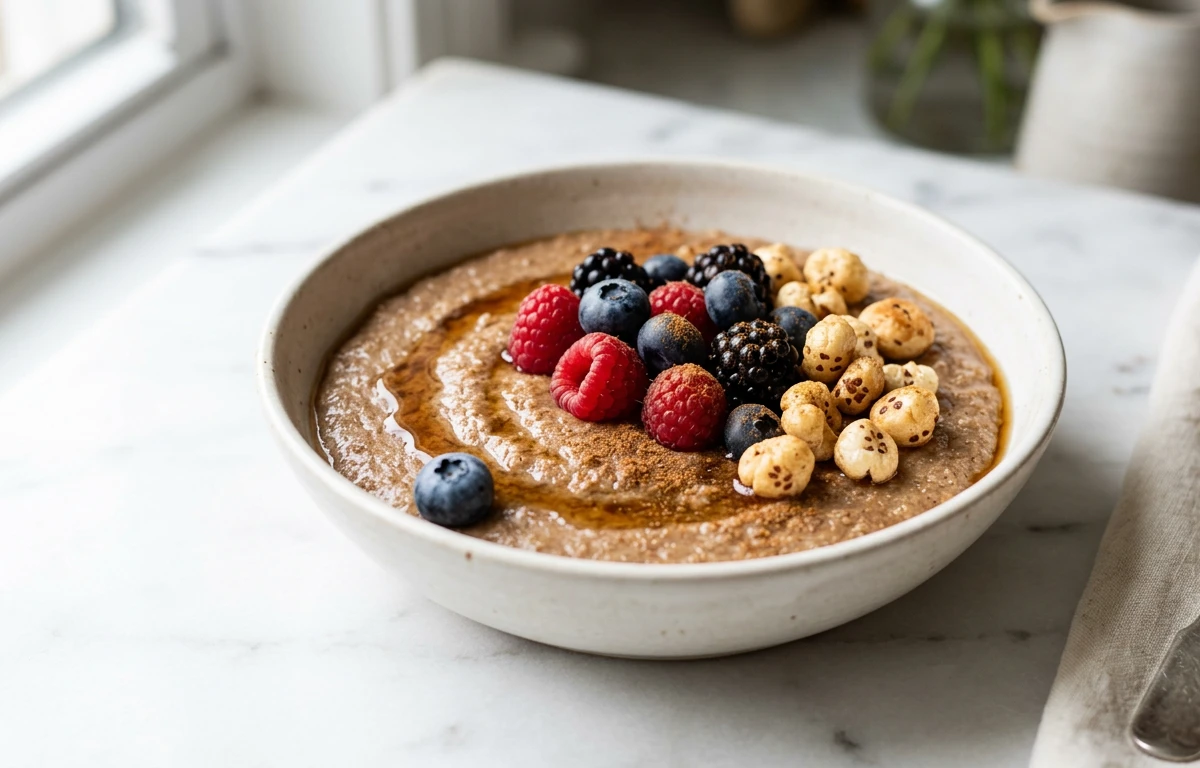
This is the easiest way to start. Use a 4:1 ratio of water to teff, bring to a boil, then simmer for 15-20 minutes, stirring occasionally. It will thicken into a creamy, polenta-like consistency.
02
Use it in baking.
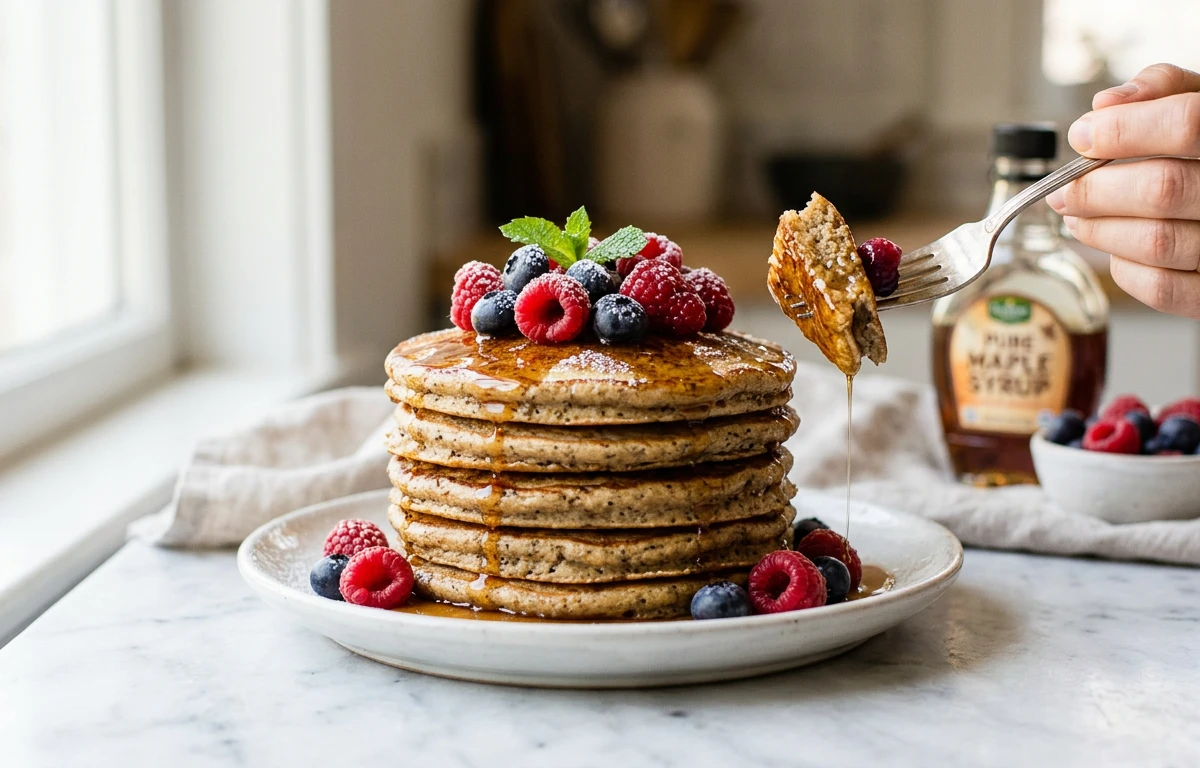
Teff flour has a wonderful flavor. You can use it for gluten-free pancakes, waffles, cookies, and breads. It's the traditional flour for Ethiopian injera.
03
Thicken soups and stews.
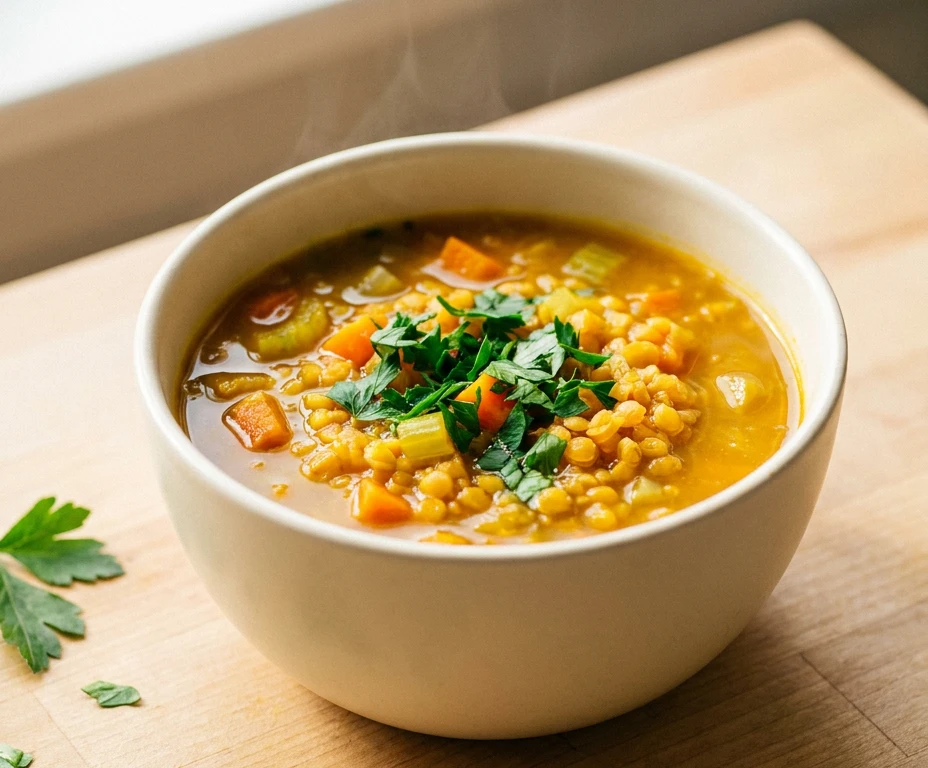
A few tablespoons of teff grain can be tossed into a simmering soup or stew, where it will cook down and add body, fiber, and nutrients.
04
Add to grain bowls.
Cook teff like you would porridge, but with a little less water for a firmer texture. Use it as a base for roasted vegetables, protein, and a good dressing.
What teff is good for
01
Sustained, slow-release energy
The combination of protein, fiber, and complex carbs makes teff a fantastic source of steady energy, ideal for athletes or anyone avoiding a mid-afternoon slump.
8g
fiber
02
A great source of plant protein
With over 13 grams of protein per 100g, teff helps with muscle repair, satiety, and maintaining a healthy metabolism. It's a great choice for plant-based diets.
13.3g
protein
03
Packed with essential minerals
Teff is exceptionally rich in iron for blood health and magnesium for nerve and muscle function. It's also a rare grain source of significant calcium.
42%
Iron DV
04
Naturally 100% gluten-free
As a naturally gluten-free grain, teff is completely safe for individuals with celiac disease or a non-celiac gluten sensitivity.
100%
gluten-free
05
Supports gut health
The 8 grams of fiber, including resistant starch, act as a prebiotic to feed beneficial gut bacteria, contributing to a healthy digestive system.
29%
Fiber DV
What to pair teff with
Teff's earthy, nutty flavor is a great canvas. Pair it with the right ingredients to make it a delicious, balanced meal.
Eat freely — or be mindful?
Three ways to use it
Ready to get cooking? Here are three simple recipes to get teff into your kitchen rotation.
Want more nutrient-dense grains in your week — without the planning?
Our meal planner can build a balanced week of meals for you, incorporating whole grains like teff, with portions and macros already calculated and a single grocery list at the end.
Build my weekly plan →SOURCES & REFERENCES · 3
One more thing
Eating well is rarely about willpower. It’s about having a short list of dinners you actually want to eat. Pick two from this list. Make them next week. The rest will follow.
If you want these on autopilot, our weekly meal planner can drop the picks above into your calendar with one click and build a single grocery list from the merged ingredients.
FREQUENTLY ASKED QUESTIONS
Frequently asked questions
Is teff better than quinoa or oats?
It's not about 'better', but 'different'. Teff is higher in calcium and iron than quinoa and oats. Quinoa is a complete protein. Oats are great for soluble fiber. All three are excellent whole grains. Variety is key, and teff is a fantastic one to add to the mix.
What does teff taste like?
Teff has a unique flavor that's mild, nutty, and slightly sweet, with hints of molasses or cocoa. It's heartier than wheat flour but not overpowering. The fermented flour used for injera has a distinct sour tang.
Can I eat teff raw?
No, teff should be cooked before eating. Cooking makes its nutrients more available for digestion and absorption. The most common ways are to cook it into a porridge or use the flour for baking.
Is teff good for people with diabetes?
Yes, it can be a very good choice. Its high fiber and protein content lead to a slow digestion and a more stable blood sugar response compared to refined grains. As always, portion size is important, so fit it into your overall meal plan.
METHODOLOGY
How this article was created
Built using verified nutrition databases, culinary research, and traditional cooking knowledge — every claim is cross-referenced against the sources listed in the article.
· USDA data· Culinary research· Quality reviewed
Read our methodology →TRANSPARENCY
About this content
Articles are curated using trusted food databases (USDA FoodData Central, IFCT), culinary literature, and dietary guidelines, then structured by our editorial team for clarity, accuracy, and usefulness.
· Verified data sources· Culinary research· Quality reviewed
Read our editorial policy →RELATED RECIPES
Cook from this article
EXPLORE OUR MEALS
Meals that fit this article

GENERAL_HEALTHY · 705 CAL
Banana with Peanut Butter Pregnancy + supplement + iron
AMERICAN · 694 CAL
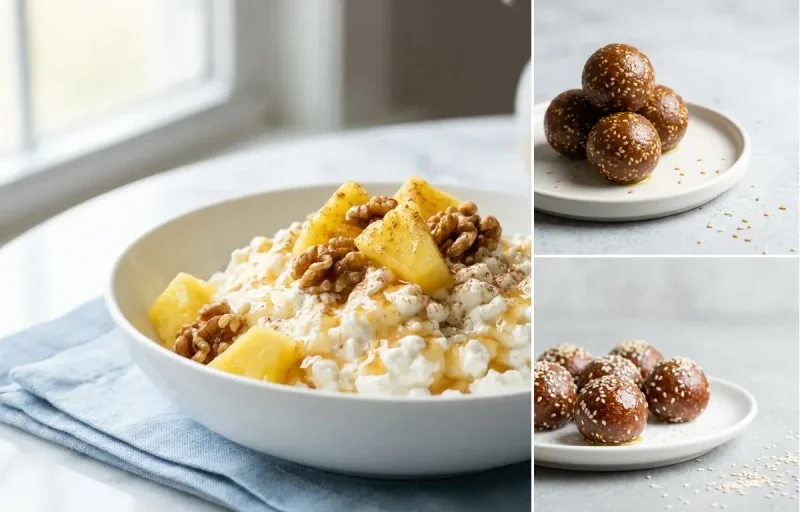
Cottage Cheese with Pineapple Walnuts and Hemp Pregnancy + supplement + iron

AMERICAN · 359 CAL
Apple with Peanut Butter with Glass of Milk + supplement + iron

MEDITERRANEAN · 738 CAL
Greek Yogurt with Berries Walnuts and Honey + supplement + iron
TAGGED
KEEP READING