Let's get one thing straight: that orange tuber you eat at Thanksgiving is almost certainly a sweet potato, not a true yam. A real yam is something else entirely — starchier, less sweet, with a rough, bark-like skin. It's a staple across West Africa, the Caribbean, and Asia for good reason. It's incredibly filling, packed with complex carbs and fiber, and more nutritionally interesting than its simple appearance suggests.
↑ A true yam is typically white-fleshed with a rough, dark skin.
It's not a sweet potato
In many US supermarkets, the names are used interchangeably, but yams and sweet potatoes aren't even related. Sweet potatoes are roots from the morning glory family, with smooth skin and sweet, often orange, flesh. True yams are tubers from the lily family, with rough, scaly skin (it looks a bit like tree bark) and flesh that's typically white, starchy, and much less sweet.
Think of a yam's texture as closer to a regular potato, but drier and starchier. It's a blank canvas, meant to be boiled, roasted, or fried and served as a substantial part of a meal, soaking up the flavors of stews and sauces.
A true yam is a starchy, high-fiber tuber with a neutral taste, unlike the sweet, orange-fleshed sweet potato it's often confused with.
Yam nutrition facts
Here's the nutritional profile for a 100-gram serving of yam, which is about 2/3 of a cup, cooked. The numbers show a food built for energy and fullness.
The two standout numbers here are the fiber and the potassium. At over 4 grams per serving, yam is a fantastic source of dietary fiber, which is crucial for gut health and feeling full. The potassium content is also sky-high, making it a great food for helping to manage blood pressure.
Yam's glycemic index
This is where it gets interesting. Unlike a simple sugar, a yam's glycemic index (how fast it raises blood sugar) depends heavily on how you cook it. We don't have one single number for 'yam'.
Boiling yams results in a lower to medium GI, because the starch granules swell with water and become a bit more resistant to digestion. Roasting or baking, on the other hand, breaks down the starches more completely, leading to a higher GI. Either way, it's a starchy vegetable that provides a slower, more sustained energy release than something like white bread, thanks to all that fiber.
GLYCEMIC INDEX · YAM vs COMMON FOODS
Yam sits in the medium-GI band
Apple
whole fruit
LOW
Yam (boiled)
starchy vegetable
MEDIUM
Pineapple
whole fruit
MEDIUM
White bread
refined
HIGH
SCALE 0–90
04590
The smart way to cook it
Yam isn't a vegetable you eat raw. Cooking is essential, and the method matters.
01
Boil it for the lowest GI.
Peeling, cubing, and boiling yam in salted water until tender is the classic preparation. It's simple, preserves nutrients, and keeps the glycemic impact moderate.
02
Roast or bake for more flavor.
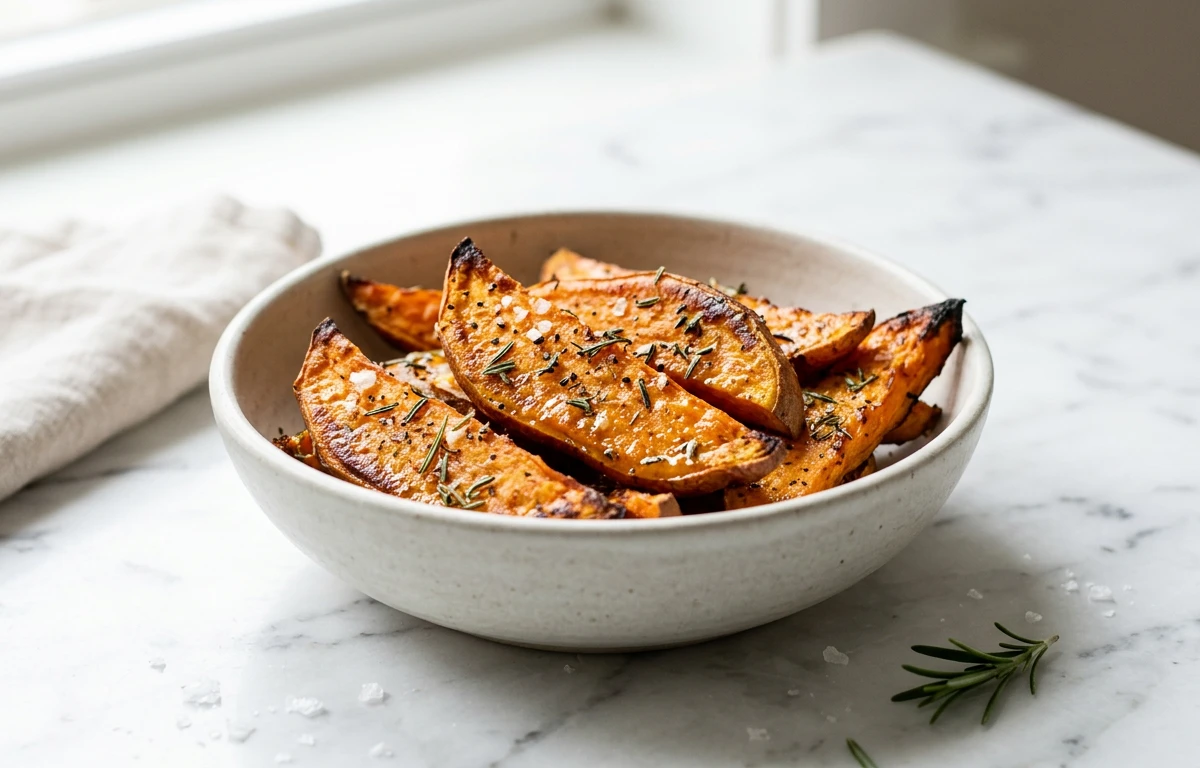
Tossing yam wedges with a little oil and spices and roasting until crisp brings out a nuttier flavor, but it will raise the GI. It's delicious, just be mindful.
03
Avoid deep frying.
Fried yam chips are a popular snack, but frying adds a huge amount of fat and calories, cancelling out many of the health benefits.
04
Always pair with protein and fat.
Never eat a big portion of yam by itself. Serve it with fish, chicken, beans, or a rich stew to create a balanced meal that keeps you full for hours.
What yam is good for
01
Long-lasting, steady energy
The combination of complex carbohydrates and high fiber provides fuel that's released slowly, preventing the energy spike-and-crash you get from simple carbs.
28 g
carbs
02
Excellent for gut health
With 4.1 grams of fiber per serving, yam is great for digestive regularity and feeding the good bacteria in your gut. This also makes it incredibly filling.
4.1 g
fiber
03
Supports healthy blood pressure
Yam is a potassium powerhouse. This mineral is vital for countering the effects of sodium and helping to maintain healthy blood pressure levels.
17%
potassium DV
04
A surprising vitamin C boost
You might not expect it from a starchy tuber, but a serving of yam provides nearly 20% of your daily vitamin C, which is important for immune function and skin health.
19%
vit C DV
What to pair yam with
Yam's neutral, starchy character makes it the perfect partner for bold flavors. Think of it as a healthier, more fibrous alternative to white rice or potatoes.
Eat freely — or be mindful?
Three ways to eat it
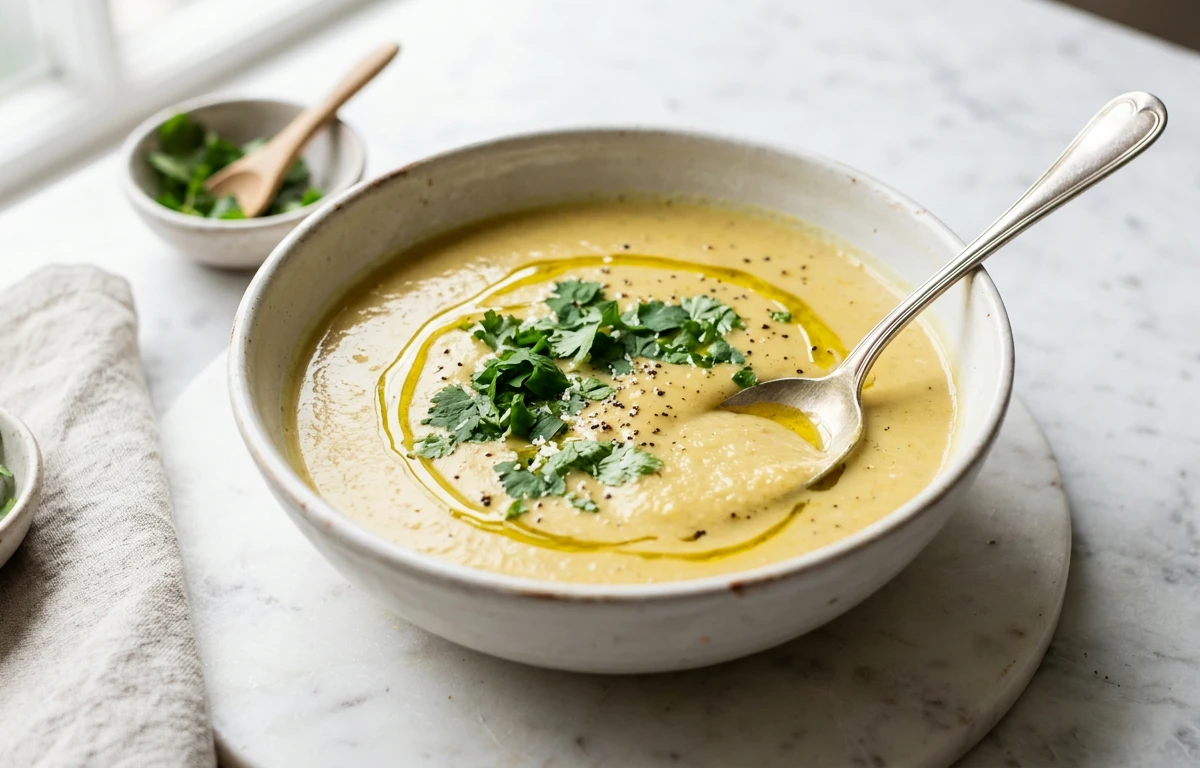
Here are three simple ways to prepare true yam, focusing on healthy cooking methods that let its texture shine.
Want starchy vegetables worked into a balanced week?
Our meal planner can incorporate satisfying foods like yam into a healthy eating plan, ensuring portions are right and meals are balanced with protein and healthy fats.
Build my weekly plan →SOURCES & REFERENCES · 3
One more thing
Eating well is rarely about willpower. It’s about having a short list of dinners you actually want to eat. Pick two from this list. Make them next week. The rest will follow.
If you want these on autopilot, our weekly meal planner can drop the picks above into your calendar with one click and build a single grocery list from the merged ingredients.
FREQUENTLY ASKED QUESTIONS
Frequently asked questions
What is the difference between a yam and a sweet potato?
They are completely different plants. True yams are large tubers with rough, dark skin and starchy, white, not-so-sweet flesh. Sweet potatoes are smaller root vegetables with smooth skin and sweet flesh, which is often orange but can be white or purple.
Can people with diabetes eat yam?
In moderation, yes. Yam is high in carbohydrates, but its high fiber content and medium glycemic index (when boiled) make it better than refined carbs. The key is strict portion control and pairing it with protein and fat to slow sugar absorption. Always consult your doctor or dietitian.
Is yam healthier than a regular potato?
They are nutritionally very similar, but yam generally has more fiber and significantly more vitamin C and potassium than a white potato. Both are healthy whole foods when prepared correctly (i.e., not fried).
Why is yam so high in potassium?
Like many tubers that grow in nutrient-rich soil, yams are excellent at absorbing minerals, especially potassium. This makes them beneficial for blood pressure and fluid balance, but also requires caution for anyone on a potassium-restricted diet, such as for chronic kidney disease.
METHODOLOGY
How this article was created
Built using verified nutrition databases, culinary research, and traditional cooking knowledge — every claim is cross-referenced against the sources listed in the article.
· USDA data· Culinary research· Quality reviewed
Read our methodology →TRANSPARENCY
About this content
Articles are curated using trusted food databases (USDA FoodData Central, IFCT), culinary literature, and dietary guidelines, then structured by our editorial team for clarity, accuracy, and usefulness.
· Verified data sources· Culinary research· Quality reviewed
Read our editorial policy →RELATED RECIPES
Cook from this article
EXPLORE OUR MEALS
Meals that fit this article

AMERICAN · 1677 CAL
Almonds with Sliced Apple + supplement + iron

MEDITERRANEAN · 809 CAL
Greek Yogurt with Berries Almonds and Granola + supplement + iron

GENERAL_HEALTHY · 705 CAL
Banana with Peanut Butter Pregnancy + supplement + iron

MODERN · 982 CAL
Hummus with Crudits and Pita with Fresh Orange Snack + supplement + iron
TAGGED
KEEP READING