Lettuce gets written off as 'crunchy water,' a placeholder in a sandwich or a vehicle for dressing. And sure, it's mostly water — but that's a feature, not a bug. It's hydrating, incredibly low in calories, and provides a gentle dose of fibre and vitamins. The real story of lettuce isn't about what it lacks (calories, sugar, fat), but what it adds: volume, texture, and a foundation for building a genuinely satisfying, low-impact meal.
↑ Lettuce is more than a garnish — it's a hydrating, low-calorie foundation.
Beyond crunchy water
Let's be honest, nobody gets excited about lettuce. But maybe we should. In a world of complicated superfoods, lettuce is simple, effective, and does a few things exceptionally well. Its main job is to provide bulk and hydration. A big salad can be genuinely filling for fewer calories than a handful of crisps. It's a tool for fullness, a carrier for flavour, and a quiet nutritional contributor that asks for very little in return.
IN ONE LINE
Lettuce is a hydrating, high-volume, low-calorie food with a negligible glycemic index, making it a powerful tool for weight management and blood sugar control.
Lettuce nutrition facts
The numbers for lettuce are small, but that's the point. Here's what a 100-gram serving — about 3-4 cups of shredded leaves — provides. I'm using a generic green leaf lettuce as a baseline; darker leaves like romaine will have more Vitamin K and A.
The standout number here is the calorie count: just 15 calories for a big pile of food. You also get a little bonus of fibre and a surprising 10% of your daily Vitamin C. But the real star is the 96 grams of water, making lettuce one of the most hydrating foods you can eat.
Lettuce's glycemic index
Glycemic index (GI) measures how fast a food raises blood sugar. With lettuce, it's almost a moot point. It contains so little carbohydrate (just 1 gram of net carbs per 100g) that its effect on blood sugar is practically zero. It's one of the lowest GI foods in existence, making it a true free-for-all for anyone managing blood sugar.
GLYCEMIC INDEX · LETTUCE vs COMMON FOODS
Lettuce has a negligible glycemic impact
Lettuce
non-starchy veg
LOW
Apple
whole fruit
LOW
Pineapple
whole fruit
MEDIUM
White bread
refined
HIGH
Cornflakes
refined
HIGH
SCALE 0–90
04590
The smart way to eat it
It's hard to go wrong with lettuce, but a few simple habits help you get the most out of it.
01
Use it as a base, not just a garnish.
Don't just tuck a single leaf in a sandwich. Start with a big bowl of lettuce and build your meal on top of it. This adds volume and fullness for almost zero calories.
02
Pair it with healthy fats.
Many of the vitamins in leafy greens (like A and K) are fat-soluble. A drizzle of olive oil or some avocado helps you absorb them.
03
Think beyond the salad.
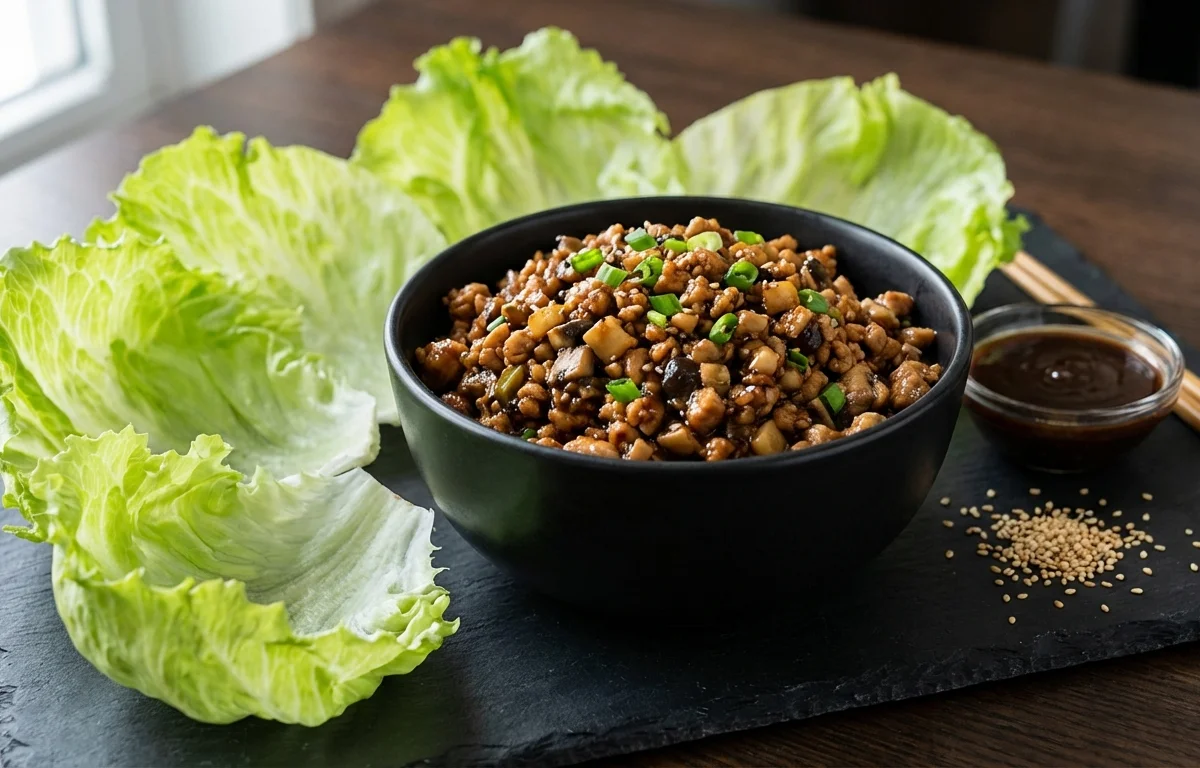
Sturdy leaves like romaine or iceberg make great, low-carb wraps for chicken salad, tacos, or burgers. You can also braise or grill heartier lettuces.
04
Wash and dry it properly.
Nothing ruins a salad like gritty, waterlogged leaves. Wash it well and use a salad spinner. Dry leaves hold dressing much better.
05
Watch the dressing.
Lettuce is a health hero; creamy, sugary bottled dressings are not. A simple vinaigrette of oil, vinegar, and mustard is a far better choice.
What lettuce is good for
01
Serious hydration
At around 96% water, eating a large salad is a legitimate way to contribute to your daily fluid intake, especially in warm weather.
~96%
water
02
Weight management
Lettuce provides maximum volume and crunch for minimum calories. It's a key strategy for feeling full while maintaining a calorie deficit.
15
calories
03
Blood sugar stability
With virtually no digestible carbs, lettuce has no meaningful impact on blood sugar levels, making it a cornerstone of a diabetes-friendly diet.
GI ≈ 10
very low
04
A gentle source of fibre
While not a fibre powerhouse, the 1.3 grams per serving adds up, aiding digestion and contributing to a healthy gut without being harsh.
1.3 g
fibre
What to pair lettuce with
Lettuce is a blank canvas. The goal is to add protein, healthy fats, and more complex carbs to turn it from a snack into a balanced meal.
Eat freely — or be mindful?
Three ways to eat it
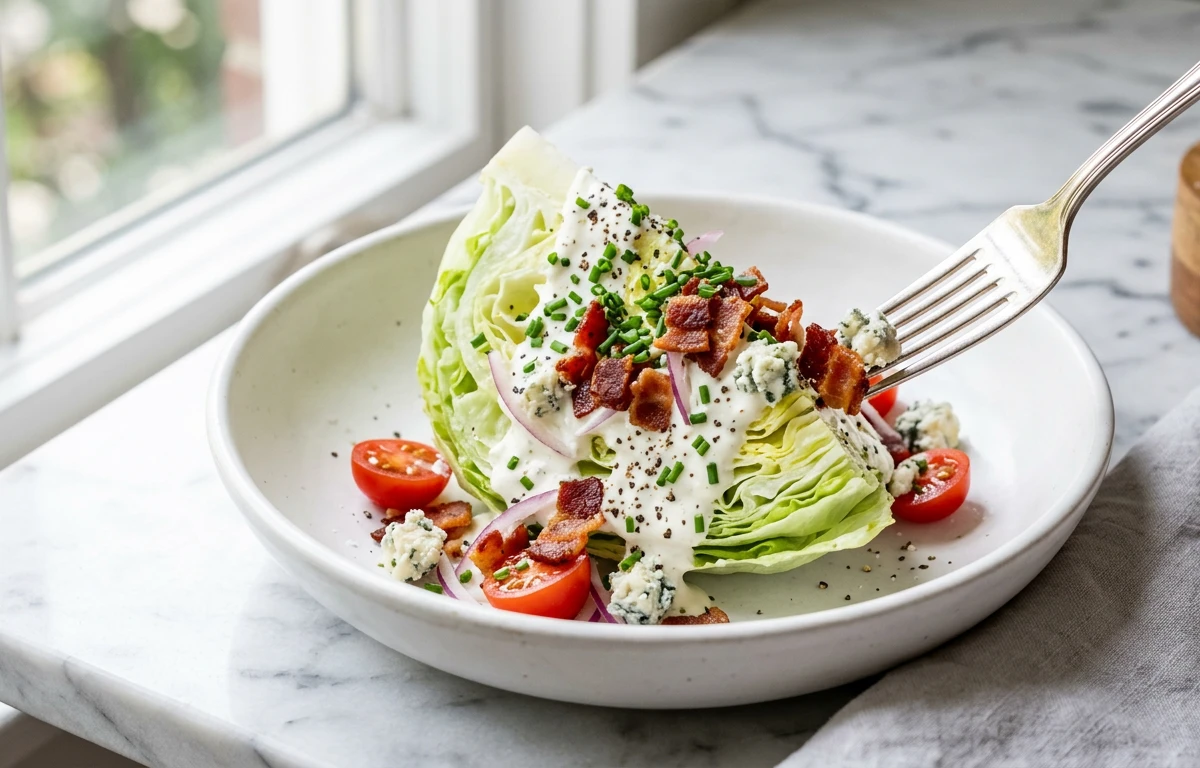
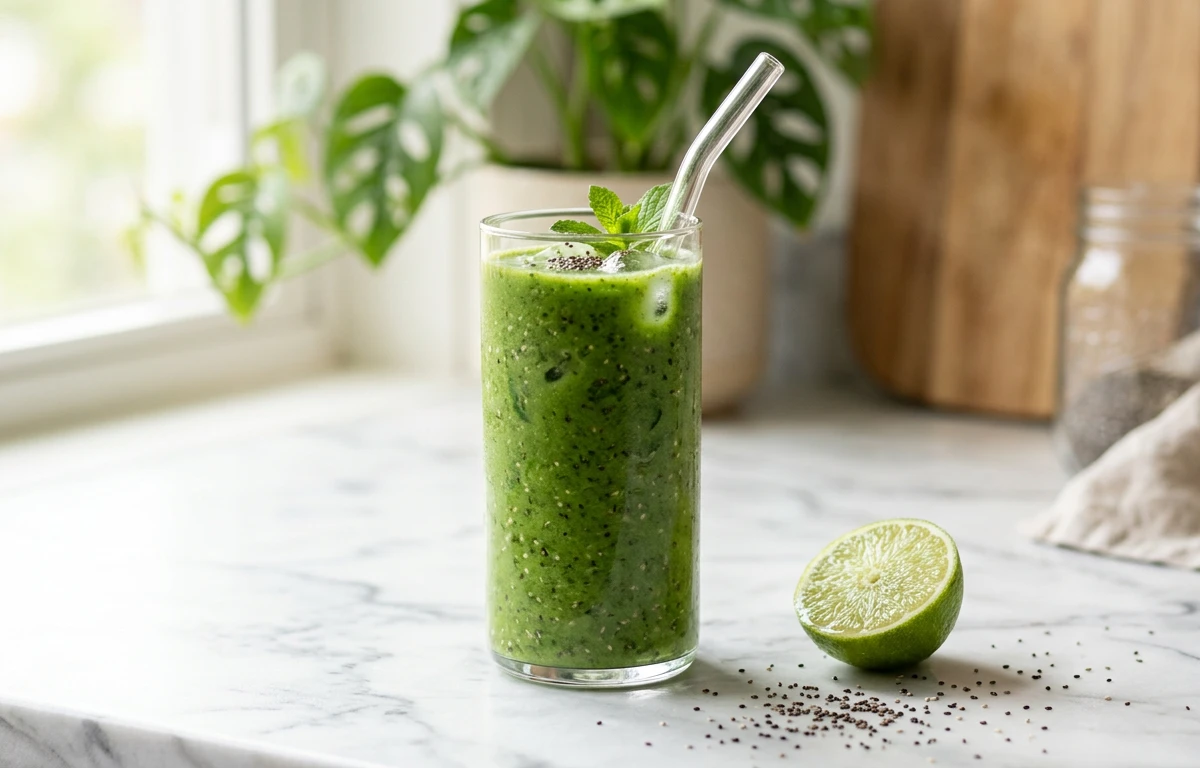
Three simple ideas that put lettuce front and center, moving it from an afterthought to the main event.
Want to build balanced meals without the guesswork?
Our meal planner helps you pair foundational foods like lettuce with the right protein and fats for a complete, satisfying meal, with macros calculated and a single grocery list ready to go.
Build my weekly plan →SOURCES & REFERENCES · 3
One more thing
Eating well is rarely about willpower. It’s about having a short list of dinners you actually want to eat. Pick two from this list. Make them next week. The rest will follow.
If you want these on autopilot, our weekly meal planner can drop the picks above into your calendar with one click and build a single grocery list from the merged ingredients.
FREQUENTLY ASKED QUESTIONS
Frequently asked questions
Is lettuce really just water with no nutritional value?
That's a common myth. While it is about 96% water, lettuce does provide nutrients. Depending on the variety, it can be a good source of Vitamin K, Vitamin A, folate, and even Vitamin C, all for very few calories.
Which type of lettuce is healthiest?
As a general rule, the darker the leaf, the more nutrient-dense it is. Romaine is a great all-around choice, packed with vitamins. Iceberg is less nutrient-dense but higher in water, making it exceptionally crisp and hydrating.
Can you eat too much lettuce?
For most people, it's very difficult to eat 'too much' lettuce. Its high volume and low calorie density mean you'd feel incredibly full long before you consumed a problematic amount. The main consideration is for people on blood thinners, who need to keep their Vitamin K intake consistent.
Does bagged lettuce have fewer nutrients?
Pre-cut, bagged lettuce can lose some of its more delicate vitamins (like Vitamin C and folate) faster than a whole head of lettuce due to increased exposure to oxygen and light. However, it's still a very healthy choice, and for many people, the convenience means they eat more salad than they would otherwise.
METHODOLOGY
How this article was created
Built using verified nutrition databases, culinary research, and traditional cooking knowledge — every claim is cross-referenced against the sources listed in the article.
· USDA data· Culinary research· Quality reviewed
Read our methodology →TRANSPARENCY
About this content
Articles are curated using trusted food databases (USDA FoodData Central, IFCT), culinary literature, and dietary guidelines, then structured by our editorial team for clarity, accuracy, and usefulness.
· Verified data sources· Culinary research· Quality reviewed
Read our editorial policy →RELATED RECIPES
Cook from this article
EXPLORE OUR MEALS
Meals that fit this article

AMERICAN · 1677 CAL
Almonds with Sliced Apple + supplement + iron

MEDITERRANEAN · 809 CAL
Greek Yogurt with Berries Almonds and Granola + supplement + iron

GENERAL_HEALTHY · 705 CAL
Banana with Peanut Butter Pregnancy + supplement + iron

MODERN · 982 CAL
Hummus with Crudits and Pita with Fresh Orange Snack + supplement + iron
TAGGED
KEEP READING