The poor potato. No other vegetable gets blamed for so much. We call it fattening, a carb-bomb, empty calories. But that's not really fair, is it? A plain potato, pulled from the earth, is a surprisingly lean food: low in calories, virtually fat-free, and loaded with vitamin C and potassium. The problem isn't the potato. It's us. It's the deep-frying, the mountain of sour cream, the butter-drenched mashes. Let's separate the spud from the stuff we do to it.
↑ The potato itself is lean and nutritious. How we prepare it makes all the difference.
The misunderstood spud
Let's get this out of the way: a potato is a starchy vegetable, not a 'bad' food. It's a staple crop that feeds billions for a reason. It's affordable, versatile, and when you look at it naked — without the frying oil or cheese — it's mostly water and complex carbohydrate, with a useful dose of nutrients.
The real story of the potato isn't about avoiding it. It's about understanding how cooking changes it. A boiled new potato, a fluffy baked potato, and a crispy french fry are three completely different foods from a metabolic perspective, even though they all started in the same sack.
IN ONE LINE
A plain potato is a low-calorie, high-satiety food with more potassium than a banana and a surprising amount of vitamin C. The health issues come from preparation, not the potato itself.
Potato nutrition facts
Here's the nutritional profile for a small, 100-gram potato (about 3.5 ounces), boiled, with its skin on. This is our baseline before we start adding things.
Two numbers jump out: the vitamin C and the potassium. We think of oranges for vitamin C, but potatoes are a significant source, especially in diets where citrus is less common. And the potassium content is huge, which is critical for blood pressure regulation.
Cooling a cooked potato after you've boiled it changes some of its starch into 'resistant starch'. This type acts more like fiber, feeding your gut bacteria and blunting the blood sugar response. Hello, healthy potato salad!
The potato's shifting glycemic index
There is no single glycemic index (GI) for 'potato'. It's a perfect example of how cooking transforms a food. Glycemic index ranks how fast a food raises blood sugar (under 55 is low, 70+ is high). A waxy new potato, boiled and eaten cold, might have a medium GI around 56. A fluffy, hot baked Russet potato can shoot up to 85 or higher — well into the 'high' range, similar to white bread. Mashing and processing raise it even further.
GLYCEMIC INDEX · POTATO vs COMMON FOODS
How you cook it changes everything
Apple
whole fruit
LOW
Boiled Potato
waxy, cooled
MEDIUM
White Bread
refined
HIGH
Baked Potato
hot, no skin
HIGH
SCALE 0–90
04590
The smart way to eat one
Enjoying potatoes healthily is easy. It's just about making a few conscious choices.
01
Boil, steam, or roast.
These methods don't add fat. If roasting, use a light touch with olive oil instead of drowning them.
02
Eat the skin.
The skin holds a good chunk of the fiber and nutrients. Just give it a good scrub first.
03
Let them cool.
Making a potato salad for later? The cooling process develops resistant starch, which lowers the overall glycemic impact.
04
Watch your toppings.
Swap butter and sour cream for Greek yogurt, chives, salsa, or a sprinkle of paprika. That's where the calories hide.
05
Pair them wisely.
Always eat potatoes with a source of protein and some non-starchy vegetables. This balances the meal and slows sugar absorption.
What potatoes are good for
01
Blood pressure management
One medium potato can provide over 15% of your daily potassium, a mineral that helps counteract sodium and relax blood vessels.
9%
K+ DV / 100g
02
Surprisingly high in Vitamin C
We don't associate potatoes with vitamin C, but they're a major source in many diets, crucial for immunity and skin health.
22%
Vit C DV / 100g
03
Excellent for satiety
Potatoes score incredibly high on the 'Satiety Index'. A simple boiled potato is one of the most filling foods you can eat, per calorie.
77
cals / 100g
04
A gut-friendly prebiotic
When cooled, potatoes develop resistant starch, which isn't digested. Instead, it feeds beneficial gut bacteria, supporting a healthy microbiome.
Cooled
potatoes
What to pair potato with
A potato is a canvas. Pairing it with protein and healthy fats makes it a complete, balanced meal.
Eat freely — or be mindful?
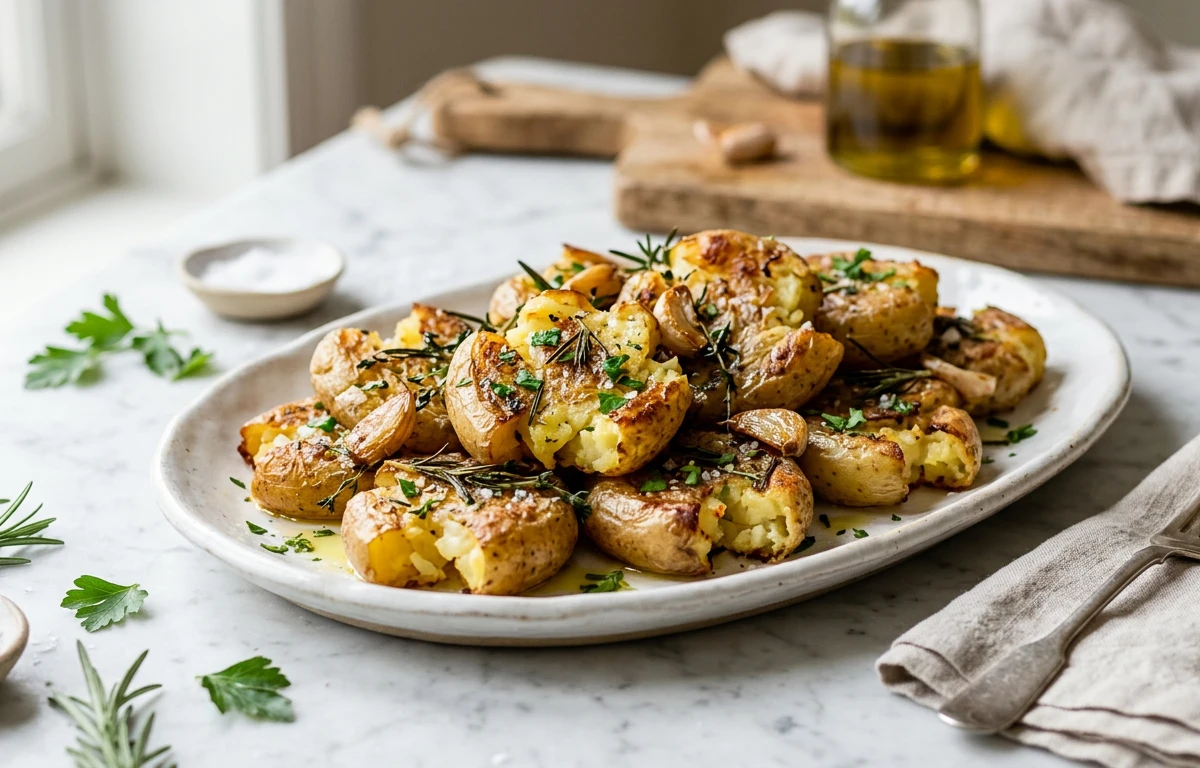
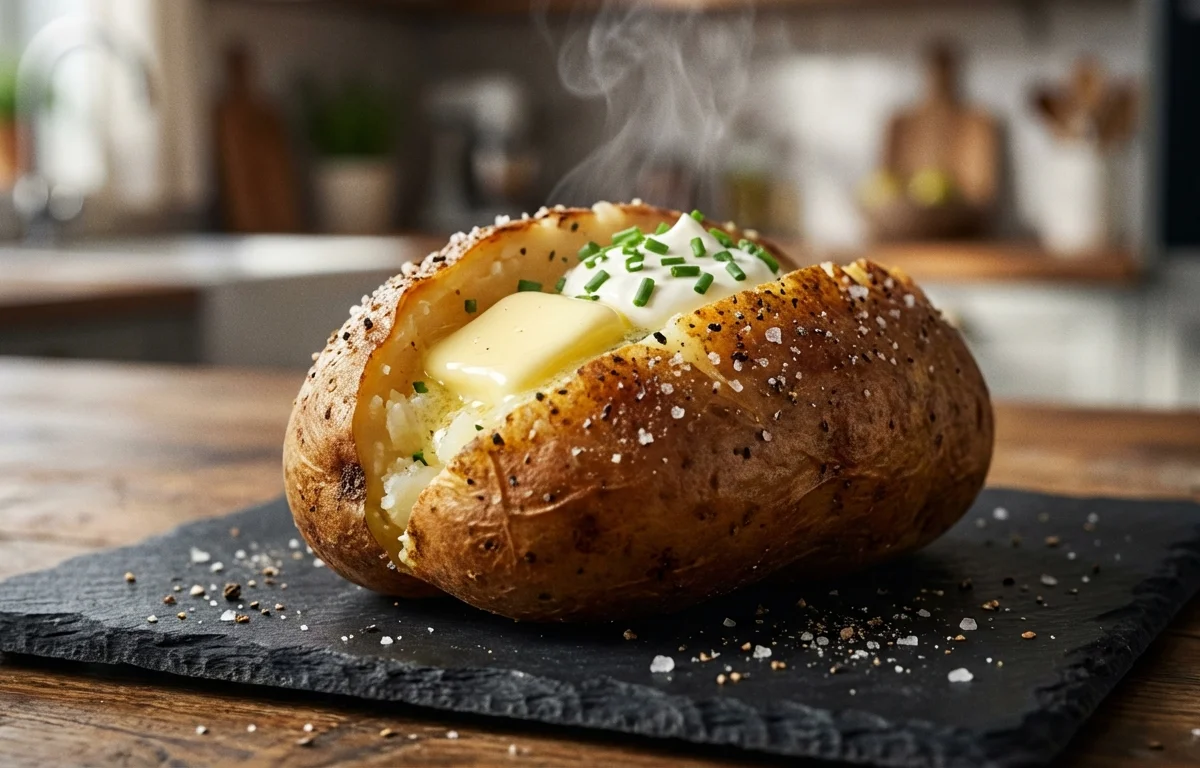
Three ways with potatoes
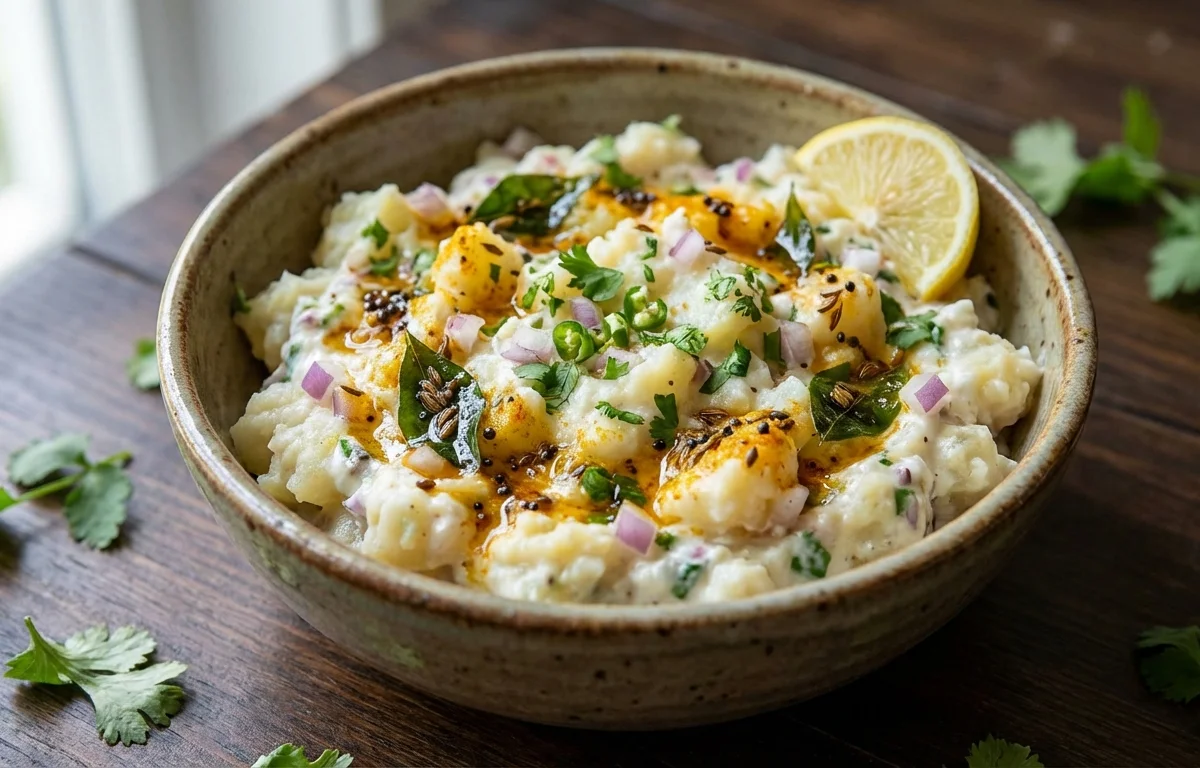
Three simple recipes that celebrate the potato in its healthier forms.
Want carbs worked into a balanced week — without the guesswork?
Our meal planner intelligently pairs starchy vegetables like potatoes with lean protein, healthy fats, and fiber to ensure a balanced, low-GI meal. Get your macros calculated and a single grocery list for the week.
Build my weekly plan →SOURCES & REFERENCES · 3
One more thing
Eating well is rarely about willpower. It’s about having a short list of dinners you actually want to eat. Pick two from this list. Make them next week. The rest will follow.
If you want these on autopilot, our weekly meal planner can drop the picks above into your calendar with one click and build a single grocery list from the merged ingredients.
FREQUENTLY ASKED QUESTIONS
Frequently asked questions
Are potatoes fattening?
No. A plain potato is a low-calorie, fat-free food that's very filling. Weight gain associated with potatoes usually comes from the high-calorie additions like frying oil, butter, and cheese, or from eating very large portions.
Are sweet potatoes healthier than white potatoes?
They're just different. Sweet potatoes are higher in vitamin A and have a slightly lower glycemic index. White potatoes are higher in potassium. Both can be part of a healthy diet. The cooking method is far more important than the color.
Can people with diabetes eat potatoes?
Yes, but with care. Portion size is key. Choosing waxy, boiled potatoes and eating them cooled (as in a salad) can help manage the blood sugar response. A fluffy baked potato or mash will have a much bigger impact. It's best to pair them with protein and fat and discuss with a healthcare provider.
Do I have to eat the skin?
You don't have to, but it's a good idea! The skin contains a high concentration of fiber, potassium, and other nutrients. Just be sure to scrub the potato well before cooking.
METHODOLOGY
How this article was created
Built using verified nutrition databases, culinary research, and traditional cooking knowledge — every claim is cross-referenced against the sources listed in the article.
· USDA data· Culinary research· Quality reviewed
Read our methodology →TRANSPARENCY
About this content
Articles are curated using trusted food databases (USDA FoodData Central, IFCT), culinary literature, and dietary guidelines, then structured by our editorial team for clarity, accuracy, and usefulness.
· Verified data sources· Culinary research· Quality reviewed
Read our editorial policy →RELATED RECIPES
Cook from this article
EXPLORE OUR MEALS
Meals that fit this article

AMERICAN · 1677 CAL
Almonds with Sliced Apple + supplement + iron

MEDITERRANEAN · 809 CAL
Greek Yogurt with Berries Almonds and Granola + supplement + iron

GENERAL_HEALTHY · 705 CAL
Banana with Peanut Butter Pregnancy + supplement + iron
MODERN · 982 CAL
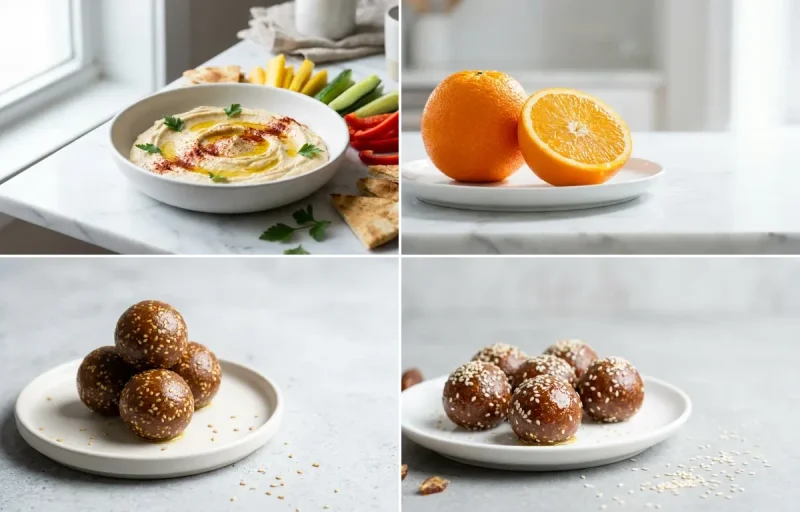
Hummus with Crudits and Pita with Fresh Orange Snack + supplement + iron
TAGGED
KEEP READING