Onion: Quercetin, Prebiotics, Glycemic Index & How to Use Them: verified nutrition facts, glycemic context, serving guidance, and practical cooking ideas.
↑ The onion is the foundation of flavor — and a health food in its own right.
The forgotten vegetable
Onions are in almost everything savory, but we rarely treat them like a vegetable. They're just... the onion. We sweat them, caramelize them, or dice them raw for a bit of bite, usually as a base for something more exciting. But what if the onion is the exciting part?
They're incredibly low in calories and carbohydrates, but they're a fantastic source of prebiotic fibre—the type that feeds your good gut bacteria. They are also one of the richest dietary sources of a flavonoid called quercetin, a powerful antioxidant that science is getting very interested in.
IN ONE LINE
A medium onion is low-calorie, low-carb, and a great source of prebiotic fiber and the antioxidant quercetin. It's a health food we mistake for a simple flavoring.
Onion nutrition facts
Here's the nutritional breakdown for one medium onion, which is about 100 grams (or roughly 3.5 ounces).
The numbers are modest, which is what you'd expect from a low-calorie vegetable. But the important story isn't in the vitamin percentages; it's in the types of fiber and the unique plant compounds like quercetin and other sulfur compounds, which don't show up on a standard nutrition label.
Cooking onions doesn't destroy their benefits. In fact, slow cooking can increase the bioavailability of quercetin, making it easier for your body to absorb.
Onion's glycemic index
You'll struggle to find an official glycemic index (GI) for onions, and there's a good reason for that. To measure GI, you need to eat enough of a food to get 50 grams of available carbohydrates. For onions, you'd need to eat about 5 or 6 whole onions in one sitting. Nobody does that.
Functionally, the onion has a very, very low GI. With only a few grams of carbs, plenty of fiber, and a high water content, its effect on your blood sugar is practically zero. It's one of the best vegetables for adding flavor without adding any glycemic load, which is great news for anyone managing blood sugar.
GLYCEMIC INDEX · ONION vs COMMON FOODS
Onion's blood sugar impact is negligible
Onion
non-starchy veg
LOW
Apple
whole fruit
LOW
Pineapple
whole fruit
MEDIUM
White Bread
refined
HIGH
SCALE 0–90
04590
The smart way to use them
Onions are versatile, but how you use them can change their character and who they're best for.
01
Go raw for pungency.
Sliced thin in salads, salsas, or on sandwiches, raw onion provides the sharpest flavour and maximum sulfur compounds. Red onions are typically milder and best for this.
02
Sauté for a sweet base.
Gently cooking onions in a little oil breaks them down and releases their natural sugars. This is the foundation for countless soups, stews, and sauces.
03
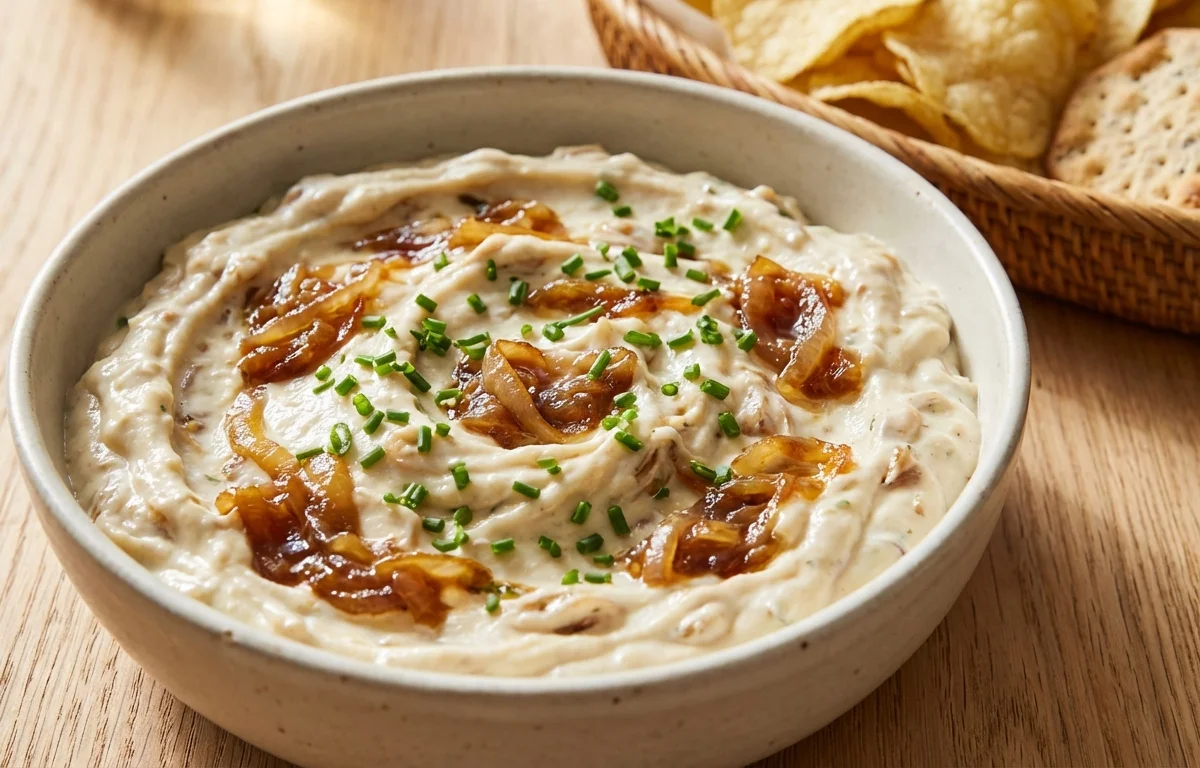
Caramelize for depth.
Slow, low cooking for 30-60 minutes transforms onions into a sweet, jammy condiment. This deepens the flavour and makes quercetin more available.
04
Roast for mellowness.
Tossing onion wedges with other vegetables to roast makes them sweet and tender. The high heat brings out their sweetness without the need for constant stirring.
05
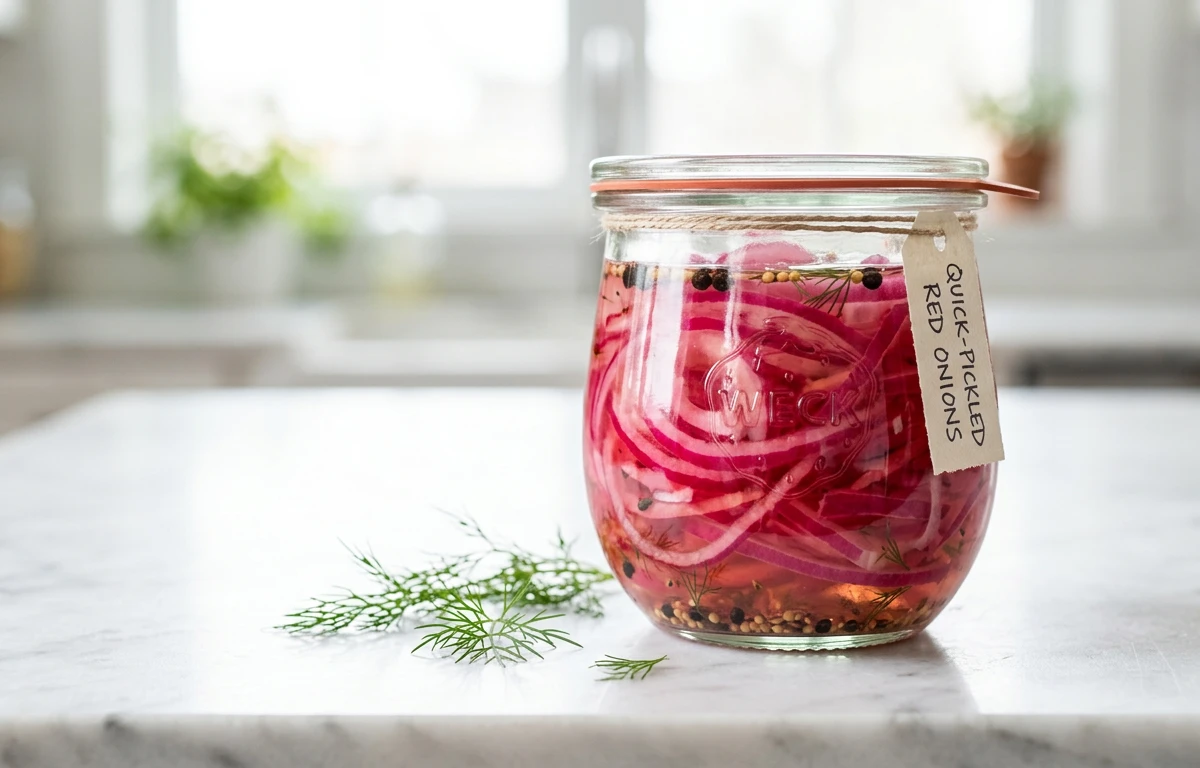
Pickle for a tangy crunch.
Quick-pickled red onions are a game-changer for tacos, bowls, and sandwiches. The vinegar cuts the raw bite and adds a bright, acidic note.
What onions are good for
01
Feeds your gut microbiome
Onions are rich in fructans, a type of prebiotic fiber. Your gut bacteria ferment these fibers, producing short-chain fatty acids that nourish your colon cells.
Prebiotic
Fructans
02
Rich in the antioxidant Quercetin
Onions, especially red ones, are one of the best dietary sources of quercetin, a flavonoid linked to anti-inflammatory effects, heart health, and immune support.
High
Quercetin
03
Supports heart health
The quercetin in onions may help reduce high blood pressure, while the sulfur compounds can help lower cholesterol. They are also naturally free of fat and sodium.
0mg
Sodium
04
Helps control blood sugar
With a negligible glycemic impact and specific compounds that may improve insulin sensitivity, onions are an excellent vegetable for blood sugar management.
Low GI
Diabetes-friendly
What to pair onions with
This feels like a trick question—what don't onions pair with? They're the ultimate team player. Here are a few classic combinations.
Eat freely — or be mindful?
Three ways to eat them
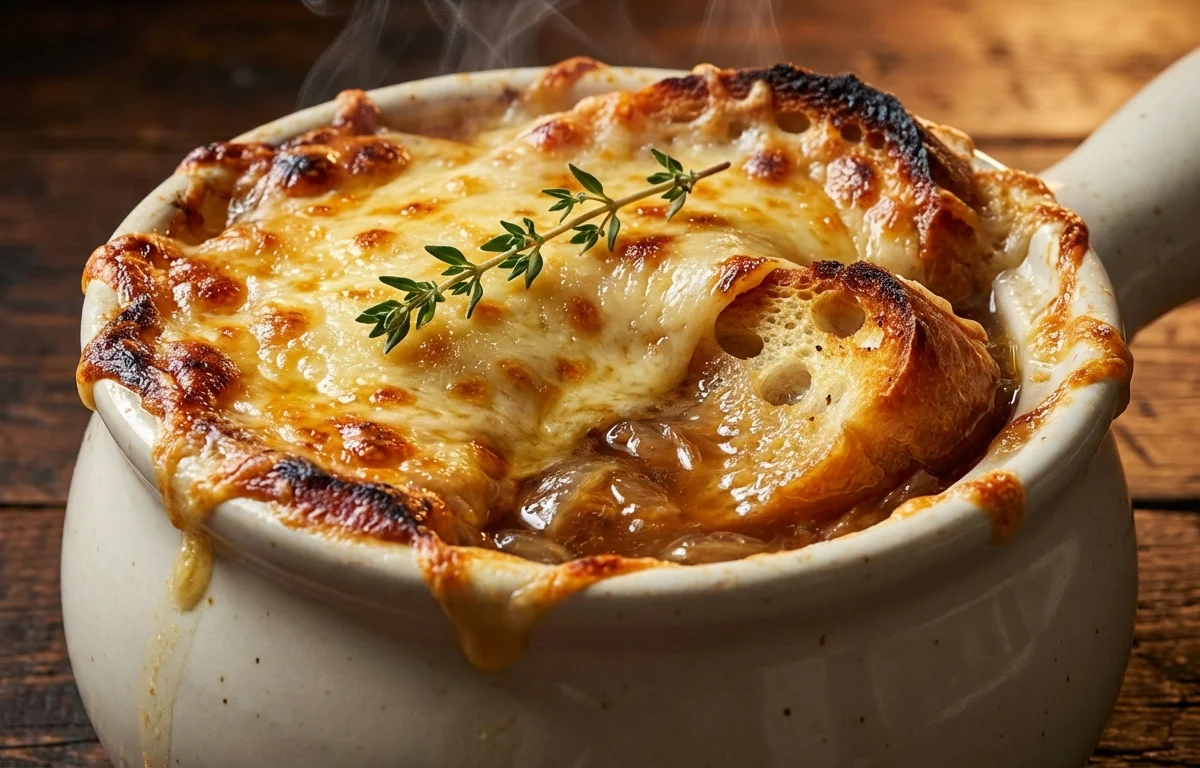
Move beyond just dicing. Here are three recipes where the onion gets to be the star.
Want to build meals on a healthy foundation?
Our meal planner uses flavor-building blocks like onions to create satisfying, low-calorie meals that don't skimp on taste. Get a plan that works for your health goals, with one simple grocery list.
Build my weekly plan →SOURCES & REFERENCES · 3
One more thing
Eating well is rarely about willpower. It’s about having a short list of dinners you actually want to eat. Pick two from this list. Make them next week. The rest will follow.
If you want these on autopilot, our weekly meal planner can drop the picks above into your calendar with one click and build a single grocery list from the merged ingredients.
FREQUENTLY ASKED QUESTIONS
Frequently asked questions
Are onions good for people with diabetes?
Yes, onions are excellent for people with diabetes. They are very low in carbohydrates and have a negligible effect on blood sugar, making them a great way to add flavor to meals without worrying about glucose spikes.
Are onions good for gut health?
It's complicated. For most people, yes — the prebiotic fiber in onions is fantastic for feeding beneficial gut bacteria. However, for people with Irritable Bowel Syndrome (IBS), that same fiber (fructans) can cause significant bloating, gas, and discomfort. If you have IBS, you may need to limit or avoid onions.
Are raw or cooked onions healthier?
Both are healthy, but they offer slightly different benefits. Raw onions have higher levels of sulfur compounds. Cooked onions, especially when slow-cooked, make the antioxidant quercetin more available for your body to absorb. The best approach is to eat them both ways.
Do onions make you cry because they're spicy?
No, the crying is caused by a chemical reaction. When you cut an onion, you break its cells and release enzymes that react to create a sulfur gas (syn-propanethial-S-oxide). When this gas hits your eyes, it creates a mild acid that your tear ducts try to wash away.
METHODOLOGY
How this article was created
Built using verified nutrition databases, culinary research, and traditional cooking knowledge — every claim is cross-referenced against the sources listed in the article.
· USDA data· Culinary research· Quality reviewed
Read our methodology →TRANSPARENCY
About this content
Articles are curated using trusted food databases (USDA FoodData Central, IFCT), culinary literature, and dietary guidelines, then structured by our editorial team for clarity, accuracy, and usefulness.
· Verified data sources· Culinary research· Quality reviewed
Read our editorial policy →RELATED RECIPES
Cook from this article
EXPLORE OUR MEALS
Meals that fit this article

AMERICAN · 1677 CAL
Almonds with Sliced Apple + supplement + iron

MEDITERRANEAN · 809 CAL
Greek Yogurt with Berries Almonds and Granola + supplement + iron

GENERAL_HEALTHY · 705 CAL
Banana with Peanut Butter Pregnancy + supplement + iron

MODERN · 982 CAL
Hummus with Crudits and Pita with Fresh Orange Snack + supplement + iron
TAGGED
KEEP READING