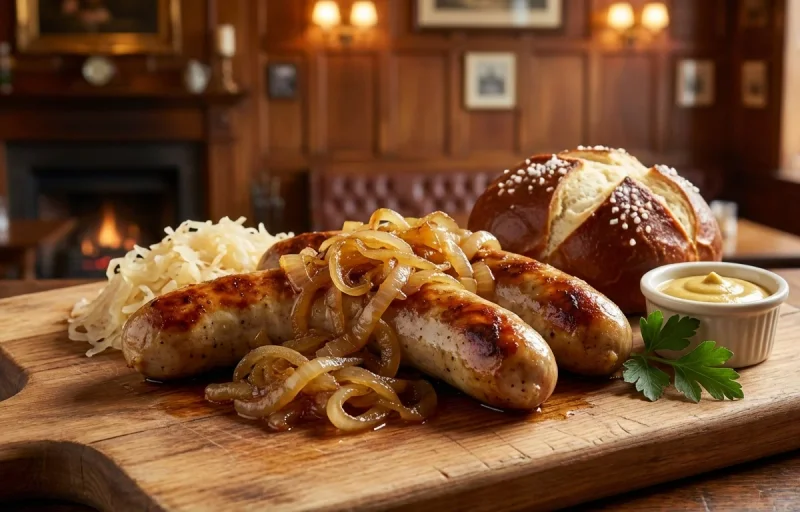
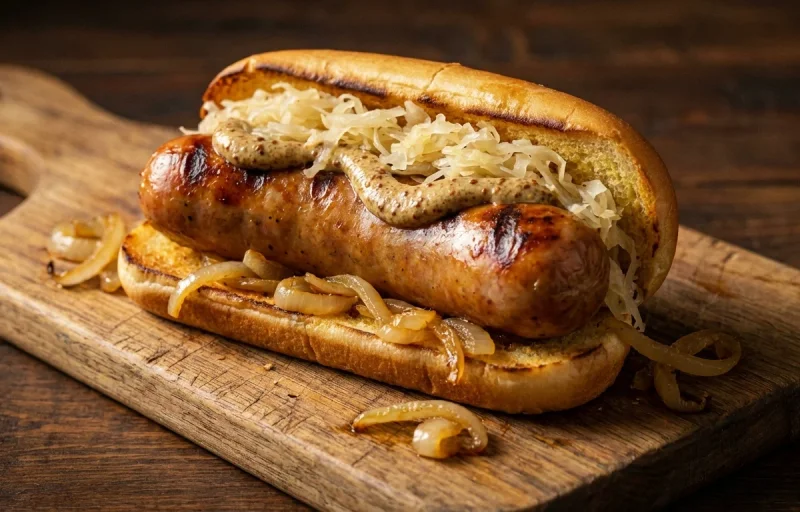
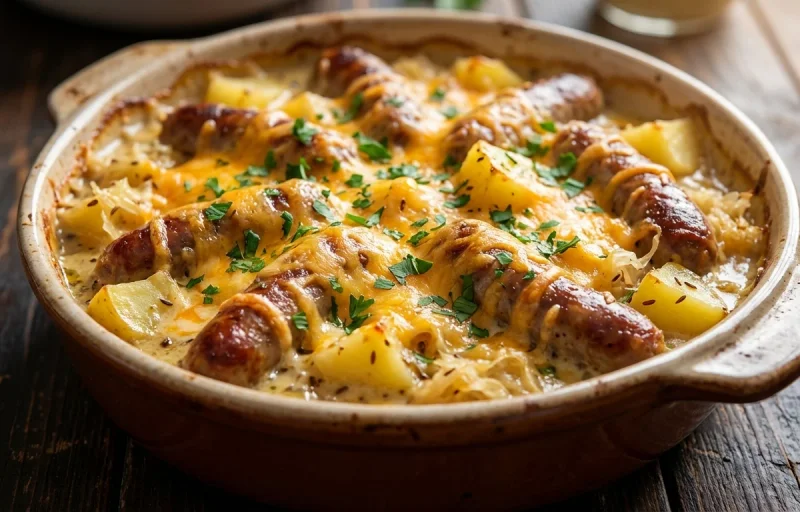
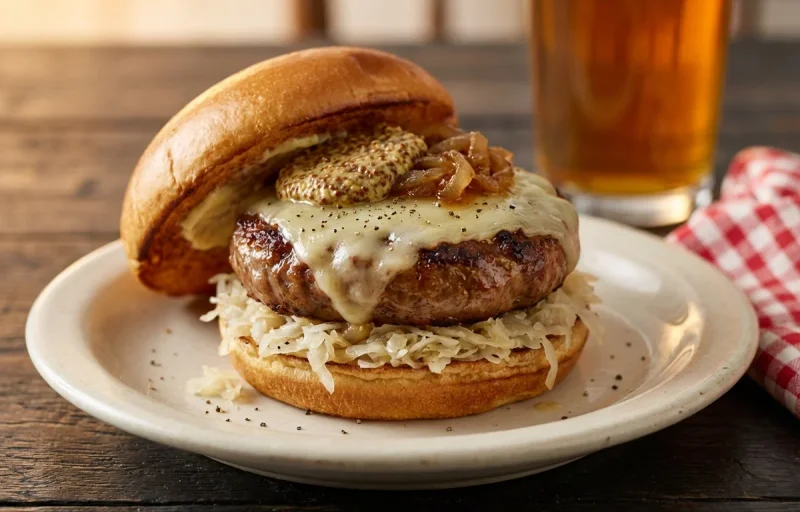
Other4 recipes
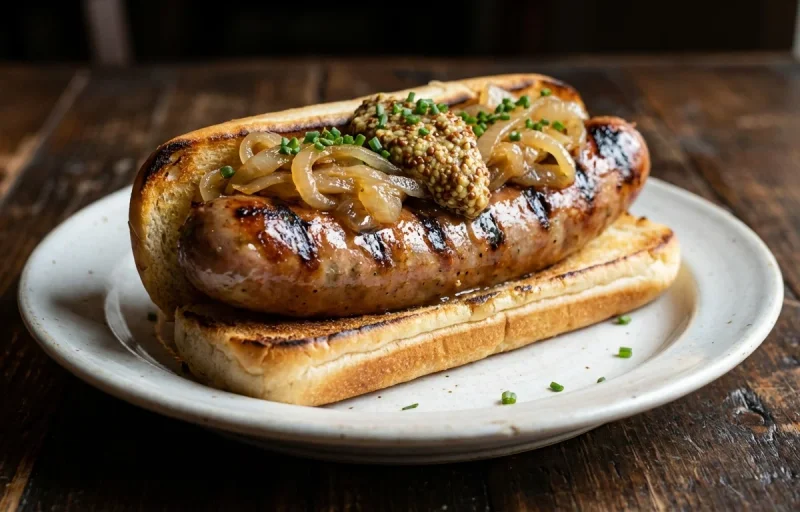
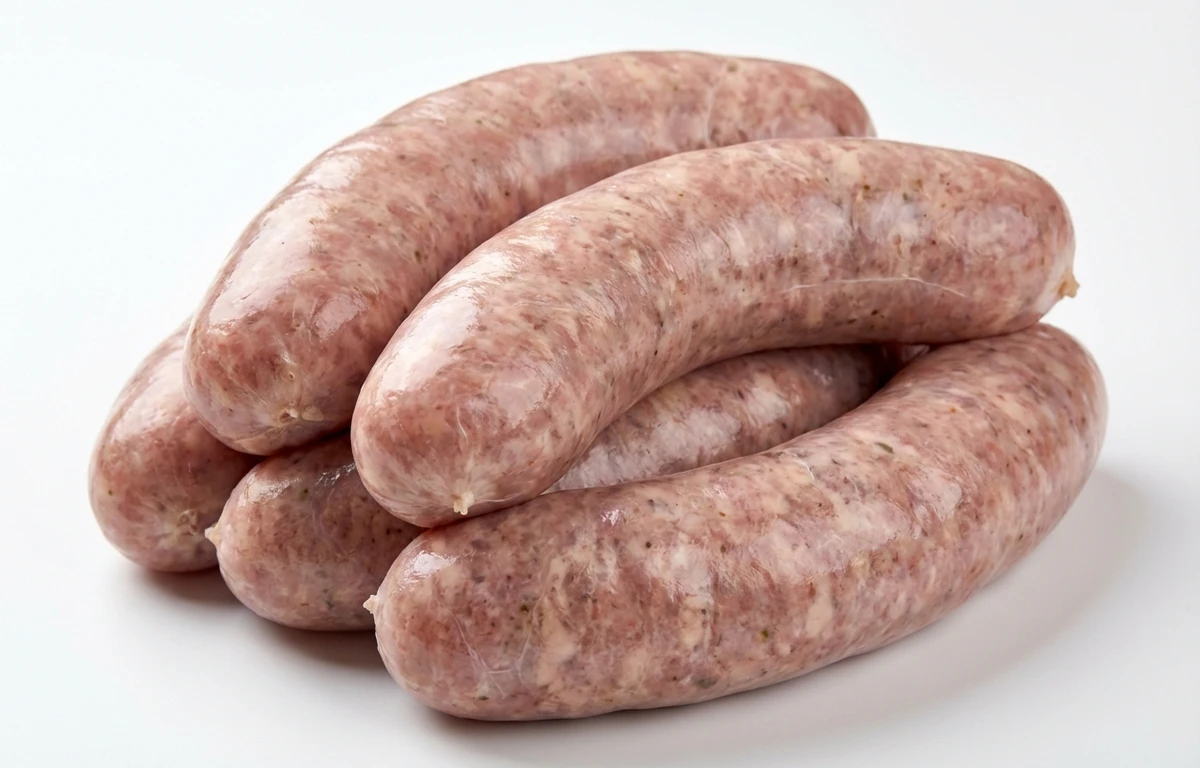
bratwurst.
VegetarianVeganGluten-freeDairy-freeNut-freePeanut-freeSoy-freeEgg-freeShellfish-freeHoney-freeAlcohol-freeHalalKosher
ALSO KNOWN AS
bratsgerman sausage
SERVING
CALORIES
297
PROTEIN
14g
CARBS
2.1g
FAT
25.5g
FIBER
0g
Per 100 g, it provides 0 µg of vitamin K.
NUTRITION PROFILE · per 100 g
Everything in this ingredient.
MACRONUTRIENTS
Calories297kcal—
Protein14g28%
Carbohydrates2.1g1%
Fiber0g0%
Sugar1.1g2%
Total fat25.5g33%
Saturated fat9.2g46%
Trans fat0g—
Cholesterol62mg21%
Water55.4g—
MINERALS
Sodium848mg37%
Potassium212mg5%
Calcium16mg1%
Iron1.1mg6%
Magnesium14mg3%
Phosphorus158mg13%
Zinc2.1mg19%
Copper0.08mg9%
Manganese0.02mg1%
Selenium15.3µg28%
VITAMINS
Vitamin A0µg0%
Vitamin C0mg0%
Vitamin D0.50µg3%
Vitamin E0.20mg1%
Vitamin K0µg0%
Thiamin (B1)0.42mg35%
Riboflavin (B2)0.18mg14%
Niacin (B3)3.6mg23%
Pantothenic acid (B5)0.55mg11%
Vitamin B60.22mg13%
Folate (B9)2.0µg1%
Vitamin B121.1µg46%
%DV based on a 2,000 cal diet. Source: USDA FoodData Central. A dash in the %DV column means there’s no established Daily Value for that nutrient.
MEASUREMENT CONVERSIONS
How much is what.
1 cup225g
1 oz28.4g
1 lb453.6g
1 ml1.1g
1 liter1050g
1 piece85g
HEALTH BENEFITS
Why eat it.
- ✓High quality complete protein source
- ✓Rich in Vitamin B12 for nerve health
- ✓Good source of Thiamine (B1) for energy metabolism
- ✓Provides essential minerals like Zinc and Selenium
COOKING TIPS
In the kitchen.
- 1Parboil in water or beer before grilling to ensure the center is cooked without burning the casing
- 2Avoid piercing the casing with a fork while cooking to prevent flavorful juices from escaping
- 3Cook until the internal temperature reaches 160°F (71°C) for safety and optimal texture
STORAGE
Keep it fresh.
- Store raw bratwurst in the coldest part of the refrigerator for 1-2 days
- Freeze in airtight packaging for up to 2-3 months for best quality
- Keep cooked leftovers refrigerated and consume within 3-4 days
FAQ
Frequently asked questions.
How long does raw bratwurst last in the fridge?
Raw bratwurst is highly perishable and should be cooked or frozen within 1 to 2 days of purchase.
Does bratwurst contain gluten?
Most commercial bratwursts contain gluten because breadcrumbs or flour are used as binders. Always check the label for gluten-free certification.
What is the best way to tell if bratwurst is cooked?
The most reliable method is using a meat thermometer; it should reach an internal temperature of 160°F (71°C).
What can I substitute for bratwurst?
Knockwurst, Italian sausage, or Polish kielbasa are excellent substitutes depending on the flavor profile of your dish.
Is bratwurst made of pork or beef?
Traditional bratwurst is most commonly made from pork, though it often contains a mixture of pork and veal or beef.
How do I pick high-quality bratwurst?
Look for sausages that are firm to the touch, have a pale pink color, and show no signs of graying or sliminess.
Why is my bratwurst dry after cooking?
Dryness usually occurs from overcooking or piercing the casing, which allows the fat and moisture to leak out during the cooking process.
Is bratwurst considered a processed meat?
Yes, because it is ground, seasoned, and encased, it is classified as a processed meat and is typically high in sodium.
RECIPES
Cook with bratwurst.
4 recipes · sorted by what’s quick