
Protein10 recipes
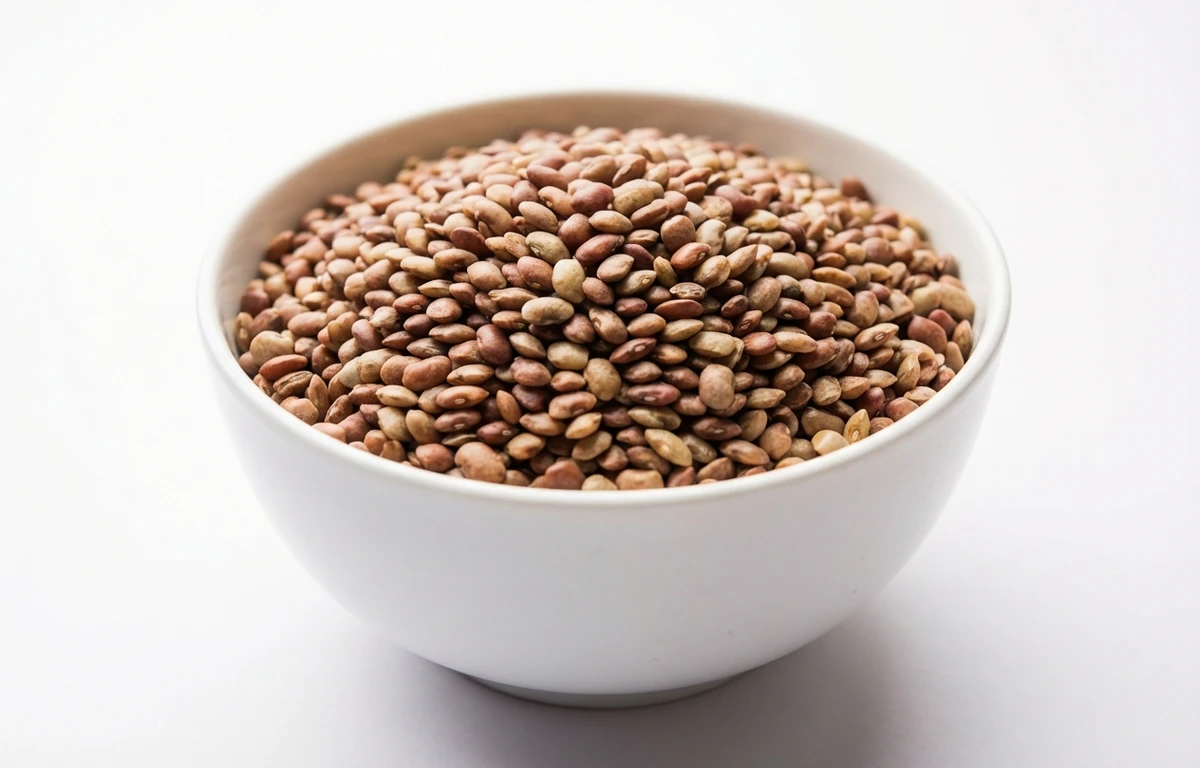
horse gram.
VegetarianVeganGluten-freeDairy-freeNut-freePeanut-freeSoy-freeEgg-freeShellfish-freeHoney-freeAlcohol-free
ALSO KNOWN AS
whole horse gramkulthigahat
SERVING
CALORIES
321
PROTEIN
22g
CARBS
57g
FAT
0.50g
FIBER
5.0g
NUTRITION PROFILE · per 100 g
Everything in this ingredient.
MACRONUTRIENTS
Calories321kcal—
Protein22g44%
Carbohydrates57g21%
Fiber5.0g18%
Sugar1.5g3%
Total fat0.50g1%
Saturated fat0.10g1%
Trans fat0g—
Cholesterol0mg0%
Water10g—
MINERALS
Sodium12mg1%
Potassium1150mg24%
Calcium287mg22%
Iron7.0mg39%
Magnesium150mg36%
Phosphorus311mg25%
Zinc3.5mg32%
Copper1.2mg133%
Manganese1.8mg78%
Selenium8.0µg15%
VITAMINS
Vitamin A0µg0%
Vitamin C1.0mg1%
Vitamin D0µg0%
Vitamin E0.50mg3%
Vitamin K5.0µg4%
Thiamin (B1)0.40mg33%
Riboflavin (B2)0.20mg15%
Niacin (B3)1.5mg9%
Pantothenic acid (B5)0.60mg12%
Vitamin B60.30mg18%
Folate (B9)440µg110%
Vitamin B120µg0%
%DV based on a 2,000 cal diet. Source: USDA FoodData Central. A dash in the %DV column means there’s no established Daily Value for that nutrient.
MEASUREMENT CONVERSIONS
How much is what.
1 cup200g
1 tablespoon15g
1 teaspoon5g
1 ml0.9g
1 liter1000g
HEALTH BENEFITS
Why eat it.
- ✓Excellent source of plant-based protein, dietary fiber, and iron, which supports muscle maintenance, digestive health, and prevention of anemia.
- ✓Rich in phenolic compounds, flavonoids, and saponins, which provide strong antioxidant and anti-inflammatory effects.
- ✓Has a low glycemic index, making it beneficial for managing blood sugar levels and suitable for diabetic diets.
- ✓Traditionally used in Ayurvedic medicine to help manage kidney stones and urinary tract issues due to its diuretic properties.
- ✓Contributes to weight management by promoting satiety and being low in fat and calories.
COOKING TIPS
In the kitchen.
- 1Due to its hard texture, it is essential to soak horse gram for at least 6-8 hours or overnight before cooking to soften it and reduce cooking time.
- 2Pressure cooking is the most effective method to cook horse gram until tender; it typically requires 7-10 whistles.
- 3Roasting the grams before soaking and cooking can enhance their nutty and earthy flavor.
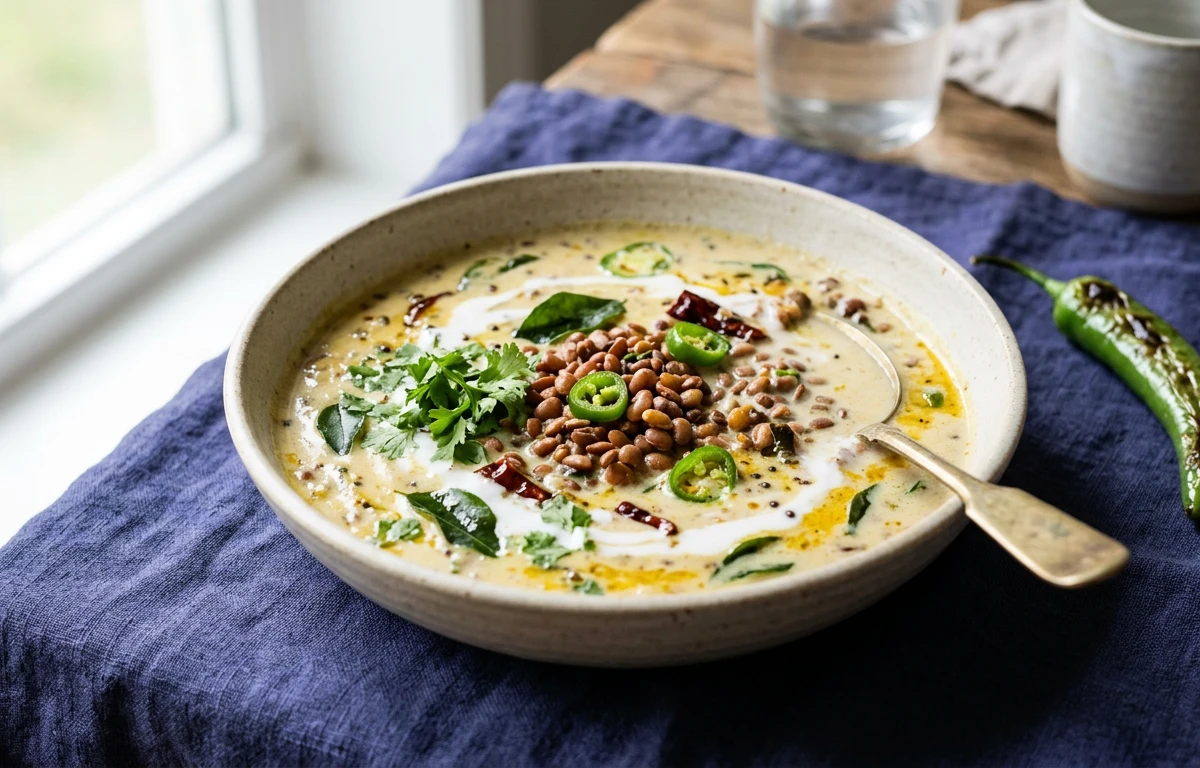
- 4Horse gram is commonly used in South Indian cuisine to make soups (rasam), stews (kollu poriyal), and powders for seasoning.
STORAGE
Keep it fresh.
- Store dried horse gram in a cool, dark, and dry place in an airtight container to prevent moisture and pest infestation.
- When stored properly, it can last for up to a year, but it is best consumed within six months for optimal freshness and cooking quality.
FAQ
Frequently asked questions.
Is horse gram healthy?
Yes, horse gram is highly nutritious. It's an excellent source of plant-based protein, dietary fiber, and iron, supporting muscle maintenance, digestive health, and preventing anemia. It also contains powerful antioxidants and has a low glycemic index, making it beneficial for overall well-being.
What are the nutritional values of horse gram?
Per 100g, horse gram provides approximately 321 calories, 22g of protein, 57g of carbohydrates, and only 0.5g of fat. It's particularly rich in protein and fiber, making it a very filling and energy-sustaining legume.
Is horse gram good for weight loss?
Yes, horse gram can be beneficial for weight management. Its high protein and fiber content promote satiety, helping you feel full longer and reducing overall calorie intake. Additionally, it is low in fat and calories, making it a good choice for a weight-conscious diet.
Is horse gram gluten-free?
Yes, horse gram is naturally gluten-free. As a legume, it does not contain gluten, making it a safe and nutritious option for individuals with celiac disease or gluten sensitivity.
Can diabetics eat horse gram?
Yes, horse gram is suitable for diabetics. It has a low glycemic index, which means it causes a slower and more gradual rise in blood sugar levels compared to high-GI foods. Its fiber content also helps in managing blood glucose.
Is horse gram vegan?
Yes, horse gram is 100% vegan. It is a plant-based legume, making it an excellent source of protein and other nutrients for those following a vegan diet.
How do you cook horse gram?
Horse gram typically requires soaking overnight to reduce cooking time and improve digestibility. After soaking, it can be pressure cooked until tender, then used in dals, soups, curries, or sprouted for salads. It has a robust flavor that stands up well to spices.
What does horse gram taste like?
Horse gram has a distinct earthy, slightly nutty, and robust flavor. It's more assertive than other common lentils and beans, which makes it a great ingredient for hearty, flavorful dishes, especially in South Indian cuisine.
How should I store horse gram?
Store dried horse gram in an airtight container in a cool, dry, and dark place, away from direct sunlight and moisture. Properly stored, it can last for up to a year or even longer. Cooked horse gram should be refrigerated and consumed within 3-4 days.
Does horse gram help with kidney stones?
Horse gram has been traditionally used in Ayurvedic medicine for its potential to help manage kidney stones and urinary tract issues. It is believed to possess diuretic properties, which may aid in flushing out toxins. However, always consult a healthcare professional for medical advice regarding kidney stones.
RECIPES
Cook with horse gram.
10 recipes · sorted by what’s quick
.webp)
.webp)
.webp)
.webp)




















