traditional ingredient4 recipes
Khar.
VegetarianVeganGluten-freeDairy-freeNut-freePeanut-freeSoy-freeEgg-freeShellfish-freeHoney-freeAlcohol-free
ALSO KNOWN AS
KharBanana Peel Ash ExtractAssamese KharKolakharBhim Kol KharKola Khar
SERVING
CALORIES
0
PROTEIN
0g
CARBS
0g
FAT
0g
FIBER
0g
NUTRITION PROFILE · per 100 g
Everything in this ingredient.
MACRONUTRIENTS
Calories0kcal—
Protein0g0%
Carbohydrates0g0%
Fiber0g0%
Sugar0g0%
Total fat0g0%
Saturated fat0g0%
Cholesterol0mg0%
MINERALS
Sodium1800mg78%
Potassium15000mg319%
Calcium500mg38%
Iron10mg56%
Magnesium300mg71%
Phosphorus200mg16%
Zinc2.0mg18%
Copper0.50mg56%
Manganese1.0mg43%
%DV based on a 2,000 cal diet. Source: USDA FoodData Central. A dash in the %DV column means there’s no established Daily Value for that nutrient.
MEASUREMENT CONVERSIONS
How much is what.
1 cup0.6g
1 tablespoon9.5g
1 teaspoon28.6g
1 oz3.5g
1 lb0.2g
1 ml142.9g
1 liter0.1g
HEALTH BENEFITS
Why eat it.
- ✓Aids digestion and helps neutralize acidity.
- ✓Traditional remedy for stomach ailments.
- ✓Rich in potassium due to its plant ash origin.
COOKING TIPS
In the kitchen.
- 1Used as an alkaline agent in Assamese cuisine to tenderize ingredients.
- 2Adds a unique, earthy flavor to dishes, particularly in 'Khar' preparations.
- 3Typically used in small quantities, often diluted in water before adding to food.
STORAGE
Keep it fresh.
- Store in an airtight container to prevent moisture absorption.
- Keep in a cool, dry place away from direct sunlight.
- Ensure it is sealed properly to maintain potency.
FAQ
Frequently asked questions.
What is Khar and how is it made?
Khar is a traditional liquid ingredient from Assam, India, made by filtering water through the ashes of sun-dried banana peels or trunks. This process creates a highly alkaline solution that is used as a key flavoring and tenderizing agent in Assamese cuisine.
Is Khar healthy?
Yes, Khar is considered healthy as it acts as a natural digestive aid and helps cleanse the stomach. It is rich in potassium due to its plant-ash origin and contains zero calories, fat, or carbohydrates, making it a light addition to meals.
How does Khar help with digestion and acidity?
Because Khar is alkaline, it helps neutralize excess stomach acid and can soothe various stomach ailments. It is traditionally consumed at the beginning of a meal to prepare the digestive system and prevent bloating.
Is Khar vegan and gluten-free?
Yes, Khar is naturally vegan and gluten-free. It is made entirely from plant-based ash and water, containing no animal products or grain derivatives, making it suitable for most restrictive diets.
What does Khar taste like?
Khar has a very distinct, slightly smoky, and alkaline flavor profile. It provides a unique 'soapy' or slippery texture to dishes and enhances the natural flavors of the vegetables or proteins it is cooked with.
How do you use Khar in cooking?
Khar is typically added to the cooking pot at the beginning of the process with ingredients like raw papaya, pulses, or fish. It helps soften tough vegetables and creates a specific consistency that is traditionally served as a starter with steamed rice.
Can I substitute Khar with something else?
If traditional Khar is unavailable, a small pinch of baking soda (sodium bicarbonate) can be used as a substitute to achieve a similar alkaline effect. However, baking soda will not provide the same smoky aroma or the specific potassium-rich profile of authentic banana-peel Khar.
Is Khar keto-friendly?
Yes, Khar is perfectly keto-friendly. Since it contains zero carbohydrates, zero sugars, and zero calories, it can be included in ketogenic and other low-carb diets without any impact on macronutrient goals.
How should Khar be stored and how long does it last?
Khar should be stored in a clean glass or food-grade plastic bottle in a cool, dark place. When kept away from direct sunlight and contaminants, it can remain shelf-stable and effective for several months.
Are there any ingredients I should not mix with Khar?
You should avoid mixing Khar with acidic ingredients like lemon juice, tamarind, or vinegar in the same dish. The acid will react with the alkaline Khar, neutralizing its digestive benefits and altering the intended flavor and texture of the dish.
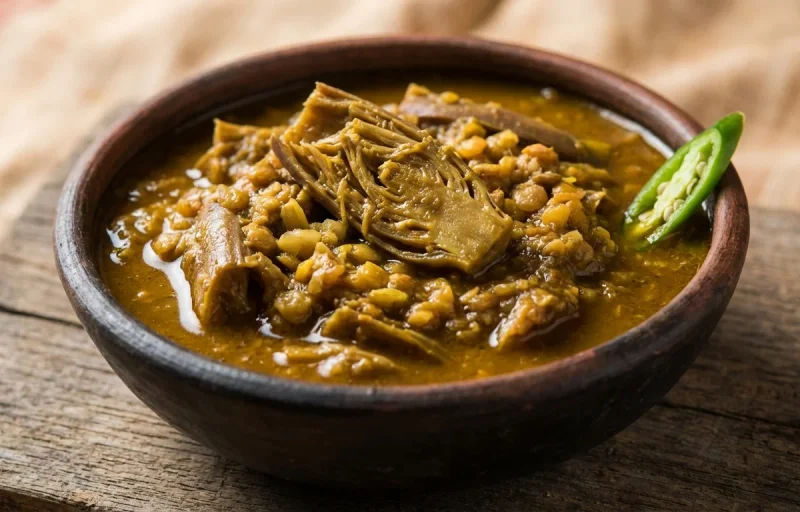
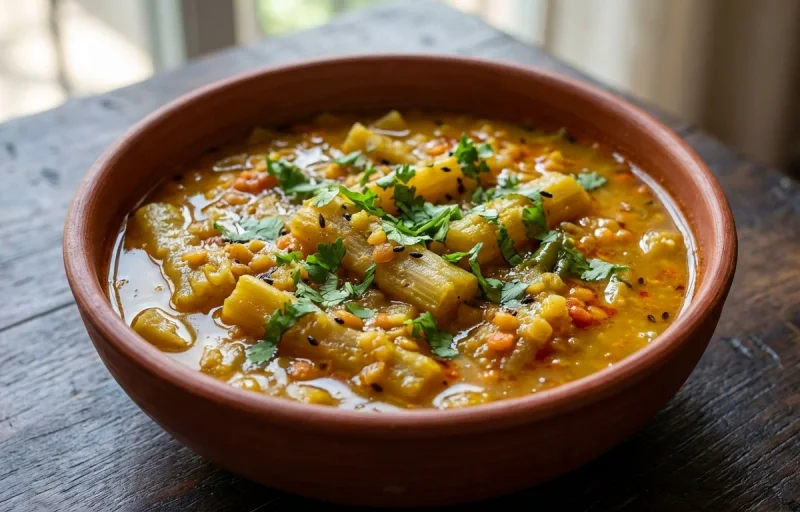
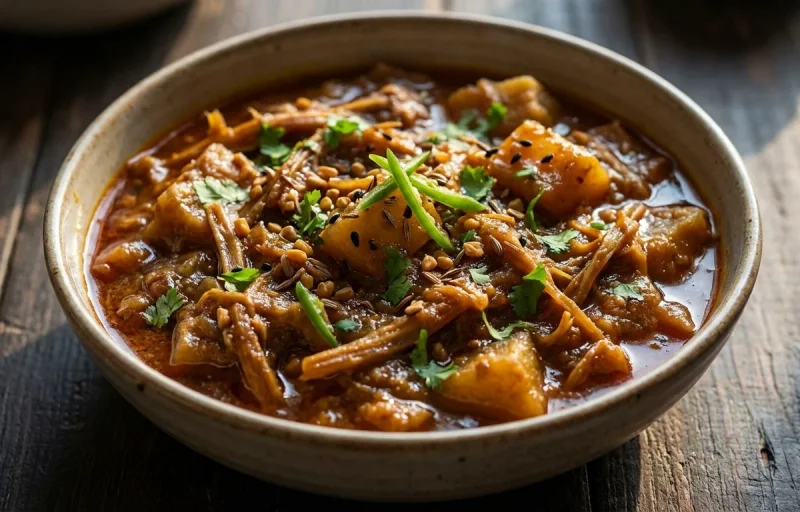
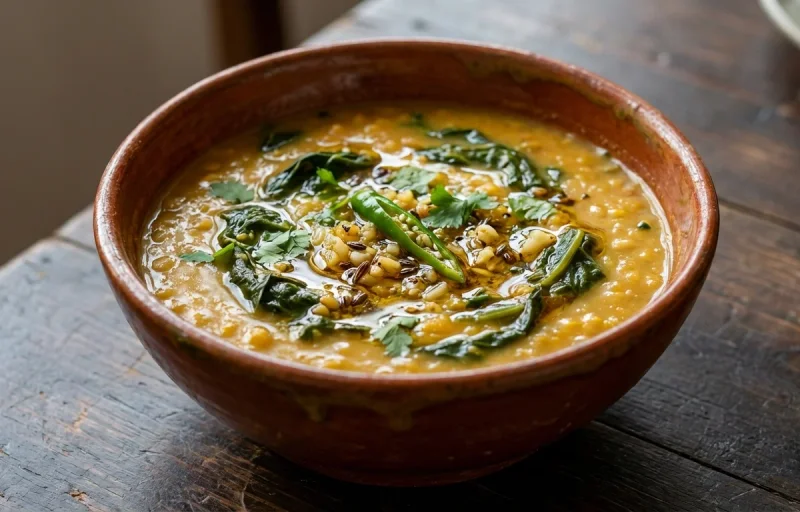
RECIPES
Cook with khar.
4 recipes · sorted by what’s quick
SAME CATEGORY