Fruit10 recipes
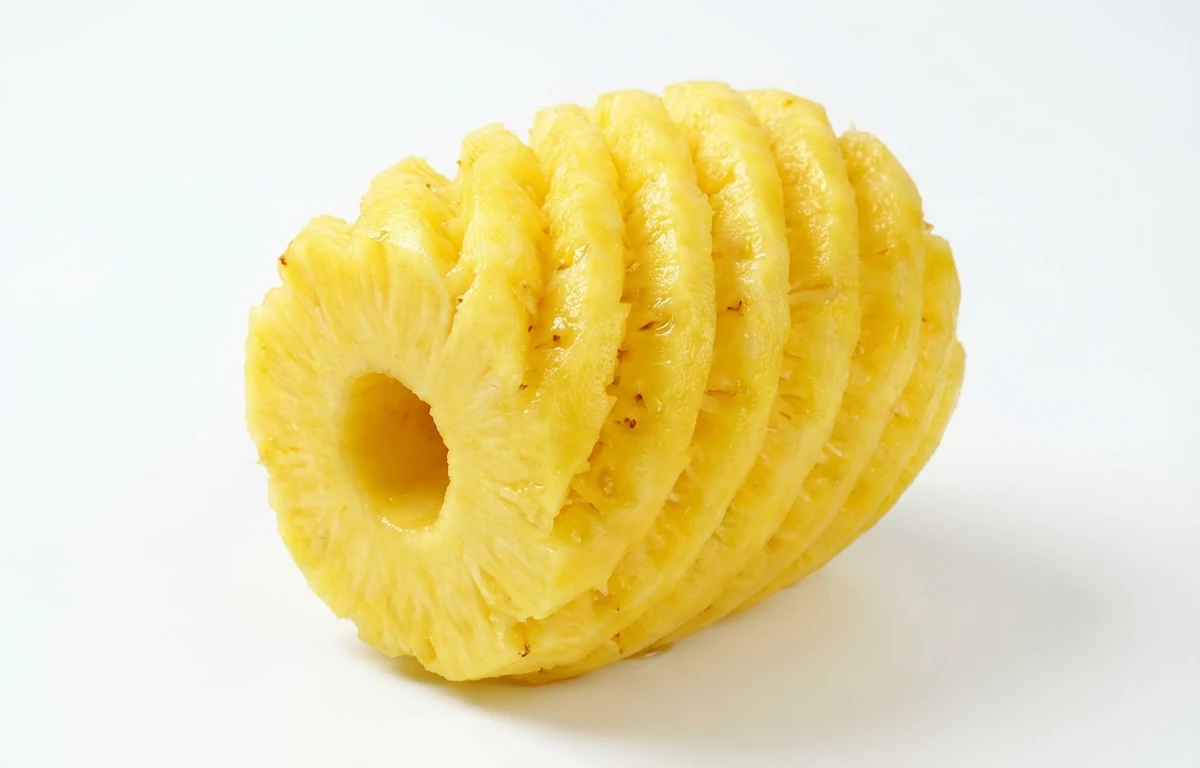
pineapple.
VegetarianVeganGluten-freeDairy-freeNut-freePeanut-freeSoy-freeEgg-freeShellfish-freeHoney-freeAlcohol-free
ALSO KNOWN AS
fresh pineappleananas
SERVING
CALORIES
43
PROTEIN
0.52g
CARBS
9.4g
FAT
0.16g
FIBER
3.5g
NUTRITION PROFILE · per 100 g
Everything in this ingredient.
MACRONUTRIENTS
Calories43kcal—
Protein0.52g1%
Carbohydrates9.4g3%
Fiber3.5g12%
Sugar8.6g17%
Total fat0.16g0%
Saturated fat0.05g0%
Trans fat0g—
Cholesterol0mg0%
Water86.1g—
MINERALS
Sodium1.4mg0%
Potassium143mg3%
Calcium10.9mg1%
Iron0.28mg2%
Magnesium12.7mg3%
Phosphorus13.6mg1%
Zinc0.10mg1%
Copper0.07mg8%
Manganese1.3mg56%
Selenium0.08µg0%
VITAMINS
Vitamin A31.2µg3%
Vitamin C36.4mg40%
Vitamin D0.21µg1%
Vitamin E0.45mg3%
Vitamin K2.4µg2%
Thiamin (B1)0.05mg4%
Riboflavin (B2)0.03mg2%
Niacin (B3)0.12mg1%
Pantothenic acid (B5)0.13mg3%
Vitamin B60.13mg8%
Biotin (B7)1.1µg4%
Folate (B9)18.2µg5%
%DV based on a 2,000 cal diet. Source: USDA FoodData Central. A dash in the %DV column means there’s no established Daily Value for that nutrient.
MEASUREMENT CONVERSIONS
How much is what.
1 cup165g
1 tablespoon10.3g
1 teaspoon3.4g
1 ml0.7g
1 liter687.5g
1 piece900g
HEALTH BENEFITS
Why eat it.
- ✓Rich in Vitamin C, a powerful antioxidant that boosts the immune system.
- ✓Contains bromelain, a digestive enzyme that helps break down proteins and may reduce inflammation.
- ✓Good source of manganese, which is essential for bone health, metabolism, and antioxidant function.
- ✓Provides antioxidants like flavonoids and phenolic acids that help combat oxidative stress.
COOKING TIPS
In the kitchen.
- 1Grilling or roasting pineapple slices caramelizes their natural sugars, enhancing sweetness for desserts or savory dishes.
- 2The enzyme bromelain in fresh pineapple prevents gelatin from setting; use canned or cooked pineapple for gelatin-based recipes.
- 3Use fresh pineapple juice or crushed pineapple in marinades to tenderize meat, but limit marinating time to avoid a mushy texture.
STORAGE
Keep it fresh.
- Store a whole, ripe pineapple at room temperature for up to 2 days or in the refrigerator for up to 5 days.
- Once cut, store pineapple in an airtight container in the refrigerator for 3-5 days or freeze for up to 6 months.
FAQ
Frequently asked questions.
Is pineapple healthy?
Yes, pineapple is very healthy. It's rich in Vitamin C, which boosts immunity, and contains bromelain, an enzyme that aids digestion and may reduce inflammation. It also provides manganese and other antioxidants beneficial for overall health.
How many calories and carbs are in pineapple?
Per 100g, pineapple contains approximately 43 calories and about 9.42g of carbohydrates. It's a relatively low-calorie fruit, with most of its carbs coming from natural sugars.
Is pineapple good for weight loss?
Pineapple can be a good addition to a weight loss diet due to its low-calorie content and high water volume, which can promote fullness. Its fiber content also aids digestion, but portion control is key due to its natural sugar content.
Is pineapple keto-friendly?
No, pineapple is generally not considered keto-friendly. With about 9.42g of net carbs per 100g, it's too high in sugar and carbohydrates to fit into a strict ketogenic diet, which typically limits carbs to 20-50g per day.
Can diabetics eat pineapple?
Diabetics can eat pineapple in moderation, but it's important to monitor portion sizes due to its natural sugar content. It has a moderate glycemic index, so pairing it with protein or fat can help manage blood sugar spikes.
How do you cut a pineapple?
First, slice off the top and bottom. Stand the pineapple upright and carefully slice downwards, following the curve of the fruit, to remove the skin and 'eyes.' Then, quarter it lengthwise and remove the fibrous core before dicing or slicing the flesh.
What does pineapple taste like?
Pineapple has a distinct sweet and tangy flavor, often described as a balance between citrusy and tropical notes. It can also have a slightly tart or acidic finish, especially when less ripe.
How do you store fresh pineapple?
Whole, uncut pineapples can be stored at room temperature for 1-2 days to ripen further, or in the refrigerator for up to a week. Once cut, store pineapple in an airtight container in the refrigerator for 3-5 days.
How do you know if a pineapple is ripe?
A ripe pineapple will have a sweet, fragrant smell at its base, feel firm but slightly yielding when squeezed, and have vibrant green leaves that can be easily pulled from the center. Avoid pineapples with soft spots or a fermented odor.
Can you eat the core of a pineapple?
Yes, the core of a pineapple is edible, though it's tougher and more fibrous than the flesh. It contains a higher concentration of bromelain, which can be beneficial, but many prefer to discard it due to its texture.
RECIPES
Cook with pineapple.
10 recipes · sorted by what’s quick