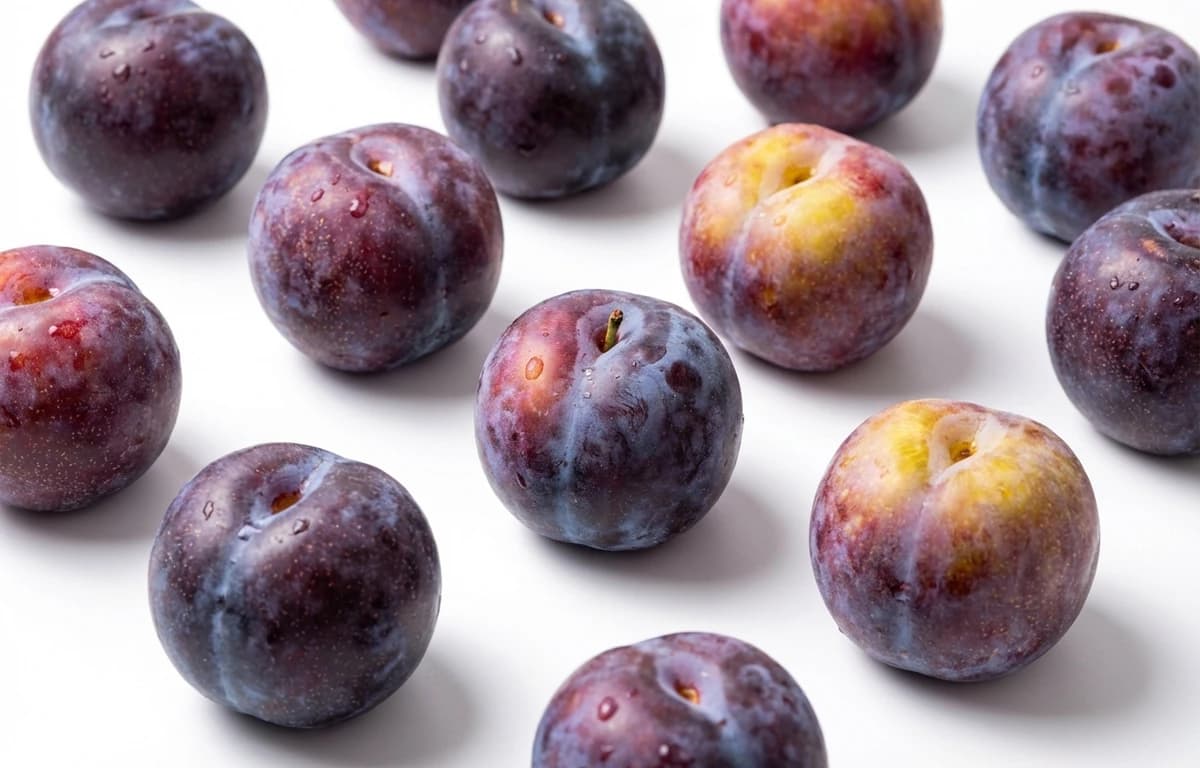
plum
Also known as:
Loading...
Also known as:
Per 100g
Nutrition data source: USDA FoodData Central
Common measurement equivalents in grams
Juicy, plump shrimp marinated in a zesty blend of fresh lemon, garlic, and herbs, then grilled to perfection. This quick and healthy dish is perfect for a light summer dinner or a flavorful appetizer, ready in under 20 minutes.
Juicy, plump shrimp marinated in a vibrant mix of fresh garlic, herbs, and lemon juice, then grilled to perfection. A quick, healthy, and flavorful main dish perfect for summer cookouts or a light weeknight dinner.
A vibrant and refreshing fruit salad bursting with sweet strawberries, plump blueberries, and juicy pomegranate seeds. A simple honey-lime dressing and fresh mint make it the perfect light dessert or healthy snack.
A vibrant mix of sweet strawberries, plump blueberries, and juicy pomegranate seeds tossed in a zesty honey-lime dressing. This refreshing fruit salad, garnished with fresh mint, is a perfect light dessert or healthy side dish.

Juicy, plump shrimp are tossed in a vibrant sauce of fresh garlic, olive oil, and lemon juice. This quick and easy low-sodium scampi is packed with flavor from herbs and a hint of chili, ready in just 15 minutes.
Yes, plums are very healthy. They are rich in antioxidants like anthocyanins, which protect cells from damage, and high in dietary fiber, promoting digestive health. Plums also provide essential vitamins and minerals, including Vitamin C, Vitamin K, and potassium.
Per 100 grams, plums contain approximately 57 calories and 12.1 grams of carbohydrates. They are relatively low in protein (0.64g) and fat (0.4g), making them a light and nutritious snack.
Plums can be beneficial for weight loss due to their low calorie count and high fiber content. The fiber helps you feel full, reducing overall calorie intake, and supports healthy digestion. They make a great sweet, satisfying snack without excessive calories.
Yes, diabetics can generally eat plums in moderation. Plums have a relatively low glycemic index, and their fiber content helps slow sugar absorption, which can aid in managing blood sugar levels. Always monitor portion sizes and consult with a healthcare professional.
Yes, plums are naturally vegan as they are a fruit and contain no animal products. They are also naturally gluten-free, making them suitable for individuals following a gluten-free diet.
Plums can be enjoyed fresh and raw, either whole or sliced. They are also versatile in cooking, used in desserts like pies, tarts, and crumbles, or made into jams, jellies, and sauces. Some people also add them to salads or savory dishes.
Plums typically have a sweet and juicy flavor, often with a slightly tart skin or undertone, especially when fully ripe. The taste can vary depending on the variety, ranging from very sweet to more intensely tart.
plum is a versatile ingredient found in cuisines around the world. With 56.88 calories per 100g and 0.64 grams of protein, it's a nutritious addition to many dishes.
Explore more ingredients in the fruit category with complete nutrition information.
View all fruit →Unripe plums should be stored at room temperature until they soften and ripen. Once ripe, plums can be stored in the refrigerator for up to a week to extend their freshness. Place them in a plastic bag or crisper drawer.
A ripe plum will feel slightly soft when gently squeezed and will have a rich, vibrant color characteristic of its variety. It may also have a sweet aroma. Avoid plums that are overly soft, bruised, or have wrinkled skin.
Yes, the skin of a plum is edible and contains a significant amount of fiber and antioxidants. While some varieties may have a slightly tart skin, it's generally safe and beneficial to eat the whole fruit.