Protein10 recipes
pork.
VegetarianVeganGluten-freeDairy-freeNut-freePeanut-freeSoy-freeEgg-freeShellfish-freeHoney-freeAlcohol-freeHalalKosher
ALSO KNOWN AS
porkraw porkpig meatswinecarne de cerdosuinoporco
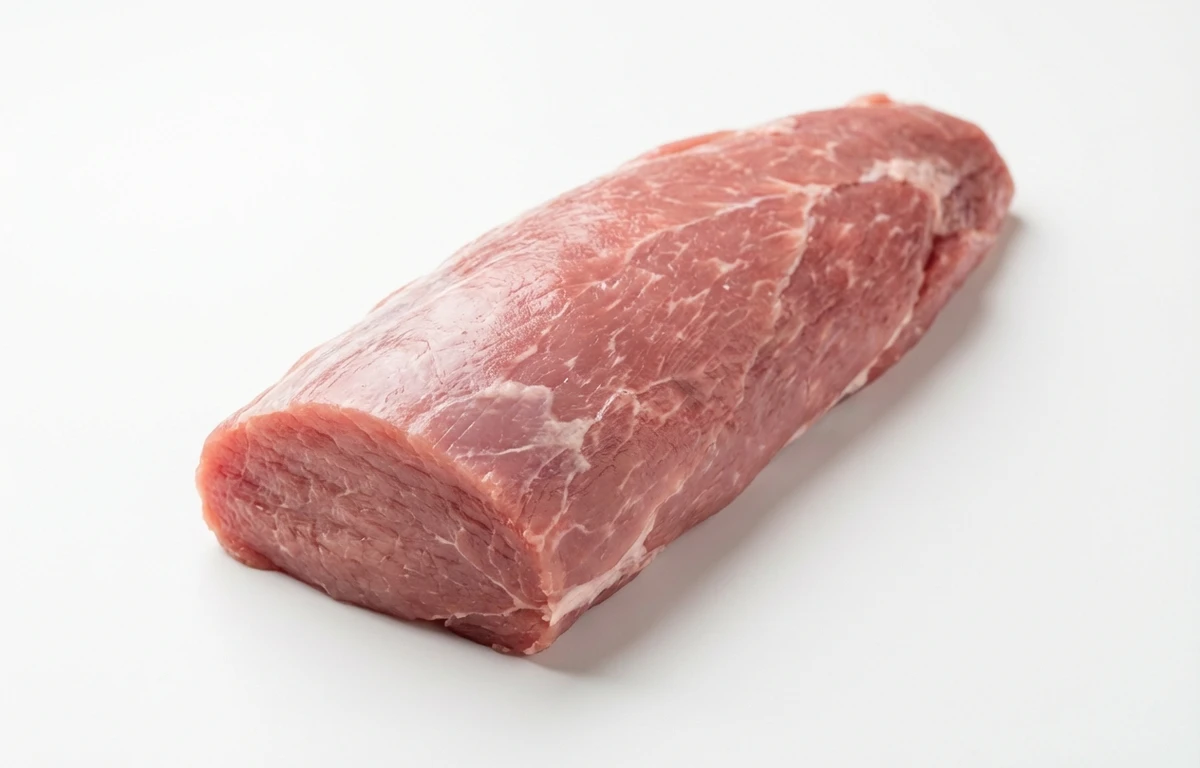
SERVING
CALORIES
242
PROTEIN
17.3g
CARBS
0g
FAT
18.9g
FIBER
0g
This ingredient is flagged as naturally gluten-free. Per 100 g, it provides 0 µg of vitamin K.
NUTRITION PROFILE · per 100 g
Everything in this ingredient.
MACRONUTRIENTS
Calories242kcal—
Protein17.3g35%
Carbohydrates0g0%
Fiber0g0%
Sugar0g0%
Total fat18.9g24%
Saturated fat6.8g34%
Trans fat0.10g—
Cholesterol71mg24%
Water62.5g—
MINERALS
Sodium62mg3%
Potassium315mg7%
Calcium15mg1%
Iron0.90mg5%
Magnesium20mg5%
Phosphorus185mg15%
Zinc2.4mg22%
Copper0.07mg8%
Manganese0.01mg0%
Selenium28.9µg53%
VITAMINS
Vitamin A2.0µg0%
Vitamin C0mg0%
Vitamin D0.70µg3%
Vitamin E0.20mg1%
Vitamin K0µg0%
Thiamin (B1)0.71mg59%
Riboflavin (B2)0.25mg19%
Niacin (B3)4.3mg27%
Pantothenic acid (B5)0.60mg12%
Vitamin B60.40mg24%
Folate (B9)4.0µg1%
Vitamin B120.70µg29%
%DV based on a 2,000 cal diet. Source: USDA FoodData Central. A dash in the %DV column means there’s no established Daily Value for that nutrient.
MEASUREMENT CONVERSIONS
How much is what.
1 cup225g
1 tablespoon15g
1 teaspoon5g
1 oz28.4g
1 lb453.6g
1 piece150g
HEALTH BENEFITS
Why eat it.
- ✓High-quality complete protein source for muscle maintenance
- ✓Excellent source of Thiamin (Vitamin B1) for energy metabolism
- ✓Rich in Selenium which supports thyroid function
- ✓Provides Vitamin B12 for nervous system support
COOKING TIPS
In the kitchen.
- 1Cook whole cuts to a minimum internal temperature of 145°F (63°C)
- 2Allow the meat to rest for at least 3 minutes after cooking for juiciness
- 3Pat the surface dry with paper towels before searing to achieve a better crust
STORAGE
Keep it fresh.
- Store in the coldest part of the refrigerator at or below 40°F (4°C)
- Use raw pork within 3 to 5 days of purchase
- Freeze in airtight packaging or vacuum-sealed bags for 4 to 12 months
FAQ
Frequently asked questions.
How long does raw pork last in the fridge?
Raw pork roasts, steaks, and chops can be stored in the refrigerator for 3 to 5 days. Ground pork should be used within 1 to 2 days.
Can you freeze pork?
Yes, pork freezes very well. For best quality, use frozen roasts and chops within 4-12 months and ground pork within 3-4 months.
What is the safe internal temperature for pork?
The USDA recommends cooking whole cuts of pork to 145°F (63°C) followed by a 3-minute rest. Ground pork should reach 160°F (71°C).
How do I choose high-quality pork?
Look for meat that is pinkish-red in color with firm texture. Avoid meat that is pale, grey, or has dark spots or liquid in the packaging.
What are good substitutes for pork?
Depending on the recipe, beef, lamb, or dark meat poultry (like chicken thighs) are the best animal-based substitutes.
Is pork a good source of vitamins?
Yes, pork is particularly high in B-vitamins, especially Thiamin (B1), which is often higher in pork than in beef or lamb.
RECIPES
Cook with pork.
10 recipes · sorted by what’s quick