
Other
salmon.
VegetarianVeganGluten-freeDairy-freeNut-freePeanut-freeSoy-freeEgg-freeShellfish-freeHoney-freeAlcohol-free
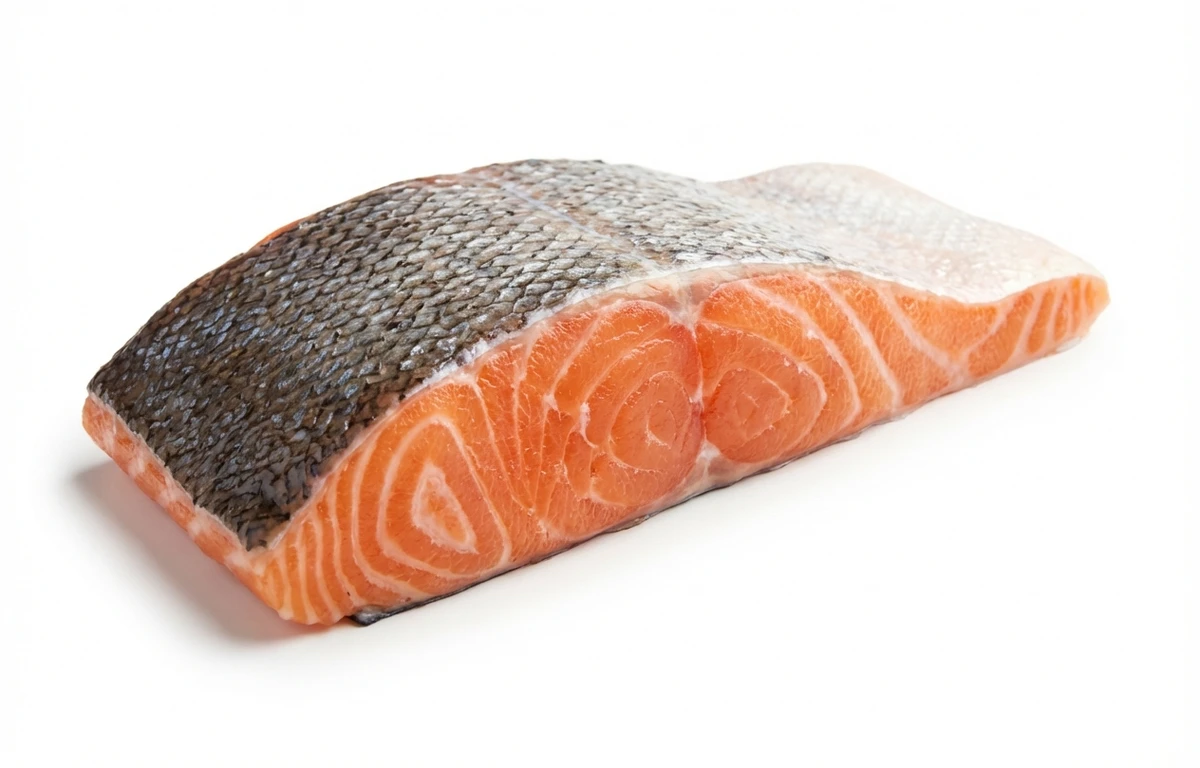
SERVING
CALORIES
172
PROTEIN
21g
CARBS
0g
FAT
9.9g
FIBER
0g
This ingredient is flagged as naturally gluten-free. Per 100 g, it provides 0.75 µg of vitamin K.
NUTRITION PROFILE · per 100 g
Everything in this ingredient.
MACRONUTRIENTS
Calories172kcal—
Protein21g42%
Carbohydrates0g0%
Fiber0g0%
Sugar0g0%
Total fat9.9g13%
Saturated fat4.3g22%
Trans fat0g—
Cholesterol61.3mg20%
Water67.8g—
MINERALS
Sodium20.3mg1%
Potassium345mg7%
Calcium24.3mg2%
Iron0.98mg5%
Magnesium31.2mg7%
Phosphorus211mg17%
Zinc0.51mg5%
Copper0.08mg9%
Manganese0.01mg0%
Selenium36.3µg66%
VITAMINS
Vitamin A15.6µg2%
Vitamin C0mg0%
Vitamin D0.94µg5%
Vitamin E0.58mg4%
Vitamin K0.75µg1%
Thiamin (B1)0.07mg6%
Riboflavin (B2)0.06mg5%
Niacin (B3)4.5mg28%
Pantothenic acid (B5)1.1mg23%
Vitamin B6150mg8824%
Biotin (B7)1136µg3787%
Folate (B9)0µg0%
%DV based on a 2,000 cal diet. Source: USDA FoodData Central. A dash in the %DV column means there’s no established Daily Value for that nutrient.
MEASUREMENT CONVERSIONS
How much is what.
1 oz28.4g
1 lb453.6g
1 piece170g
HEALTH BENEFITS
Why eat it.
- ✓High in B vitamins, particularly B12, which is vital for nerve function and the formation of red blood cells.
COOKING TIPS
In the kitchen.
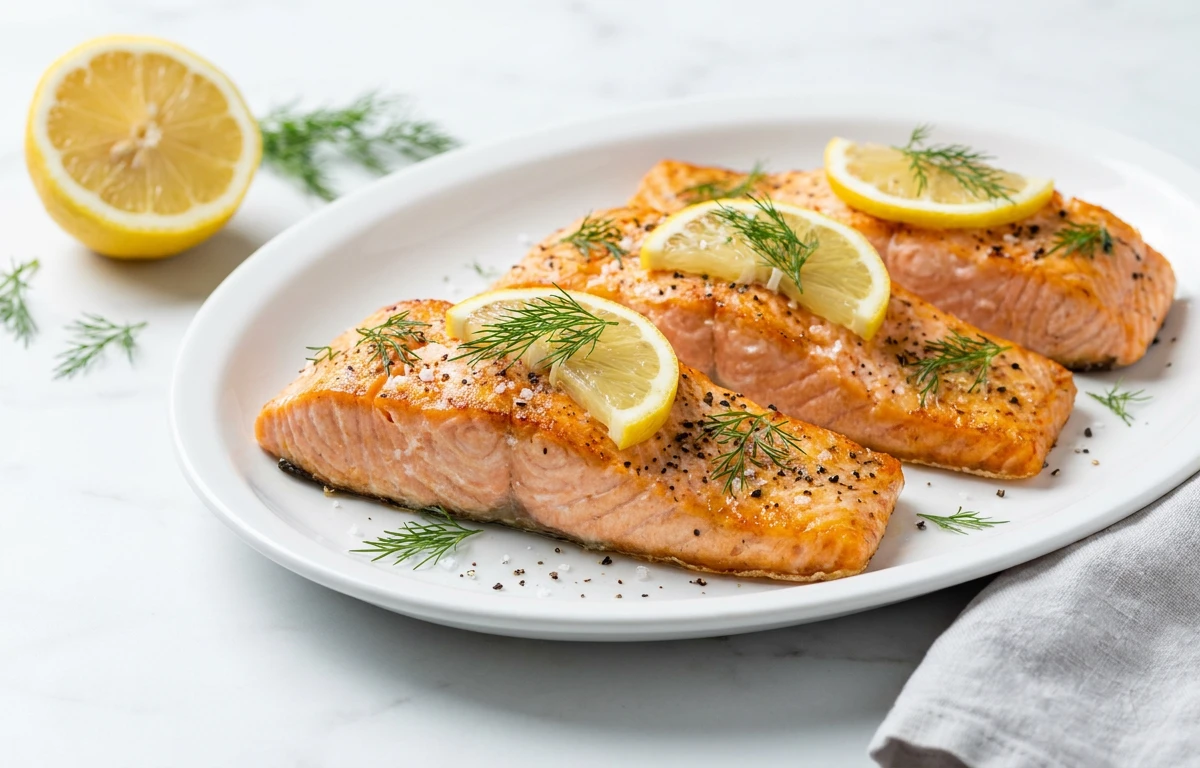
- 1Pat the salmon fillet dry with a paper towel before seasoning to ensure a crispy skin and a good sear.
- 2To avoid overcooking, cook until the internal temperature reaches 125-130°F (52-54°C) for medium-rare. The fish will continue to cook slightly after being removed from the heat.
- 3When pan-searing, place the salmon skin-side down in a hot, oiled pan and cook for about 90% of the total time on that side to achieve crispy skin before flipping briefly.
- 4Salmon pairs well with citrus (lemon, lime), fresh herbs (dill, parsley), and simple seasonings like salt and pepper, allowing its natural flavor to shine.
STORAGE
Keep it fresh.
- Store fresh salmon in the coldest part of your refrigerator (below 40°F or 4°C) and use within 1-2 days.
- For freezing, wrap individual portions tightly in plastic wrap and then heavy-duty foil or a freezer bag. It can be stored for up to 3 months for best quality.
FAQ
Frequently asked questions.
Is salmon keto-friendly?
Salmon is an ideal choice for the ketogenic diet as it contains 0g of carbohydrates and 9.86g of healthy fats per 100g. Its high protein and fat content help maintain ketosis while providing essential nutrients.
Is salmon gluten-free?
Naturally, salmon is 100% gluten-free. However, if you are buying pre-marinated or breaded salmon, check the label for gluten-containing ingredients like soy sauce, wheat flour, or certain thickeners.
How do you know when salmon is cooked?
Salmon is done when the flesh changes from translucent to opaque pink and flakes easily with a fork. For the best texture, the internal temperature should reach 145°F (63°C), though many chefs prefer 125-135°F for a moister result.
Can you eat salmon skin?
Yes, salmon skin is safe to eat and contains a high concentration of Omega-3 fatty acids and vitamins. When pan-seared until crispy, it provides a flavorful texture and additional nutritional benefits.
How long does fresh salmon last in the fridge?
Raw salmon should be stored in the coldest part of the refrigerator and consumed within 1 to 2 days. If you don't plan to cook it immediately, it should be wrapped tightly and kept in the freezer for up to 3 months.
How can you tell if salmon has gone bad?
Fresh salmon should have a mild, ocean-like scent; a strong 'fishy' or ammonia smell indicates spoilage. Other signs include a slimy texture, a dull or greyish color, and flesh that feels soft or mushy rather than firm.
Can you eat salmon raw?
You should only eat salmon raw if it is labeled 'sushi-grade' or 'sashimi-grade,' which means it has been commercially frozen to kill parasites. Eating standard raw grocery store salmon carries a higher risk of foodborne illness.
RECIPES
Cook with salmon.
0 recipes · sorted by what’s quick
RELATED GUIDES



















