

A classic North Indian breakfast! Soft, whole wheat flatbreads are stuffed with a savory, spiced potato filling and pan-fried to golden perfection. They are best served hot with yogurt, pickle, or a dollop of butter.
Prep30 min
Cook25 min
Servings4
Serving size: 2 parathas
466cal
12gprotein
72gcarbs
17g
Ingredients
2 cup Atta (Also known as whole wheat flour)
500 g Potatoes (About 3-4 medium, boiled, peeled, and cooled completely)
1 cup Warm Water (Approximately, as needed to form a soft dough)
0.25 cup Ghee (For cooking the parathas, plus more for serving)
1 medium Yellow Onion (Finely chopped)
2 pcs Green Chilies (Finely chopped, adjust to taste)
A fluffy, savory omelette packed with the vibrant flavors of India. Finely chopped onions, tomatoes, and green chilies are whisked with eggs and aromatic spices for a quick, satisfying, and protein-rich breakfast.
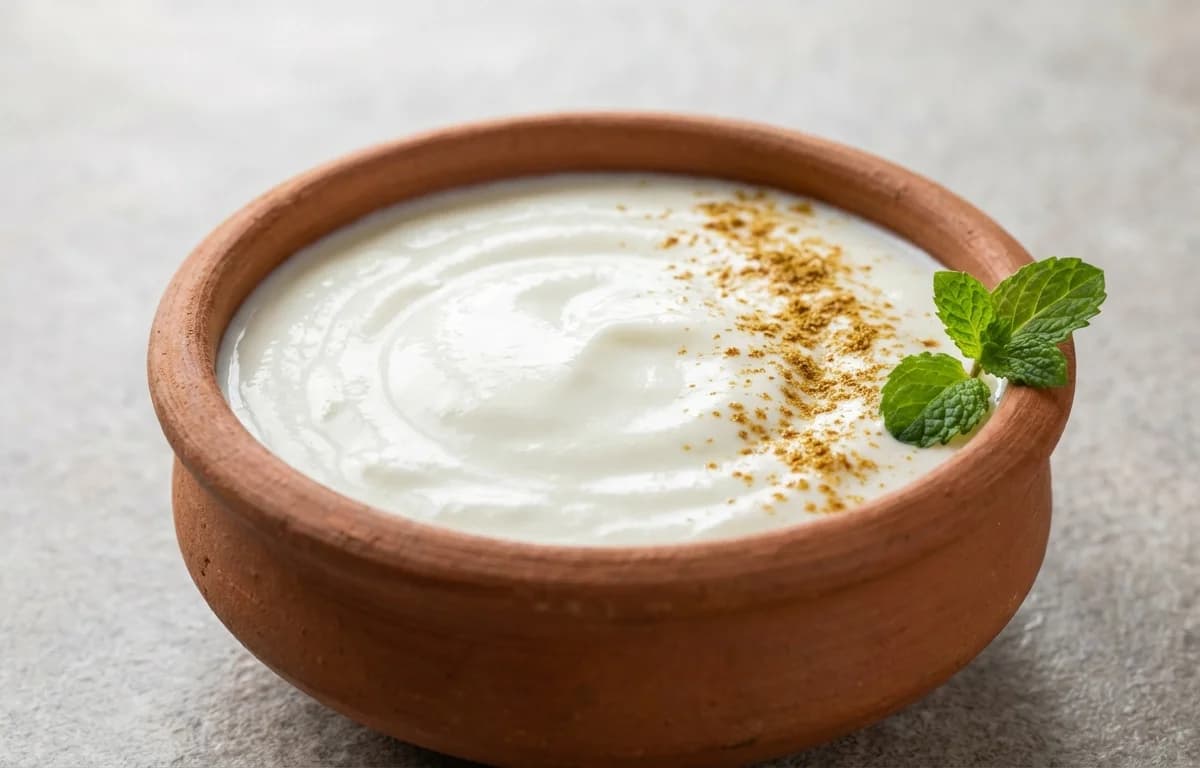
Creamy, tangy, and rich homemade yogurt, a staple in every Indian household. This simple recipe uses just two ingredients to create perfect, thick dahi every time, ideal for raitas, curries, or enjoying plain.
Hearty Aloo Paratha with a fluffy, protein-packed masala omelette and cool dahi – energy-giving comfort!
This punjabi dish is perfect for lunch. With 862.9199999999998 calories and 36.56g of protein per serving, it's a nutritious choice for your meal plan.
fat
2 tsp
Salt
(Divided; 1 tsp for dough, 1 tsp for filling)
1 tsp Vegetable Oil (For kneading the dough)
1 tsp Coriander Powder
0.75 tsp Red Chili Powder (Adjust to your spice preference)
0.5 tsp Garam Masala
0.5 tsp Amchur Powder (Dry mango powder, for a tangy flavor)
0.5 tsp Ajwain (Carom seeds)
Instructions
1
Prepare the Dough
In a large mixing bowl, combine 2 cups of atta and 1 tsp of salt.
Gradually add warm water while mixing to form a soft, pliable dough. The exact amount of water may vary.
Add 1 tsp of oil and knead for 5-7 minutes until the dough is smooth and elastic.
Cover the dough with a damp cloth and let it rest for at least 30 minutes. This step is crucial for soft parathas.
2
Prepare the Potato Filling
In a separate bowl, mash the completely cooled boiled potatoes. For a lump-free texture, you can grate them.
Add the finely chopped onion, green chilies, grated ginger, and chopped coriander leaves.
Add all the dry spices: the remaining 1 tsp salt, coriander powder, red chili powder, garam masala, and amchur powder.
Lightly crush the ajwain between your palms to release its aroma and add it to the mix.
Gently mix all ingredients until just combined. Do not overmix, as this can make the potatoes gummy. Taste and adjust seasoning.
3
Stuff and Roll the Parathas
After the dough has rested, knead it again for one minute. Divide the dough and the potato filling into 8 equal portions and roll them into smooth balls.
Take one ball of dough, flatten it, and dust it with dry flour. Roll it into a small circle about 4 inches in diameter.
Place one portion of the potato filling in the center.
Bring the edges of the dough together, pleating as you go, to enclose the filling completely. Pinch the top to seal it tightly and flatten the stuffed ball gently.
Dust the stuffed ball with dry flour and carefully roll it out into a 6-7 inch circle. Apply even, gentle pressure to prevent the filling from breaking through.
4
Cook the Parathas
Heat a tawa (flat griddle) over medium-high heat. The tawa is ready when a drop of water sizzles and evaporates instantly.
Place the rolled paratha on the hot tawa. Cook for about 30-45 seconds until small bubbles appear on the surface.
Flip the paratha and cook the other side for another 30-45 seconds, until light brown spots appear.
Spread about 1/2 tsp of ghee on the top surface and flip again. Apply ghee to the other side.
Press gently with a spatula, especially around the edges, to help it puff up and cook evenly. Cook for 1-2 minutes, flipping occasionally, until both sides are golden brown and crisp.
Remove from the tawa and serve immediately. Repeat for the remaining parathas.
235cal
16gprotein
5gcarbs
16gfat
Ingredients
4 piece Large Egg (Bring to room temperature for a fluffier result.)
0.25 cup Red Onion (Finely chopped.)
0.25 cup Tomato (Deseeded and finely chopped.)
1 piece Green Chilli (Finely chopped. Adjust to your spice preference.)
2 tbsp Coriander Leaves (Finely chopped, plus extra for garnish.)
0.25 tsp Turmeric Powder (Adds color and a mild earthy flavor.)
0.25 tsp Red Chilli Powder (Optional, for extra heat.)
0.25 tsp Garam Masala (For a warm, aromatic finish.)
2 tbsp Milk (Optional, helps make the omelette tender.)
0.5 tsp Salt (Adjust to taste.)
0.25 tsp Black Pepper (Freshly ground is best.)
2 tsp Ghee (Can be substituted with butter or oil.)
Instructions
1
Prepare the Egg Mixture
In a medium-sized bowl, crack the 4 eggs. Add the milk (if using), turmeric powder, red chilli powder, garam masala, salt, and black pepper.
Using a fork or a whisk, beat the mixture vigorously for 1-2 minutes until it is light, well-combined, and slightly frothy. This incorporates air and is key to a fluffy omelette.
2
Add Vegetables
Add the finely chopped onion, deseeded tomato, green chilli, and coriander leaves to the whisked eggs.
Gently mix everything together until just combined. Avoid over-mixing at this stage.
3
Cook the First Omelette
Heat 1 teaspoon of ghee in an 8-inch non-stick skillet over medium heat. The pan is ready when a drop of water sizzles.
Pour half of the egg mixture into the pan. Swirl gently to spread it into an even circle.
Cook for 2-3 minutes, until the edges begin to set and the bottom is a light golden brown. You can lift an edge with a spatula to check.
1 L Full-Fat Milk (Whole milk provides the creamiest texture. Avoid UHT milk as it may not set well.)
2 tbsp Plain Yogurt (Use a good quality, live culture yogurt as a starter. Ensure it's at room temperature.)
Instructions
1
Boil and Thicken Milk
Pour the milk into a heavy-bottomed saucepan. Bring it to a rolling boil over medium heat, watching carefully to prevent it from boiling over.
Once boiling, reduce the heat to low and let it simmer for 5-7 minutes. Stir occasionally to prevent a skin from forming and to stop it from scorching at the bottom. This step helps thicken the milk, resulting in creamier dahi.
2
Cool Milk to the Right Temperature
Remove the pan from the heat and allow the milk to cool down until it is lukewarm. The ideal temperature is between 40-45°C (105-115°F).
To test without a thermometer, dip a clean finger into the milk. It should feel comfortably warm, not hot. You should be able to hold your finger in for about 10 seconds.
3
Inoculate with Starter
In a small bowl, whisk the starter yogurt (dahi) until it is smooth and lump-free.
Add a few tablespoons of the warm milk to the whisked starter and mix well. This tempers the starter and ensures it mixes evenly without curdling.
Pour this tempered starter mixture into the pot with the rest of the lukewarm milk and stir gently 2-3 times to combine everything.
4
Set the Dahi to Ferment
Transfer the milk mixture into a setting container, such as a clay pot (matka), glass bowl, or steel pot.
Cover the container with a lid and place it in a warm, draft-free place for 6 to 8 hours, or overnight. Do not disturb it during this time.
In colder climates, you can place the container in a preheated (and turned off) oven, a microwave with the light on, or wrap it in a thick towel to maintain warmth.
5
Chill and Serve
After 6-8 hours, check if the dahi is set. It should be firm and not jiggle like a liquid when gently tilted.
Once set, transfer the container to the refrigerator and chill for at least 3-4 hours. Chilling stops the fermentation process (preventing it from becoming too sour) and helps it thicken further.
Serve chilled as a side, use it to make raita, or enjoy it plain.