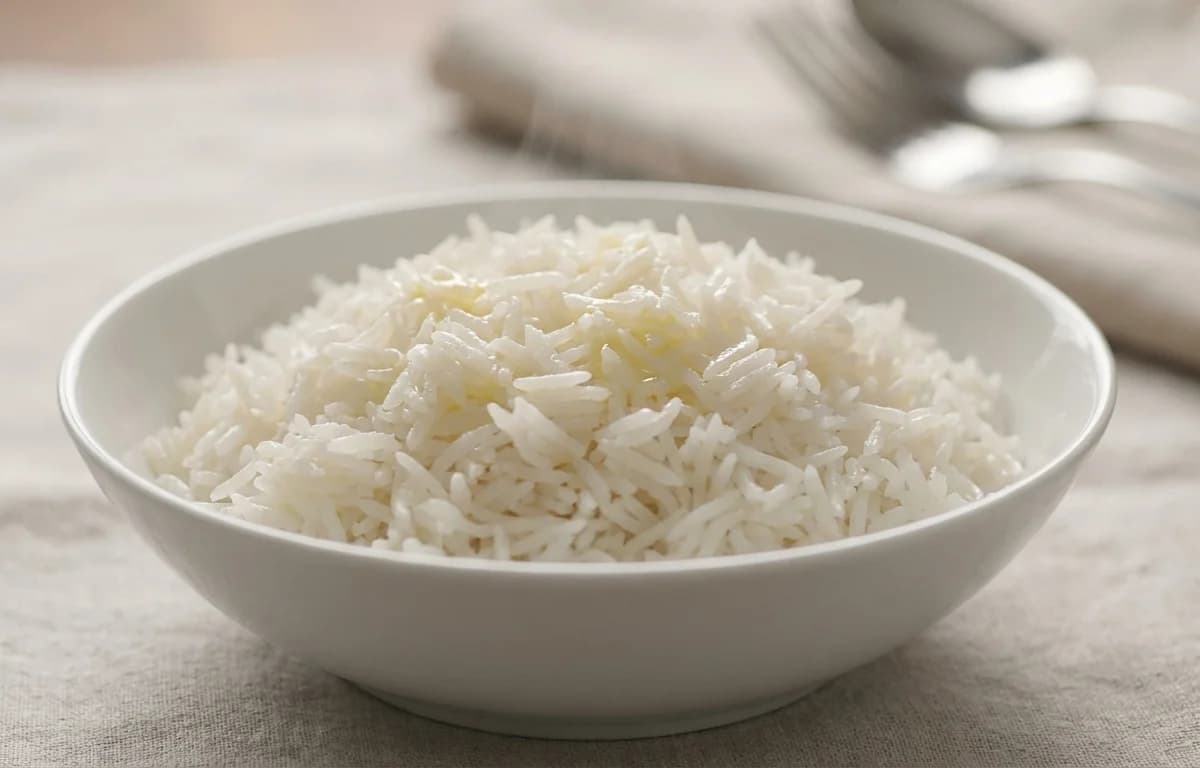
Perfectly fluffy, long-grained basmati rice with a delicate aroma. This simple, foolproof recipe gives you separate, non-sticky grains every time, making it the perfect base for any curry or dal.
Prep35 min
Cook25 min
Soak30 min
Servings4
Serving size: 1 serving
262cal
5gprotein
55gcarbs
Ingredients
1.5 cup Basmati Rice (Use good quality, aged basmati rice for best results)
2.25 cup Water (For the absorption cooking method)
0.75 tsp Salt (Adjust to taste)
1 tsp Ghee (Optional, for flavor and to prevent sticking)
Instructions
1
Rinse and Soak the Rice (35 minutes)
Place the basmati rice in a large bowl. Add cold water and gently swirl the rice with your fingers. Drain the cloudy water. Repeat this process 3-4 times until the water runs mostly clear. This removes excess starch and prevents stickiness.
Cover the rinsed rice with fresh water and let it soak for 30 minutes. Soaking allows the grains to absorb water, ensuring they cook evenly and elongate beautifully.
After 30 minutes, drain the rice completely using a fine-mesh sieve and set aside.
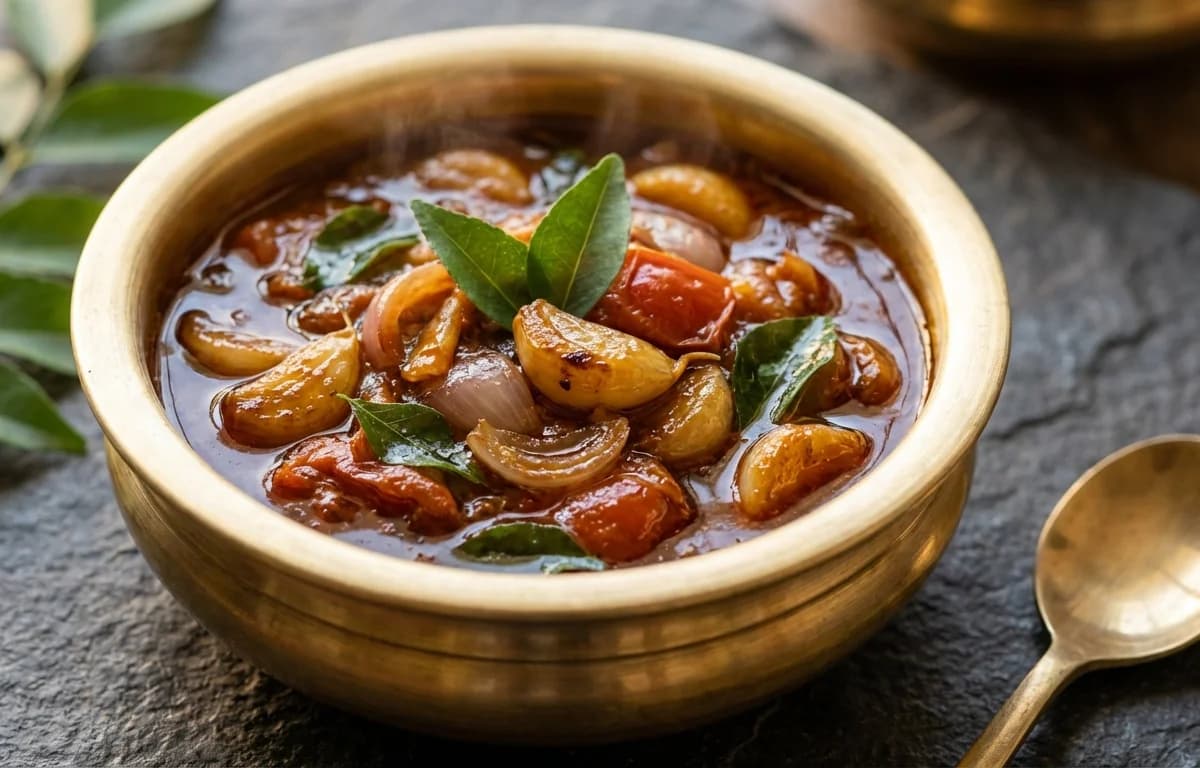
A fiery and tangy curry from the Chettinad region of Tamil Nadu, where whole cloves of garlic are the star, simmered in a tamarind-based gravy. This Poondu Kulambu is packed with bold, pungent flavors and is the ultimate comfort food when served with hot steamed rice and a dollop of ghee.
A classic South Indian breakfast staple! This fluffy, savory omelette is packed with finely chopped onions, green chilies, and fresh coriander, making it a quick and delicious meal any time of day.
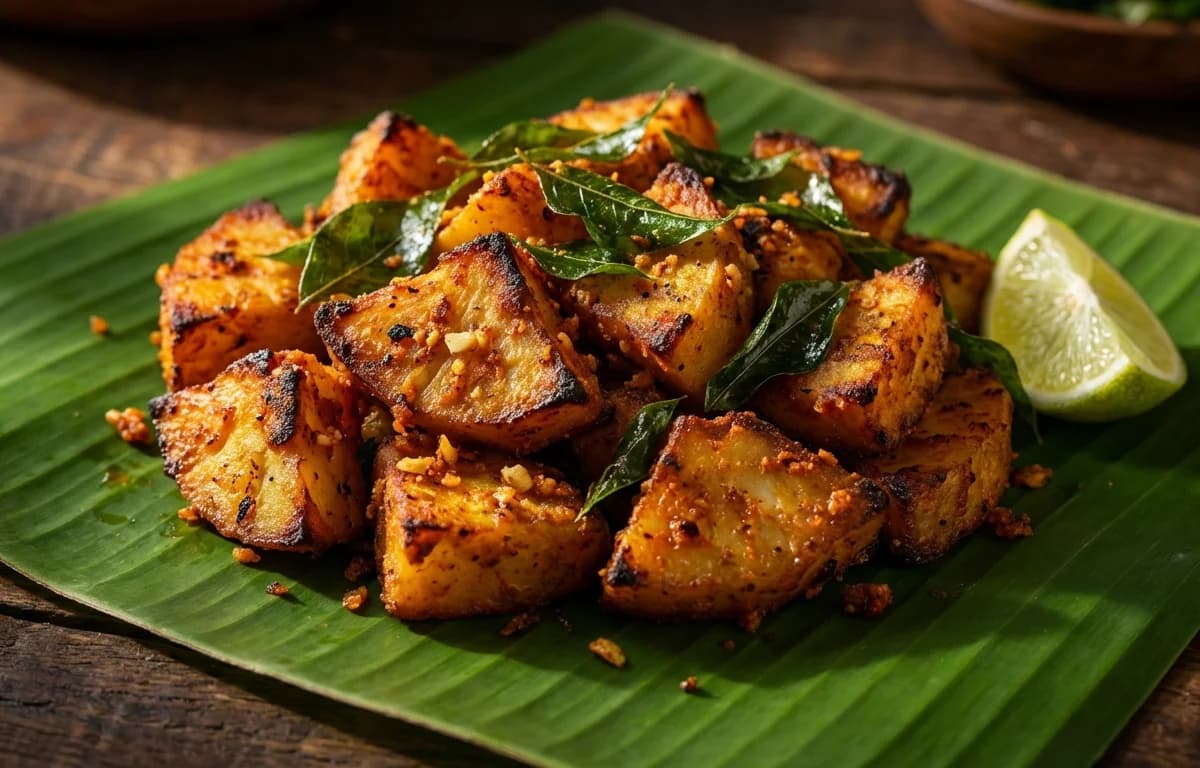
Crispy on the outside, soft on the inside, this South Indian yam fry is a flavor explosion. Elephant foot yam is perfectly spiced and shallow-fried to create a delicious and easy side dish that pairs wonderfully with sambar or rasam rice.
Prep15 min
Cook25 min
Servings4
Serving size: 1 serving
About Steamed Basmati Rice, Poondu Kulambu, Muttai Omelette and Senaikizhangu Varuval
Aromatic garlic curry with fluffy rice, protein-packed egg omelette, and crispy yam fry. Homestyle comfort!
This tamil dish is perfect for lunch. With 691.93 calories and 10.26g of protein per serving, it's a low-phosphorus option for your meal plan.
Other Cuisines to Explore
Discover authentic meals from cuisines around the world.
In a medium, heavy-bottomed saucepan with a tight-fitting lid, combine the drained rice, 2.25 cups of fresh water, salt, and ghee (if using).
Bring the mixture to a rolling boil over medium-high heat, uncovered.
As soon as it boils, give it one gentle stir, then immediately reduce the heat to the lowest possible setting. Cover the saucepan tightly with the lid.
Let the rice simmer for 12-15 minutes, or until all the water has been absorbed. Do not lift the lid during this time to prevent steam from escaping.
3
Rest and Fluff (10 minutes)
Turn off the heat but leave the saucepan on the stove, still covered. Let the rice rest and steam for 10 minutes. This step is crucial for finishing the cooking process and achieving a perfect texture.
After resting, remove the lid. Use a fork to gently fluff the rice, separating the long, delicate grains.
Serve hot as a perfect accompaniment to curries, dals, or grilled dishes.
Servings4
Serving size: 1 serving
165cal
2gprotein
15gcarbs
11gfat
Ingredients
3 tbsp Gingelly Oil (Also known as Indian sesame oil)
25 g Tamarind (A small lemon-sized ball)
1 tsp Mustard Seeds
0.5 tsp Fenugreek Seeds
1 sprig Curry Leaves (About 10-12 leaves)
25 cloves Garlic Cloves (Large cloves, peeled)
15 pcs Sambar Onions (Peeled whole, also known as pearl onions)
0.5 tsp Turmeric Powder
2 tbsp Sambar Powder (Adjust to your preferred spice level)
0.25 tsp Hing (Asafoetida)
1 tsp Jaggery (Powdered or grated)
1 tsp Salt (Adjust to taste)
2.5 cup Water (Divided for soaking tamarind and for the gravy)
Instructions
1
Prepare Tamarind Extract
Soak the tamarind in 1 cup of warm water for 15 minutes.
Squeeze the pulp thoroughly with your fingers to extract all the juice.
Strain the liquid through a fine-mesh sieve into a bowl, discarding the solids. Set this tamarind water aside.
2
Temper the Spices (Tadka)
Heat gingelly oil in a heavy-bottomed pan or clay pot (kadai) over medium heat.
Once the oil is hot, add the mustard seeds and allow them to splutter completely, which takes about 30-45 seconds.
Add the fenugreek seeds and sauté for 30 seconds until they turn golden brown. Be careful not to burn them as they will become bitter.
Toss in the curry leaves and let them crisp up for a few seconds.
3
Sauté the Aromatics
Add the peeled sambar onions and whole garlic cloves to the pan.
Sauté for 6-8 minutes, stirring occasionally, until the onions become soft and translucent and the garlic cloves are fragrant and lightly golden.
4 Large Eggs (Use fresh, room temperature eggs for a fluffier texture.)
1 Small Onion (Finely chopped.)
2 Green Chilies (Finely chopped. Adjust to your spice preference.)
2 tbsp Coriander Leaves (Freshly chopped.)
0.25 tsp Turmeric Powder (Adds color and a mild flavor.)
0.5 tsp Salt (Adjust to taste.)
0.25 tsp Black Pepper (Freshly ground for best flavor.)
2 tsp Oil (Use coconut oil for authentic flavor, or any neutral cooking oil.)
Instructions
1
Prepare the Egg Mixture
In a medium-sized bowl, crack the 4 eggs.
Add the finely chopped onion, green chilies, and coriander leaves.
Sprinkle in the turmeric powder, salt, and freshly ground black pepper.
Using a whisk or fork, beat the mixture vigorously for 1-2 minutes until it becomes light, airy, and slightly frothy. This is key to a fluffy omelette.
2
Cook the Omelettes
Place a non-stick skillet or tawa over medium heat. Add 1 teaspoon of oil and swirl to coat the surface.
Once the oil is hot (but not smoking), pour half of the egg mixture into the center of the pan. Gently tilt the pan to spread the mixture into an even circle.
Cook for about 2 minutes, or until the edges are set and the bottom is a light golden brown. You will see the top becoming less liquid.
Carefully flip the omelette using a spatula and cook for another 1 minute on the other side until it's cooked through.
Fold the omelette in half and slide it onto a plate.
Repeat the process with the remaining oil and egg mixture to make the second omelette.
3
Serve
Serve the Muttai Omelettes immediately while they are hot and fluffy.
They pair wonderfully with toast, bread, chapati, or as a side with rice and sambar.
500 g Elephant Foot Yam (Also known as Senaikizhangu)
4 cup Water (For boiling the yam)
0.5 tsp Salt (For boiling water)
1 tbsp Lemon Juice (Prevents throat itchiness from the yam)
0.5 tsp Turmeric Powder
1.5 tsp Red Chili Powder (Adjust to your spice preference)
2 tsp Coriander Powder
0.5 tsp Garam Masala
1 tsp Ginger Garlic Paste
2 tbsp Rice Flour (For extra crispiness)
0.33 cup Vegetable Oil (For shallow frying)
1 sprig Curry Leaves (About 10-12 leaves)
Instructions
1
Prepare the Yam
It's highly recommended to wear gloves while handling raw yam to prevent skin irritation.
Peel the thick outer skin of the elephant foot yam. Chop it into uniform 1-inch cubes.
Rinse the cubes thoroughly under cold running water to remove any excess starch and dirt.
2
Boil the Yam
Place the yam cubes in a medium-sized pot. Add 4 cups of water, 0.5 tsp of salt, and the lemon juice. The lemon juice is crucial to neutralize the compounds that can cause throat itchiness.
Bring the water to a rolling boil over high heat.
Reduce the heat to medium and cook for 10-12 minutes until the yam is just tender. It should be easily pierced with a fork but still firm enough to hold its shape.
Immediately drain the yam in a colander and let it cool and steam dry for about 10 minutes. This helps in achieving a crispier texture.
Reduce the heat to low to prevent the spices from burning.
Add the turmeric powder, sambar powder, and hing.
Stir continuously for about 40-60 seconds until the raw smell of the powders disappears and they become fragrant.
5
Simmer the Kulambu
Pour in the prepared tamarind extract, the remaining 1.5 cups of water, salt, and powdered jaggery.
Stir everything together well to combine.
Increase the heat and bring the mixture to a rolling boil.
6
Thicken and Finish
Once boiling, reduce the heat to a low-medium simmer.
Cover the pan and let it cook for 15-20 minutes. The gravy will thicken, and you will see a layer of oil separating and floating on the surface, which indicates it's perfectly cooked.
7
Rest and Serve
Turn off the heat and let the kulambu rest, covered, for at least 15-20 minutes. This allows the flavors to meld and deepen.
Serve hot with steamed rice, idli, dosa, or appalam (papad).
Sprinkle turmeric powder, red chili powder, coriander powder, garam masala, ginger garlic paste, rice flour, and the remaining 0.75 tsp of salt over the yam.
Gently toss everything together with your hands or a spatula until each cube is evenly coated with the spice mixture.
Let the yam marinate for at least 10-15 minutes to allow the flavors to meld.
4
Shallow Fry the Varuval
Heat the vegetable oil in a wide, heavy-bottomed pan or kadai over medium-high heat.
Once the oil is hot, carefully place the marinated yam pieces in a single layer. Do not overcrowd the pan; fry in two batches if necessary.
Fry for 5-7 minutes on one side until golden brown and crisp. Flip the pieces and fry for another 5-7 minutes on the other side.
In the last minute of frying, add the curry leaves to the pan. They will splutter and turn crisp, infusing the oil with their aroma.
Once all pieces are deep golden brown and crispy on all sides, remove them from the pan.
5
Serve
Place the fried yam on a plate lined with a paper towel to absorb any excess oil.
Serve the Senaikizhangu Varuval hot as a delicious side dish with sambar rice, rasam rice, or curd rice.