Loading...
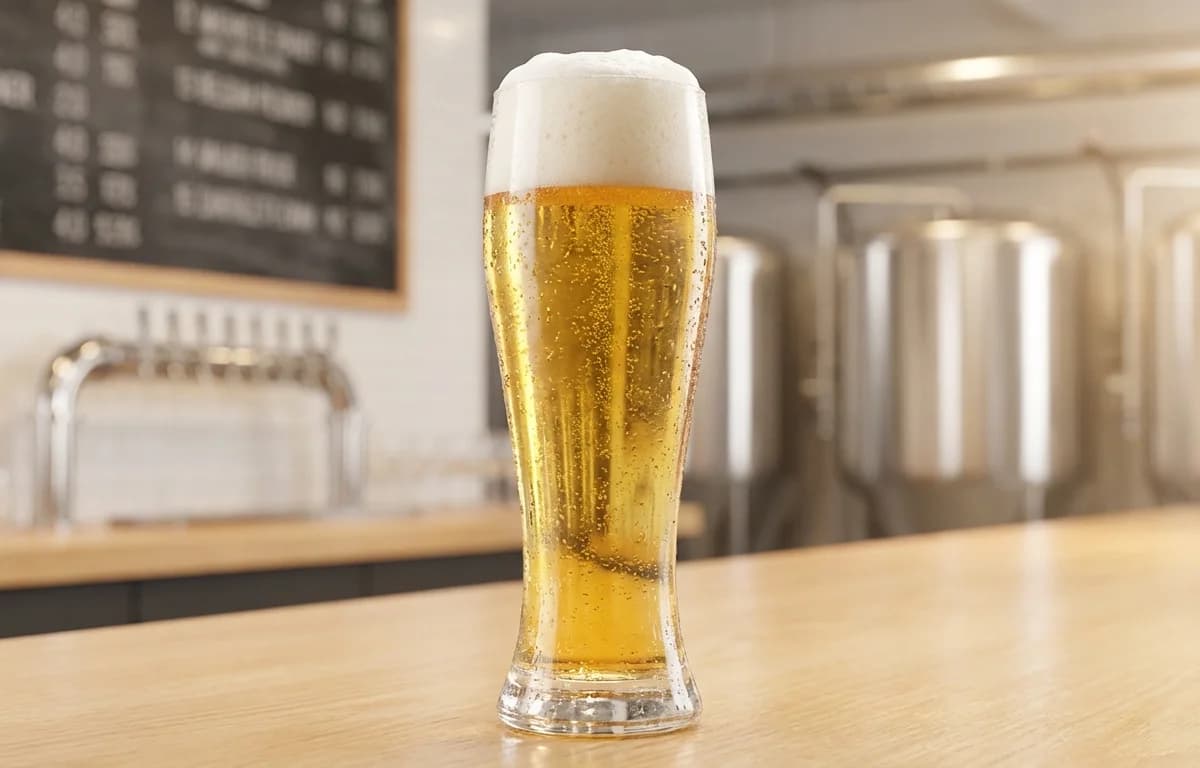
A crisp, refreshing homebrewed pilsner with a twist. This recipe combines the clean malt profile of a classic pilsner with the subtle fruity esters from a Belgian yeast strain, balanced by noble hops.
For 50 servings
Mash the Grains
Mash Out and Sparge
Boil the Wort
A crisp, refreshing homebrewed pilsner with a twist. This recipe combines the clean malt profile of a classic pilsner with the subtle fruity esters from a Belgian yeast strain, balanced by noble hops.
This Belgian recipe takes 180 minutes to prepare and yields 50 servings. At 346.64 calories per serving with 10.04g of protein, it's a moderately challenging recipe perfect for beverage.
Chill Wort and Pitch Yeast
Ferment and Lager
Bottle and Carbonate
For a different noble hop character, you can substitute the Hallertau hops with Tettnanger or Spalt hops.
Experiment with a different Belgian lager yeast strain to produce a different profile of fruity esters. Alternatively, use a classic German lager yeast (like Wyeast 2124) for a more traditional pilsner flavor.
For a slightly deeper color and more complex malt flavor, replace 1 lb of the Pilsner malt with 1 lb of Vienna malt.
Brewer's yeast is a rich source of B vitamins, including B3 (niacin), B6 (pyridoxine), and B9 (folate), which are important for energy metabolism and overall health. Some of these vitamins carry over into the finished beer.
Beer is a significant source of dietary silicon, derived from the husks of malted barley. Silicon plays a role in the growth and development of bone and connective tissue, potentially contributing to bone health.
Compounds found in both malt (melanoidins) and hops (xanthohumol) have antioxidant properties, which can help combat oxidative stress in the body. Note: These benefits are associated with moderate consumption only.
A 12 oz serving of this homebrewed Belgian Pilsner is estimated to have approximately 155 calories, based on a typical alcohol by volume (ABV) of around 5%.
When consumed in moderation, beer can be part of a balanced lifestyle. It contains B vitamins and minerals like silicon from its raw ingredients. However, it is an alcoholic beverage and should be consumed responsibly. Excessive alcohol consumption has negative health effects.
For this recipe, you should aim for an Original Gravity (OG) around 1.048 and a Final Gravity (FG) around 1.010. This will result in an alcohol by volume (ABV) of approximately 5%.
Lager yeasts, like the one used here, ferment at much colder temperatures than ale yeasts. Fermenting too warm can produce unwanted fruity esters and fusel alcohols, resulting in a beer that is not clean and crisp like a pilsner should be.
Yes, you can substitute a dry lager yeast, such as Saflager W-34/70. Be sure to use two packets to ensure a sufficient cell count for a healthy fermentation, and rehydrate it according to the manufacturer's instructions before pitching.
Lagering comes from the German word 'lagern,' which means 'to store.' In brewing, it refers to the process of cold-storing beer for an extended period (weeks to months). This process allows flavors to mellow and mature, proteins and yeast to drop out of suspension (creating a clear beer), and results in the signature smooth, clean finish of a pilsner.