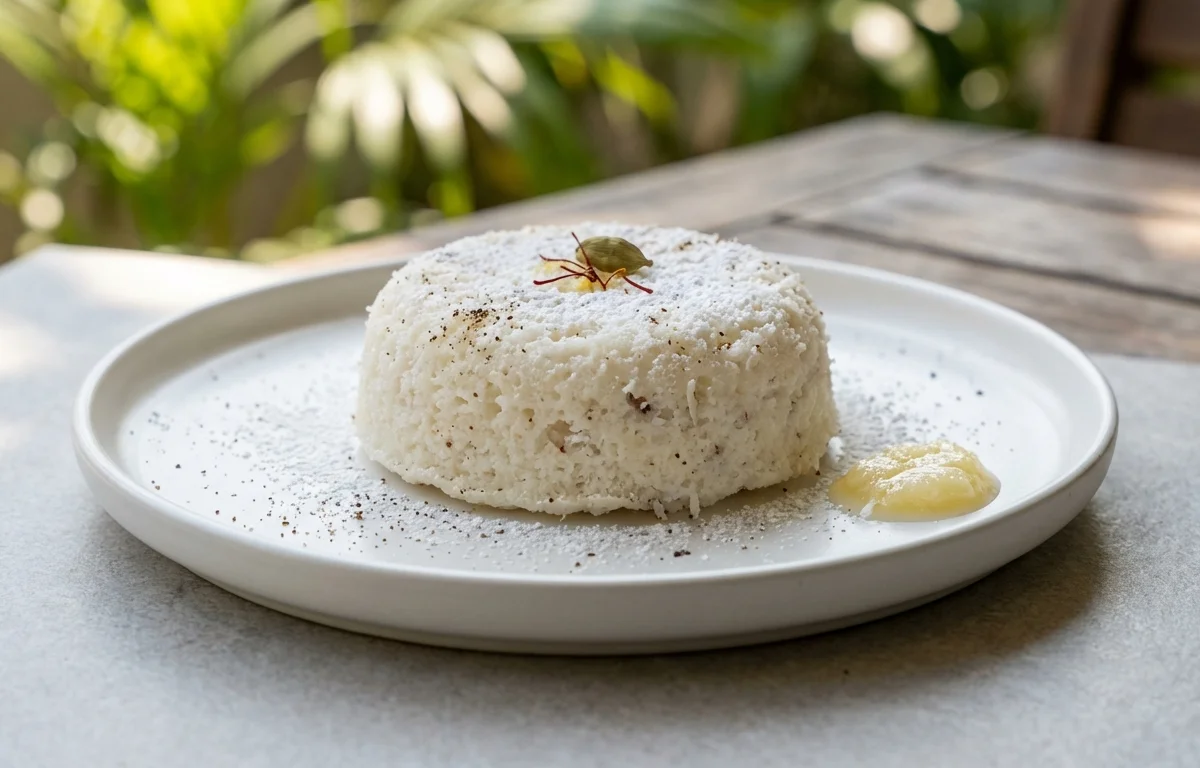
Goan Santhan
A delicate, mildly sweet Goan rice dish cooked with fresh coconut and a hint of jaggery. Unlike heavier coconut rice varieties, Santhan is gently steamed in its own coconut milk until each grain is soft, separate, and fragrant. A humble temple-offering dish that doubles as a beautiful companion to spicy Goan curries.
For 4 servings
- prep · ~20 min
Wash and soak the rice.
Wash basmati rice gently in 2-3 changes of water until the water runs mostly clear. Soak in fresh water for 20 minutes, then drain completely.
TIPA 20-minute soak helps the grains lengthen and cook evenly without breaking. - saute · ~1 min
Lightly toast the whole spices and cashews.
1.Heat ghee in the pressure cooker over low heat until it shimmers.2.Add crushed cardamom pods, cloves, and split cashews.3.Sauté gently for about 45 seconds, just until the cashews turn pale gold.TIPKeep the heat low — Goan Santhan is meant to be pale and fragrant, not browned. - mix · ~2 min
Combine coconut, jaggery and rice.
1.Stir the drained rice into the pot. Sauté for 30 seconds to coat each grain in ghee.2.Add the freshly grated coconut and powdered jaggery.3.Fold gently until evenly distributed.4.Pour in water, add salt, and give it one final gentle stir.TIPDon't over-mix once the water is added; you want to keep the rice grains intact. - pressure cook · ~10 min
Pressure cook until perfectly steamed.
Close the pressure cooker lid and cook on medium heat. Wait for 1 whistle, then reduce the flame to the lowest setting and cook for exactly 6 more minutes. Turn off the heat and let the pressure release naturally.
TIPNatural pressure release is essential — it finishes steaming the rice gently without turning it mushy. - rest · ~3 min
Rest and fluff.
Once the pressure has dropped completely, open the lid. Let the rice sit undisturbed for 3 minutes, then fluff gently with a fork.
- serve
Serve hot with Goan curry or dal.
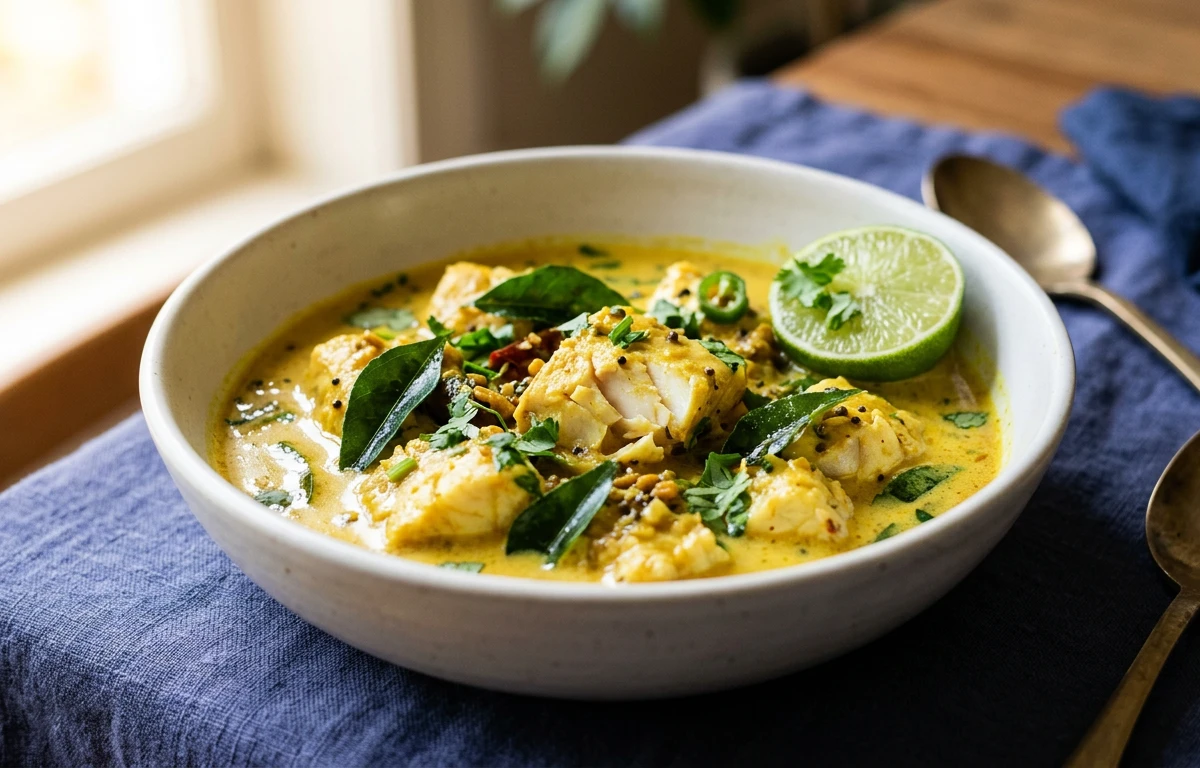
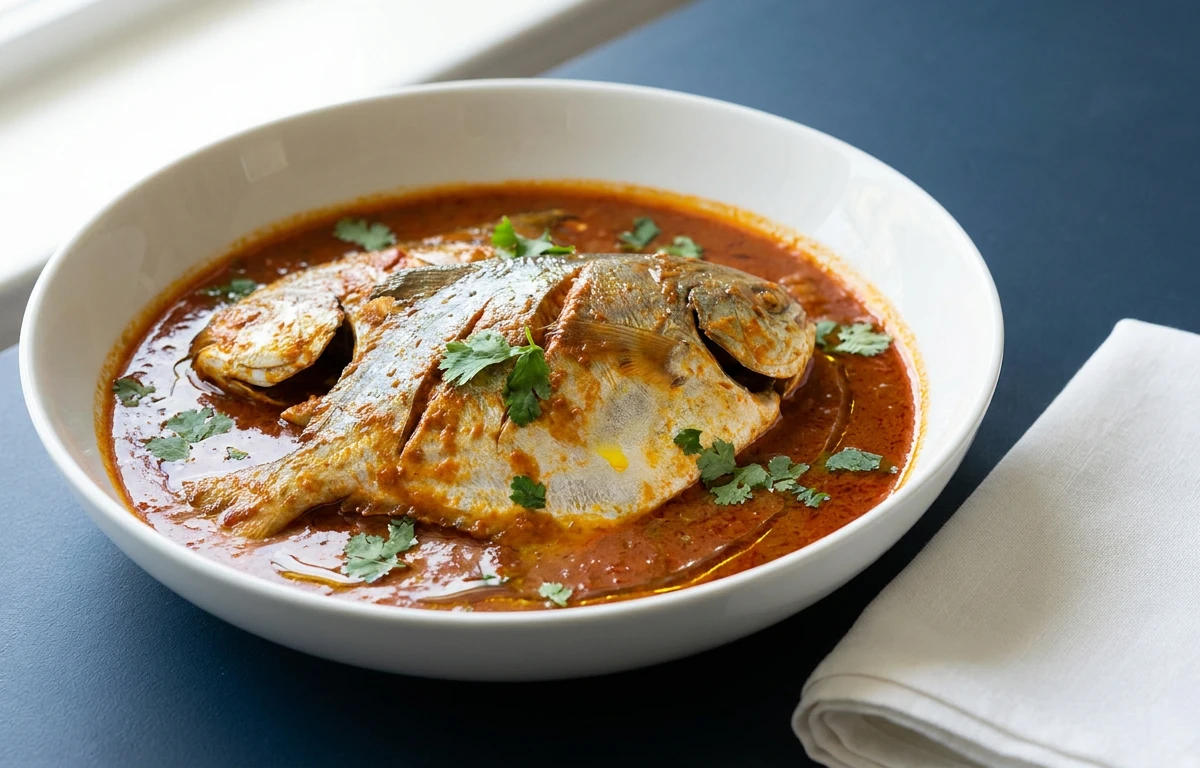
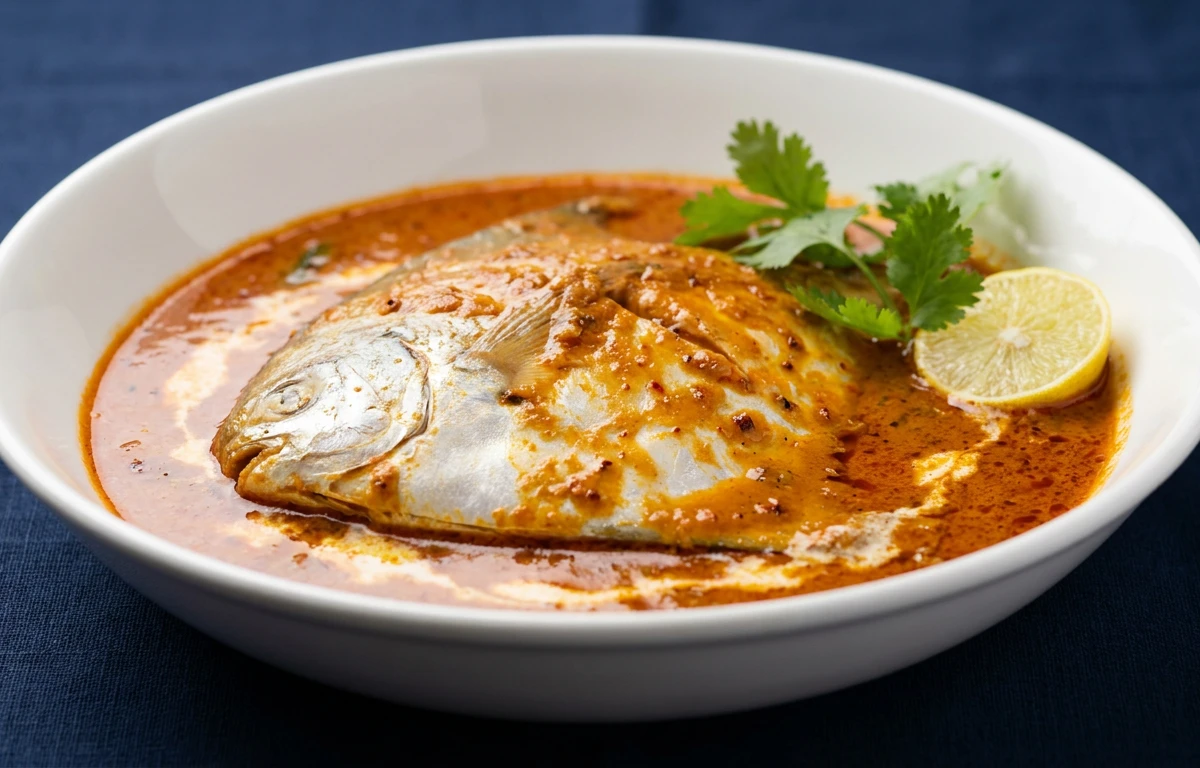
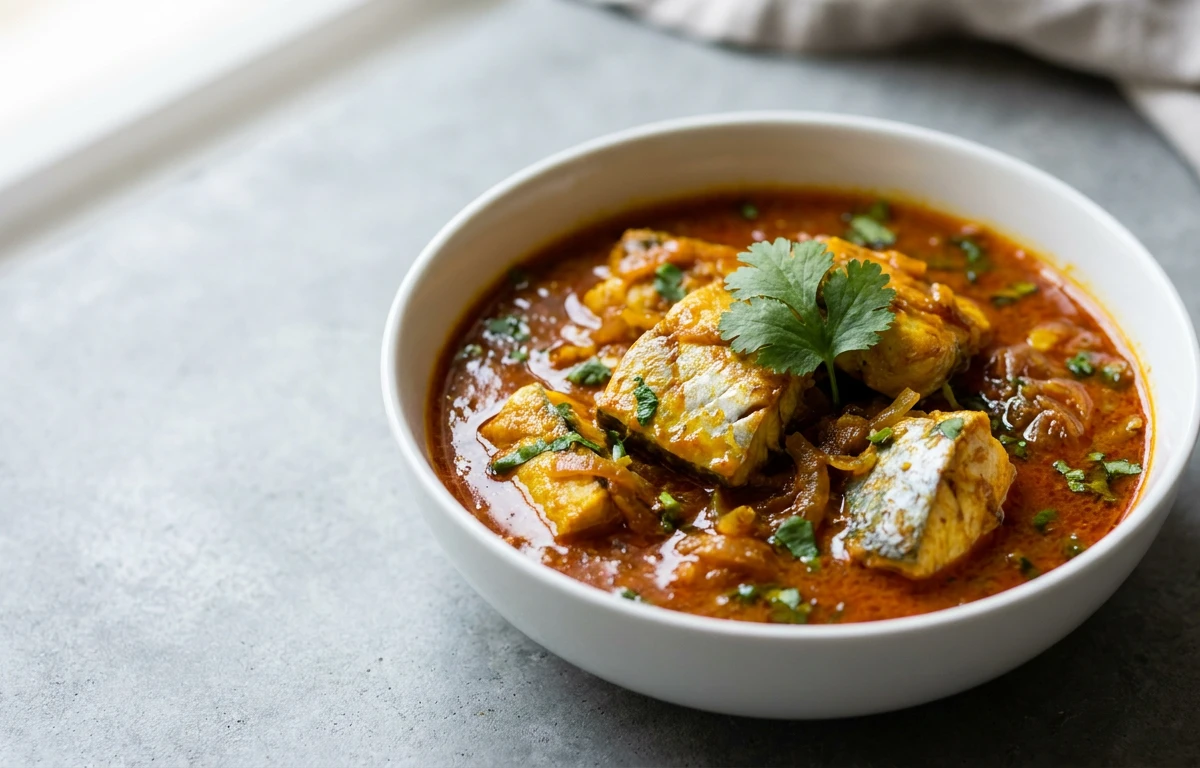
Transfer the santhan to a serving bowl. Serve warm alongside a spicy Goan fish curry, sorak, or a simple dal.
What to keep in mind.
6 tips from the recipe — small details that make a real difference to the final dish.
- 1Use freshly grated coconut, not dried or packaged, for the authentic mild sweetness.
- 2Soak the rice for exactly 20 minutes to ensure even cooking and separate grains.
- 3Keep the flame low when toasting spices; santhan should remain pale, not browned.
- 4Let the pressure release naturally for 10–12 minutes to avoid mushy rice.
- 5Fluff gently with a fork after resting; do not stir vigorously or grains will break.
- 6This dish firms up slightly on cooling; reheat with a splash of warm water if needed.
Adapt it for your goals.
Vegan
Replace ghee with coconut oil or a neutral oil like sunflower; the flavour remains authentic and the dish becomes fully plant-based.
Nut FreeNut-Free
Omit the cashew garnish entirely or substitute with a few raisins or pumpkin seeds; the texture changes slightly but the essence stays intact.
Saffron InfusedSaffron-Infused
Add 2–3 saffron strands along with the water for a more aromatic, golden-hued santhan; ideal for festive meals.
Low JaggeryLow-Jaggery
Reduce jaggery to 1 teaspoon or replace with a pinch of stevia for a less sweet version that still complements spicy curries.
Why this is on our healthy list.
Rich in Healthy Fats
Coconut and cashews provide medium-chain triglycerides (MCTs) and heart-friendly unsaturated fats that support energy and satiety.
Natural Sweetener
Jaggery offers a more complex sweetness than refined sugar, with trace minerals like iron and magnesium from the sugarcane juice.
Digestive Aid
Cardamom and cloves are traditionally used to soothe digestion and reduce bloating, complementing the light texture of the rice.
Gluten-Free Grain
Basmati rice is naturally gluten-free, making this dish suitable for those with celiac disease or gluten sensitivity.
Frequently asked questions
Yes, but the grains will be less separate and may turn slightly sticky. Goan ukda rice is ideal; if using another short-grain, reduce water slightly.