Let's be honest, nobody eats brie because they think it's a health food. It's the cheese you get for a special occasion — gooey, luxurious, and a little bit decadent. But what if I told you that from a nutritional standpoint, brie is surprisingly straightforward? It's rich in protein and fat, with virtually zero carbohydrates. This means it has a secret life as a keto-friendly food that won't mess with your blood sugar. The trick, as with all good things, is in the portion size.
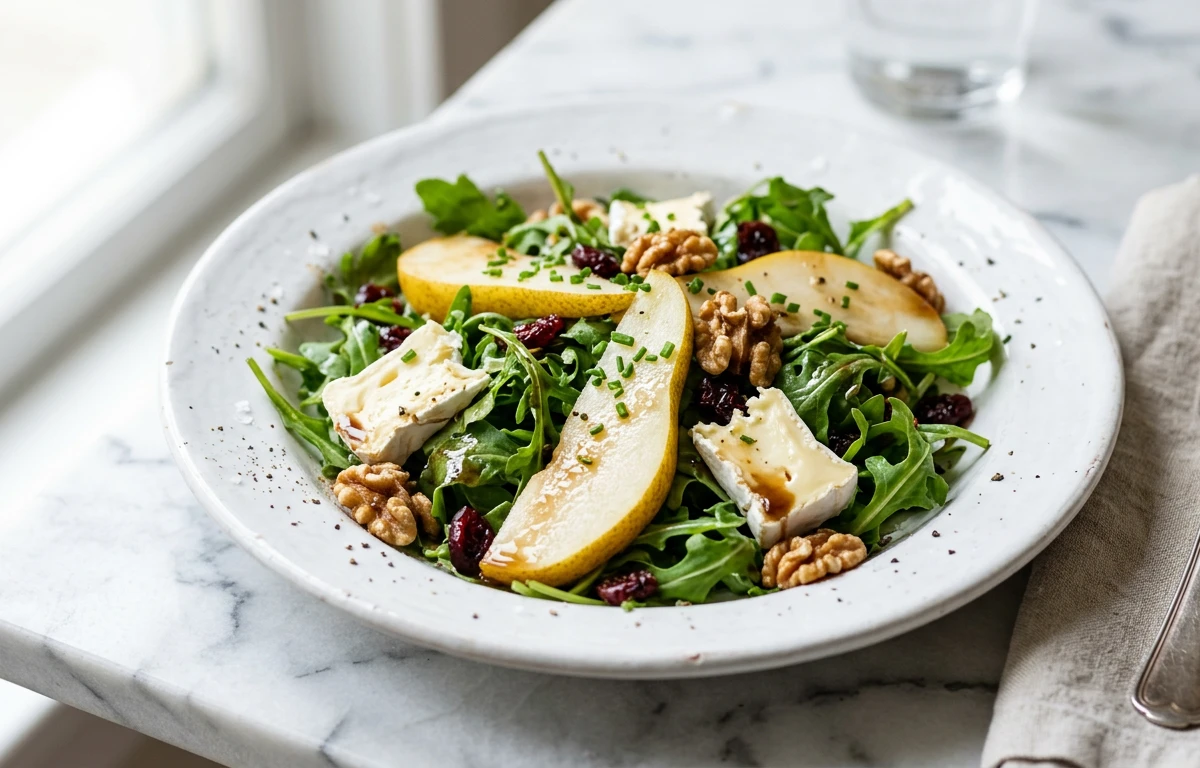
↑ Creamy brie — high in fat and protein, with virtually no carbs.
The creamy indulgence
Brie is a soft-ripened cheese made from cow's milk, famous for its edible white rind and a buttery, creamy interior that gets even softer as it warms up. It's the star of any cheese board for a reason. But behind that luxurious texture is a very simple nutritional profile: it's mostly fat and protein.
The conversation around brie usually revolves around indulgence, but the lack of carbohydrates is its most interesting nutritional feature. It means that, unlike bread or fruit, a slice of brie has almost no effect on your blood sugar levels, which is a pretty big deal.
IN ONE LINE
Brie is a high-fat, high-protein cheese with almost no carbohydrates, making it keto-friendly and having a near-zero impact on blood sugar. The key is mindful portions due to its calorie density.
Brie nutrition facts
Here’s the nutritional breakdown for a 100-gram serving of brie cheese, which is a pretty generous slice (about 3.5 ounces).
The numbers speak for themselves. You get a huge hit of protein and fat, which makes brie incredibly satiating — a small amount goes a long way. The two things to watch are the saturated fat and sodium. That 87% DV for saturated fat is a big number, and it's why brie is best enjoyed in moderation, not as an everyday staple for most people.
Don't forget the sodium. A 100g serving of brie can pack over a quarter of your daily sodium limit. If you're managing blood pressure, be extra mindful of your portion.
Brie's glycemic index
This is the easy part. The glycemic index (GI) measures how quickly a food's carbohydrates raise your blood sugar. Since brie has virtually no carbs (just half a gram per 100g), it doesn't have a measurable GI. For all practical purposes, its GI is zero. This is fantastic news for anyone managing blood sugar, as you can eat brie without worrying about a spike. It's the crackers, fruit, or honey you pair it with that you need to think about.
GLYCEMIC INDEX · BRIE vs COMMON FOODS
Brie has a near-zero glycemic impact
Brie Cheese
dairy
LOW
Cherries
whole fruit
LOW
Apple
whole fruit
LOW
Pineapple
whole fruit
MEDIUM
White bread
refined
HIGH
SCALE 0–90
04590
The smart way to eat it
Enjoying brie is easy, but a few simple habits can help you get all the pleasure without the regret.
01
Watch the portion.
A sensible serving is about 1 ounce (28g), which is around 95 calories. Use a cheese knife and serve slices, don't just leave a whole wedge out for hacking.
02
Let it breathe.
Take brie out of the fridge about an hour before serving. A room-temperature cheese has a much better flavor and texture, so you'll feel more satisfied with a smaller amount.
03
Pair with fiber.
Serve brie with high-fiber foods like apple slices, pears, or whole-grain crackers. The fiber helps with fullness and slows down any sugar from fruit or jam.
04
Eat the rind.
The white, bloomy rind is completely edible! It's created by a harmless mold (Penicillium camemberti) and adds a slightly earthy flavor and texture. It's all part of the experience.
What brie is good for
01
Excellent for keto & low-carb
With high fat, moderate protein, and almost zero carbs, brie is a perfect fit for a ketogenic or low-carb eating plan.
<1g
carbs
02
Promotes satiety
The combination of fat and protein is highly satiating, meaning a small amount can keep you feeling full and prevent snacking on less nutritious options.
21g
protein
03
Supports bone health
As a dairy product, brie provides a useful amount of calcium and protein, both of which are essential for maintaining strong bones.
14%
calcium DV
04
No blood sugar spike
Because it contains virtually no carbohydrates, brie does not raise blood glucose levels, making it a safe and satisfying food for people with diabetes.
GI ≈0
low
What to pair brie with
Brie is a team player. Pairing it smartly balances its richness and creates a more complete snack or meal.
Eat freely — or be mindful?
Three ways to enjoy it
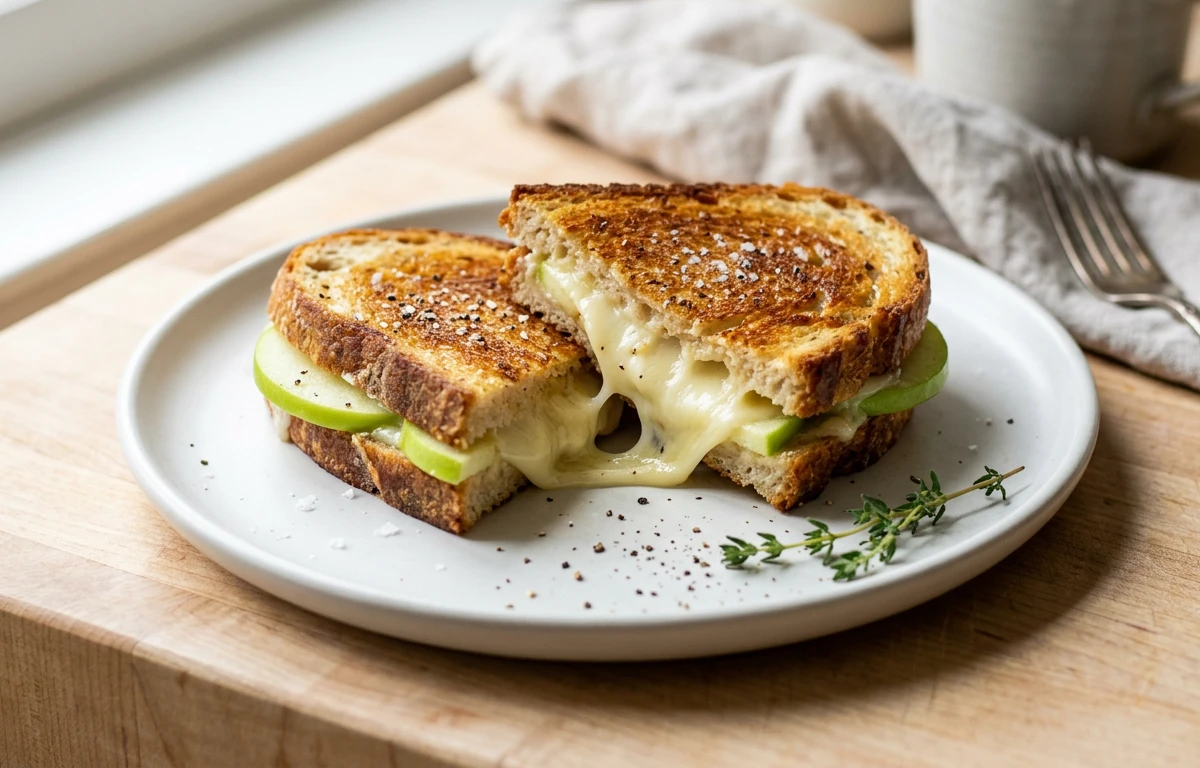
Beyond the cheese board, brie melts beautifully and adds a touch of luxury to simple dishes.

Want rich foods like brie worked into a balanced week?
Our meal planner can incorporate satisfying, high-fat foods in sensible portions, balancing them with fiber and lean protein for a healthy week — with a single grocery list at the end.
Build my weekly plan →SOURCES & REFERENCES · 3
One more thing
Eating well is rarely about willpower. It’s about having a short list of dinners you actually want to eat. Pick two from this list. Make them next week. The rest will follow.
If you want these on autopilot, our weekly meal planner can drop the picks above into your calendar with one click and build a single grocery list from the merged ingredients.
FREQUENTLY ASKED QUESTIONS
Frequently asked questions
Can people with diabetes eat brie?
Yes. Brie cheese contains almost no carbohydrates, so it does not raise blood sugar levels. It's a very safe choice for people with diabetes, though it's still important to be mindful of the calorie and fat content.
Is brie keto-friendly?
Absolutely. Brie is an ideal food for a ketogenic diet because it is high in fat, has a moderate amount of protein, and contains negligible carbohydrates. It helps meet fat macros without adding carbs.
Is the white rind on brie edible?
Yes, the rind is completely safe and meant to be eaten. It's a type of edible mold called Penicillium camemberti that contributes to the cheese's unique flavor and texture. Some people prefer not to eat it, and that's fine too.
Is brie bad for cholesterol?
Brie is high in saturated fat, which has been linked to higher LDL ('bad') cholesterol levels in some people. However, recent research suggests that the saturated fat from whole-food dairy sources like cheese may not have the same negative impact as other sources. If you have high cholesterol, it's best to enjoy brie in moderation and consult with your doctor or dietitian.
METHODOLOGY
How this article was created
Built using verified nutrition databases, culinary research, and traditional cooking knowledge — every claim is cross-referenced against the sources listed in the article.
· USDA data· Culinary research· Quality reviewed
Read our methodology →TRANSPARENCY
About this content
Articles are curated using trusted food databases (USDA FoodData Central, IFCT), culinary literature, and dietary guidelines, then structured by our editorial team for clarity, accuracy, and usefulness.
· Verified data sources· Culinary research· Quality reviewed
Read our editorial policy →EXPLORE OUR MEALS
Meals that fit this article

AMERICAN · 1677 CAL
Almonds with Sliced Apple + supplement + iron

MEDITERRANEAN · 809 CAL
Greek Yogurt with Berries Almonds and Granola + supplement + iron

GENERAL_HEALTHY · 705 CAL
Banana with Peanut Butter Pregnancy + supplement + iron

MODERN · 982 CAL
Hummus with Crudits and Pita with Fresh Orange Snack + supplement + iron
TAGGED
KEEP READING