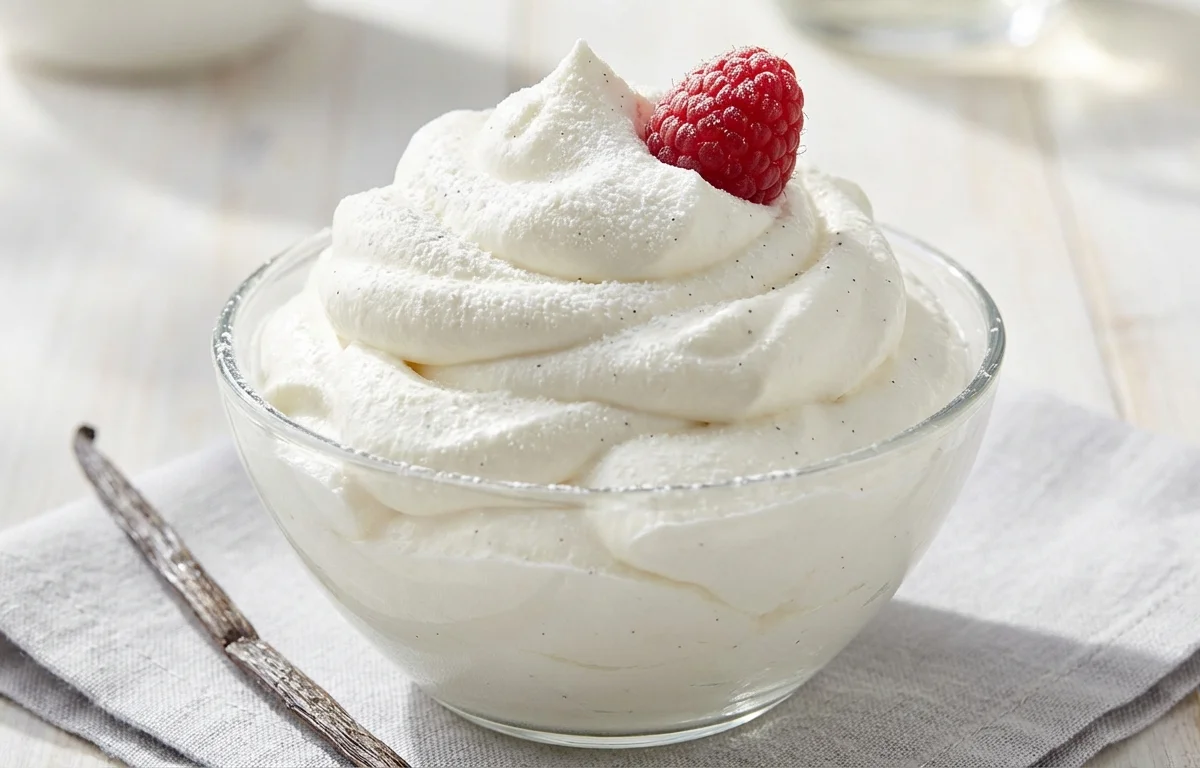
For decades, cream was public enemy number one — the fatty villain in the low-fat story we were all told. But as we've moved past fearing fat, it's time for a rethink. A splash of real cream isn't just about indulgence; it's a culinary tool for adding richness, carrying flavour, and providing a kind of deep satisfaction that a low-fat substitute just can't touch. The key isn't banning it. It's understanding what it is — mostly fat — and using it smartly.
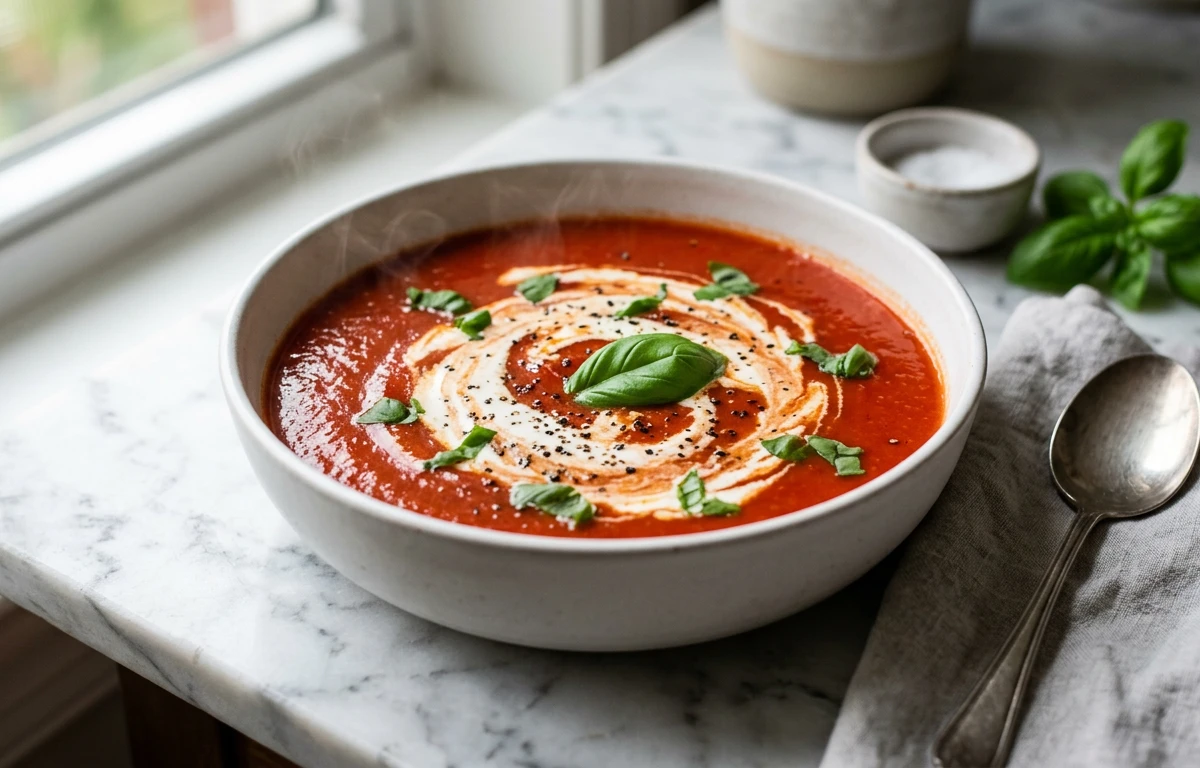
↑ A little goes a long way — use cream for richness, not volume.
Rethinking a classic
Cream is simple. It's the high-fat layer skimmed from the top of milk. That's it. For years, that high fat content made it a dietary pariah. We swapped it for watery, low-fat yogurts and weird coffee whiteners, and our food got a little sadder in the process.
But here's the thing: fat is not the enemy. Eaten in the right amounts, it's essential. It provides energy, helps you absorb vitamins, and makes food taste good. Cream is an incredibly effective way to add a small amount of fat to a meal to make it more satisfying, which can actually help you eat less overall. It's a tool for flavor and satiety, not a food group to binge on.
IN ONE LINE
Cream is a high-fat, very low-carb ingredient. Its healthiness is all about the portion — use a tablespoon for richness, not a cup for volume.
Milk cream nutrition facts
The numbers for cream are stark: it's almost all fat and water, with a tiny amount of protein and carbohydrate. This profile is for a generic heavy cream, with fat content around 36%. Let's look at a 100-gram serving (about 7 tablespoons).
The numbers don't lie. Cream is energy-dense. That 345 calories and 36 grams of fat in 100 grams is why you use it by the spoonful, not the cup. The carbohydrate count is tiny, which is the most important takeaway for anyone managing blood sugar.
Cream's glycemic index: a non-issue
Glycemic index (GI) measures how much a carbohydrate-containing food raises your blood sugar. And that's the key: cream isn't a carbohydrate food. With only about 3 grams of carbs per 100 grams, its effect on blood sugar is practically zero.
You won't find a formal GI value for cream for the same reason you won't find one for olive oil or butter — there's not enough carbohydrate to measure. For all practical purposes, its GI is negligible, making it an excellent addition to meals for anyone concerned about blood sugar spikes.
GLYCEMIC INDEX · CREAM vs COMMON FOODS
Cream has a negligible effect on blood sugar
Milk Cream
negligible carbs
LOW
Cherries
whole fruit
LOW
Apple
whole fruit
LOW
White bread
refined
HIGH
Cornflakes
refined
HIGH
SCALE 0–90
04590
The smart way to use it
Enjoying cream is all about context and portion. A few simple rules make it a friend, not a foe.
01
Think in tablespoons.
A tablespoon of heavy cream has about 50 calories and 5 grams of fat. It's the perfect amount to enrich a coffee, a soup, or a sauce.
02
Use it to add satiety.
A splash of cream in a vegetable soup or with a bowl of berries turns a light snack into something that will actually keep you full.
03
Whip it yourself.
Homemade whipped cream with a tiny bit of sweetener is worlds apart from canned, sugar-filled toppings. You control the ingredients.
04
Don't cook with low-fat cream.
Creams with lower fat content (like single cream or half-and-half) are more likely to curdle when heated. Use heavy or whipping cream for sauces.
What cream is good for
01
A Keto & Low-Carb All-Star
With high fat and minimal carbs, cream is a perfect ingredient for ketogenic and low-carb diets to add energy and flavor.
3.2g
carbs / 100g
02
Blunts Blood Sugar Spikes
Adding fat to a meal slows down the absorption of carbohydrates. A splash of cream can help moderate the glycemic impact of a meal.
GI ≈ 0
negligible
03
Boosts Satiety and Fullness
Fat is digested slowly, promoting a feeling of fullness that can help with appetite control. A little cream makes a meal more satisfying.
36g
fat / 100g
04
The Ultimate Flavor Carrier
Many flavor compounds and vitamins (A, D, E, K) are fat-soluble. Cream helps unlock and distribute these flavors across the palate.
Flavor
enhancer
What to pair cream with
Cream's rich, neutral flavor makes it a perfect partner for both sweet and savory foods. The goal is to use cream to complement other nutrient-dense ingredients.
Use freely — or be mindful?
Three ways to use it
Beyond a splash in your coffee, here are three simple ways to incorporate cream into your cooking.

Want to build a balanced meal plan that makes room for real foods?
Our meal planner helps you incorporate ingredients like cream in sensible portions, balancing them with fibre and protein for steady energy — with a single grocery list at the end.
Build my weekly plan →SOURCES & REFERENCES · 3
One more thing
Eating well is rarely about willpower. It’s about having a short list of dinners you actually want to eat. Pick two from this list. Make them next week. The rest will follow.
If you want these on autopilot, our weekly meal planner can drop the picks above into your calendar with one click and build a single grocery list from the merged ingredients.
FREQUENTLY ASKED QUESTIONS
Frequently asked questions
Is milk cream healthy?
It's not a 'health food,' but it can be part of a healthy diet. Cream is a source of fat and calories without many vitamins or minerals. Its healthiness depends entirely on the portion size and what the rest of your diet looks like. Used in small amounts, it's a great tool for flavor and satiety.
Can people with diabetes eat cream?
Yes, absolutely. Since it's extremely low in carbohydrates, it has a negligible effect on blood sugar levels, making it a very suitable fat source for people with diabetes.
Will eating cream make me gain weight?
Cream is very calorie-dense, so large amounts can contribute to weight gain. However, because fat is satiating, a small amount can help you feel fuller for longer, which might help with weight management. As always, portion control is the key.
What's the difference between heavy cream and whipping cream?
It's mainly about fat content. Heavy cream (or double cream in the UK) has about 36-40% fat. Whipping cream has slightly less, around 30-35%. Both can be whipped, but heavy cream creates a more stable, thicker foam.
METHODOLOGY
How this article was created
Built using verified nutrition databases, culinary research, and traditional cooking knowledge — every claim is cross-referenced against the sources listed in the article.
· USDA data· Culinary research· Quality reviewed
Read our methodology →TRANSPARENCY
About this content
Articles are curated using trusted food databases (USDA FoodData Central, IFCT), culinary literature, and dietary guidelines, then structured by our editorial team for clarity, accuracy, and usefulness.
· Verified data sources· Culinary research· Quality reviewed
Read our editorial policy →RELATED RECIPES
Cook from this article
EXPLORE OUR MEALS
Meals that fit this article

AMERICAN · 1677 CAL
Almonds with Sliced Apple + supplement + iron

MEDITERRANEAN · 809 CAL
Greek Yogurt with Berries Almonds and Granola + supplement + iron

GENERAL_HEALTHY · 705 CAL
Banana with Peanut Butter Pregnancy + supplement + iron

MODERN · 982 CAL
Hummus with Crudits and Pita with Fresh Orange Snack + supplement + iron
TAGGED
KEEP READING