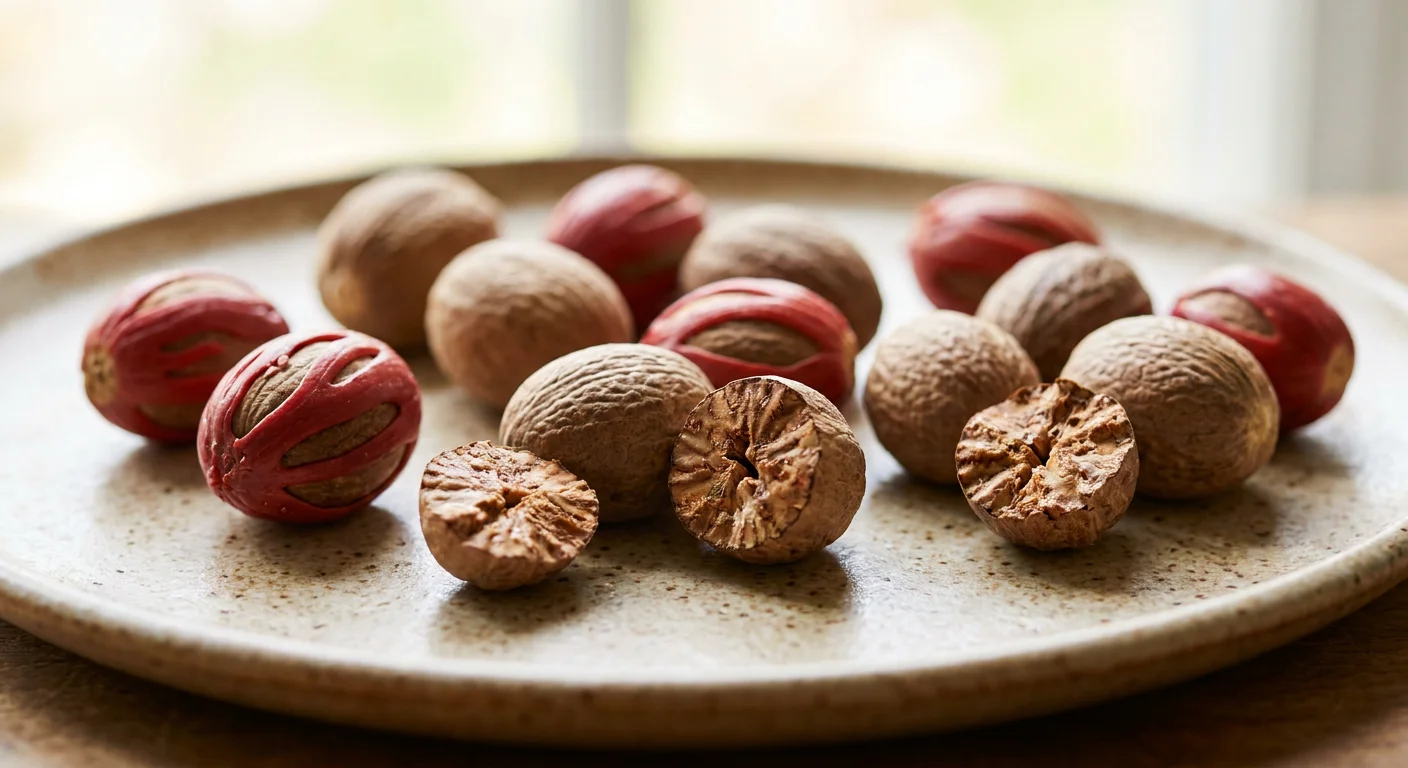
A ripe fig is one of life's small, fleeting luxuries. That jammy, honeyed flesh packed with tiny, crunchy seeds is a texture all its own. But are they healthy? People worry about the sugar, and it's true, they're sweet. But that's only half the story. A fresh fig is mostly water and a surprising amount of fiber, which changes the equation entirely. The trick isn't to avoid figs; it's to eat them fresh and whole, not dried into a sugar-dense candy.
↑ A ripe fig is best eaten fresh — skin, seeds, and all.
The surprisingly fibrous fruit
A perfectly ripe fig is a truly special thing. Unlike most fruit, it's technically an 'inverted flower' — those tiny crunchy bits inside are the actual fruit. This unique structure is what gives it that jammy, seedy texture that people either love or hate.
Nutritionally, the story is all about fiber. For a fruit that tastes so much like honeyed jam, it's loaded with it. That fiber is the key to understanding why a fresh fig behaves so much better in your body than, say, a spoonful of actual jam. It slows everything down, from digestion to sugar absorption, making the fig a far more balanced food than its sweet taste suggests.
IN ONE LINE
A fresh fig's real superpower is fiber. At nearly 3 grams per serving, it's a gut-friendly fruit that helps balance its own natural sweetness.
Fresh fig nutrition facts
Here’s the nutritional breakdown for a 100-gram serving, which is about two medium-sized fresh figs.
The standout number here is the fiber: 2.9 grams is about 10% of your daily need, which is a lot for a couple of small fruits. The carbohydrate count looks high, but remember that fiber is part of that number and works to slow down the absorption of the sugar. You also get a helpful dose of potassium, which is important for balancing blood pressure.
Watch out for dried figs. They're delicious, but they are basically nature's candy. Drying removes all the water, concentrating the sugar to over 47 grams per 100g. Treat them as a sweet, not a health food.
A Fig's Glycemic Index Explained
The Glycemic Index (GI) is a 0-100 scale that tells us how quickly a food raises blood sugar. Anything under 55 is low, 56-69 is medium, and 70+ is high. Here's the tricky part: there isn't a single, universally agreed-upon GI value for fresh figs. Some sources place them in the low 30s, others closer to 50.
Given their sugar content, it's safest to think of them as a low-to-medium GI fruit. They are certainly not high-GI like watermelon or white bread, thanks to all that fiber. But they're also not as low-GI as something like a grapefruit or cherries. The context below helps show where they likely fit.
GLYCEMIC INDEX · FIGS vs COMMON FOODS
Where figs fit on the Glycemic Index scale
Cherries
whole fruit
LOW
Apple
whole fruit
LOW
Pineapple
whole fruit
MEDIUM
Watermelon
whole fruit
HIGH
White Bread
refined
HIGH
SCALE 0–90
04590
The best way to eat figs
Getting the most from a fig is simple. It's less about complicated recipes and more about a few good habits.
01
Eat the skin.
Yes, you can eat the skin of a fig! It's where much of the fiber and nutrients are. Just give it a good wash first.
02
Stick to a portion.
A sensible serving is about two or three medium figs. This gives you the benefits without overdoing the sugar and carbs.
03
Pair with protein or fat.
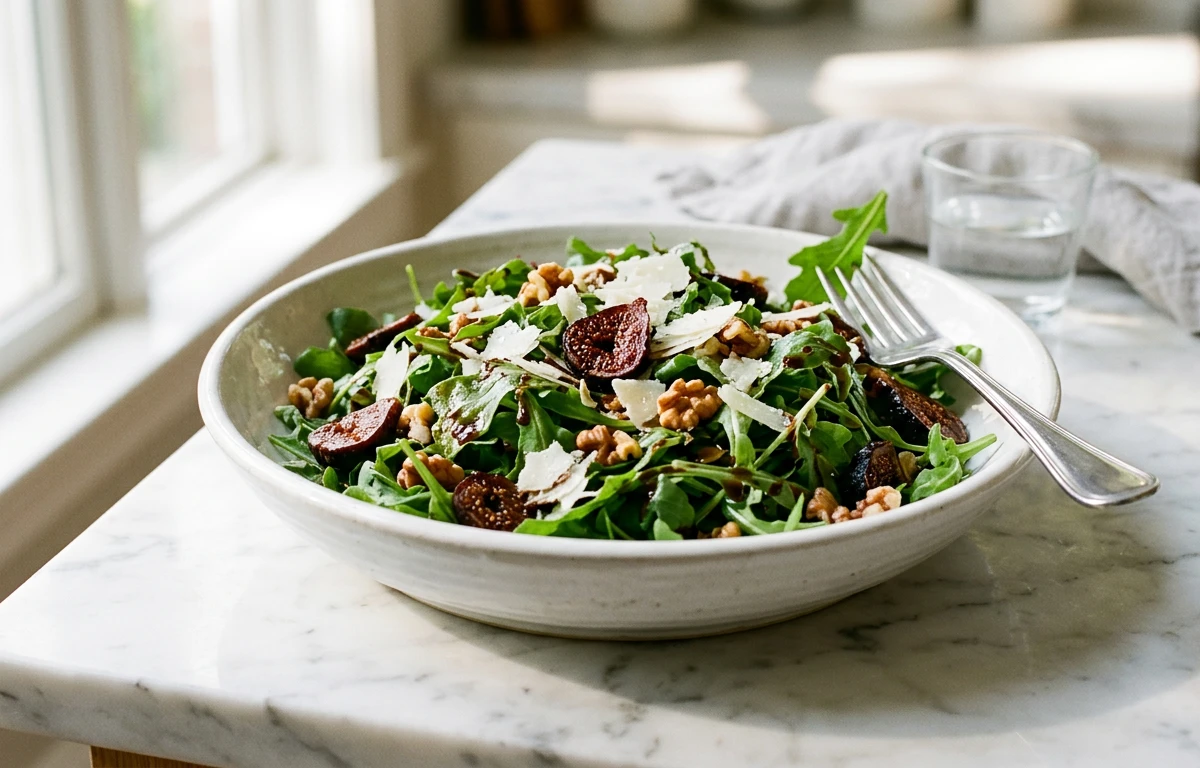
Eating figs with a handful of nuts, a slice of cheese, or some Greek yogurt helps slow sugar absorption and makes for a more balanced, filling snack.
04
Choose fresh over dried.
For everyday eating, fresh is best. Save dried figs for an occasional treat or as a natural sweetener in baking, used sparingly.
What figs are good for
01
Excellent for digestive health
With nearly 3 grams of fiber per serving, figs are fantastic for promoting regularity and feeding the good bacteria in your gut.
2.9 g
fiber
02
Helps manage blood pressure
Figs are a good source of potassium, a mineral that helps counteract the effects of sodium and relax blood vessel walls.
232 mg
potassium
03
Supports bone health
Figs provide small but useful amounts of bone-building minerals like calcium and magnesium, which work together for bone density.
35 mg
calcium
04
A source of antioxidants
Especially in their dark skins, figs contain polyphenols, a type of antioxidant that helps protect your body's cells from damage.
Rich
in polyphenols
What to pair figs with
Figs' deep, honey-like sweetness makes them a natural partner for savory, salty, and creamy foods. Adding protein or fat is a smart move to create a balanced snack or meal.
Eat freely — or be mindful?
Three ways to eat them
Beyond just eating them plain, fresh figs shine in simple preparations that complement their unique flavor and texture.


Want fruit worked into a balanced week — without the planning?
Our meal planner pairs fruit like figs with protein and fibre for steady energy, with portions and macros already calculated and a single grocery list at the end.
Build my weekly plan →SOURCES & REFERENCES · 3
One more thing
Eating well is rarely about willpower. It’s about having a short list of dinners you actually want to eat. Pick two from this list. Make them next week. The rest will follow.
If you want these on autopilot, our weekly meal planner can drop the picks above into your calendar with one click and build a single grocery list from the merged ingredients.
FREQUENTLY ASKED QUESTIONS
Frequently asked questions
Are figs good for constipation?
Yes, they are excellent for constipation. Their high content of both soluble and insoluble fiber helps add bulk to stool and promote regular bowel movements.
Can you eat the skin of a fig?
Absolutely. The skin is completely edible and contains a good amount of the fig's fiber and nutrients. Just be sure to wash the fruit well before eating.
Are figs too high in sugar for people with diabetes?
They need to be eaten with care. While the fiber helps, figs still contain a notable amount of sugar. A small portion of 1-2 fresh figs, paired with a source of protein or fat like nuts or cheese, can often fit into a diabetes-friendly diet. It's best to monitor your own blood sugar response.
How many fresh figs can I eat a day?
A good general guideline is to stick to a serving of 2-4 medium-sized fresh figs per day. This allows you to get the benefits without consuming an excessive amount of sugar.
METHODOLOGY
How this article was created
Built using verified nutrition databases, culinary research, and traditional cooking knowledge — every claim is cross-referenced against the sources listed in the article.
· USDA data· Culinary research· Quality reviewed
Read our methodology →TRANSPARENCY
About this content
Articles are curated using trusted food databases (USDA FoodData Central, IFCT), culinary literature, and dietary guidelines, then structured by our editorial team for clarity, accuracy, and usefulness.
· Verified data sources· Culinary research· Quality reviewed
Read our editorial policy →EXPLORE OUR MEALS
Meals that fit this article

AMERICAN · 1677 CAL
Almonds with Sliced Apple + supplement + iron

MEDITERRANEAN · 809 CAL
Greek Yogurt with Berries Almonds and Granola + supplement + iron

GENERAL_HEALTHY · 705 CAL
Banana with Peanut Butter Pregnancy + supplement + iron

MODERN · 982 CAL
Hummus with Crudits and Pita with Fresh Orange Snack + supplement + iron
TAGGED
KEEP READING