Walk past a ripe jackfruit and you can't miss the smell: a wildly sweet, funky perfume that promises something intense. Inside, the fleshy pods are just that — a chewy, fibrous fruit with a flavor somewhere between a banana and a pineapple. But there's a lot of confusion. Is it a health food? A sugar bomb? The truth is, ripe jackfruit is a perfectly sensible fruit, as long as you understand what it is: a starchy, sweet source of energy with a decent vitamin C kick and a moderate glycemic index that asks for portion control.
↑ The fleshy, sweet pods of a ripe jackfruit are eaten as a fruit.
The sweet & starchy fruit
Let's clear one thing up first: the ripe, sweet jackfruit you eat as a fruit is a totally different food from the unripe, green jackfruit used in savory dishes as a meat substitute. Ripe jackfruit is all about the sweetness. Its texture is unique — part chewy, part fibrous, part tender. It's a starchy fruit, meaning it has more carbohydrate heft than something like a berry or a melon. Think of it as sitting somewhere between a mango and a plantain in terms of its character. It's a satisfying, energy-giving fruit, not a light, watery one.
IN ONE LINE
Ripe jackfruit is a sweet, starchy fruit with a moderate glycemic index and a good dose of vitamin C. The key is to treat it like a fruit, not a low-carb snack.
Ripe jackfruit nutrition facts
Here's the nutritional breakdown for a typical 100-gram serving of ripe jackfruit pods, which is about 3-4 of the fleshy bulbs.
The main story here is the carbohydrate content. At over 23 grams per serving, it's a more significant source of energy than many other fruits. The fiber is present but not especially high, and it provides a useful amount of Vitamin C. It's not a protein or fat source, which is typical for a fruit.
Jackfruit's glycemic index
The glycemic index (GI) tells us how quickly a food raises blood sugar. While ripe jackfruit doesn't have a single, universally agreed-upon GI value, its nutritional profile—high in natural sugars and starch, with modest fiber—points to a moderate GI. This means it will likely raise blood sugar more than low-sugar fruits like berries, but less than refined carbohydrates like white bread. It's sweeter and starchier than an apple or mango, so its GI is probably a touch higher than theirs, sitting somewhere in the middle of the fruit spectrum.
GLYCEMIC INDEX · RIPE JACKFRUIT vs COMMON FOODS
Jackfruit likely sits in the medium-GI band
Apple
whole fruit
LOW
Mango
whole fruit
LOW
Ripe Jackfruit
whole fruit (est.)
MEDIUM
Watermelon
whole fruit
HIGH
White bread
refined
HIGH
SCALE 0–90
04590
The smart way to eat it
Enjoying ripe jackfruit is easy. A few simple rules help you get the best from it without overdoing the sugar and carbs.
01
Watch your portion.
Stick to a 100-gram serving, which is about a handful of the fleshy pods. It's delicious and easy to eat a lot, so portioning it out first is a good idea.
02
Eat it fresh.
Choose fresh or frozen jackfruit. Canned versions are often packed in heavy syrup, which adds a huge amount of sugar and calories.
03
Pair it with protein or fat.
Eating jackfruit alongside a handful of nuts, a scoop of yogurt, or some coconut milk helps slow down the absorption of its sugars, leading to a gentler blood sugar response.
04
Don't confuse it with unripe jackfruit.
Remember that the savory 'pulled' jackfruit used in vegan cooking is the unripe version. Ripe jackfruit is a sweet fruit and should be treated as such in your diet.
What ripe jackfruit is good for
01
A solid energy source
With 23 grams of carbohydrate per serving, ripe jackfruit is a great natural source of energy, perfect for a pre-workout snack or to beat an afternoon slump.
95
calories
02
Immune system support
A 100g serving provides a respectable 15% of your daily Vitamin C needs, which is essential for a healthy immune system and good skin.
15%
Vit C DV
03
Rich in beneficial plant compounds
Jackfruit contains carotenoids, the pigments that give it its yellow color. These act as antioxidants in the body, helping to protect cells from damage.
0.6g
fat
What to pair jackfruit with
Jackfruit's intense sweetness loves a balancing act. Pairing it with fat, protein, or acid makes it a more complete and satisfying snack.
Eat freely — or be mindful?
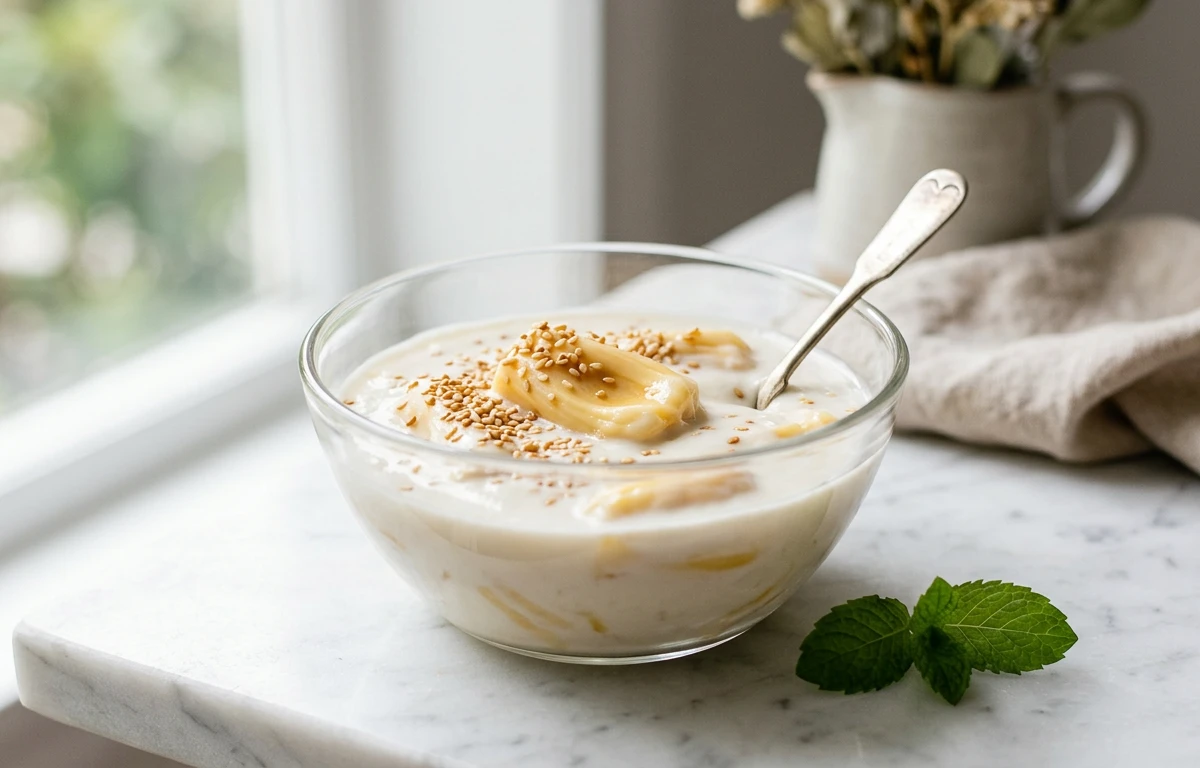
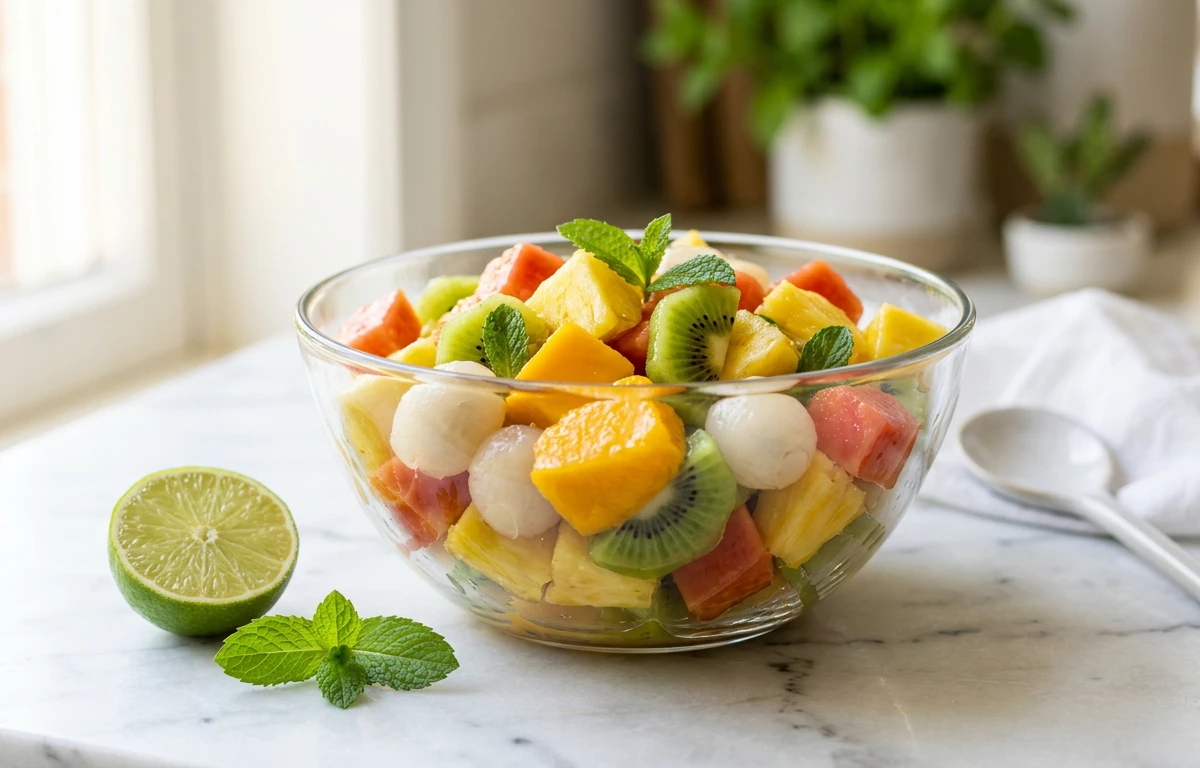
Three ways to eat it
Here are three simple ideas for enjoying ripe jackfruit that celebrate its natural sweetness.

Want fruit worked into a balanced week — without the planning?
Our meal planner pairs fruit like jackfruit with protein and fibre for steady energy, with portions and macros already calculated and a single grocery list at the end.
Build my weekly plan →SOURCES & REFERENCES · 3
One more thing
Eating well is rarely about willpower. It’s about having a short list of dinners you actually want to eat. Pick two from this list. Make them next week. The rest will follow.
If you want these on autopilot, our weekly meal planner can drop the picks above into your calendar with one click and build a single grocery list from the merged ingredients.
FREQUENTLY ASKED QUESTIONS
Frequently asked questions
Can people with diabetes eat ripe jackfruit?
With caution and strict portion control. Ripe jackfruit has a moderate glycemic index and is high in carbohydrates. A very small portion (e.g., 50g) paired with a protein or fat source might be manageable, but it should be cleared with your doctor or dietitian and carefully monitored.
Is jackfruit a good source of protein?
No, this is a common misconception. Unripe green jackfruit has a meaty texture and is used as a plant-based meat substitute, but it is not high in protein. Ripe jackfruit is a fruit and contains very little protein (about 1.7g per 100g).
What does ripe jackfruit taste like?
The flavor is complex and often described as a combination of other tropical fruits, like banana, pineapple, and mango. It has a very sweet, slightly funky aroma and a chewy, fibrous texture.
How do I know if a jackfruit is ripe?
A ripe jackfruit will have a strong, sweet fragrance, its skin will have started to turn from green to yellowish-brown, and it will yield slightly when you press on it. An unripe jackfruit is firm, green, and has little to no smell.

ABOUT THE AUTHOR
Shreya Chatterjee
NUTRITION WRITER
Shreya is a nutrition writer and the voice behind The Nutrition Pen, where she turns evidence-based nutrition into simple, repeatable eating habits. Her writing focuses on practical food guidance — what to actually put on the plate — for readers who want to eat well without the noise.
Meet the editorial team →METHODOLOGY
How this article was created
Built using verified nutrition databases, culinary research, and traditional cooking knowledge — every claim is cross-referenced against the sources listed in the article.
· USDA data· Culinary research· Quality reviewed
Read our methodology →TRANSPARENCY
About this content
Articles are curated using trusted food databases (USDA FoodData Central, IFCT), culinary literature, and dietary guidelines, then structured by our editorial team for clarity, accuracy, and usefulness.
· Verified data sources· Culinary research· Quality reviewed
Read our editorial policy →RELATED RECIPES
Cook from this article
EXPLORE OUR MEALS
Meals that fit this article

AMERICAN · 1677 CAL
Almonds with Sliced Apple + supplement + iron

MEDITERRANEAN · 809 CAL
Greek Yogurt with Berries Almonds and Granola + supplement + iron

GENERAL_HEALTHY · 705 CAL
Banana with Peanut Butter Pregnancy + supplement + iron

MODERN · 982 CAL
Hummus with Crudits and Pita with Fresh Orange Snack + supplement + iron
TAGGED
KEEP READING