Litchi: Vitamin C, Sugar, Glycemic Index & How to Eat Them: verified nutrition facts, glycemic context, serving guidance, and practical cooking ideas.
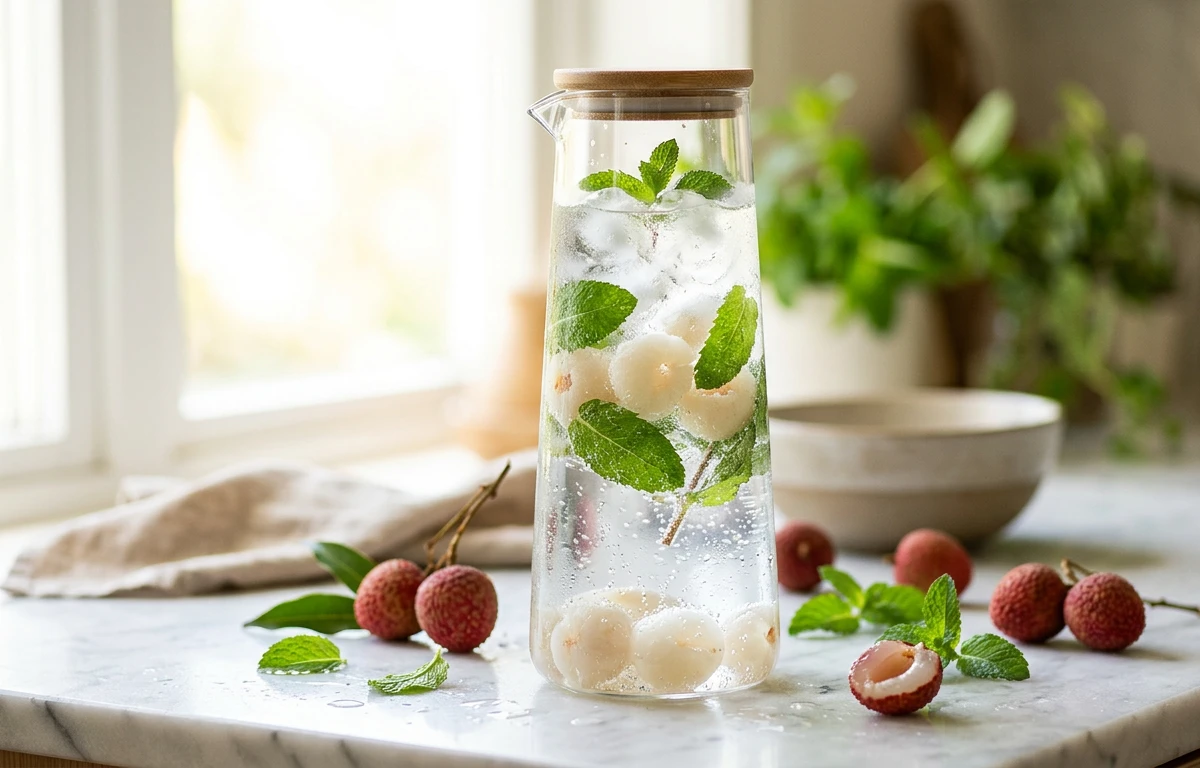
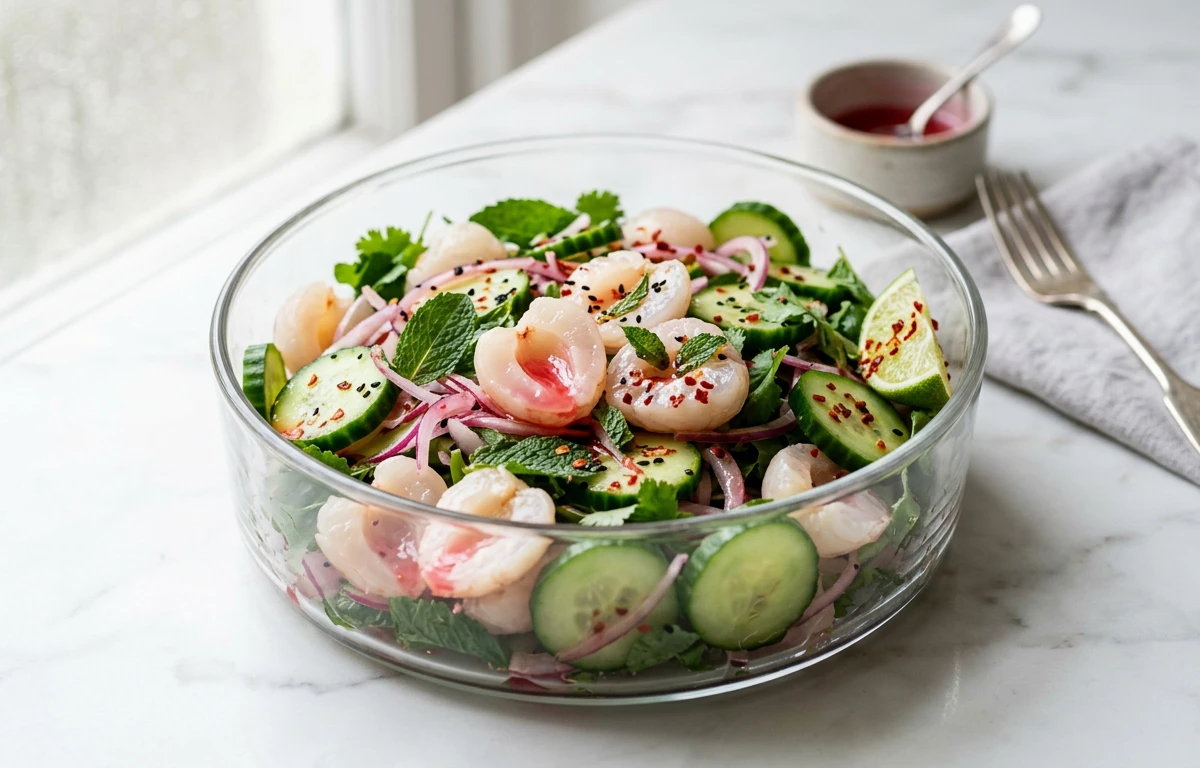
↑ The key to enjoying litchis is sticking to a sensible portion, not the whole bowl.
The sweet, surprising fruit
Litchis are mostly water and carbohydrate, and yes, a good portion of that is natural sugar. This is what gives them their intensely sweet, floral flavor. But that sweetness comes in a low-calorie package with a seriously impressive amount of vitamin C.
So, the story with litchis isn't about good or bad, it's about context and quantity. A handful of fresh litchis is a fantastic, hydrating, nutrient-rich snack. A giant bowl of them, or the kind that come swimming in syrup in a can, is basically a dessert.
IN ONE LINE
A handful of litchis is a low-calorie snack that delivers over a third of your daily vitamin C. Eat them fresh and mind the portion to get all the good without the sugar rush.
Litchi nutrition facts
Here’s the nutritional breakdown for a 100-gram serving of fresh litchis, which is about 10 to 12 individual fruits.
The standout number here is clearly the vitamin C. Getting over a third of your daily requirement from a small, 54-calorie snack is fantastic. The fiber is on the low side for a fruit, which is an important piece of the puzzle when we think about its effect on blood sugar.
Litchi's glycemic index
Here's the thing: litchi doesn't have an officially published glycemic index value from the major databases. But we can make a very educated guess. Glycemic index (GI) is a measure of how quickly a food raises blood sugar. Foods with lots of sugar and not much fiber, fat, or protein to slow it down tend to have a higher GI.
Litchis are sweet and have only 1.3 grams of fiber per 100g. That means they will likely raise blood sugar faster than a high-fiber fruit like an apple or a pear. It's safe to assume they fall into the 'moderate' GI category. This doesn't make them 'bad,' it just means portion control is your best friend, especially for anyone with blood sugar concerns.
GLYCEMIC INDEX · FRUIT CONTEXT
A look at the glycemic index of other fruits
Cherries
whole fruit
LOW
Apple
whole fruit
LOW
Pineapple
whole fruit
MEDIUM
Watermelon
whole fruit
HIGH
SCALE 0–90
04590
The smart way to eat them
It's hard to stop once you start. But a few simple rules help you enjoy litchis without going overboard.
01
Stick to a handful.
A serving is about 100 grams, or 10-12 fruits. This gives you all the benefits without a huge sugar load. Don't sit down with the whole bag.
02
Eat them fresh and whole.
Canned litchis are usually packed in heavy sugar syrup, which sends the sugar content soaring. Dried litchis are also a concentrated source of sugar. Fresh is best.
03
Pair with protein or fat.
Eating litchis alongside a few nuts, some cheese, or a spoonful of yogurt helps slow down the absorption of the fruit's sugar. This leads to more stable energy.
04
Choose ripe, but not overripe.
As litchis get older and more wrinkly, their sugars can concentrate. A firm, brightly colored, and fragrant fruit is at its peak.
What litchis are good for
01
A major vitamin C boost
A single 100g serving provides over a third of your daily vitamin C, crucial for immune function, skin health, and fighting cellular damage.
38%
vit C DV
02
A low-calorie, hydrating snack
At just 54 calories and with a high water content, a handful of litchis is a refreshing and light way to satisfy a sweet craving, especially in summer.
54
calories
03
Source of antioxidants
Beyond vitamin C, litchis contain other plant compounds called polyphenols which have antioxidant properties, helping to protect your body's cells.
Rich
in polyphenols
What to pair litchis with
Litchi's unique floral sweetness works in more places than you'd think. Adding a source of fat or protein is always a smart move to balance their sugar.
Eat freely — or be mindful?
Three ways to eat them
Move beyond eating them straight from the shell with these simple ideas that use the fruit's natural sweetness.

Want fruit worked into a balanced week — without the planning?
Our meal planner pairs fruit like litchis with protein and fibre for steady energy, with portions and macros already calculated and a single grocery list at the end.
Build my weekly plan →SOURCES & REFERENCES · 3
One more thing
Eating well is rarely about willpower. It’s about having a short list of dinners you actually want to eat. Pick two from this list. Make them next week. The rest will follow.
If you want these on autopilot, our weekly meal planner can drop the picks above into your calendar with one click and build a single grocery list from the merged ingredients.
FREQUENTLY ASKED QUESTIONS
Frequently asked questions
Can people with diabetes eat litchis?
With caution. Litchis are sweet and relatively low in fiber, so they can raise blood sugar. A very small portion (4-5 fruits) paired with a protein source like nuts might be manageable, but it's crucial to monitor your levels and discuss with your doctor. Canned litchis should be avoided.
How many litchis can I eat in a day?
A standard serving of around 100 grams, which is about 10-12 fruits, is a reasonable amount for most healthy adults. Because they are so easy to eat, it's best to portion them out rather than eating from the bag.
Are litchis fattening?
No single food is 'fattening.' Litchis are low in calories (about 5-6 calories per fruit). The issue isn't the fruit itself, but the quantity. It's very easy to eat 20 or 30 in one sitting, and those calories add up. Sticking to a sensible portion makes them a great fit for a weight management plan.
I've heard litchis can be dangerous. Is that true?
This is mostly myth and misunderstanding. The rare cases of illness you may have heard about are linked to very specific circumstances: eating large quantities of unripe litchis on an empty stomach, primarily affecting malnourished children in certain regions. For a healthy person eating ripe litchis in moderation, this is not a concern.
METHODOLOGY
How this article was created
Built using verified nutrition databases, culinary research, and traditional cooking knowledge — every claim is cross-referenced against the sources listed in the article.
· USDA data· Culinary research· Quality reviewed
Read our methodology →TRANSPARENCY
About this content
Articles are curated using trusted food databases (USDA FoodData Central, IFCT), culinary literature, and dietary guidelines, then structured by our editorial team for clarity, accuracy, and usefulness.
· Verified data sources· Culinary research· Quality reviewed
Read our editorial policy →RELATED RECIPES
Cook from this article
EXPLORE OUR MEALS
Meals that fit this article

AMERICAN · 1677 CAL
Almonds with Sliced Apple + supplement + iron

MEDITERRANEAN · 809 CAL
Greek Yogurt with Berries Almonds and Granola + supplement + iron

GENERAL_HEALTHY · 705 CAL
Banana with Peanut Butter Pregnancy + supplement + iron

MODERN · 982 CAL
Hummus with Crudits and Pita with Fresh Orange Snack + supplement + iron
TAGGED
KEEP READING