Sunday Meal Prep for Weight Loss: A Calorie-Aware, Protein-First Plan
Two hours on Sunday, six portion-controlled containers, and the calorie deficit, protein-per-meal, and shelf-life numbers that actually move the scale -…
Loading...
Two hours on Sunday, six portion-controlled containers, and the calorie deficit, protein-per-meal, and shelf-life numbers that actually move the scale -…
Most weight-loss meal-prep guides skip straight to the containers. This one starts with the math, because the rest only works if the math does. The CDC's guidance for sustainable weight loss is 1-2 pounds per week, achieved by a modest calorie deficit combined with consistent behaviors over months, not weeks [1]. The familiar 'eat 500 fewer calories a day and lose a pound a week' rule comes from a 1958 estimate that one pound of body fat stores about 3,500 kcal. It is a useful starting point for the first few weeks. It is also known to overstate weight loss past that point, because your energy expenditure drops as you lose mass; the NIH's Body Weight Planner models that curve more honestly than a flat subtraction [2].
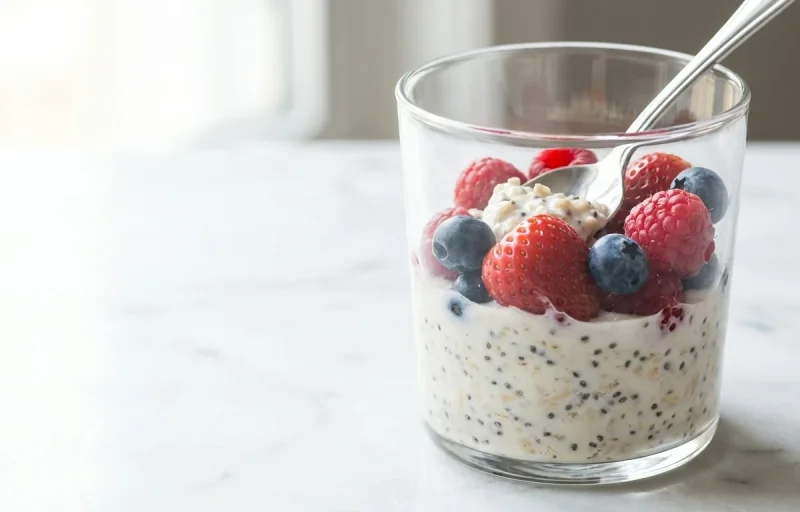
What actually moves the scale, in roughly this order, is: a real (and modest) calorie deficit you can sustain; enough protein at each meal to keep you full; and the day-to-day adherence that turns 'on a diet' into 'this is how I eat now.' The National Weight Control Registry - the largest long-running cohort of adults who lost 30+ pounds and kept it off - finds the people who maintain that loss for 5 to 10 years share four behaviors: a relatively low-fat, calorie-aware eating pattern, regular physical activity, eating breakfast on most days, and consistent self-monitoring [3]. Sunday meal prep is the simplest scaffolding for three of those four. This guide is the Sunday side of that scaffolding: what to cook in two hours, how to portion it into six containers, and how to assemble the week so that by Friday you are not improvising at 8 p.m. in front of the open fridge.
Sunday prep is a tool, not a personality. The point is to make the calorie-aware, protein-forward eating pattern that supports weight loss the path of least resistance on a Wednesday night, when willpower is at its weekly low. Get the math roughly right - a deficit of a few hundred calories a day for most adults, 25-30 g of protein at each meal, half the container in vegetables - and let the containers carry the rest. Expect the first 2-3 weeks to feel restrictive while taste and habit recalibrate. Expect the scale to move in waves, not a straight line, because energy expenditure adapts as you lose mass [2]. And expect the behaviors that keep weight off long-term to look more like the NWCR's pattern - regular breakfast, weekly self-weighing, consistent eating - than like a six-week sprint [3]. If you take insulin, a sulfonylurea, or a heart-failure diuretic, do not start a calorie cut without your clinician adjusting the dose first; the meal pattern is safe, but the medication math is not [4].
Built using verified nutrition databases, culinary research, and traditional cooking knowledge — every claim is cross-referenced against the sources listed in the article. Last reviewed May 2026.
Articles are curated using trusted food databases (USDA FoodData Central, IFCT), culinary literature, and dietary guidelines, then structured by our editorial team for clarity, accuracy, and usefulness.
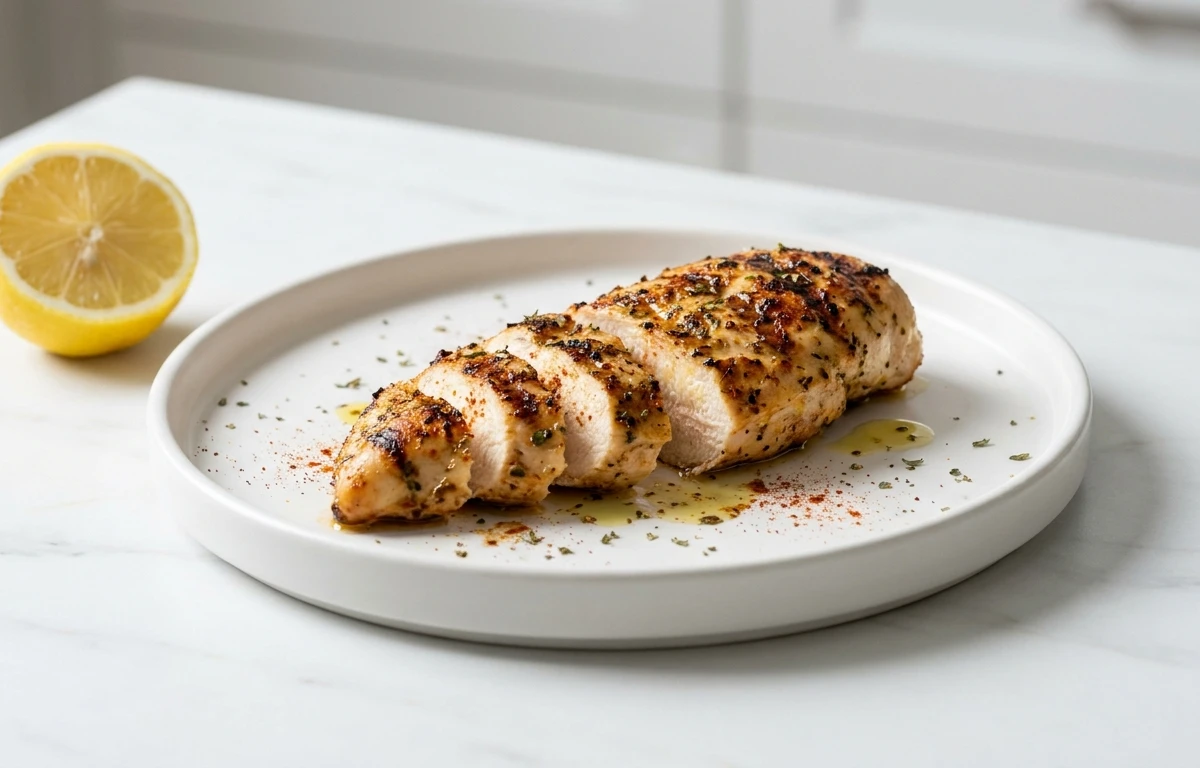
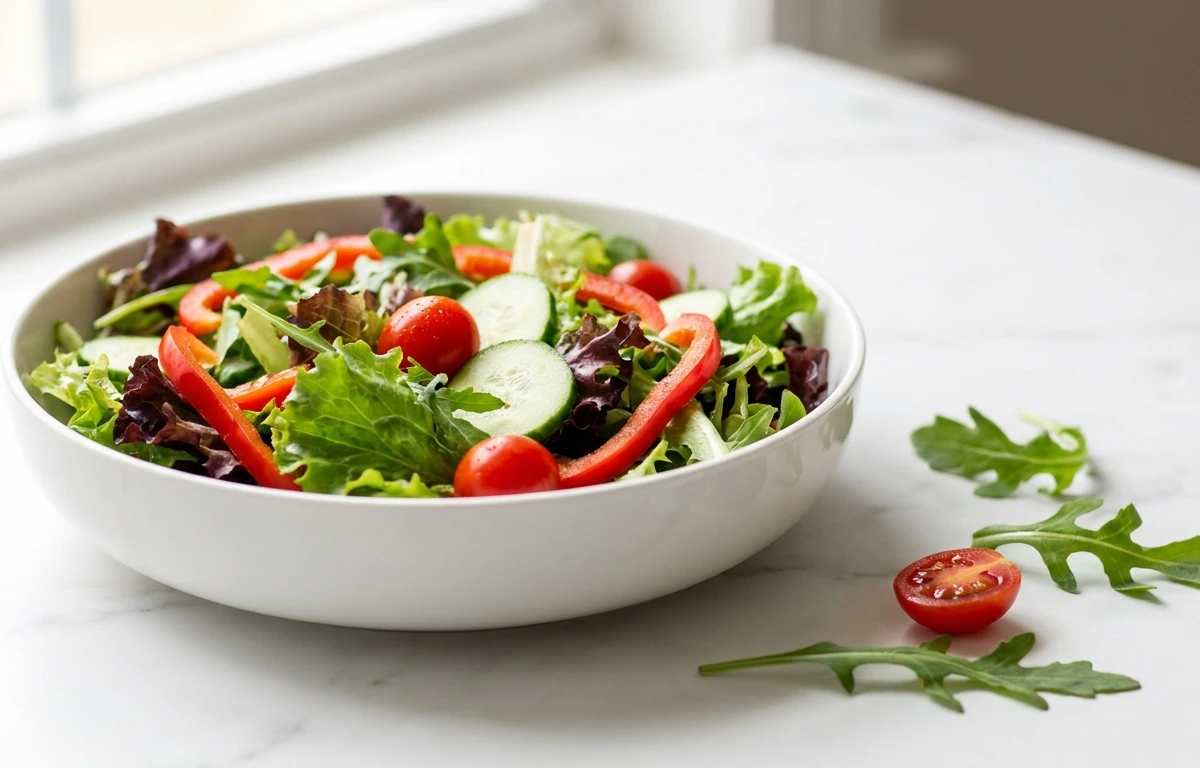
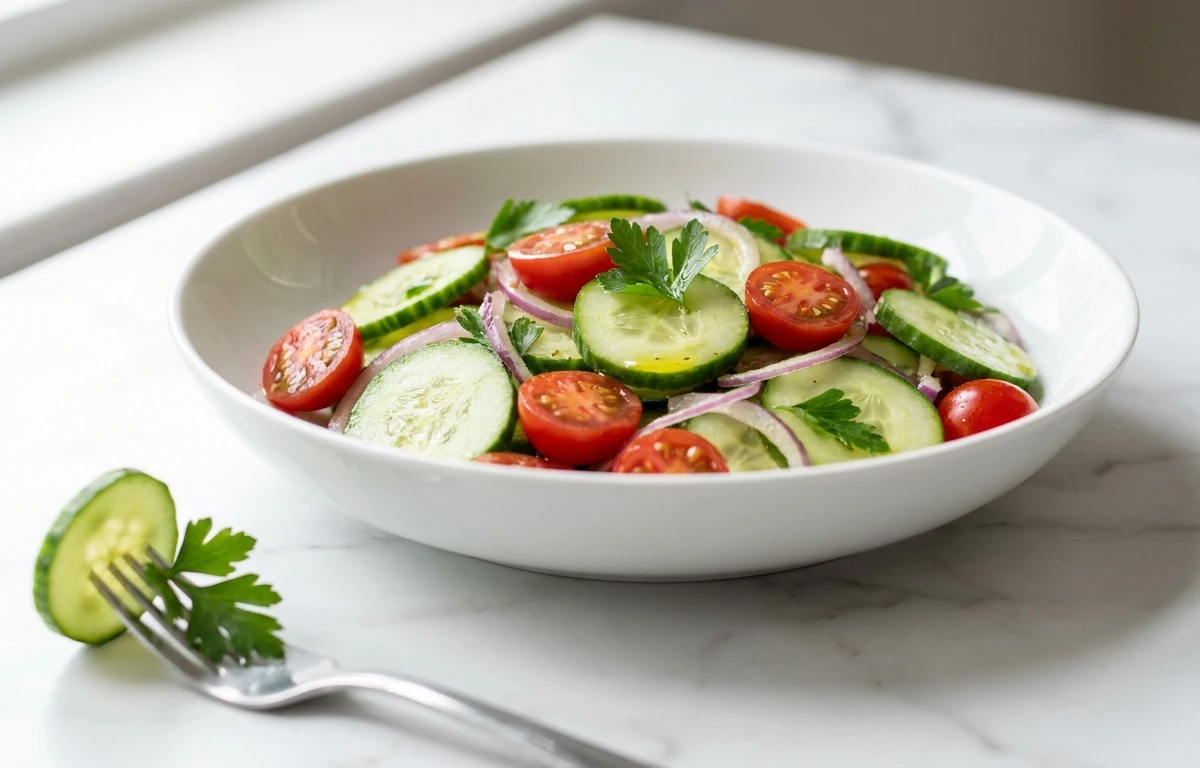
This meal is a powerhouse of lean protein and nutrient-dense vegetables, making it incredibly filling for very few calories. Prepping the chicken and vinaigrette ahead of time makes assembling this fresh, crisp salad take just minutes.
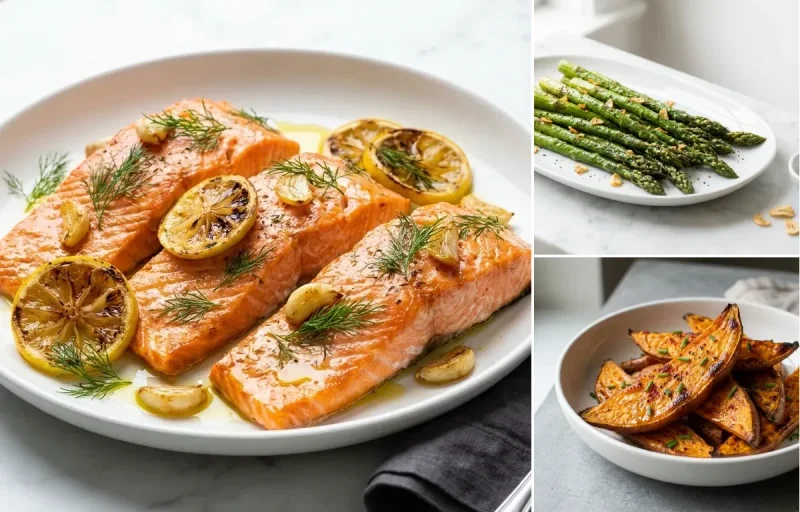
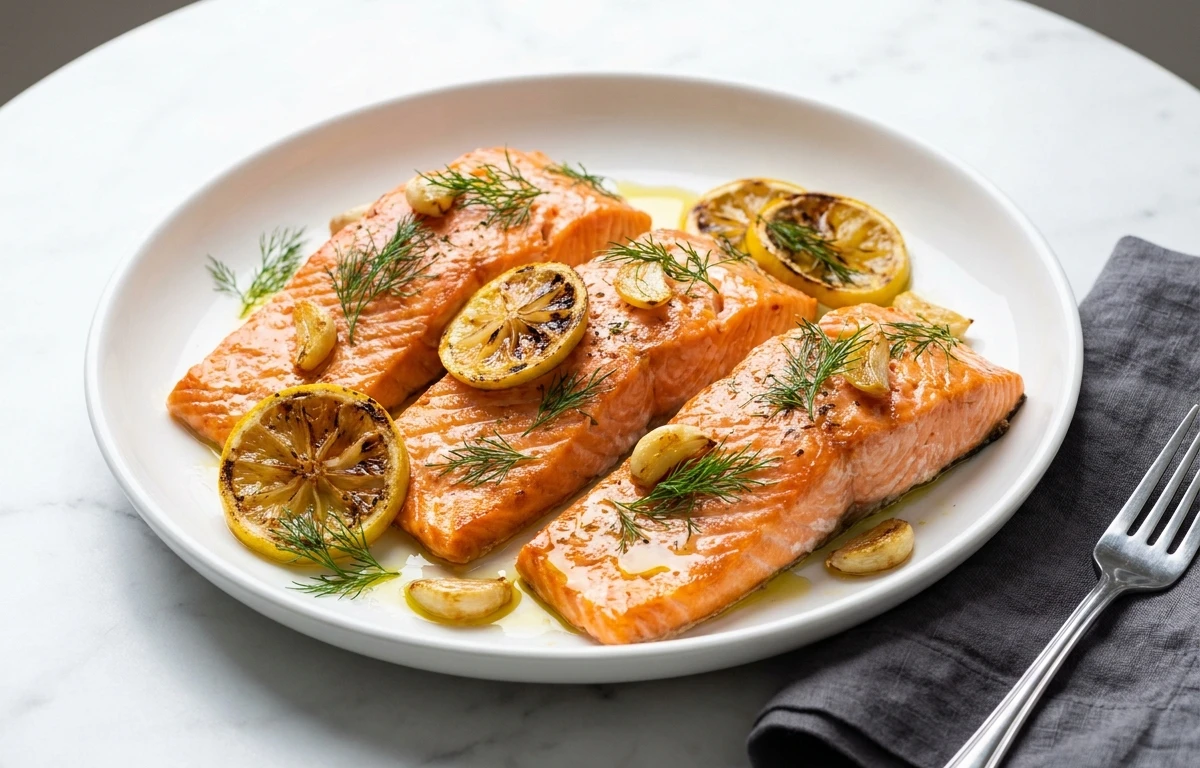
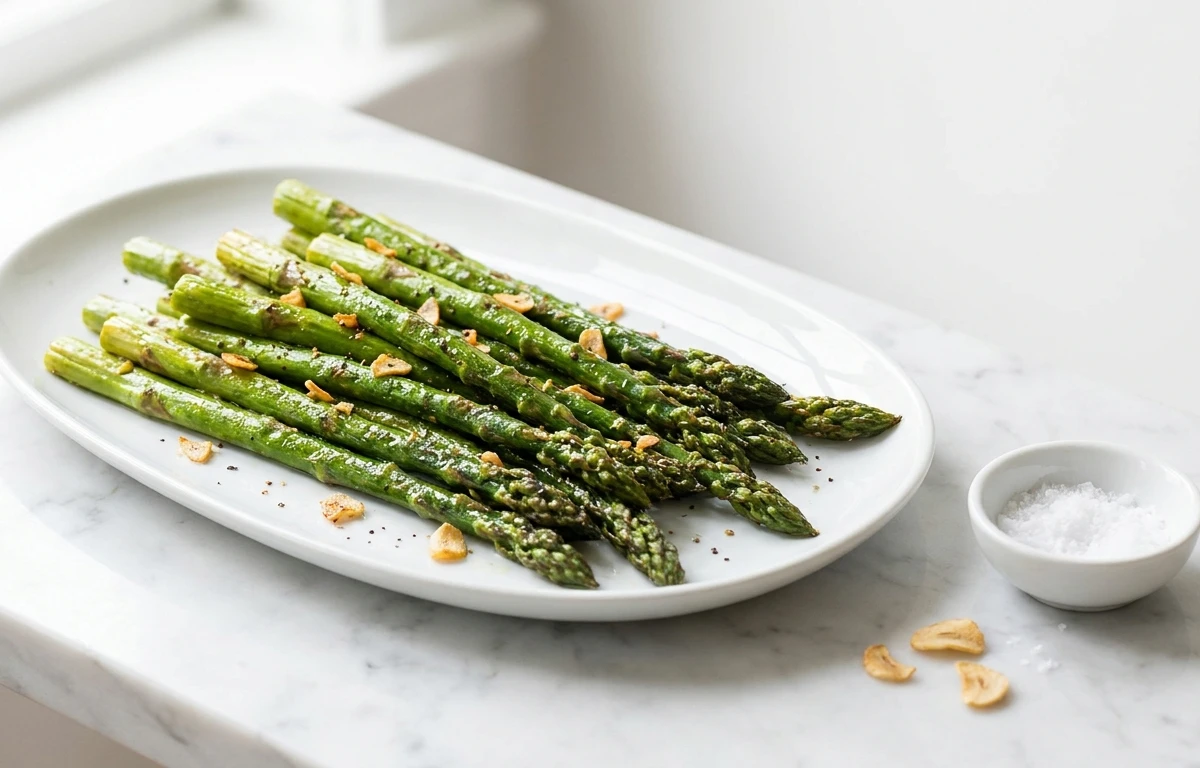
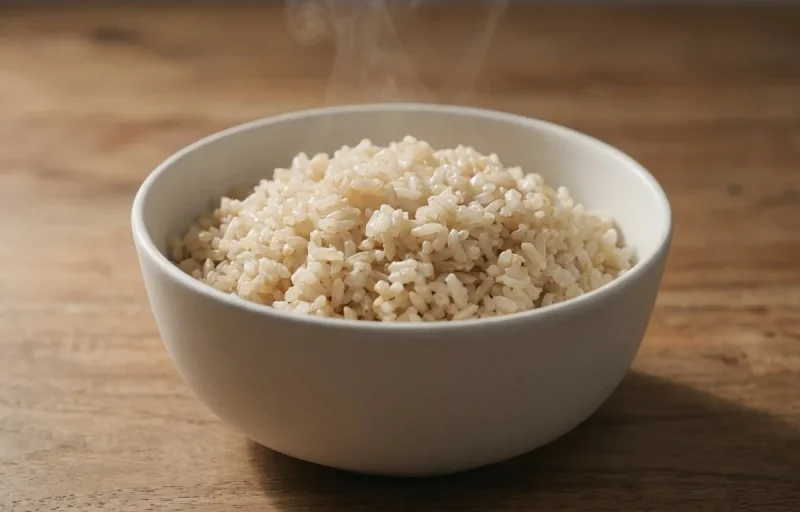
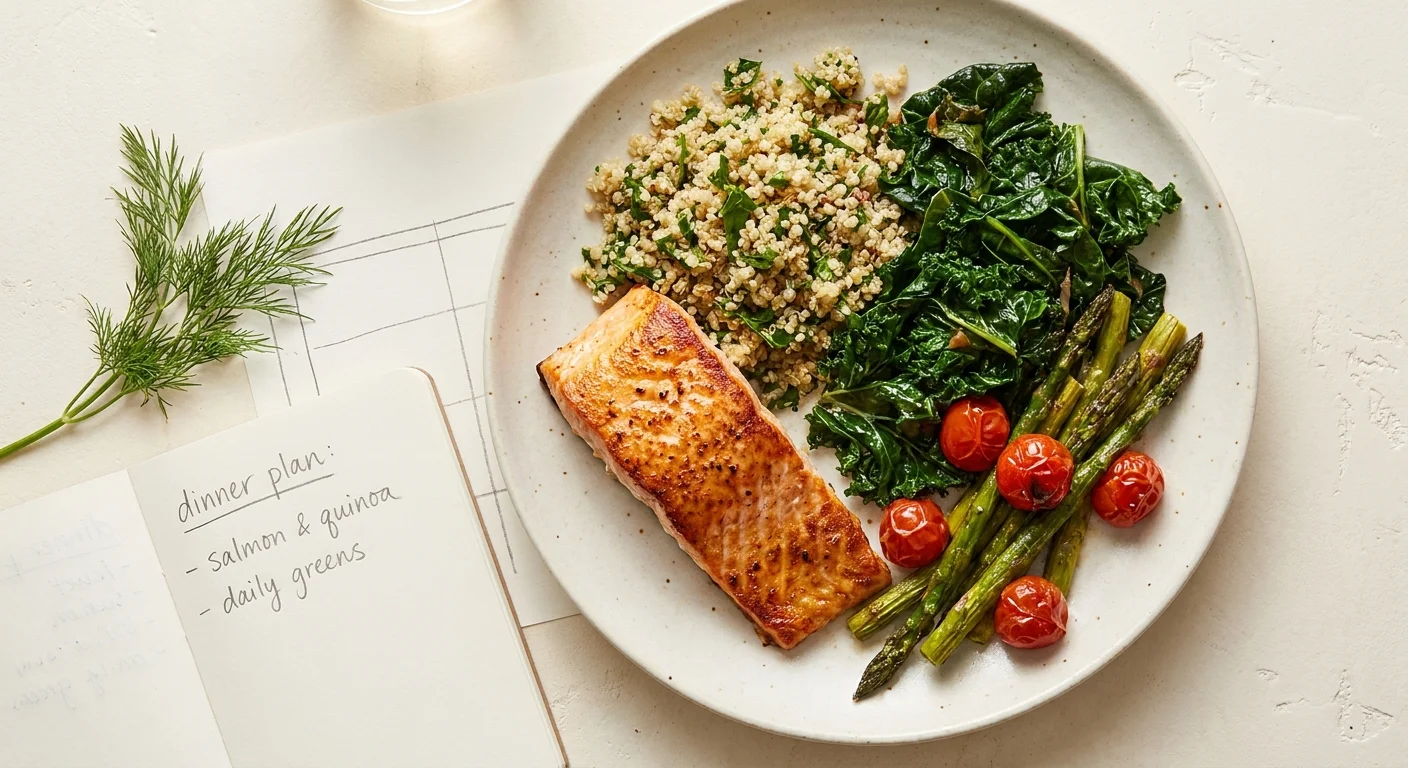
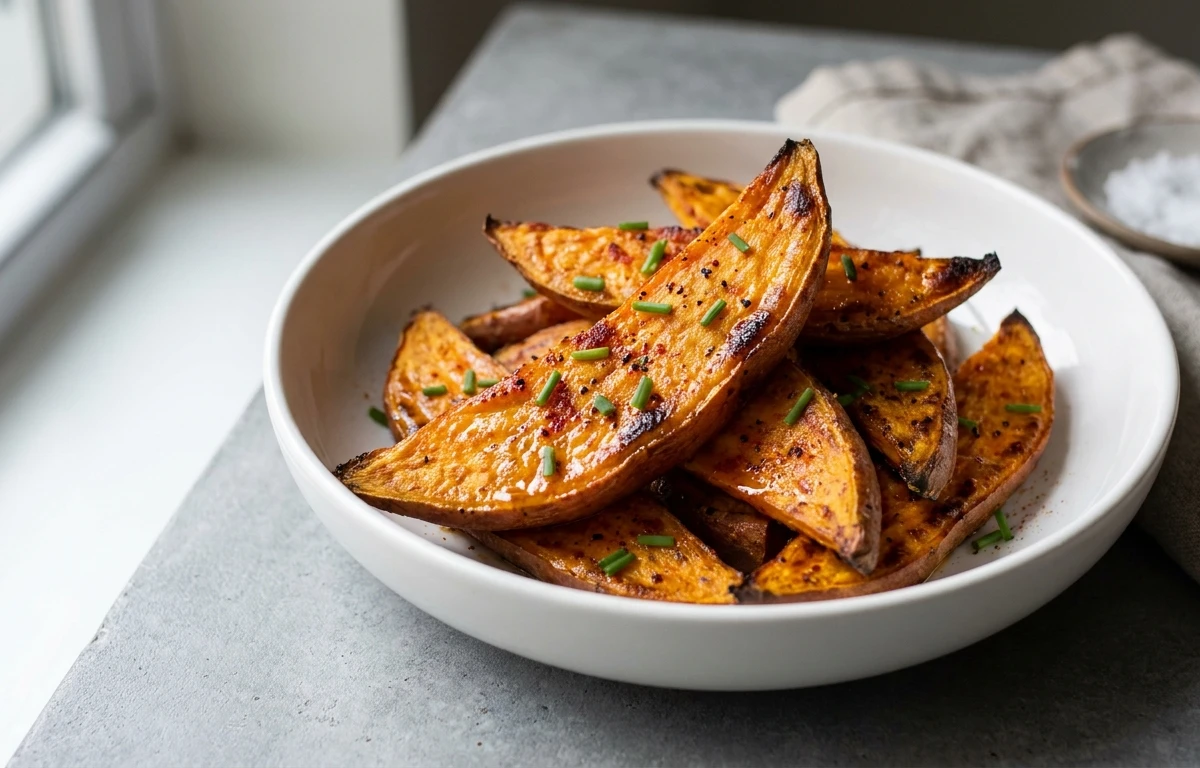
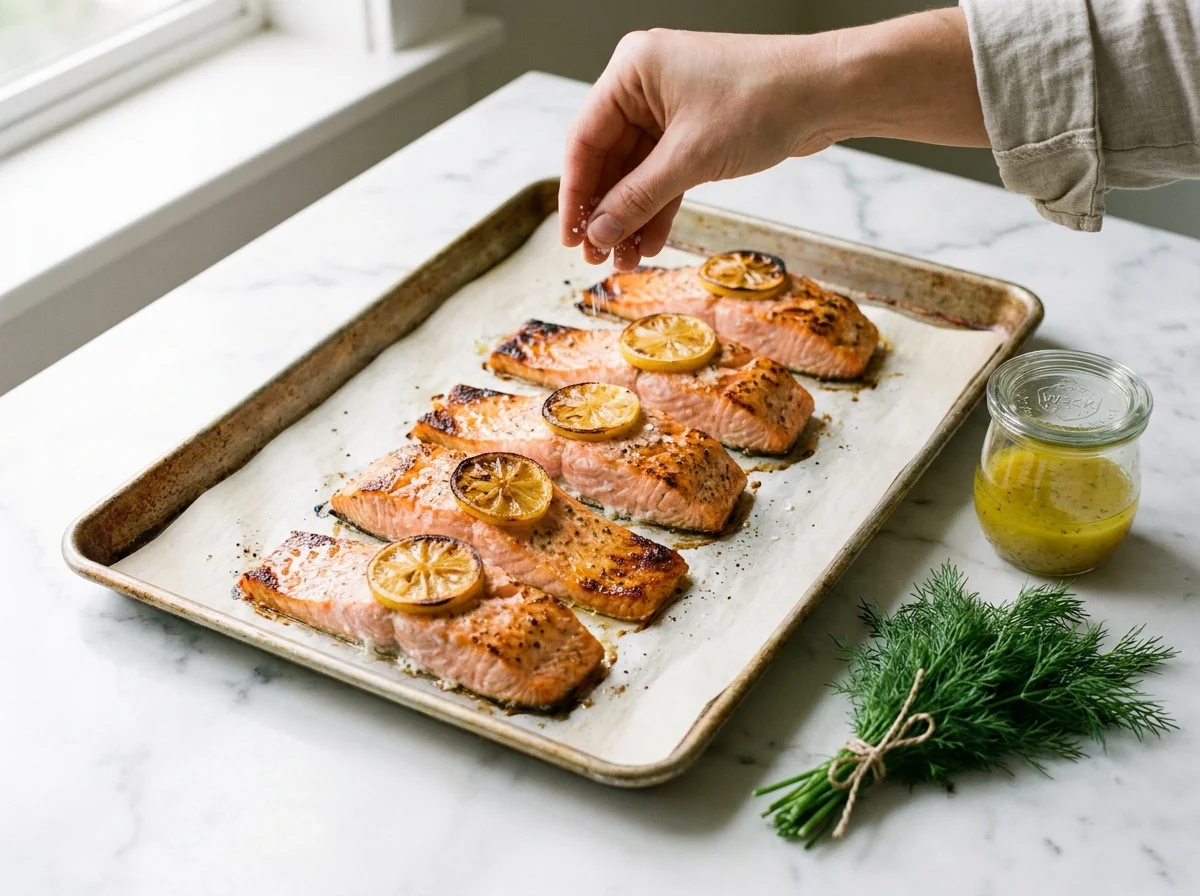
This meal exemplifies a balanced plate for weight loss: protein from salmon, fiber from asparagus, and slow-digesting carbohydrates from sweet potato. This combination helps to stabilize blood sugar levels and keep you full and satisfied.
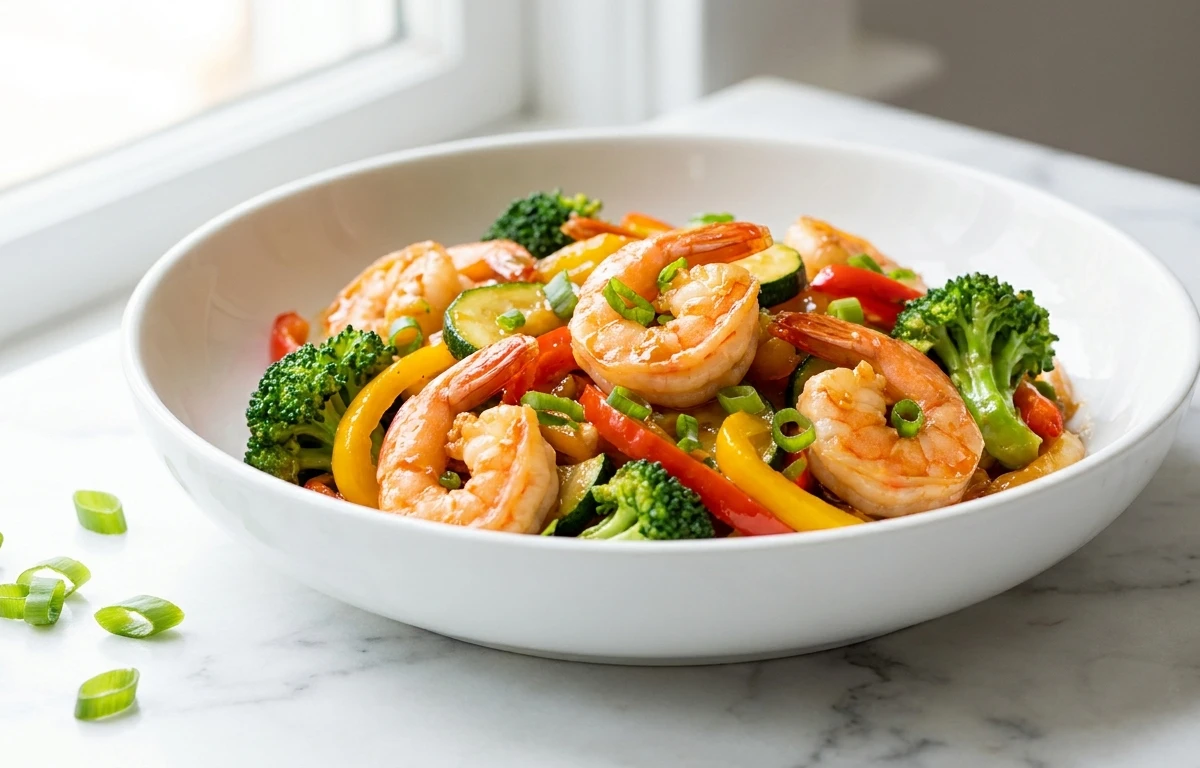
This stir-fry is loaded with a high volume of low-calorie vegetables, which is a key strategy for weight loss. Shrimp is a very lean source of protein. Pre-chopping the vegetables and making the sauce ahead of time makes this a 15-minute meal to assemble.
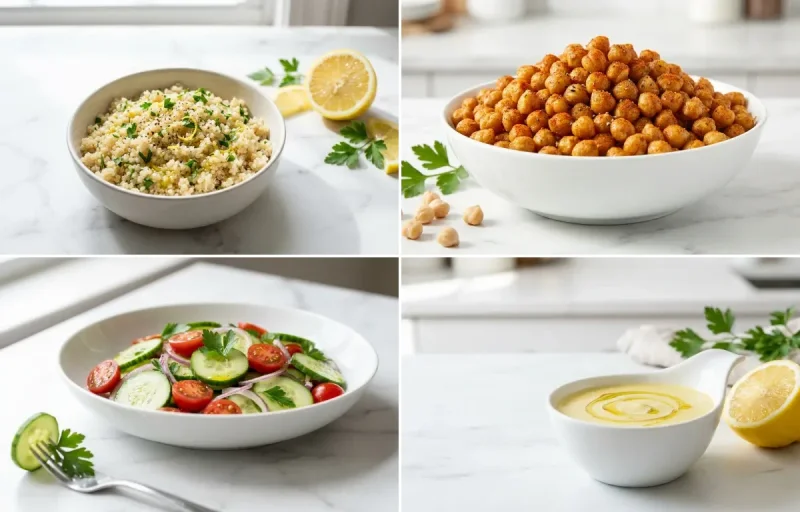
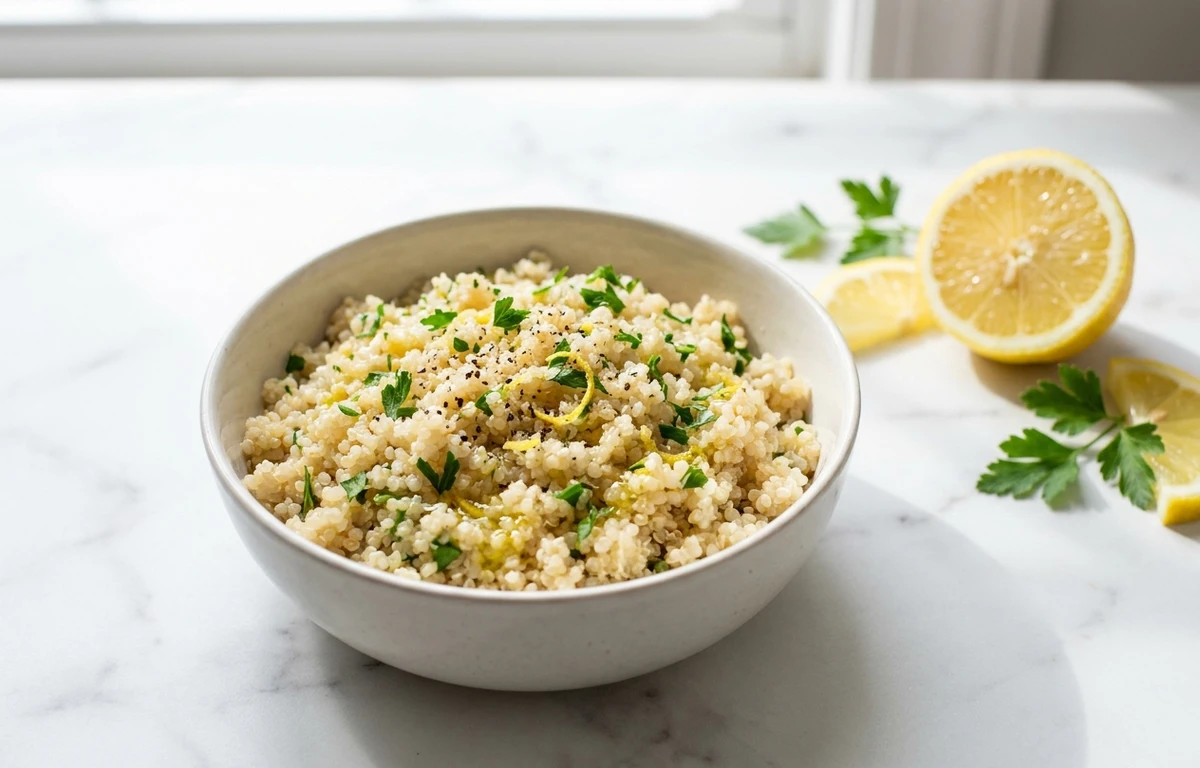
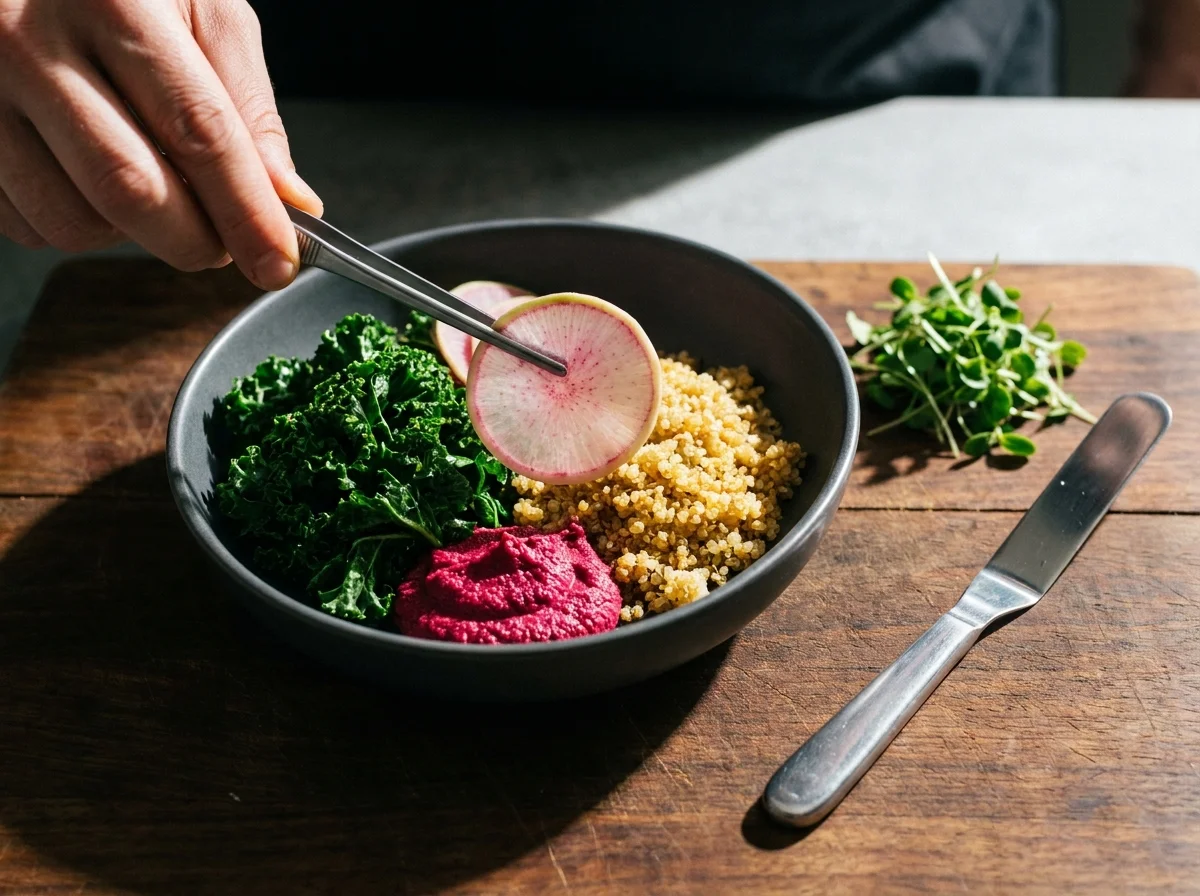
This bowl is a fantastic example of a plant-based meal that supports weight loss. The combination of protein and fiber from quinoa and chickpeas is incredibly satisfying. For meal prep, all components can be stored separately and assembled just before eating for maximum freshness.