Let's be honest, when most people think of mozzarella, they think of a glorious, stretchy blanket on a pizza. And they're not wrong. But there's another side to this cheese: the fresh, milky, soft ball of 'fior di latte' that's a world away from its low-moisture cousin. It's high in protein, surprisingly low in carbs, but it also packs a punch with calories and fat. So, is mozzarella a health food? It's complicated. The answer depends entirely on which kind you choose, how much you eat, and what you eat it with.
↑ Fresh mozzarella is high in protein, but also calories. Portion is key.
More than just pizza cheese
There are two main mozzarella camps. First, there's the firm, low-moisture block you grate over lasagna. It's salty, melts well, and is a kitchen workhorse. Then there's its fresher, softer sibling: 'fior di latte' or fresh mozzarella, often sold as a ball packed in whey or water. This is the one we're talking about today. It's milky, delicate, and a star in its own right.
Nutritionally, it's a food of contrasts. It's packed with over 22 grams of high-quality protein per 100g serving, which is fantastic for satiety and muscle maintenance. But it's also high in fat and calories. The key isn't to avoid it, but to understand it: it's a rich source of protein and fat, not a 'light' snack.
Fresh mozzarella is high in protein and calcium, but also calories and saturated fat. The healthiest way to enjoy it is as a flavourful component in a balanced meal, not as the main event.
Mozzarella nutrition facts
Here's the nutritional breakdown for a 100-gram serving of fresh, whole-milk mozzarella. That's about the size of a large, fist-sized ball.
The two numbers that jump out are the protein and the saturated fat. The protein is a huge plus, making mozzarella very filling. The saturated fat, at 65% of your daily value in one serving, is why you can't eat it with abandon. This is a food to be enjoyed in moderation, especially if you're watching your heart health. It's also a fantastic source of calcium, crucial for bone health.
Mozzarella's glycemic index
This is a short section, for a good reason. Glycemic index (GI) measures how much a food raises your blood sugar. Since this is driven by carbohydrates, foods with very few carbs barely register. With only 2.2 grams of carbs per 100g, mozzarella has a negligible effect on blood sugar. Its GI is effectively zero, making it an excellent food for blood sugar management.
GLYCEMIC INDEX · MOZZARELLA vs COMMON FOODS
Mozzarella has a negligible GI
Mozzarella
negligible carbs
LOW
Cherries
whole fruit
LOW
Apple
whole fruit
LOW
Pineapple
whole fruit
MEDIUM
White bread
refined
HIGH
SCALE 0–90
04590
The smart way to eat it
Enjoying mozzarella without overdoing the calories and saturated fat is easy if you keep a few things in mind.
01
Mind the portion.
A serving is often listed as 1 oz (28g), not the whole ball. A 30-50g portion is a good place to start — enough for flavour without dominating the meal's calorie budget.
02
Choose fresh & part-skim.
Fresh mozzarella is generally less processed and lower in sodium than the shredded, low-moisture kind. Part-skim versions cut down on fat and calories significantly.
03
Pair it with plants.
The best way to eat cheese is with fibre. Think tomatoes, basil, roasted peppers, salad greens, or whole-grain crackers. The fibre helps with fullness and balances the meal.
04
Don't make it the star.
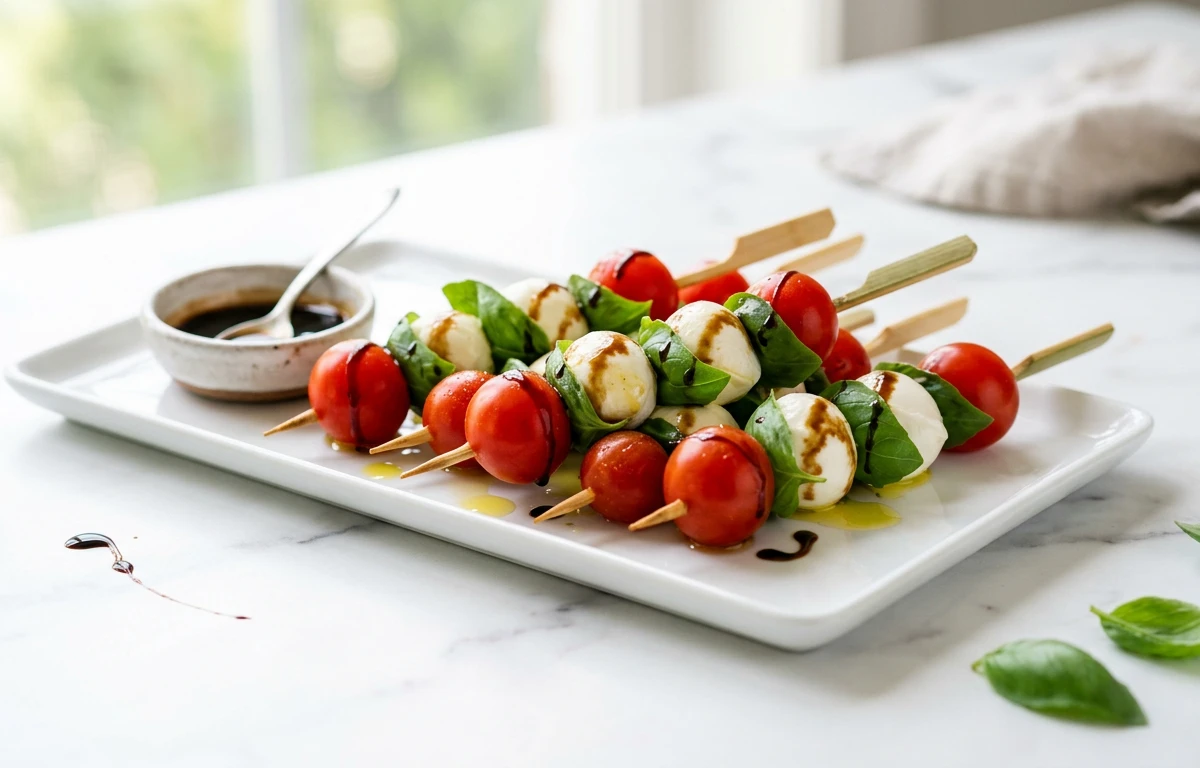
Use mozzarella as a flavour-enhancer, not the bulk of your meal. A few slices in a salad or on a veggie skewer is perfect. A giant bowl of melted cheese is not.
What mozzarella is good for
01
High in quality protein
With over 22g of protein per 100g, mozzarella provides the building blocks for muscle and keeps you feeling full and satisfied.
22.2 g
protein
02
Excellent source of calcium
A single 100g serving delivers nearly 40% of your daily calcium needs, essential for strong bones and teeth.
39%
calcium DV
03
Supports low-carb lifestyles
With minimal carbohydrates, mozzarella is a perfect fit for keto and other low-carb diets, providing energy from fat and protein without the carbs.
2.2 g
carbs
04
Provides steady energy
The combination of fat and protein offers a stable, slow-release energy source, avoiding the peaks and crashes associated with sugary snacks.
0
sugar
What to pair mozzarella with
Mozzarella's mild, milky flavour makes it a perfect partner. Pairing it with high-fibre foods helps create a more balanced, satisfying meal.
Eat freely — or be mindful?
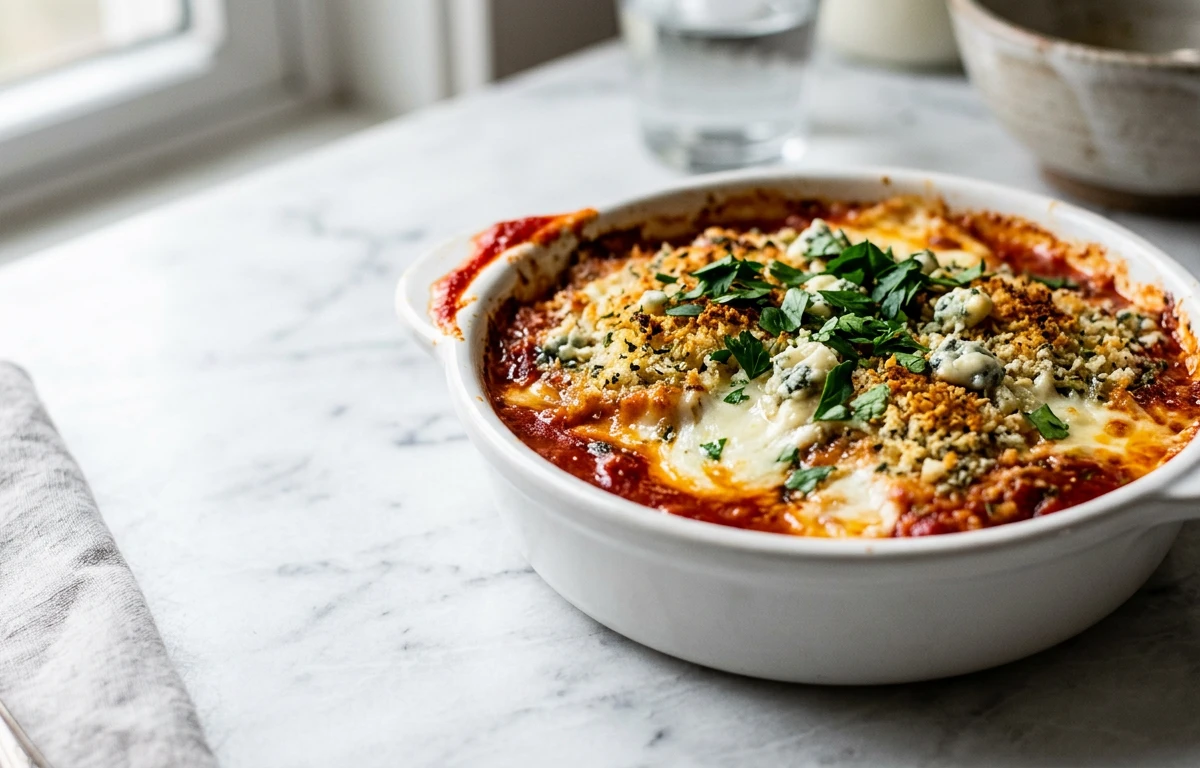
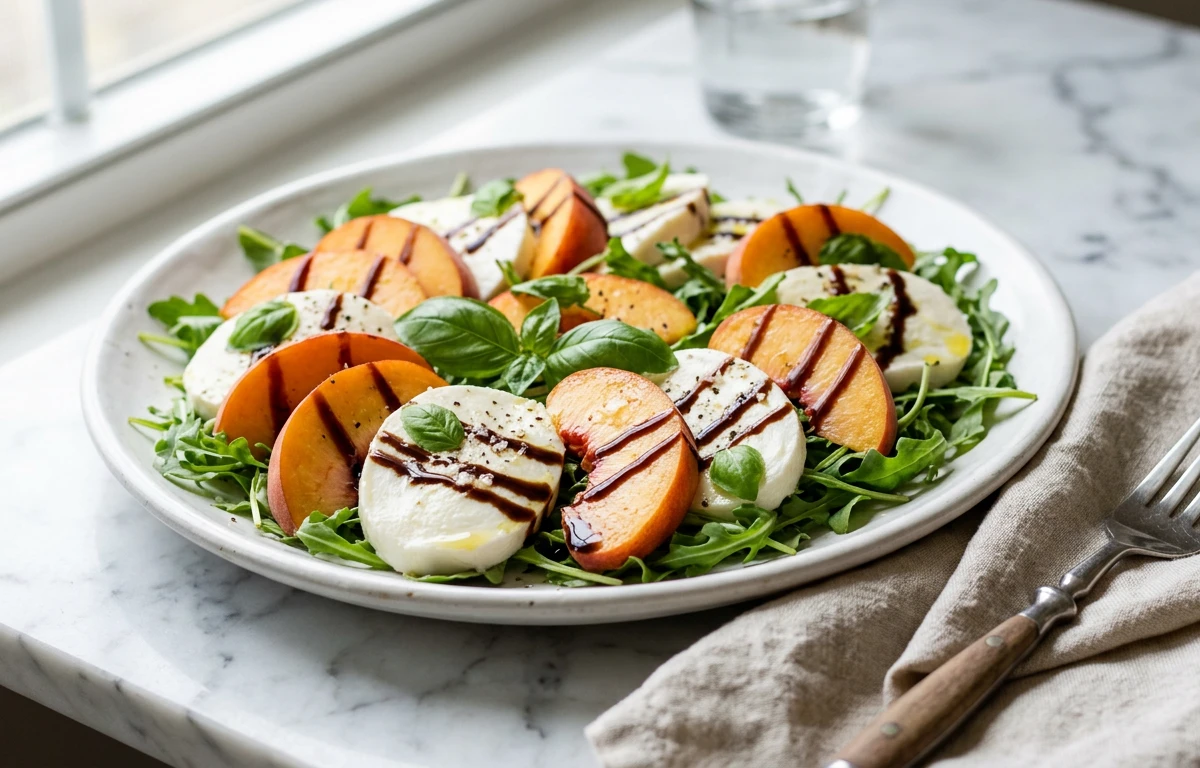
Three ways to eat it
Move beyond pizza with these simple, fresh ideas that celebrate mozzarella in a healthier context.
Want cheese worked into a balanced week — without the planning?
Our meal planner pairs high-protein foods like mozzarella with fibre-rich vegetables for steady energy, with portions and macros already calculated and a single grocery list at the end.
Build my weekly plan →SOURCES & REFERENCES · 3
One more thing
Eating well is rarely about willpower. It’s about having a short list of dinners you actually want to eat. Pick two from this list. Make them next week. The rest will follow.
If you want these on autopilot, our weekly meal planner can drop the picks above into your calendar with one click and build a single grocery list from the merged ingredients.
FREQUENTLY ASKED QUESTIONS
Frequently asked questions
Is mozzarella good for weight loss?
It can be, but in moderation. Its high protein content is very filling, which can help prevent overeating. However, it's also high in calories and fat, so portion control is crucial. Opt for part-skim versions and pair it with low-calorie vegetables.
Is mozzarella okay for people with diabetes?
Yes, mozzarella is an excellent choice for people with diabetes. It has almost no carbohydrates, so it won't cause a spike in blood sugar. The protein and fat provide steady energy.
Which is healthier: fresh mozzarella or shredded mozzarella?
Generally, fresh mozzarella is the healthier choice. It's less processed and usually contains less sodium. Shredded, low-moisture mozzarella often has added starches to prevent clumping and can be much higher in salt.
Can I eat mozzarella if I'm lactose intolerant?
Maybe. The cheesemaking process removes a lot of lactose. Many people with mild lactose intolerance find they can tolerate hard and some soft cheeses like mozzarella in small amounts. Fresh mozzarella has more lactose than aged cheeses like cheddar or parmesan. Listen to your body.
METHODOLOGY
How this article was created
Built using verified nutrition databases, culinary research, and traditional cooking knowledge — every claim is cross-referenced against the sources listed in the article.
· USDA data· Culinary research· Quality reviewed
Read our methodology →TRANSPARENCY
About this content
Articles are curated using trusted food databases (USDA FoodData Central, IFCT), culinary literature, and dietary guidelines, then structured by our editorial team for clarity, accuracy, and usefulness.
· Verified data sources· Culinary research· Quality reviewed
Read our editorial policy →RELATED RECIPES
Cook from this article
EXPLORE OUR MEALS
Meals that fit this article

AMERICAN · 1677 CAL
Almonds with Sliced Apple + supplement + iron

MEDITERRANEAN · 809 CAL
Greek Yogurt with Berries Almonds and Granola + supplement + iron

GENERAL_HEALTHY · 705 CAL
Banana with Peanut Butter Pregnancy + supplement + iron
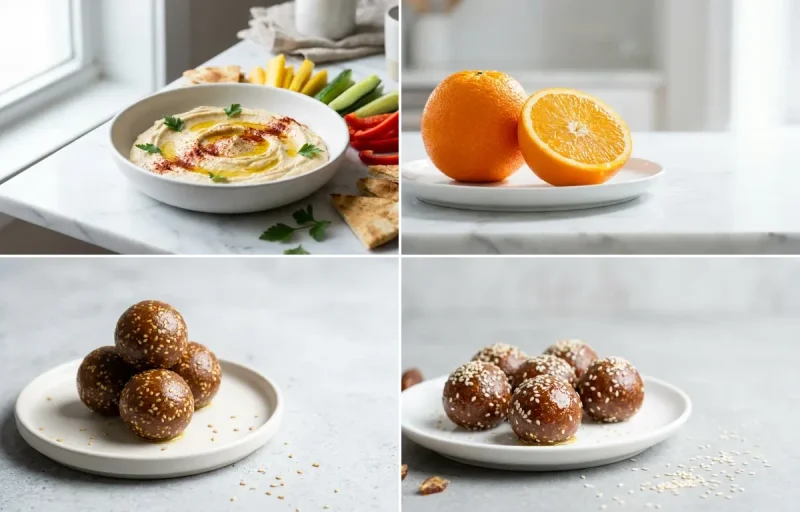
MODERN · 982 CAL
Hummus with Crudits and Pita with Fresh Orange Snack + supplement + iron
TAGGED
KEEP READING