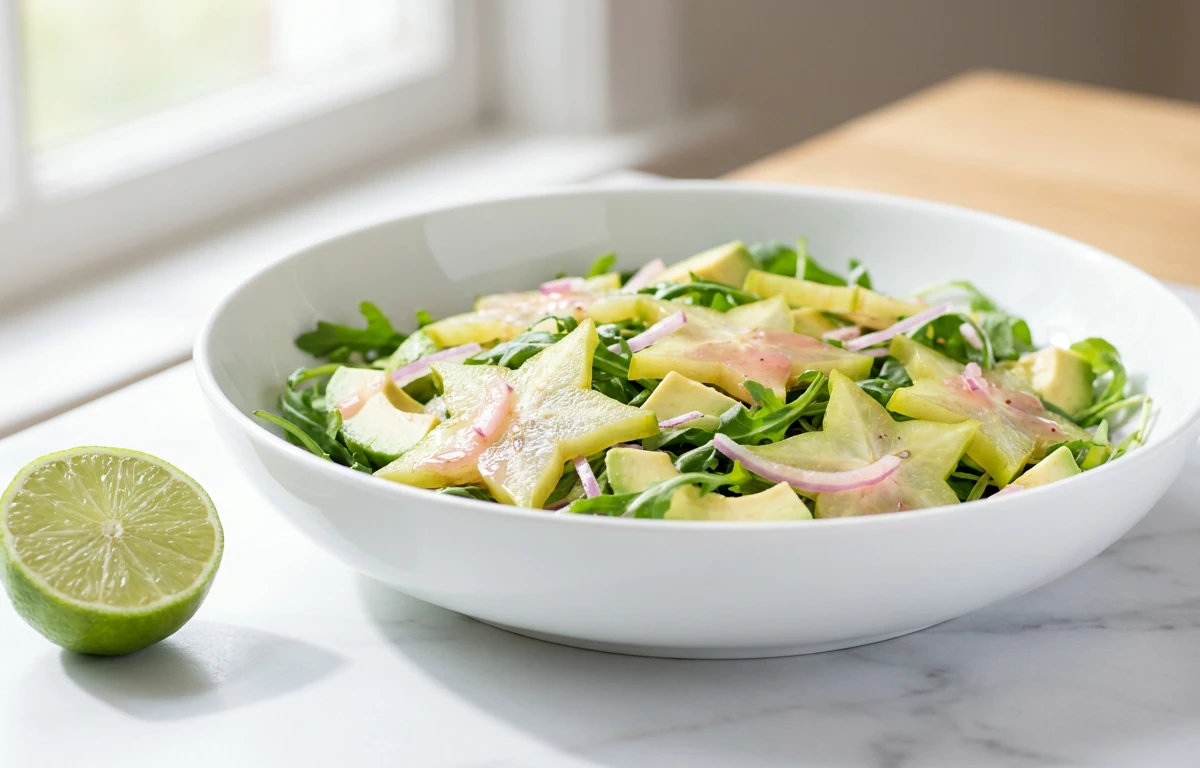
It’s the prettiest fruit you’re probably not eating. Sliced crosswise, carambola turns into a perfect, five-pointed star. It's crisp, wildly juicy, and tastes like a mash-up of green grape, pear, and a hint of citrus. Nutritionally, it’s a bit of a dream: incredibly low in calories and sugar, with a nice hit of vitamin C. But it comes with one very important catch. For a small group of people, this beautiful fruit is seriously off-limits. Let's get into it.
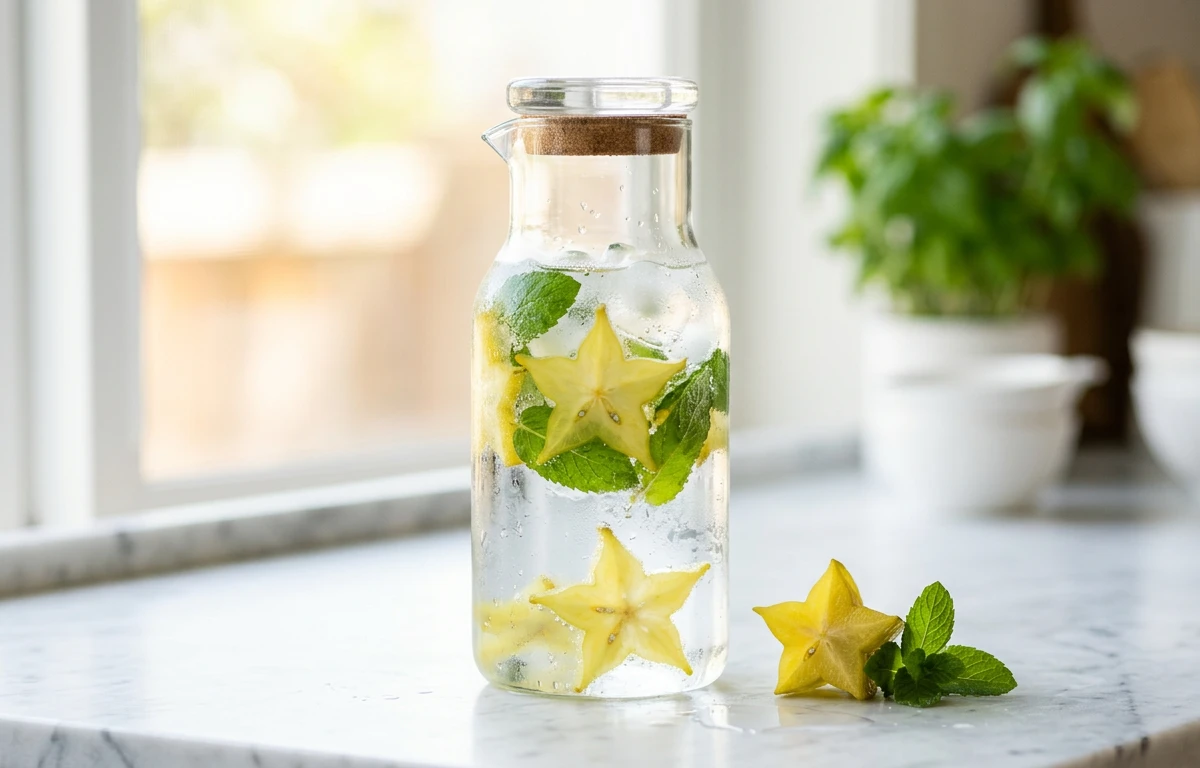
↑ Carambola's star shape is its signature, but its high oxalate content is a critical fact to know.
The crisp, juicy star
Star fruit is one of those foods that looks more exotic than it is. It's not intensely flavored, but it has a wonderful, thirst-quenching quality. The texture is the main event: firm, crisp like a green apple, but bursting with juice. The flavor is mild and sweet-tart, and the waxy, edible skin makes it a zero-fuss snack. You just wash, slice, and eat.
From a nutrition perspective, it's mostly water, which is why it's so low in calories. What's left is a small amount of carbohydrate, a surprising amount of fiber for such a watery fruit, and a very respectable dose of vitamin C. It's a genuinely light, refreshing, and healthy choice... for most of us.
Carambola nutrition facts
Here's the nutritional profile for one medium-sized fruit, which is about 100 grams. It's a pretty impressive résumé for just 31 calories.
Carambola's glycemic index
There's no official, lab-tested glycemic index (GI) value for carambola. But we don't really need one to know how it behaves. With just 6.7 grams of carbs and nearly 3 grams of fiber in a 100-gram serving, its impact on blood sugar is minimal. The sugar that is there gets a very slow pass into your system.
For context, it's far lower in sugar and carbs than an apple or even berries. This makes it an excellent fruit for anyone managing blood sugar, or just looking to avoid the energy crashes that come with high-sugar snacks.
GLYCEMIC INDEX · CARAMBOLA vs COMMON FOODS
Carambola sits in the very-low-GI band
Carambola
estimated
LOW
Apple
whole fruit
LOW
Pineapple
whole fruit
MEDIUM
Watermelon
whole fruit
HIGH
White bread
refined
HIGH
SCALE 0–90
04590
Carambola contains a neurotoxin and high levels of oxalic acid. If you have kidney disease, a history of kidney stones, or are on dialysis, you must avoid this fruit completely. It can cause serious harm, including 'star fruit poisoning'.
How to eat star fruit
Assuming you have healthy kidneys, preparing star fruit couldn't be simpler.
01
Check for ripeness.
Look for a firm, bright yellow fruit. A little green is fine (it will be more tart), but avoid fruit that's mushy or has lots of brown spots.
02
Wash the outside.
Since you eat the skin, give it a good rinse under cool water.
03
Trim the edges (optional).
The tips of the five points can sometimes be a bit brown or tough. You can slice these off with a sharp knife if you like.
04
Slice and serve.
Slice the fruit crosswise to your desired thickness. The star shape will appear instantly. You can flick out the few small seeds with the tip of your knife, but they're edible.
What carambola is good for
01
Excellent for weight management
At just 31 calories and with nearly 3 grams of filling fiber, star fruit is a fantastic, low-impact snack to satisfy hunger.
31
calories
02
A solid vitamin C boost
One medium fruit delivers over a third of your daily vitamin C, which is crucial for immune function and skin health.
38%
vit C DV
03
Great for blood sugar control
With very little sugar and a good dose of fiber, carambola is one of the best fruit choices for people with diabetes or insulin resistance.
~3.9g
net carbs
04
Supports digestive health
The 2.8 grams of fiber, a mix of soluble and insoluble, helps promote regularity and keep you feeling full.
10%
fiber DV
What to pair it with
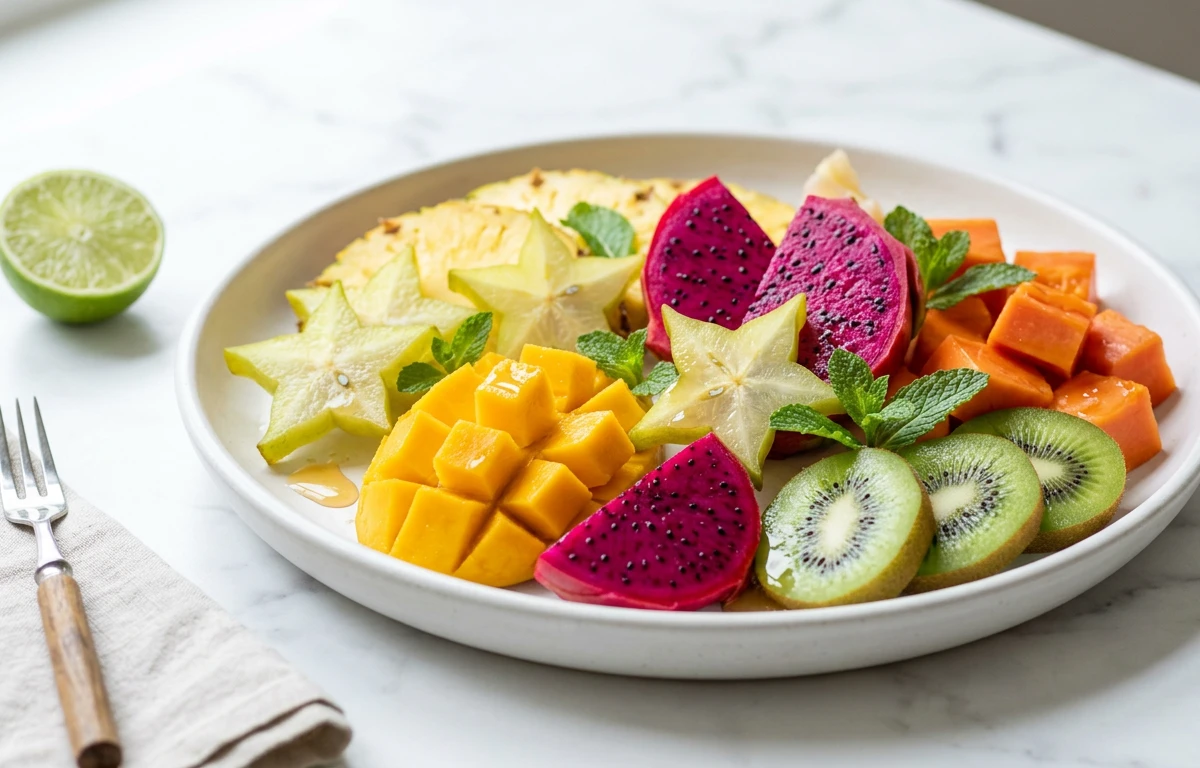
Carambola's mild, tart flavor and crisp texture make it a great team player. It rarely overpowers other ingredients.
Who should eat it?
Three simple ideas
Because it's best fresh, the simplest preparations are often the most delicious.
Want more low-sugar ideas worked into your week?
Our meal planner can help you build a balanced week of eating, focusing on low-glycemic foods and proper portions, with a single grocery list to make it easy.
Build my weekly plan →SOURCES & REFERENCES · 3
One more thing
Eating well is rarely about willpower. It’s about having a short list of dinners you actually want to eat. Pick two from this list. Make them next week. The rest will follow.
If you want these on autopilot, our weekly meal planner can drop the picks above into your calendar with one click and build a single grocery list from the merged ingredients.
FREQUENTLY ASKED QUESTIONS
Frequently asked questions
Why is star fruit dangerous for people with kidney problems?
Carambola contains high levels of both oxalic acid and a specific neurotoxin called caramboxin. Healthy kidneys can easily filter these compounds out. However, in people with chronic kidney disease (CKD) or impaired kidney function, these substances can build up to toxic levels, causing neurological symptoms and further kidney damage. It is not a small risk; it's a serious danger.
Can you eat the skin of a star fruit?
Yes, the skin is thin, waxy, and completely edible. There's no need to peel it, which makes it a very convenient snack.
Is carambola good for people with diabetes?
Yes, for people with diabetes but healthy kidneys, it's an excellent choice. It is very low in sugar and carbohydrates and has a good amount of fiber, so it has a minimal effect on blood sugar levels.
What does star fruit taste like?
It's a unique, mild flavor. Most people describe it as a combination of a few different fruits: the tartness of a green grape, the texture of a crisp pear, and a hint of citrus. When very ripe, it's sweeter and less tart.
METHODOLOGY
How this article was created
Built using verified nutrition databases, culinary research, and traditional cooking knowledge — every claim is cross-referenced against the sources listed in the article.
· USDA data· Culinary research· Quality reviewed
Read our methodology →TRANSPARENCY
About this content
Articles are curated using trusted food databases (USDA FoodData Central, IFCT), culinary literature, and dietary guidelines, then structured by our editorial team for clarity, accuracy, and usefulness.
· Verified data sources· Culinary research· Quality reviewed
Read our editorial policy →RELATED RECIPES
Cook from this article
EXPLORE OUR MEALS
Meals that fit this article

AMERICAN · 1677 CAL
Almonds with Sliced Apple + supplement + iron

MEDITERRANEAN · 809 CAL
Greek Yogurt with Berries Almonds and Granola + supplement + iron

GENERAL_HEALTHY · 705 CAL
Banana with Peanut Butter Pregnancy + supplement + iron
MODERN · 982 CAL
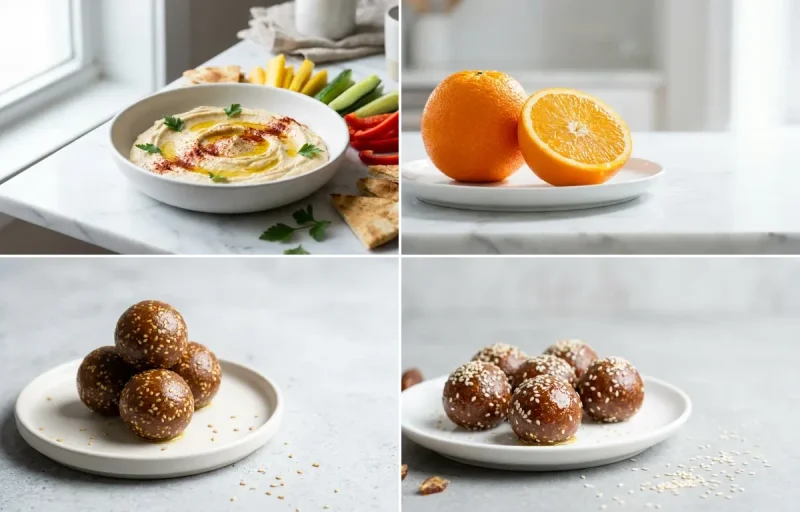
Hummus with Crudits and Pita with Fresh Orange Snack + supplement + iron
TAGGED
KEEP READING