Most of us only think about sunflower seeds at a baseball game or when filling a bird feeder. That's a real shame, because these little grey kernels are one of the most nutrient-dense, convenient, and affordable snacks you can find. They're packed with healthy fats, protein, and a surprising amount of vitamin E, all with barely any impact on blood sugar. It's time to move them from the dugout to your daily starting lineup.
↑ A small handful of sunflower seeds is a powerhouse of nutrients.
The wildly underrated kernel
Sunflower seeds are the fruit of the sunflower plant. Yes, a fruit! We just eat the kernel inside. And what a kernel it is. It's mostly fat — but the good kind — with a serious dose of protein and fiber. This combination is what makes them so satisfying.
Unlike a carbohydrate-based snack that can leave you hungry an hour later, the fat and protein in sunflower seeds provide slow, steady energy. They won't spike your blood sugar. In fact, they'll barely move the needle. The trick, as with all nuts and seeds, is getting the portion right.
IN ONE LINE
A small handful of sunflower seeds provides healthy fats, filling protein, and fiber with almost no impact on blood sugar. Just be mindful of the calories and choose unsalted when you can.
Sunflower seed nutrition facts
Here's what a 100-gram portion of shelled sunflower seeds — a generous amount, about 3/4 of a cup — provides. Most people will eat a smaller portion, like 1/4 cup (around 30 grams).
The numbers speak for themselves: this is a high-fat, high-protein food. Out of 20 grams of carbs, nearly half comes from fiber, leaving very few 'net carbs'. This profile is what makes them so incredibly satiating and blood-sugar friendly.
A QUICK WORD
Watch out for salted versions. While delicious, they can pack over 100% of your daily sodium needs in a single serving if you're not careful. Look for 'unsalted' or 'lightly salted'.
Sunflower seeds & glycemic index
People often ask for the glycemic index (GI) of sunflower seeds, but it's a bit of a trick question. The GI scale is designed to measure how quickly a carbohydrate-containing food raises blood sugar. Because sunflower seeds have so few carbohydrates and so much fat, fiber, and protein to slow down digestion, their effect on blood sugar is tiny. They are considered a very low-GI food, with a glycemic load close to zero. They are one of the safest snacks you can choose from a blood sugar perspective.
GLYCEMIC INDEX · SUNFLOWER SEEDS vs COMMON FOODS
Sunflower seeds barely register on the GI scale
Sunflower Seeds
very low carb
LOW
Apple
whole fruit
LOW
Pineapple
whole fruit
MEDIUM
White bread
refined
HIGH
SCALE 0–90
04590
How to eat them right
It's hard to go wrong with sunflower seeds, but a few simple habits will help you get the most out of them without accidentally derailing your calorie goals.
01
Watch the portion.
A 1/4 cup serving (about 30g) is a great snack. It's easy to eat half a bag without thinking, which can add up to 400-500 calories.
02
Go for unsalted.
Most of us get too much sodium. Choosing unsalted seeds gives you all the benefits without the extra salt, which is especially important for blood pressure.
03
Use them as a condiment.
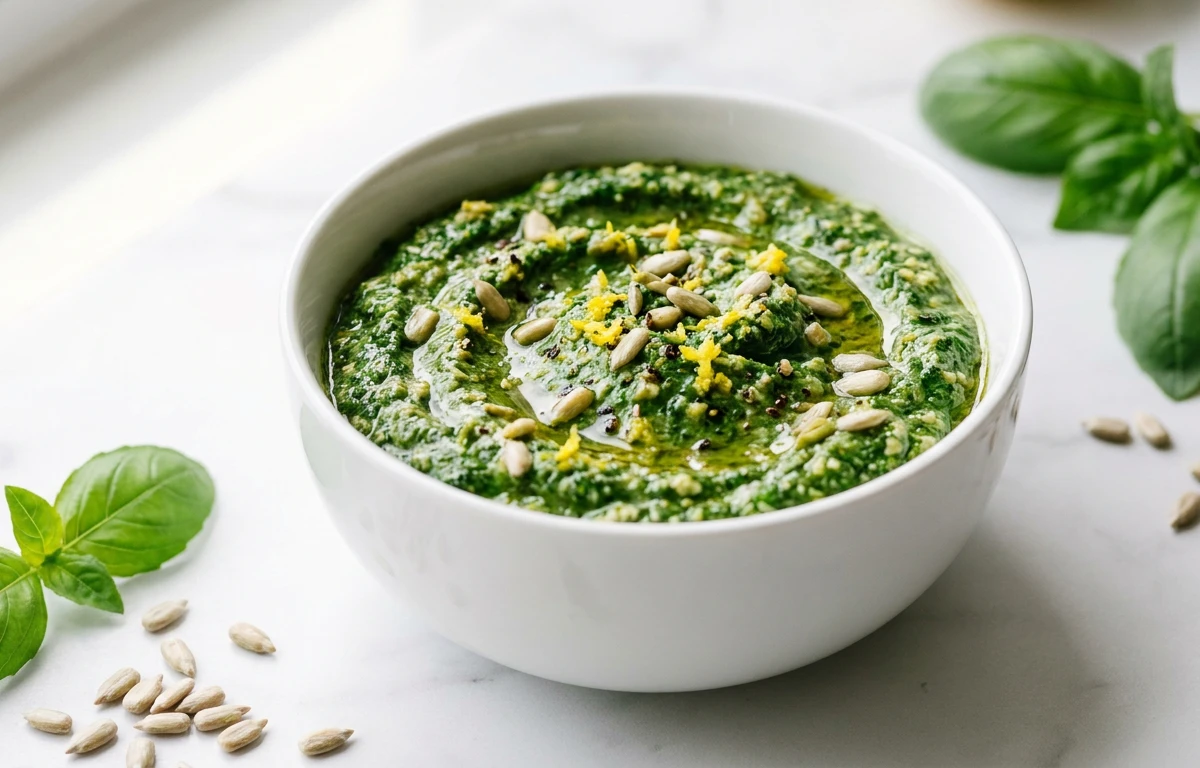
Think of them as a crunchy, nutritious topping for salads, yogurt bowls, oatmeal, and stir-fries. A tablespoon or two adds texture and nutrients.
04
Try sunflower butter.
Also called SunButter, it's a great alternative to peanut butter for those with allergies. Look for brands with just seeds and salt, no added sugar or oils.
What sunflower seeds are good for
01
Heart-healthy fats
Rich in monounsaturated and polyunsaturated fats, which are known to be beneficial for heart health and can help lower 'bad' LDL cholesterol.
15.5 g
fat per ¼ cup
02
A major source of Vitamin E
Sunflower seeds are one of the best food sources of vitamin E, a powerful antioxidant that protects cells from damage and supports immune function.
>100%
Vit E RDI
03
Excellent for blood sugar control
The combination of high fiber, protein, and healthy fat with very few carbs means they have a minimal effect on blood sugar levels.
GI
very low
04
Packed with magnesium
This essential mineral is crucial for bone structure, nerve function, and blood pressure regulation. A quarter cup provides a significant portion of your daily needs.
~25%
Mg RDI
What to pair sunflower seeds with
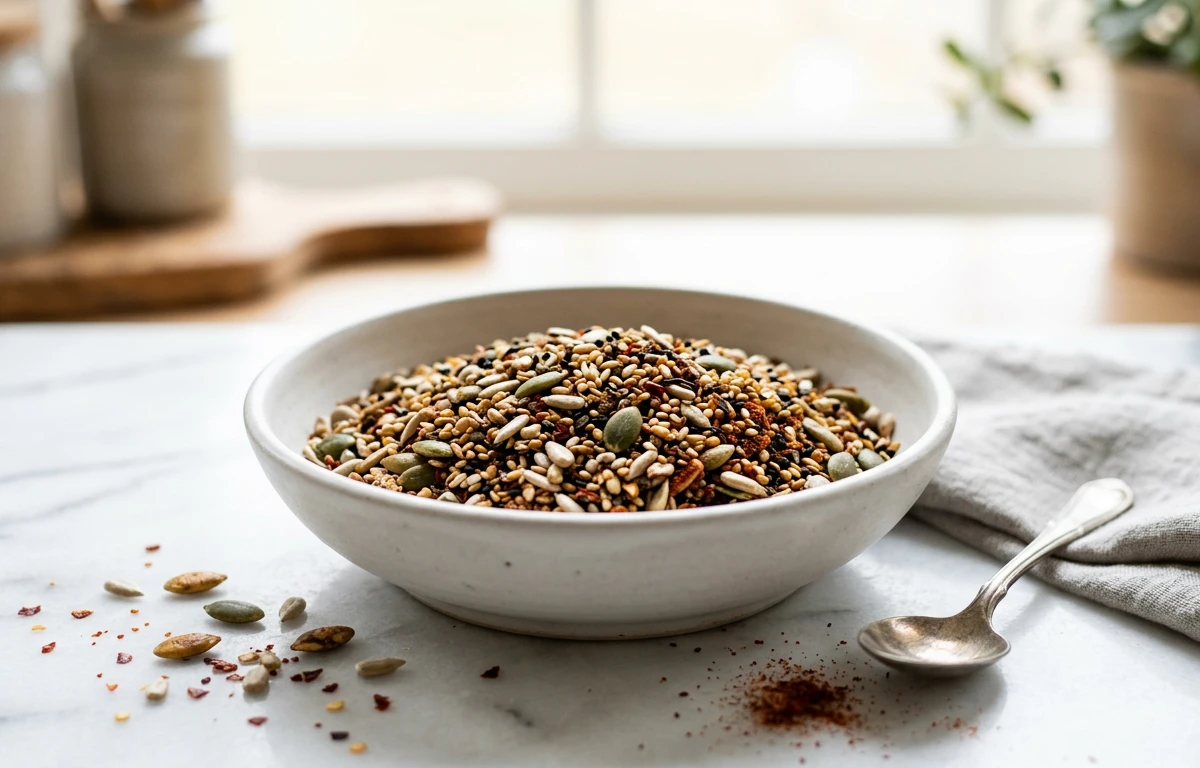
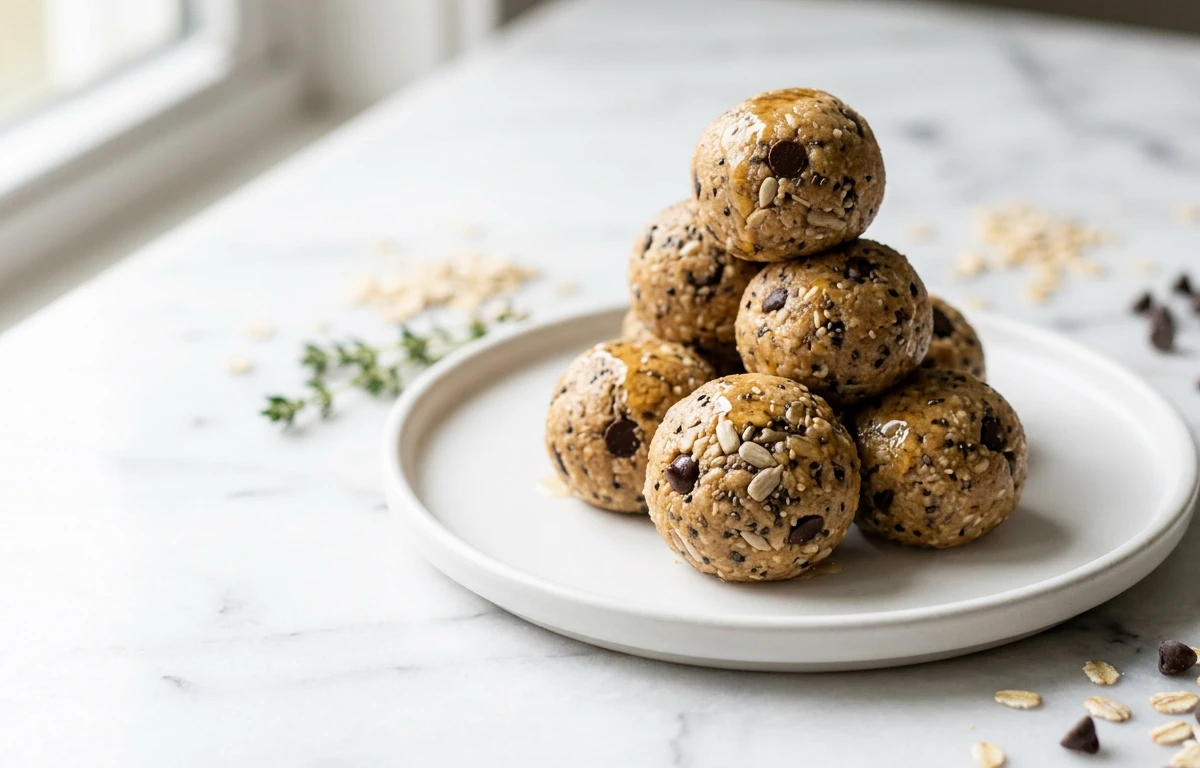
Their mild, nutty flavor makes sunflower seeds incredibly versatile. Use them to add crunch and a nutritional boost to almost any meal.
Eat freely — or be mindful?
Three ways to use them
Move beyond snacking and use sunflower seeds to add flavor, texture, and nutrition to your everyday meals.
Want healthy snacks worked into a balanced week — without the planning?
Our meal planner incorporates nutrient-dense foods like sunflower seeds into balanced snacks and meals, with portions and macros already calculated and a single grocery list at the end.
Build my weekly plan →SOURCES & REFERENCES · 3
One more thing
Eating well is rarely about willpower. It’s about having a short list of dinners you actually want to eat. Pick two from this list. Make them next week. The rest will follow.
If you want these on autopilot, our weekly meal planner can drop the picks above into your calendar with one click and build a single grocery list from the merged ingredients.
FREQUENTLY ASKED QUESTIONS
Frequently asked questions
Are sunflower seeds good for weight loss?
They can be, in moderation. Their high protein and fiber content makes them very filling, which can help prevent overeating. However, they are very high in calories, so it's crucial to stick to a small portion, like a 1/4 cup serving.
How many sunflower seeds should I eat a day?
A standard serving is about 1/4 cup (or 30 grams) of shelled seeds. This provides a good dose of nutrients without adding excessive calories. For most people, this is a healthy daily amount.
Is sunflower butter healthy?
Yes, it's a great healthy fat source and an excellent alternative for those with peanut or tree nut allergies. Look for brands that contain only sunflower seeds and maybe a little salt. Avoid versions with added sugars and hydrogenated oils.
Are roasted sunflower seeds less healthy than raw?
Both are healthy choices. Roasting can slightly decrease the content of some heat-sensitive vitamins, but the difference is minimal. The main thing to watch for with roasted seeds is added salt and oils. Dry-roasted, unsalted seeds are a fantastic option.
METHODOLOGY
How this article was created
Built using verified nutrition databases, culinary research, and traditional cooking knowledge — every claim is cross-referenced against the sources listed in the article.
· USDA data· Culinary research· Quality reviewed
Read our methodology →TRANSPARENCY
About this content
Articles are curated using trusted food databases (USDA FoodData Central, IFCT), culinary literature, and dietary guidelines, then structured by our editorial team for clarity, accuracy, and usefulness.
· Verified data sources· Culinary research· Quality reviewed
Read our editorial policy →RELATED RECIPES
Cook from this article
EXPLORE OUR MEALS
Meals that fit this article

AMERICAN · 1677 CAL
Almonds with Sliced Apple + supplement + iron

MEDITERRANEAN · 809 CAL
Greek Yogurt with Berries Almonds and Granola + supplement + iron

GENERAL_HEALTHY · 705 CAL
Banana with Peanut Butter Pregnancy + supplement + iron
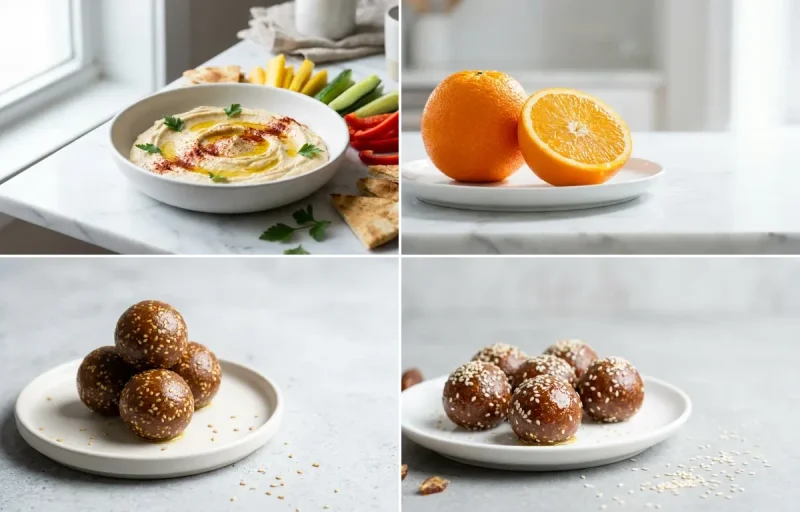
MODERN · 982 CAL
Hummus with Crudits and Pita with Fresh Orange Snack + supplement + iron
TAGGED
KEEP READING