It's the weird, sticky, brown paste that gives Pad Thai its signature tang and many chutneys their sweet-sour kick. But tamarind is more than just a flavor agent. It's a fruit, and its pulp packs a surprising nutritional story. It's incredibly high in carbohydrates and natural sugar, which scares some people off. But that sugar comes with a decent dose of fiber and a unique mineral profile you don't find in most fruits. The key isn't to avoid it, but to understand it: use it in small amounts for its potent flavor, and you get all the benefits without the sugar overload.
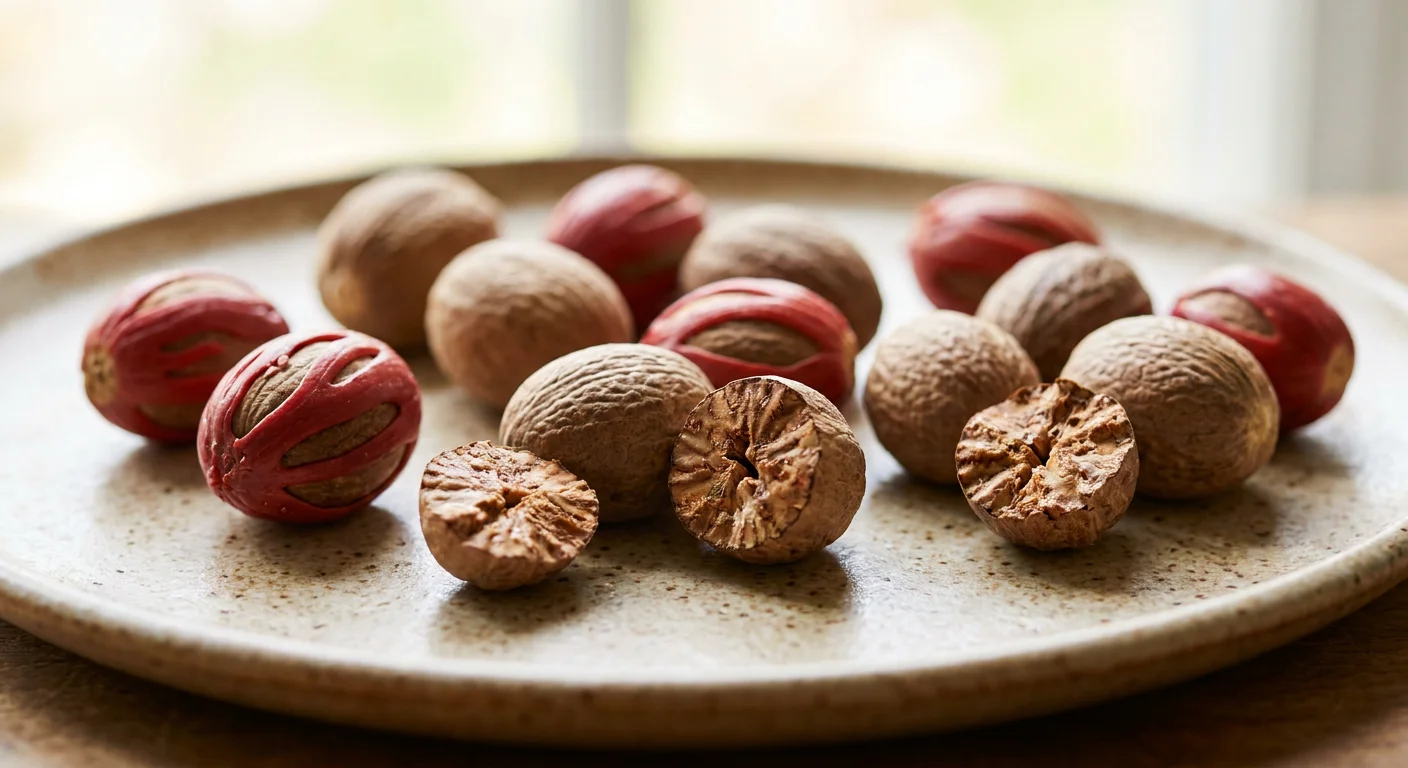
↑ Tamarind is a fruit that grows in pods on a tree, typically processed into a paste.
The sweet & sour truth
Most of us meet tamarind not as a fruit, but as an ingredient. It's a foundational flavor in cuisines across Asia, Africa, and Latin America. But the paste starts life as a pod hanging from a tree. Inside, a sticky, dense pulp surrounds the seeds. This pulp is what we use.
Its flavor is a fascinating tightrope walk between sweet and sour, thanks to a high concentration of both sugar and tartaric acid. This unique profile makes it a natural for balancing rich curries, brightening up noodle dishes, or adding depth to marinades. Nutritionally, it's just as distinct: a concentrated source of energy, fiber, and minerals, quite unlike more watery fruits.
IN ONE LINE
Think of tamarind as a flavor concentrate, not a fruit to eat by the spoonful. It's high in natural sugar but also fiber and minerals. A little goes a long way.
Tamarind nutrition facts
Here's what 100 grams (about 1/2 cup) of raw tamarind pulp provides. This is a much larger portion than you'd typically use in a single dish.
The first number that jumps out is the carbohydrate content: 62.5 grams is a huge amount, more than you'll find in a cup of cooked pasta. Most of this is natural sugar. But look closer. 5.1 grams of fiber is significant, and it's an excellent source of minerals like magnesium and potassium, which are critical for nerve function and blood pressure regulation.
Is tamarind too sugary?
On paper, yes. With nearly 60 grams of sugar per 100g, it's in the same league as dates. But nobody eats 100g of tamarind paste in one go. A typical recipe might call for one or two tablespoons for a dish that serves four people. In those quantities, you're adding a gram or two of sugar per serving, which is negligible. The problem isn't the paste itself; it's sweetened tamarind products like candies or commercial 'Agua de Tamarindo' drinks, which often have a lot of added sugar on top of the fruit's own.
Watch out for 'tamarind drink concentrate' and tamarind candy. These often contain significant amounts of added sugar, turning a natural fruit product into something closer to soda.
Tamarind's glycemic index
There is no officially published, reliable glycemic index (GI) value for tamarind pulp. However, we can make an educated guess. Given its very high sugar and carbohydrate content, its GI is likely in the medium to high range, probably higher than most whole fruits like apples or even mangoes. The presence of fiber and acid will temper the blood sugar response somewhat, but it's still a very concentrated source of sugar. This is why portion control is everything.
GLYCEMIC INDEX · COMMON FOODS FOR CONTEXT
Tamarind is a high-carb fruit paste
Cherries
whole fruit
LOW
Apple
whole fruit
LOW
Mango
whole fruit
LOW
Watermelon
whole fruit
HIGH
White bread
refined
HIGH
SCALE 0–90
04590
How to use it smartly
Tamarind is a fantastic ingredient when you know how to handle it. A few simple rules make all the difference.
01
Use for flavor, not volume.
A tablespoon of paste is often enough to flavor an entire multi-serving dish. Treat it like a potent spice or condiment.
02
Buy unsweetened paste.
Look for blocks of pure tamarind pulp or jars of 'tamarind concentrate' with no added sugar. You can control the sweetness yourself.
03
Balance it out.
Tamarind is rarely eaten alone. It's almost always part of a dish with protein, fats, and other vegetables, which helps buffer its sugar content.
04
Make your own tamarind water.
Instead of buying sugary drinks, soak a small piece of tamarind pulp in hot water, strain it, and use the liquid. You'll get pure flavor.
05
Rethink candy and soda.
Be especially mindful of tamarind-flavored sweets and sodas, which are often sugar bombs with little of the fruit's original fiber or nutrients.
What tamarind is good for
01
A rich source of minerals
Tamarind is exceptionally high in magnesium and potassium, two minerals vital for regulating blood pressure, muscle contractions, and nerve signaling.
22%
magnesium DV
02
Natural digestive aid
With 5.1 grams of fiber per 100g, tamarind pulp can help promote regularity. It has been used traditionally for its mild laxative effect.
5.1 g
fiber
03
Packed with polyphenols
Like many intensely colored fruits, tamarind is rich in antioxidants, particularly polyphenols, which help combat oxidative stress in the body.
High
antioxidants
04
A unique flavor balancer
Its high tartaric acid content allows you to add a sour, tangy note to dishes, reducing the need for vinegar and adding complexity.
Sweet
& Sour
What to pair tamarind with
Tamarind's potent flavor shines when balanced by other ingredients. It's a team player, not a solo act.
Use freely — or be mindful?
Three ways to use it
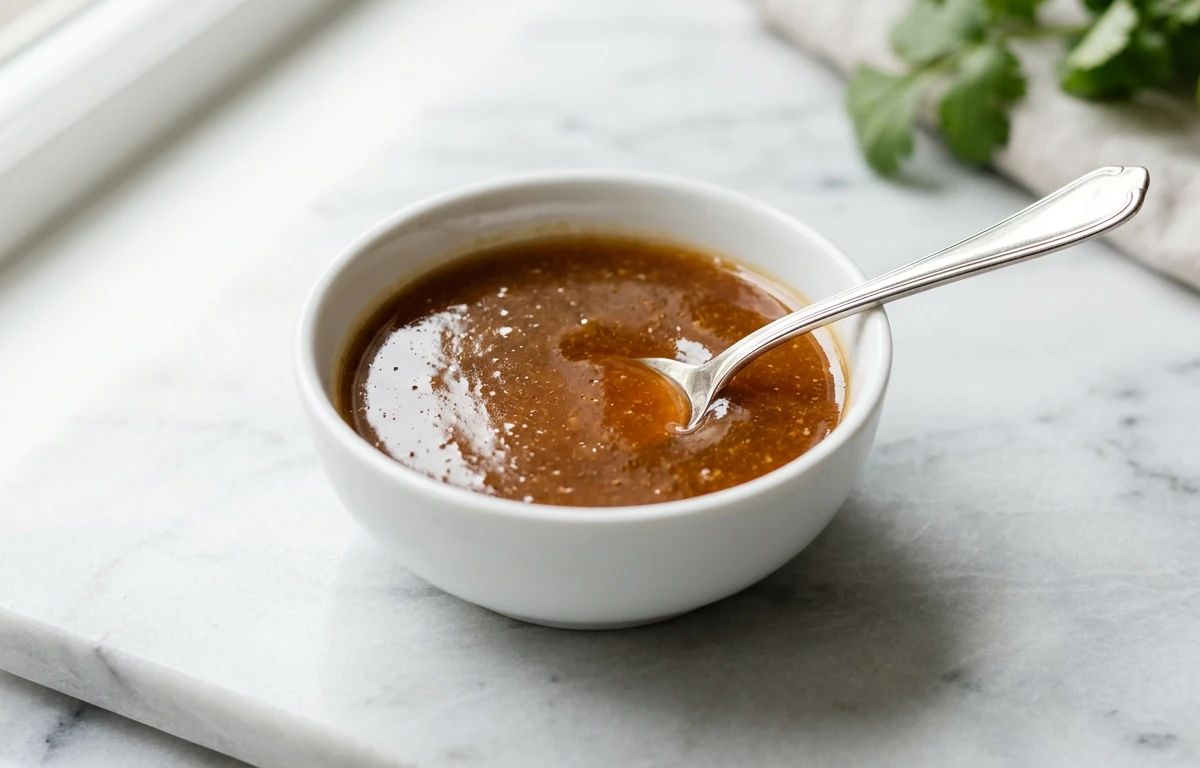
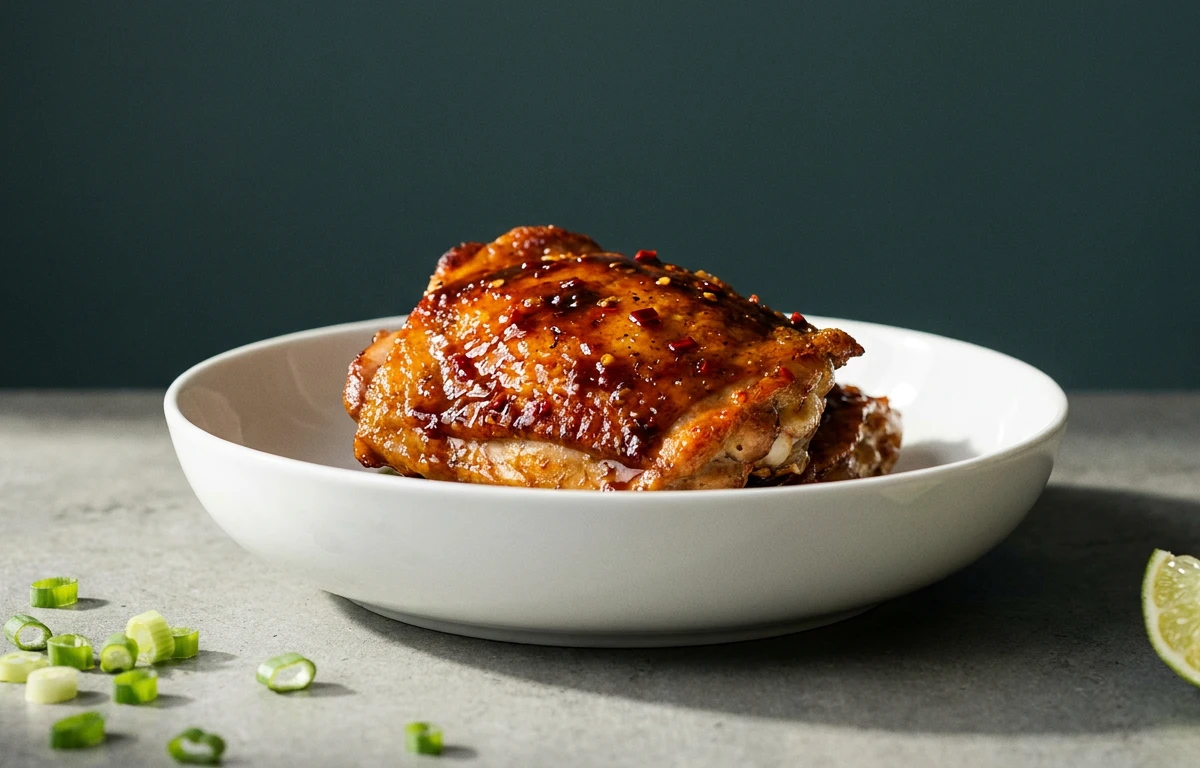
Three simple recipes that show how to use tamarind's flavor in a balanced way, using unsweetened paste as the starting point.
Want complex flavors worked into a balanced week — without the guesswork?
Our meal planner uses ingredients like tamarind to create exciting, flavorful dishes, while ensuring the portions and macros are perfectly balanced for your health goals.
Build my weekly plan →SOURCES & REFERENCES · 3
One more thing
Eating well is rarely about willpower. It’s about having a short list of dinners you actually want to eat. Pick two from this list. Make them next week. The rest will follow.
If you want these on autopilot, our weekly meal planner can drop the picks above into your calendar with one click and build a single grocery list from the merged ingredients.
FREQUENTLY ASKED QUESTIONS
Frequently asked questions
Can people with diabetes eat tamarind?
With extreme caution. Because it's so high in carbohydrates and sugar, tamarind paste can cause a significant blood sugar spike if eaten in large amounts. However, using a very small amount (e.g., one teaspoon) to flavor a large, multi-serving dish is generally acceptable. Avoid sweetened tamarind products completely.
Is tamarind good for weight loss?
Not directly. Tamarind paste is calorie-dense (239 calories per 100g). But because you use so little, it can be part of a weight-loss diet. Its strong flavor can make simple, healthy foods like lentils or grilled fish more exciting, which can help with diet adherence.
What's the difference between tamarind paste, pulp, and concentrate?
These terms are often used interchangeably. 'Pulp' usually refers to the raw, fibrous fruit from the pod. 'Paste' or 'Concentrate' is processed pulp, often sold in a block or jar, with seeds and fibers removed. Always check the label: the best products contain only tamarind and water, with no added sugar.
Does tamarind have a laxative effect?
Tamarind has traditionally been used as a mild, natural laxative due to its fiber and tartaric acid content. In the small quantities typically used in cooking, this effect is usually not noticeable. If you were to consume a large amount, you might experience this effect.

ABOUT THE AUTHOR
Shreya Chatterjee
NUTRITION WRITER
Shreya is a nutrition writer and the voice behind The Nutrition Pen, where she turns evidence-based nutrition into simple, repeatable eating habits. Her writing focuses on practical food guidance — what to actually put on the plate — for readers who want to eat well without the noise.
Meet the editorial team →METHODOLOGY
How this article was created
Built using verified nutrition databases, culinary research, and traditional cooking knowledge — every claim is cross-referenced against the sources listed in the article.
· USDA data· Culinary research· Quality reviewed
Read our methodology →TRANSPARENCY
About this content
Articles are curated using trusted food databases (USDA FoodData Central, IFCT), culinary literature, and dietary guidelines, then structured by our editorial team for clarity, accuracy, and usefulness.
· Verified data sources· Culinary research· Quality reviewed
Read our editorial policy →RELATED RECIPES
Cook from this article
EXPLORE OUR MEALS
Meals that fit this article

AMERICAN · 1677 CAL
Almonds with Sliced Apple + supplement + iron

MEDITERRANEAN · 809 CAL
Greek Yogurt with Berries Almonds and Granola + supplement + iron

GENERAL_HEALTHY · 705 CAL
Banana with Peanut Butter Pregnancy + supplement + iron

MODERN · 982 CAL
Hummus with Crudits and Pita with Fresh Orange Snack + supplement + iron
TAGGED
KEEP READING