Walk into millions of kitchens on a weekday morning and you'll find flattened rice — or poha — soaking for a quick breakfast. It's fast, it's comforting, and it's often dismissed as 'just carbs.' But is that fair? The truth about flattened rice isn't in the flake itself, but in what you do with it. It's a kitchen chameleon: a blank canvas that can be a balanced meal or a carb-heavy snack, all depending on how you cook it.
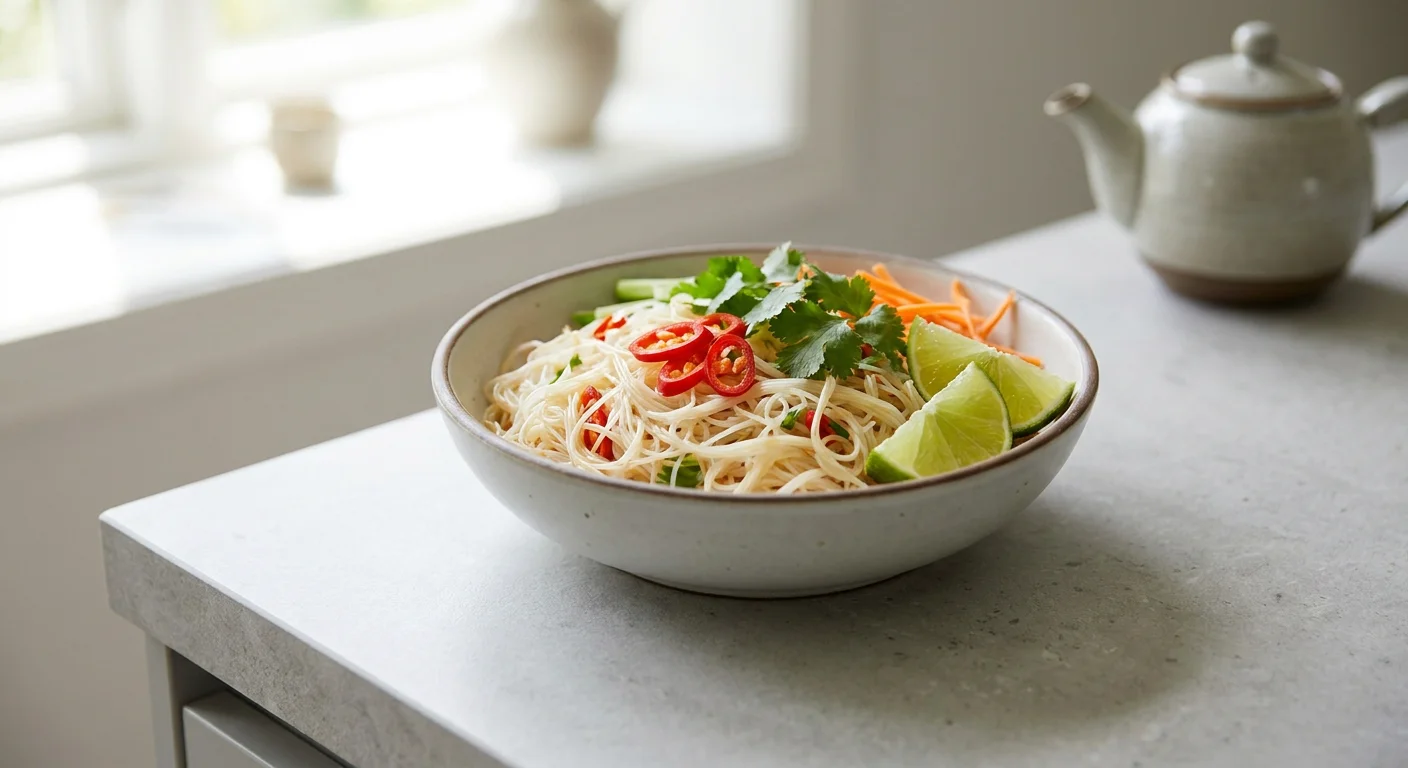
↑ Flattened rice, or poha, is a quick-cooking staple — but its health profile depends entirely on what you add to it.
The ultimate convenience grain
Flattened rice is simply rice that has been parboiled, rolled flat, and dried. This process makes it incredibly quick to prepare — a simple soak in water is often all it needs. It's light, fluffy, and a fantastic carrier of flavour.
But let's be honest: on its own, it's nutritionally similar to white rice. It's a source of carbohydrate energy, but it's low in fiber, protein, and micronutrients. The magic of flattened rice isn't what it is, but what it can be. It's a starting point, not the finished product.
Think of flattened rice as a blank canvas for a quick meal. Its healthiness is almost entirely determined by the vegetables, protein, and fats you add to it.
Flattened rice nutrition facts
Here's the nutritional breakdown for 100 grams of uncooked, plain flattened rice. Keep in mind this is a larger serving than a typical breakfast bowl, but it's the standard for comparison.
The numbers tell a clear story. This is a high-carbohydrate, low-fat food. The protein is modest, and the fiber content is very low — that's the key takeaway. A diet rich in fiber is crucial for blood sugar control, fullness, and gut health, and flattened rice on its own doesn't help you meet that goal.
The glycemic index issue
The Glycemic Index (GI) of flattened rice is a bit of a moving target. It hasn't been studied as extensively as other grains, and it varies based on the thickness of the flakes — thicker flakes generally have a lower GI than paper-thin ones. Most sources place it in the medium-to-high range, meaning it can raise blood sugar more quickly than whole grains like oats or barley. It's certainly not a 'low GI' food.
GLYCEMIC INDEX · FLATTENED RICE vs COMMON FOODS
Flattened rice is a medium-to-high GI carb
Apple
whole fruit
LOW
Pineapple
whole fruit
MEDIUM
Flattened Rice
varies
MEDIUM
Watermelon
whole fruit
HIGH
White bread
refined
HIGH
SCALE 0–90
04590
How to make it healthier
Don't banish poha from your kitchen. Just give it a nutritional upgrade. The goal is to add back the fiber, protein, and healthy fats it's missing.
01
Pile on the vegetables.
This is non-negotiable. Onions, peas, carrots, bell peppers — they all add fiber, vitamins, and bulk, making the meal more filling with fewer calories.
02
Add a protein source.
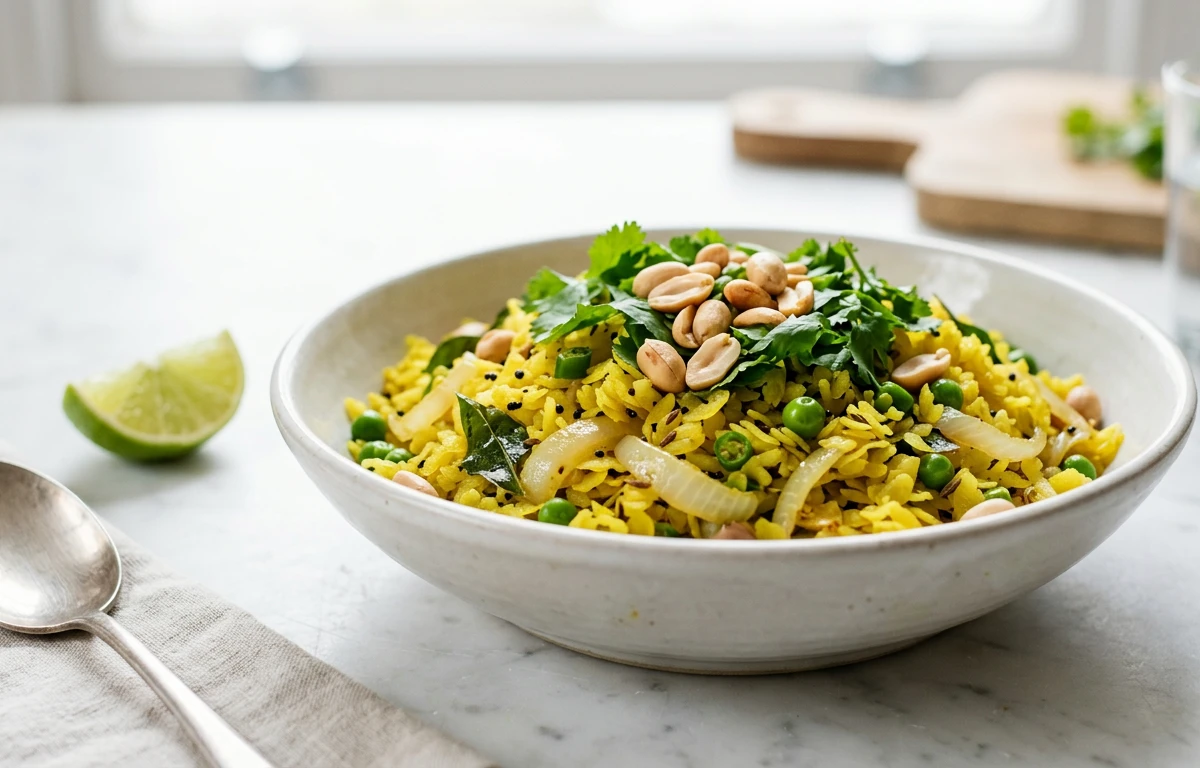
Toss in a handful of roasted peanuts, chickpeas, or serve with a side of yogurt or a boiled egg. Protein slows down digestion and blunts the blood sugar response.
03
Use healthy fats.
A drizzle of a good quality oil for tempering (tadka) and a sprinkle of nuts or seeds adds flavour and helps keep you full.
04
Choose thicker flakes.
If you have a choice, 'thick' or 'medium' poha generally has a slightly lower GI than the 'thin' or 'paper' varieties.
05
Watch your portion.
Because it's light and fluffy, it's easy to eat a lot. Stick to a small bowl, especially if you're managing your weight or blood sugar.
What flattened rice is good for
01
A source of quick energy
The high carbohydrate content makes it an excellent source of fast fuel, which can be great before a workout or for a morning energy boost.
77g
carbs/100g
02
Incredibly easy to digest
Its low fiber content means it's very gentle on the stomach. This makes it a good option for days when your digestion feels sensitive or during recovery from illness.
1.3g
fiber/100g
03
Suitable for kidney diets
Being low in protein, potassium, and phosphorus, flattened rice is often a suitable carbohydrate choice for people on a renal (kidney) diet.
Low
protein/K/P
04
A versatile and fast base
Its main benefit is convenience. You can have a meal ready in under 15 minutes, and it works with countless savory and sweet flavour combinations.
<15
min prep
What to pair it with
Pairing is everything for flattened rice. The goal is always to add fiber and protein to slow down the carb absorption.
Eat freely — or be mindful?
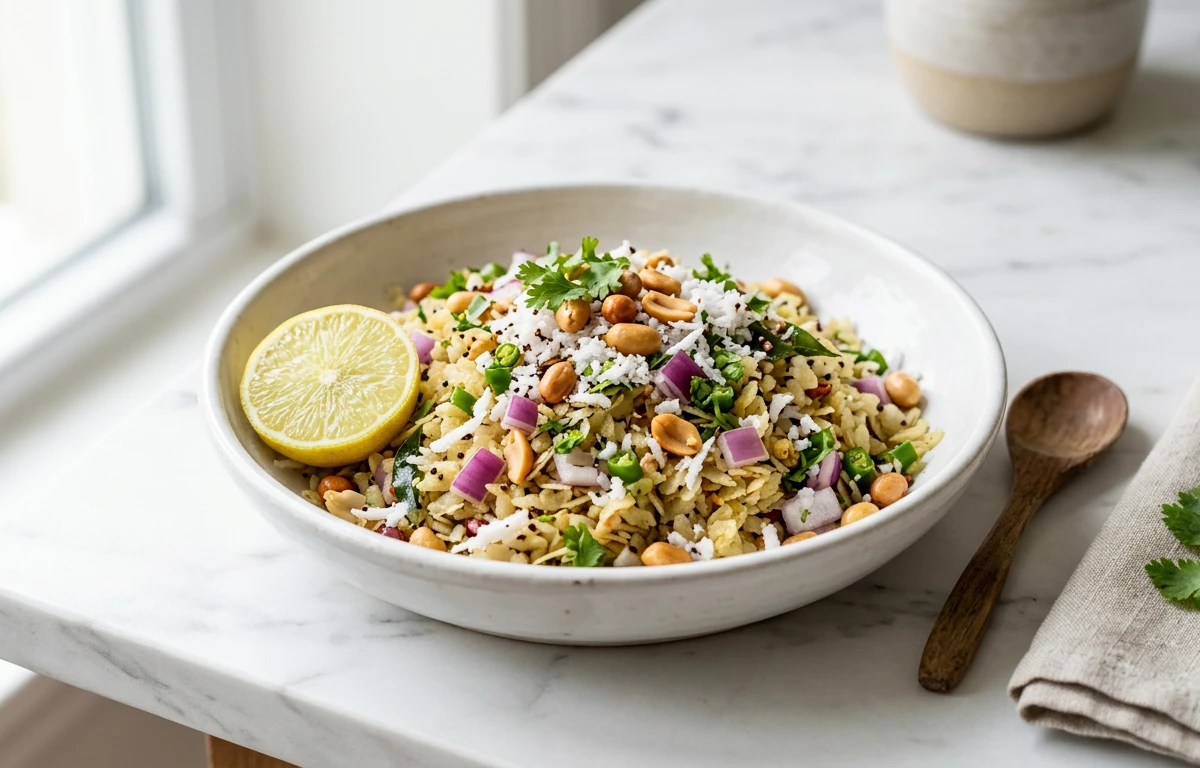
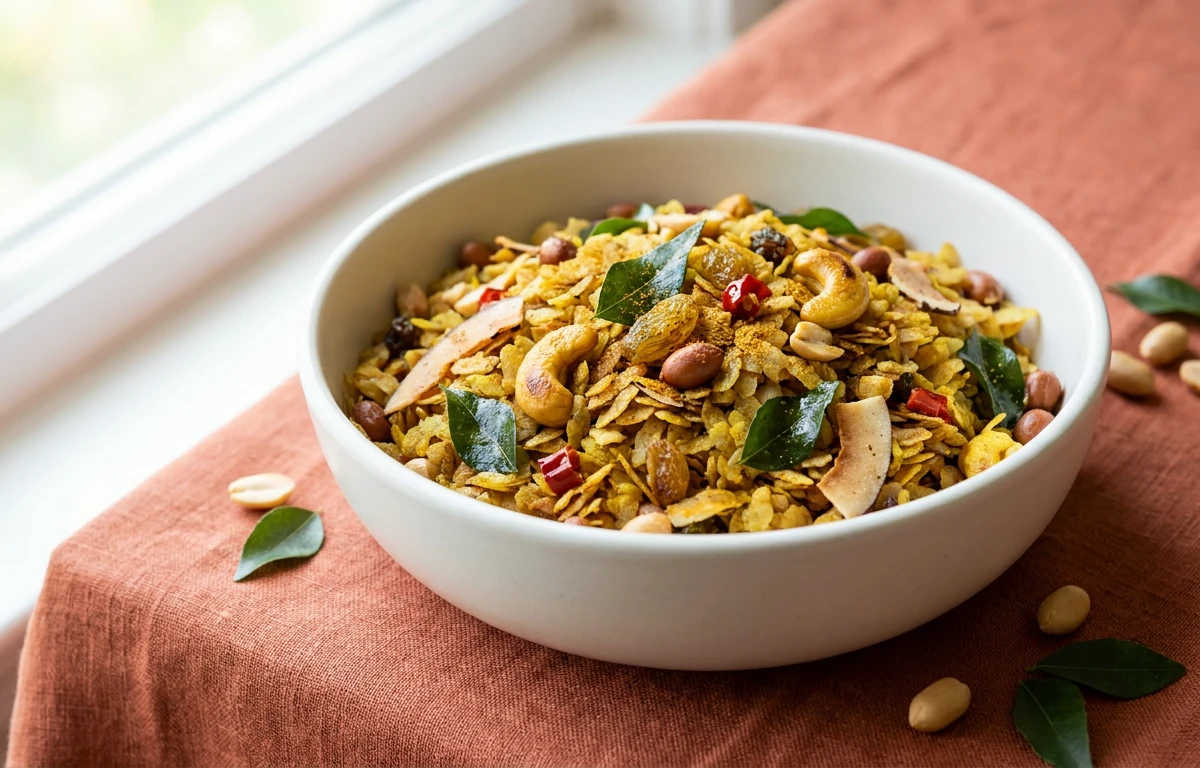
Three ways with poha
Three simple recipes that show how to build a better bowl of poha.
Want carb-smart meals without the guesswork?
Our meal planner helps you build balanced days, pairing grains like flattened rice with the right amount of protein and fiber for steady energy. Get your personalized plan with a single grocery list.
Build my weekly plan →SOURCES & REFERENCES · 3
One more thing
Eating well is rarely about willpower. It’s about having a short list of dinners you actually want to eat. Pick two from this list. Make them next week. The rest will follow.
If you want these on autopilot, our weekly meal planner can drop the picks above into your calendar with one click and build a single grocery list from the merged ingredients.
FREQUENTLY ASKED QUESTIONS
Frequently asked questions
Can people with diabetes eat flattened rice?
With caution. Flattened rice is high in carbohydrates and has a medium-to-high GI. If you have diabetes, it's crucial to eat it in a very small portion, and always combine it with plenty of vegetables, and a source of protein and fat (like nuts or yogurt) to slow sugar absorption.
Is flattened rice good for weight loss?
Not ideal, but possible. It's high in calories and low in fiber, so it's not very filling on its own. If you're trying to lose weight, you'd be better off with a higher-fiber grain like oats. If you do eat poha, keep the portion size tiny and bulk it up with lots of vegetables.
Is flattened rice healthier than white rice?
Nutritionally, they are very similar. Both are refined grains, low in fiber. Flattened rice is sometimes fortified with iron, which can be a small benefit. The main difference is in preparation and use. Neither is a 'health food' on its own; their healthiness depends on how they are included in a balanced meal.
Is poha a good breakfast?
It can be, if you make it right. A bowl of plain poha is mostly just quick-burning carbs. A bowl of poha cooked with lots of onions and peas, topped with peanuts, and served with a side of yogurt is a much more balanced and satisfying breakfast that provides carbs, protein, fat, and fiber.

ABOUT THE AUTHOR
Shreya Chatterjee
NUTRITION WRITER
Shreya is a nutrition writer and the voice behind The Nutrition Pen, where she turns evidence-based nutrition into simple, repeatable eating habits. Her writing focuses on practical food guidance — what to actually put on the plate — for readers who want to eat well without the noise.
Meet the editorial team →METHODOLOGY
How this article was created
Built using verified nutrition databases, culinary research, and traditional cooking knowledge — every claim is cross-referenced against the sources listed in the article.
· USDA data· Culinary research· Quality reviewed
Read our methodology →TRANSPARENCY
About this content
Articles are curated using trusted food databases (USDA FoodData Central, IFCT), culinary literature, and dietary guidelines, then structured by our editorial team for clarity, accuracy, and usefulness.
· Verified data sources· Culinary research· Quality reviewed
Read our editorial policy →RELATED RECIPES
Cook from this article
EXPLORE OUR MEALS
Meals that fit this article

AMERICAN · 1677 CAL
Almonds with Sliced Apple + supplement + iron

MEDITERRANEAN · 809 CAL
Greek Yogurt with Berries Almonds and Granola + supplement + iron

GENERAL_HEALTHY · 705 CAL
Banana with Peanut Butter Pregnancy + supplement + iron

MODERN · 982 CAL
Hummus with Crudits and Pita with Fresh Orange Snack + supplement + iron
TAGGED
KEEP READING