Most people reach for an orange when they think of vitamin C. I'm here to tell you that's a bit of a rookie move. Meet the guava: a fragrant, slightly gritty, fantastically floral fruit that packs a staggering amount of vitamin C into a small, low-sugar package. It's been hiding in plain sight, and it's one of the most nutritionally impressive fruits you can eat. The trick isn't just eating it; it's embracing its unique character — texture, seeds, and all.
↑ The beautiful pink flesh of a ripe guava is a sign of its antioxidant content.
The Vitamin C Superstar
Guava is one of those fruits many of us have seen but few of us eat regularly. It has a beautifully floral, musky scent that can fill a room, and a texture that ranges from crisp like an apple to soft and yielding, with a slightly gritty quality from its edible seeds.
But its real secret is its nutrition. It's a genuine powerhouse. We're talking low calories, a decent hit of protein for a fruit, a ton of fiber, and a vitamin C content that leaves oranges in the dust. And for anyone watching their blood sugar, its glycemic index is almost unbelievably low.
IN ONE LINE
One medium guava provides more than double your daily vitamin C with a glycemic index of just 24, making it one of the most blood-sugar-friendly fruits available.
Guava nutrition facts
Here's the nutritional breakdown for a 100-gram serving of raw guava, which is about one medium-sized fruit.
Let's just pause on that vitamin C number: 228.3 milligrams. That's not a typo. It's more than two and a half times what you need in an entire day, packed into one fruit. For context, an equivalent amount of orange has about 53 mg. Then there's the fiber — 5.4 grams is a huge amount for a fruit, more than you'll find in a serving of oatmeal. This combination of low calories, high fiber, and epic vitamin C is what makes guava so special.
Guava's glycemic index
Glycemic index (GI) tells us how quickly a food's carbs affect blood sugar. Anything under 55 is considered 'low'. Guava clocks in at an astonishingly low 24. This means it provides a very slow, gentle release of energy, with none of the sharp spikes you might get from other sweet foods. It's one of the best fruit choices for stable energy and blood sugar management.
GLYCEMIC INDEX · GUAVA vs COMMON FOODS
Guava has a very low glycemic index
Cherries
whole fruit
LOW
Guava (raw)
whole fruit
LOW
Apple
whole fruit
LOW
Pineapple
whole fruit
MEDIUM
White bread
refined
HIGH
SCALE 0–90
04590
How to eat guava right
Guava is incredibly simple to eat, but a few tips will help you get the most out of it.
01
Eat the skin and seeds.
The skin is where much of the vitamin C and fiber is concentrated. Just give it a good wash. The seeds are also edible, adding a crunchy, gritty texture. If you don't like them, you can scoop them out.
02
Choose ripe but firm.
A ripe guava will have a strong floral fragrance and give slightly when pressed, like an avocado. Avoid rock-hard or mushy, bruised fruit.
03
Pair it with protein or fat.
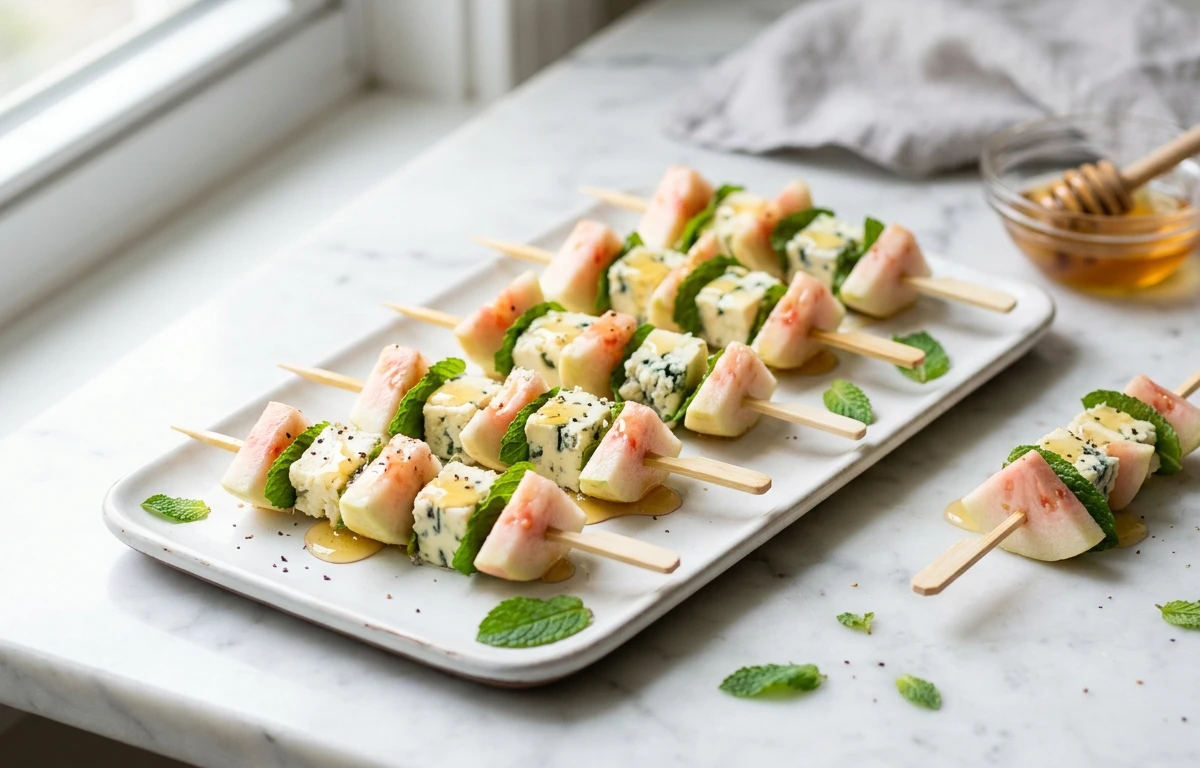
While its GI is already low, pairing guava with cheese, nuts, or yogurt makes for an even more balanced and satisfying snack.
04
Don't just think sweet.
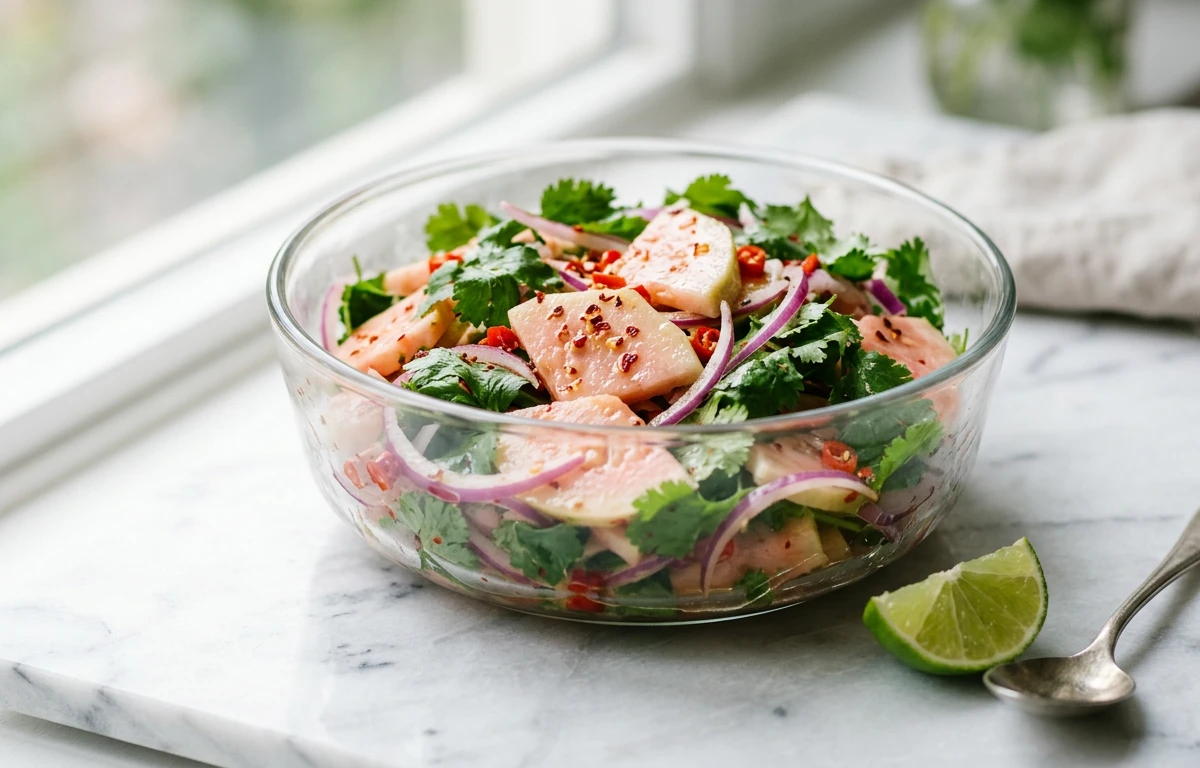
Guava is fantastic in savory salads. Its slight sweetness pairs wonderfully with salty cheese, spicy chilies, and tangy lime juice.
What guava is good for
01
Immune system support
With over 250% of your daily vitamin C in one fruit, guava is one of the best foods you can eat for a healthy immune system.
253%
vit C DV
02
Excellent for gut health
A single 100g serving provides nearly 20% of your daily fiber, which is essential for digestive regularity and feeding healthy gut bacteria.
5.4 g
fiber
03
Blood sugar regulation
The combination of high fiber and a very low glycemic index (GI ≈ 24) helps prevent blood sugar spikes, making it a top-tier fruit for people with diabetes.
GI 24
low
04
Skin health and repair
Vitamin C is a non-negotiable for producing collagen, the protein that gives skin its structure and elasticity. Guava provides it in spades.
228 mg
vitamin C
What to pair guava with
Guava's unique flavor works well in both sweet and savory contexts. Adding protein or fat helps create a balanced, filling meal or snack.
Eat freely — or be mindful?
Three ways to eat it
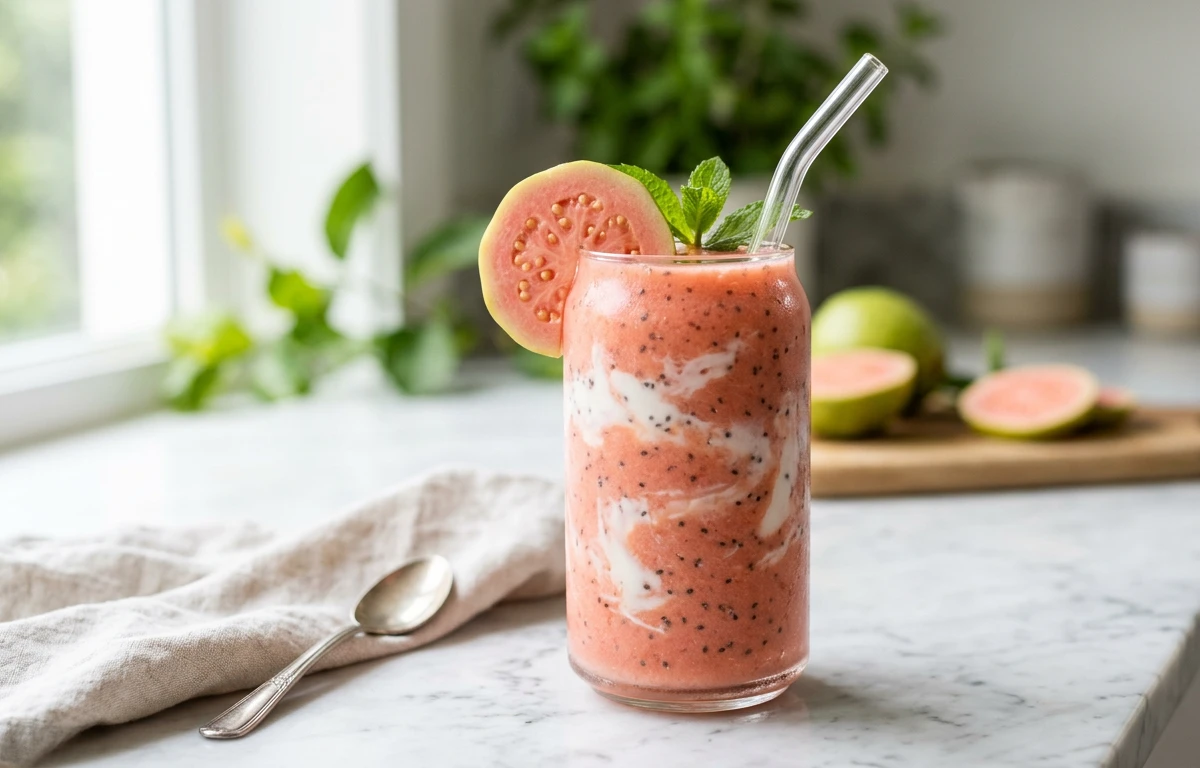
Beyond just slicing and eating, here are three simple ways to work guava into your routine.
Want nutrient-dense foods worked into a balanced week?
Our meal planner incorporates fruits like guava alongside protein and fiber for steady energy, with portions and macros already calculated and a single grocery list at the end.
Build my weekly plan →SOURCES & REFERENCES · 3
One more thing
Eating well is rarely about willpower. It’s about having a short list of dinners you actually want to eat. Pick two from this list. Make them next week. The rest will follow.
If you want these on autopilot, our weekly meal planner can drop the picks above into your calendar with one click and build a single grocery list from the merged ingredients.
FREQUENTLY ASKED QUESTIONS
Frequently asked questions
Is guava good for people with diabetes?
Yes, it's one of the best fruits for diabetes management. Its glycemic index is very low (around 24) and it's high in fiber, both of which help prevent spikes in blood sugar.
Can you eat guava skin and seeds?
Absolutely. The skin is rich in vitamin C and fiber, so it's best to eat it after washing. The seeds are also edible, though some people find them hard. You can easily scoop them out with a spoon if you prefer.
How much vitamin C is in a guava compared to an orange?
Guava is a vitamin C powerhouse. A 100g serving of guava has about 228mg of vitamin C, while the same amount of orange has about 53mg. That's over four times as much.
What does guava taste and feel like?
The flavor is a unique mix of pear, strawberry, and grapefruit — floral and sweet. The texture can vary from crisp and apple-like to soft and pear-like, with tiny, hard seeds that give it a slightly gritty texture.
METHODOLOGY
How this article was created
Built using verified nutrition databases, culinary research, and traditional cooking knowledge — every claim is cross-referenced against the sources listed in the article.
· USDA data· Culinary research· Quality reviewed
Read our methodology →TRANSPARENCY
About this content
Articles are curated using trusted food databases (USDA FoodData Central, IFCT), culinary literature, and dietary guidelines, then structured by our editorial team for clarity, accuracy, and usefulness.
· Verified data sources· Culinary research· Quality reviewed
Read our editorial policy →RELATED RECIPES
Cook from this article
EXPLORE OUR MEALS
Meals that fit this article

AMERICAN · 1677 CAL
Almonds with Sliced Apple + supplement + iron

MEDITERRANEAN · 809 CAL
Greek Yogurt with Berries Almonds and Granola + supplement + iron

GENERAL_HEALTHY · 705 CAL
Banana with Peanut Butter Pregnancy + supplement + iron
MODERN · 982 CAL
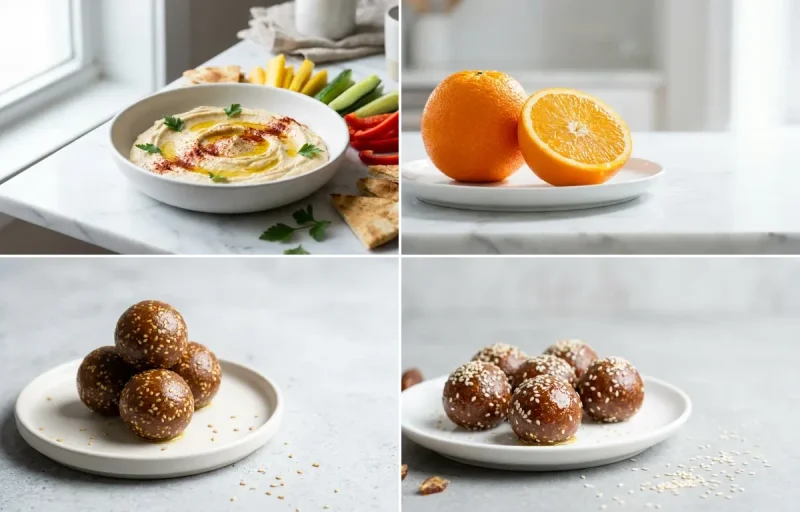
Hummus with Crudits and Pita with Fresh Orange Snack + supplement + iron
TAGGED
KEEP READING