The Indian Meals With the Highest Protein-Per-Calorie Ratio (Honest Per-Portion Math)
Indian dishes ranked by grams of protein per 100 kcal at realistic portion sizes, with ICMR-NIN and USDA numbers. The honest list for weight loss with…
By Sourabh Garg, Content Creator
May 31, 2026 · Reviewed May 2026 · Updated Aug 2026
If you are trying to lose body fat without losing muscle, the single most important number on your plate is not the calorie count of the dish — it is how many grams of protein come with each 100 kcal. The international literature on weight loss is consistent: at 1.2-1.6 g of protein per kg of body weight per day, you preserve lean mass through a calorie deficit; below 0.8 g/kg, you lose roughly a third of the weight as muscle [1][2][3]. For a 65 kg adult on a 1,400 kcal cut, that target is 80-100 g of protein. The arithmetic only works if every meal is built around dishes with a high protein-per-kcal ratio.
This is where most 'high-protein Indian food' lists go wrong. They quote the per-100g number for paneer (18g protein, 265 kcal) and call it a protein hero — but a typical restaurant paneer dish gives you 30-50g of paneer, which is 6-9g of protein, swimming in 400 kcal of gravy [4][5]. Tandoori chicken, by contrast, delivers 27g of protein in a 175 kcal leg. Egg whites give 11g of protein in 50 kcal. Cooked moong dal gives 7g of protein in 105 kcal. This article ranks the Indian dishes that actually deliver the ratio, sized the way you actually eat them, and shows what to build around when you are aiming for 80-100 g of daily protein inside a deficit.
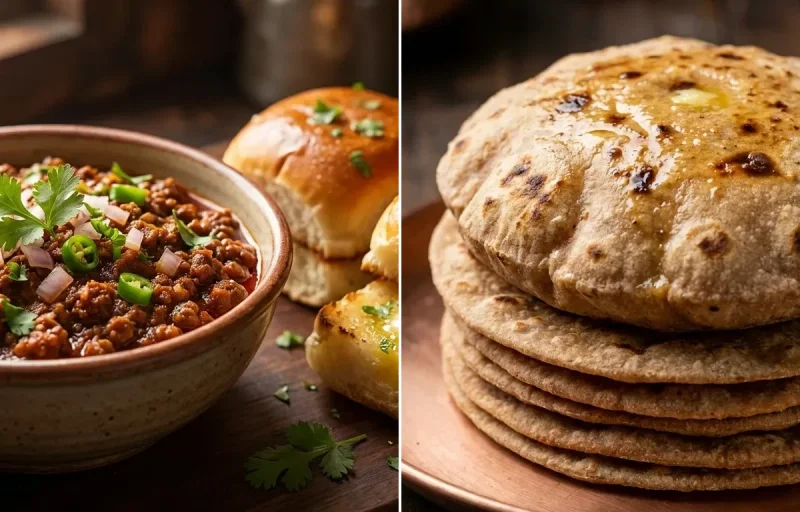
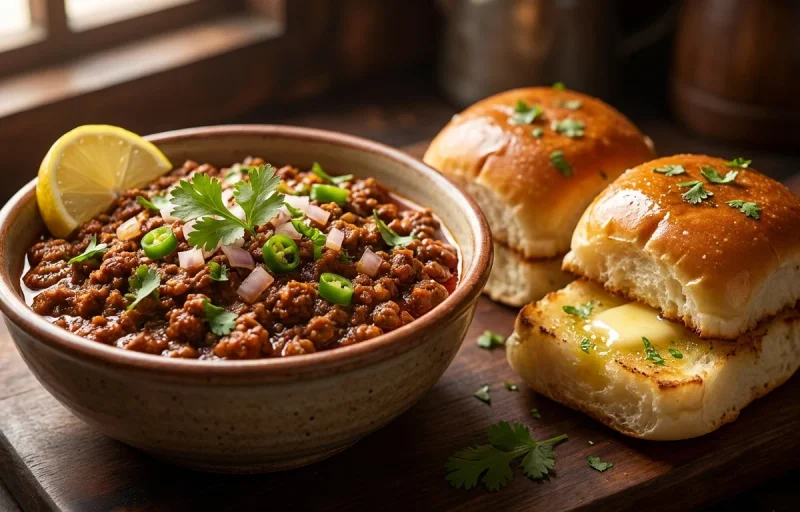
Soya keema is the highest-ratio plant protein in the Indian kitchen: 50 g of dry soya chunks rehydrated and minced gives ~25 g of protein, and the dish lands at ~280 kcal of chunk weight before any sauce. Paired with a single whole-wheat roti (one carb, not two), the meal delivers ~28 g of protein in ~360 kcal — comparable to a tandoori chicken meal, fully vegan, and one of the few honest answers for vegetarians trying to hit 1.2-1.6 g/kg of body weight on a deficit [1][2].
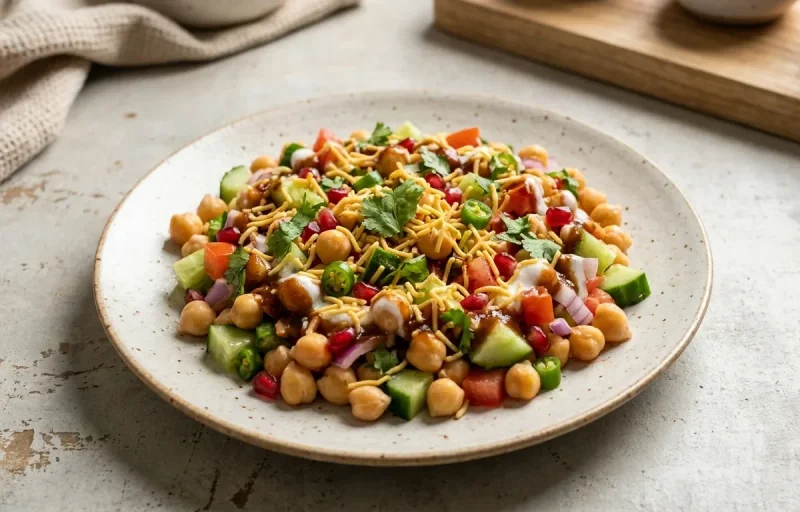
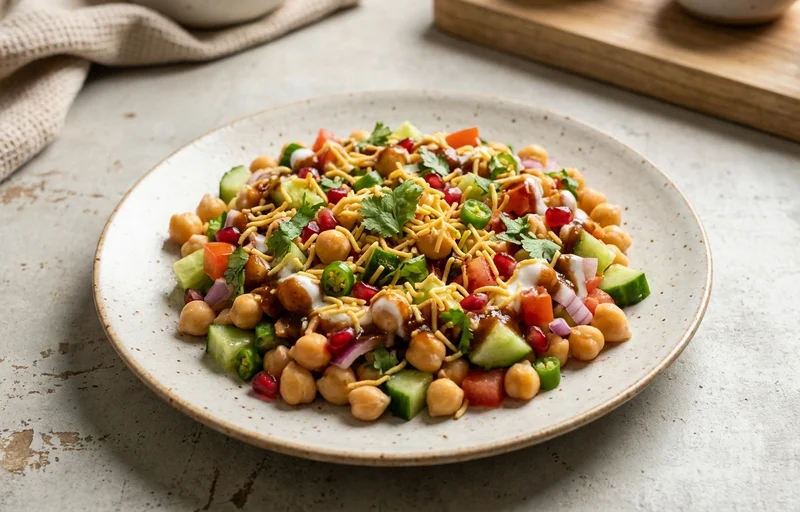
Sprouts and chana are one of the best protein-per-kcal pairings in Indian cooking: sprouting boosts both digestibility and the available protein from pulses. A cup of mixed moong + chana sprouts with cooked chickpeas, onion, tomato, lemon and chaat masala delivers ~17 g of protein in ~250 kcal — a 1:15 ratio that beats most paneer dishes and works as either a light lunch or a substantial 4 p.m. snack [4][6][7].
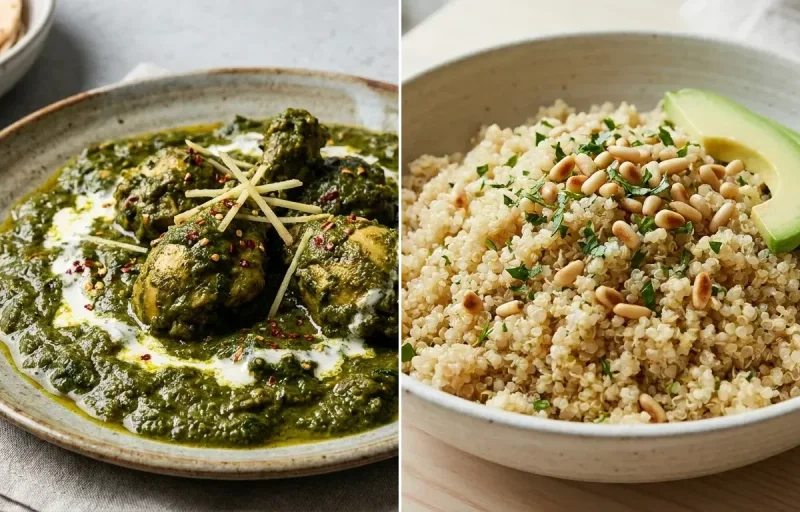
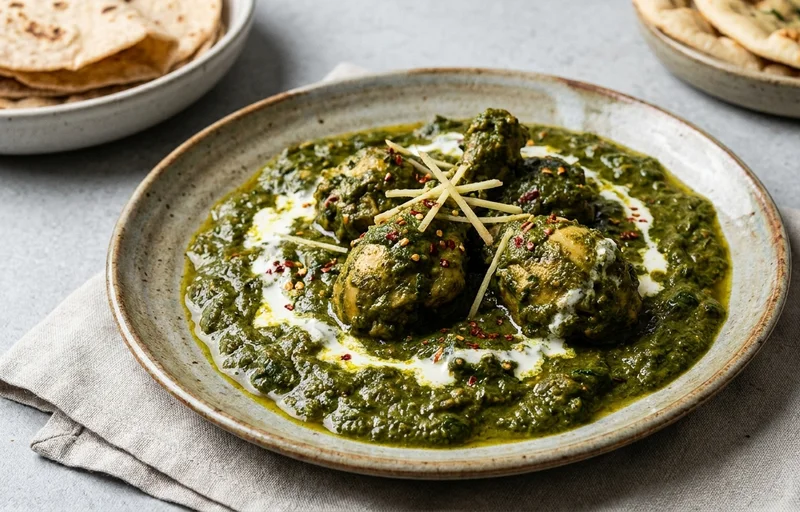
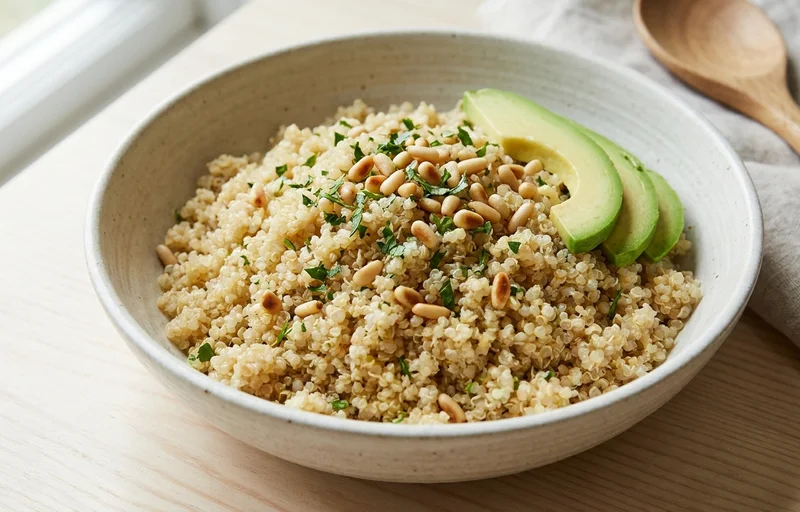
Palak chicken with quinoa is the cleaner version of a creamy chicken curry: the spinach base replaces cream, and the chicken (100 g) contributes ~25 g of protein at ~165 kcal of meat. Cooked quinoa (½ cup) adds another 4-5 g of protein and 110 kcal. Total ~31 g of protein in ~340 kcal — the highest protein density on this list, and the kind of meal that should anchor at least one dinner a week for anyone training [4][5].
✓Adults in a calorie deficit (1,400-1,800 kcal/day) who want to hit the 1.2-1.6 g/kg/day protein target for muscle preservation while losing fat [1][2][3].
✓Vegetarians and vegans on Indian diets who keep coming up 15-25 g short of their daily protein target and need to know which dishes actually move the number.
✓People who train (resistance training 2-4x/week) and need 1.4-2.0 g/kg/day to support recovery and lean mass — the upper end of the ICMR-NIN and ISSN ranges [2][3].
✓Anyone whose 'high-protein' diet currently leans heavily on paneer and is wondering why the scale is moving but the body composition is not — likely a portion-size trap covered here.
LIMIT OR AVOID IF
Skip this if
!You have chronic kidney disease (CKD stage 3-5) or are on a clinician-prescribed protein-restricted diet (0.6-0.8 g/kg/day). The 1.2-1.6 g/kg target in this article is for healthy adults — your nephrologist's number overrides it.
!You have severe liver disease with hepatic encephalopathy where protein is being titrated. Follow your hepatologist's framework, not a generic weight-loss ratio.
!You have a clinically diagnosed eating disorder or are in treatment for one. Macro-counting and per-kcal optimisation can interfere with recovery; work within your clinician's plan.
PRACTICAL TIPS
✓Anchor every main meal around a single high-ratio protein source — tandoori chicken (27g protein in 175 kcal), grilled fish (22g/130 kcal), egg whites (11g/50 kcal for 3 whites), or Greek-style hung curd (8g/100 kcal per katori) — and let everything else on the plate be the accompaniment, not the centre [4][5].
✓When you eat paneer, weigh the portion. A typical restaurant serving is 30-50g (6-9g protein, ~150 kcal in sauce). For paneer to actually pull weight as a protein dish, you need 80-100g of paneer (15-18g protein) — most home cooks under-portion the protein and over-portion the gravy.
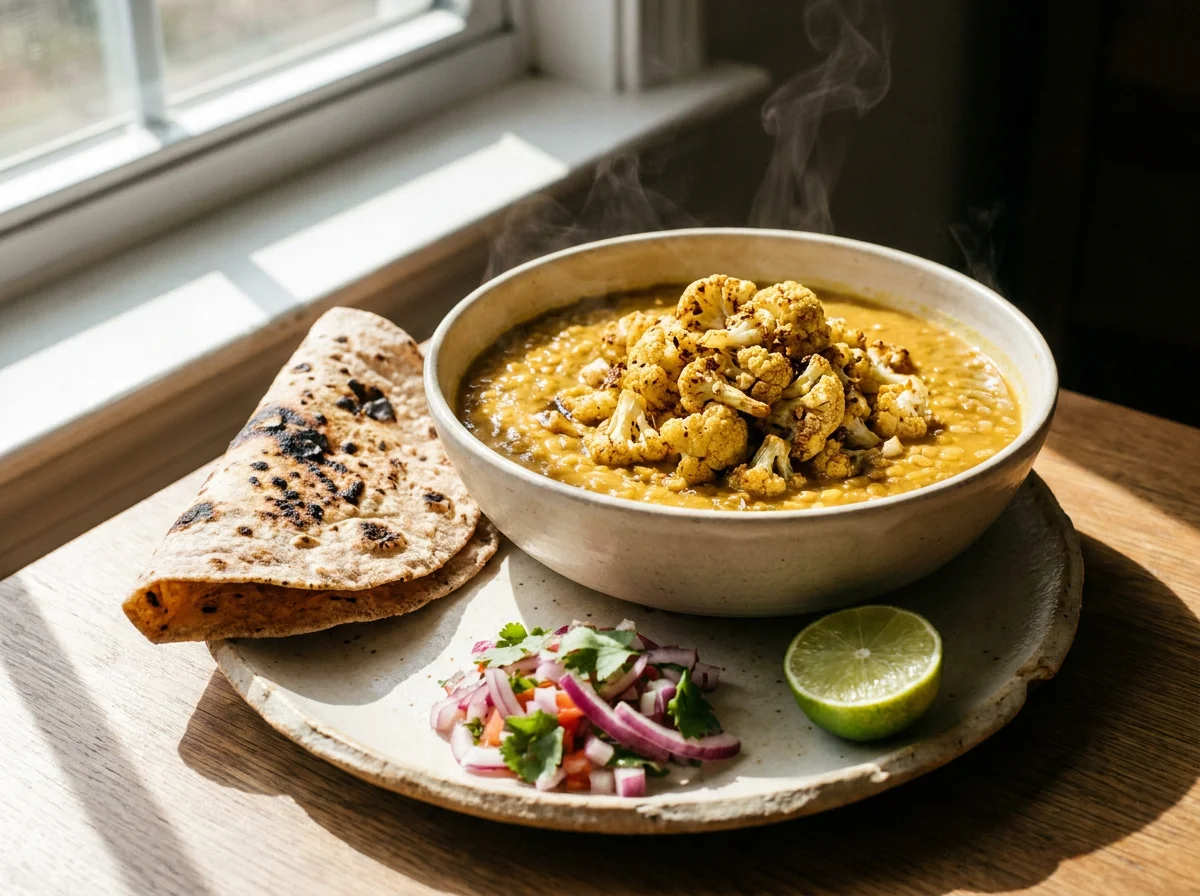
✓Double the dal. Most Indian households serve dal at 1/3 katori (~2.5g protein); a full katori is ~7g, and a generous serving with extra protein density (added moong sprouts, an egg dropped in, or 2 tbsp roasted chana powder) reaches 12-15g protein in roughly 150 kcal.
✓Rehydrate soya chunks — 50g dry soya chunks rehydrated weighs ~150g and gives 25g of protein in roughly 180 kcal of chunk weight (sauce adds more). It is the highest-ratio plant protein available in an Indian kitchen.
✓Use Greek-style hung curd over regular dahi at lunch and dinner. Hanging dahi in muslin for 2-3 hours drains the whey and roughly doubles the protein density per katori: ~8g protein per 150g hung curd versus ~4g in regular dahi.
✓Build snacks around the ratio too — a roasted chana + sprouts katori (14g protein, 200 kcal), a boiled egg with chaat masala (6g protein, 75 kcal), or a paneer tikka skewer (10g protein, 140 kcal) — and you can close the daily 80-100g protein target without forcing a fourth heavy meal.
The pattern that comes out of the numbers is uncomplicated. Lean animal protein — tandoori chicken, grilled fish, egg whites and Greek-style hung curd — gives you the best protein-per-kcal return on any plate, by a wide margin. Among plant-based options, the winners are pulses cooked with restraint (moong dal, sprouts, chana) and rehydrated soya chunks, not paneer or tofu sitting in cream and oil. Paneer is a useful ingredient but a portion-size trap: when you eat the 30-50g restaurant cube, you are getting 6-9g of protein, not the 18g the per-100g number suggests.
If you take one number away from this article, let it be 1.2-1.6 g of protein per kg of body weight per day on a deficit [1][2][3]. Work backwards from that. For most Indian adults on 1,400-1,600 kcal that means three meals, each delivering 25-30g of protein from one of the high-ratio dishes ranked below — a tandoori main, a katori of dal-with-sprouts, an egg-white scramble — rather than a single paneer dish doing all the work. The dishes you already know are mostly here. You just need to read the protein column, not the calorie column.
FREQUENTLY ASKED QUESTIONS
Frequently asked questions
How much protein do I actually need on a weight-loss diet?
For healthy adults in a calorie deficit, the controlled trials and recent meta-analyses converge on 1.2-1.6 g of protein per kg of body weight per day for muscle preservation, and the upper end (1.4-2.0 g/kg) if you are also resistance-training [1][2][3]. For a 60 kg adult that is 72-96 g/day; for an 80 kg adult, 96-128 g/day. ICMR-NIN's general adult RDA of 0.83 g/kg is a maintenance floor for non-deficit, non-training conditions — it is not the target for someone trying to lose fat while preserving lean mass.
Is paneer actually high-protein, or is that a myth?
Paneer is high-protein per 100 g (~18 g) but a typical Indian portion is 30-50 g, which is 6-9 g of protein in 350-400 kcal of dish. That ratio is not high-protein. To use paneer as a real protein source, weigh 80-100 g per serving and cook it dry-heat as paneer tikka or bhurji, where the ratio reaches 1 g protein per 18-22 kcal — closer to the league of egg whites and lean chicken. The trap is using the per-100 g number to justify a small portion in a heavy gravy.
What is the highest protein-per-kcal vegetarian Indian dish?
By the per-portion numbers: (1) egg whites if you eat eggs — 3 whites at 11 g protein and 50 kcal is unbeatable; (2) rehydrated soya chunks — 50 g dry soya gives 25 g protein in ~180 kcal of chunk weight; (3) Greek-style hung curd — 8 g protein per katori at 100 kcal; (4) a generous katori of moong dal with sprouts — 12-15 g protein at ~180 kcal; (5) sprouts chaat — 14 g at 200 kcal. Paneer, tofu and beans are middle-of-the-pack once you account for realistic portions and the oil they are usually cooked in.
Are Indian vegetarian proteins 'incomplete'? Do I need to combine them?
Individual plant proteins each have a less-than-ideal amino-acid profile, but you do not need to combine them within a single meal — the body draws from a daily amino-acid pool. Eating dal + roti, dal + rice, chana + jeera rice, idli + sambar, or rajma + rice across the day delivers a complete amino-acid profile [6][7]. Hit the protein quantity target (1.2-1.6 g/kg/day) and include 2-3 different plant proteins across the day — pulses, dairy or soya, and grains.
Is grilled chicken really that much better than chicken curry?
For the same 100 g of chicken the protein is essentially identical (~25-27 g). The difference is on the kcal side. Tandoori chicken is dry-roasted in a clay oven and most of the marinade fat drips off — a leg portion is 175-200 kcal. The same 100 g of chicken in butter chicken or tikka masala is 400-600 kcal because of cream, butter, oil and cashew paste. For weight loss with muscle preservation, choose dry-heat cooking and treat the gravy version as occasional.
I am on a 1,400 kcal cut. Show me how to hit 90 g of protein.
A worked example for a 65 kg adult: Breakfast — 3-egg-white omelette with one whole egg, 2 tbsp paneer (21 g protein, 220 kcal). Mid-morning — 1 katori Greek-style hung curd with chia (8 g, 130 kcal). Lunch — generous moong dal with sprouts, 1 katori sabzi, 1 roti, kachumber (20 g, 380 kcal). Snack — sprouts chaat, 1 cup (14 g, 200 kcal). Dinner — tandoori chicken leg, 1 roti, large kachumber (30 g, 350 kcal). Total: ~93 g protein in ~1,280 kcal. Vegetarian version: swap tandoori for 50 g dry soya chunks rehydrated as keema (25 g protein) and the math holds.
Do I really need to count protein, or can I just 'eat clean'?
If you are not in a deficit and not training hard, no — the ICMR-NIN floor of 0.83 g/kg/day is easy to clear with a normal Indian diet. If you are actively cutting calories or training hard, yes, count for the first few weeks. Most adults on Indian vegetarian diets significantly under-shoot the 1.2-1.6 g/kg target — typically by 15-25 g/day — and the gap is exactly what determines whether the weight that comes off is fat or muscle. Once you have built the habit of including a high-ratio protein at every meal, the counting becomes optional.
ABOUT THE AUTHOR
Sourabh Garg
CONTENT CREATOR
Sourabh writes about Indian cuisine, budget cooking, and the everyday nutrition questions that come up in Indian kitchens — chapati portions, dal protein, how to keep dishes balanced without losing the flavours families actually want. His pieces lean on credible sources (ICMR-NIN, peer-reviewed studies) and home-cook reality in equal measure.
Built using verified nutrition databases, culinary research, and traditional cooking knowledge — every claim is cross-referenced against the sources listed in the article. Last reviewed May 2026.
Articles are curated using trusted food databases (USDA FoodData Central, IFCT), culinary literature, and dietary guidelines, then structured by our editorial team for clarity, accuracy, and usefulness.
· Verified data sources· Culinary research· Quality reviewed
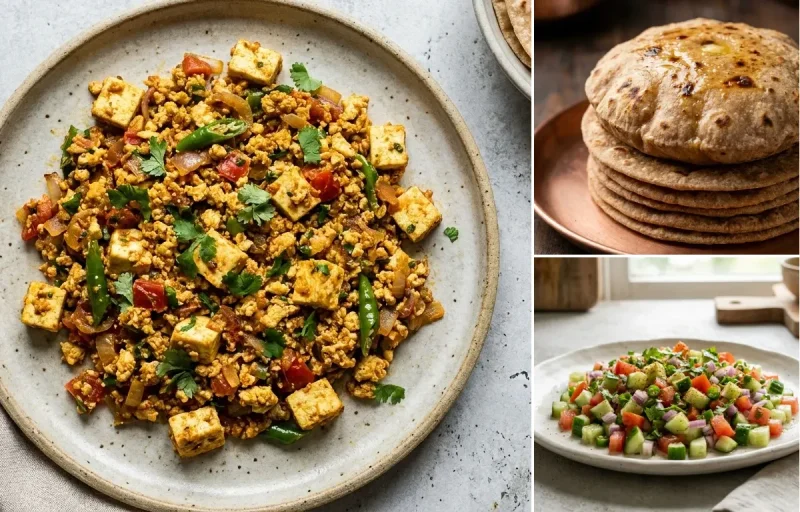
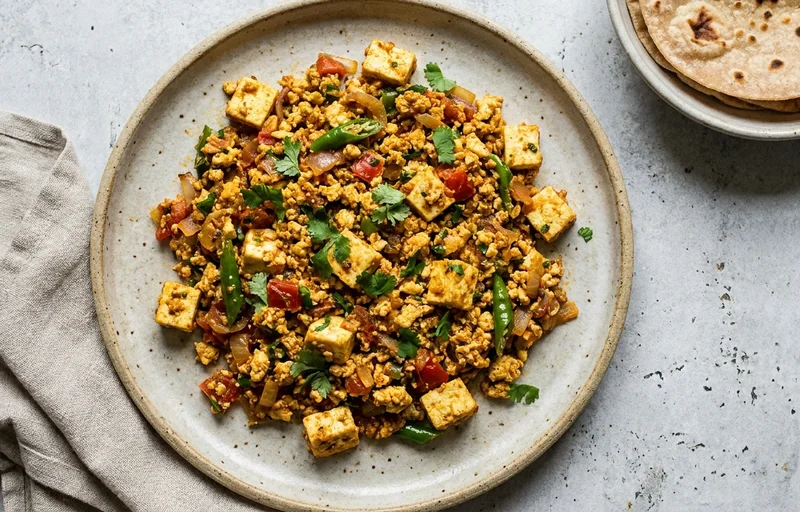
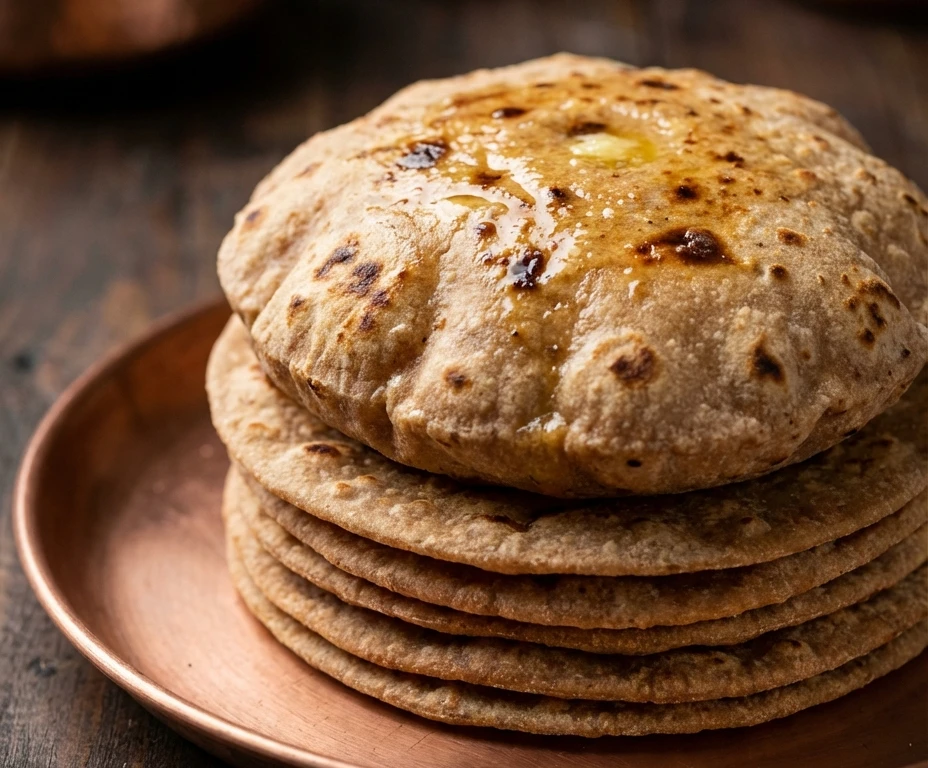
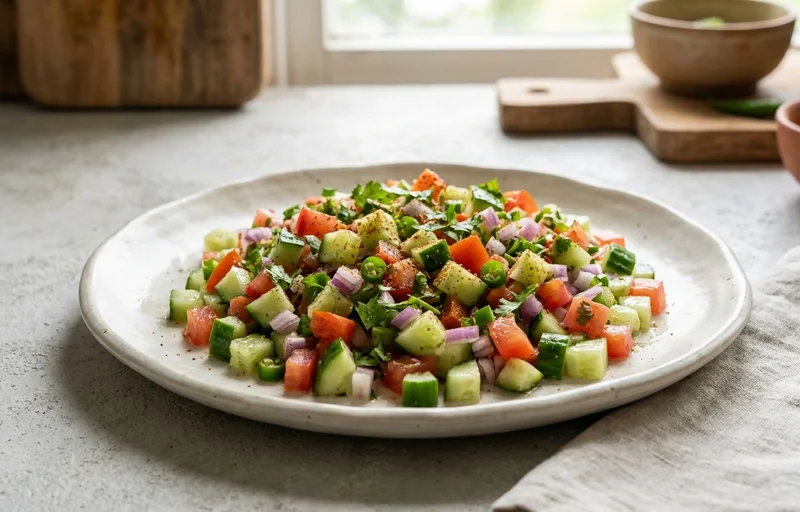
Paneer bhurji done honestly: 80-100 g of paneer scrambled dry-heat with low oil delivers ~15 g of protein at ~230 kcal — about 1 g of protein per 15 kcal, in the league of grilled chicken. The single roti adds 3 g and 80 kcal; the kachumber adds fibre and volume for almost no calories. The whole meal lands around 25 g of protein in ~380 kcal, a clean fit for a weight-loss dinner that still tastes like dinner [4].
✓High in fiber from whole wheat and fresh vegetables
✓Balanced macronutrients for sustained energy
2
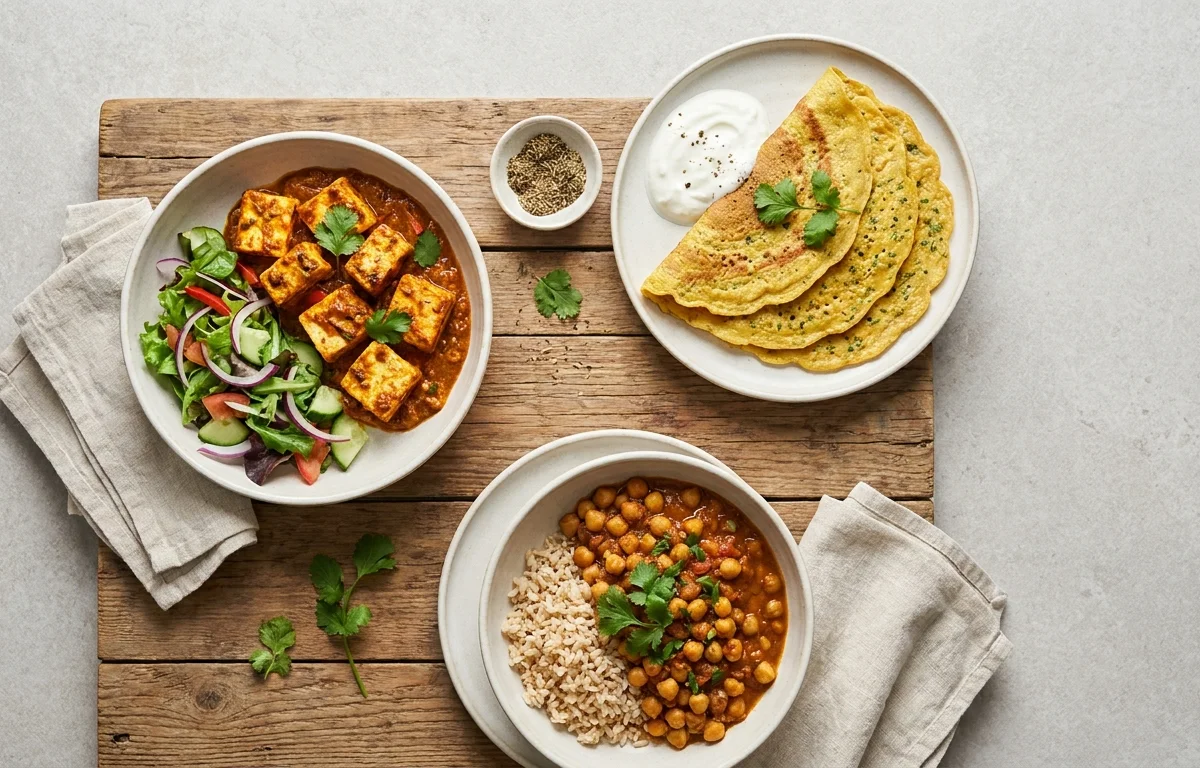
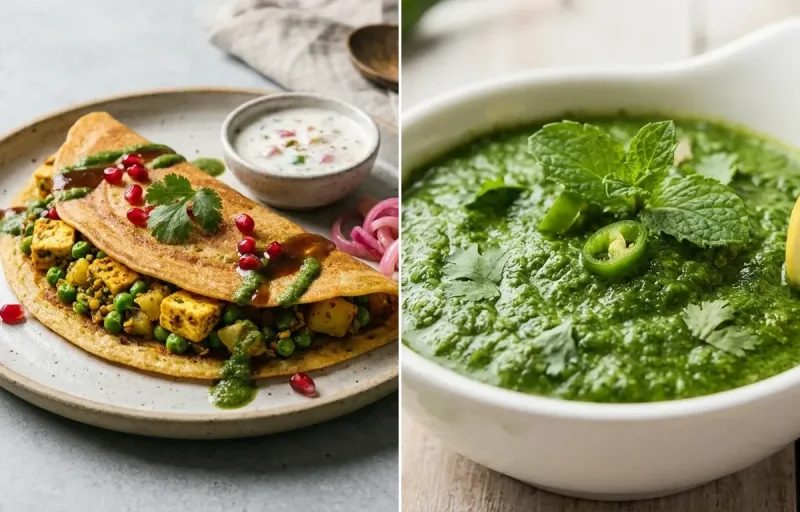
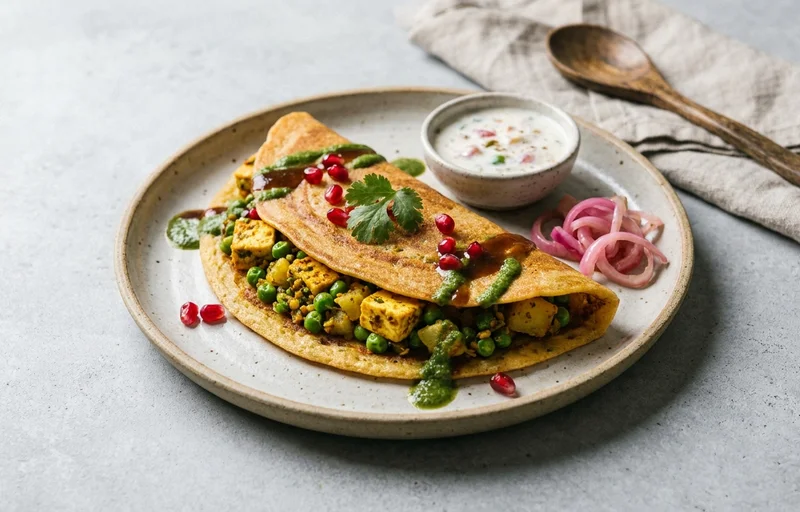
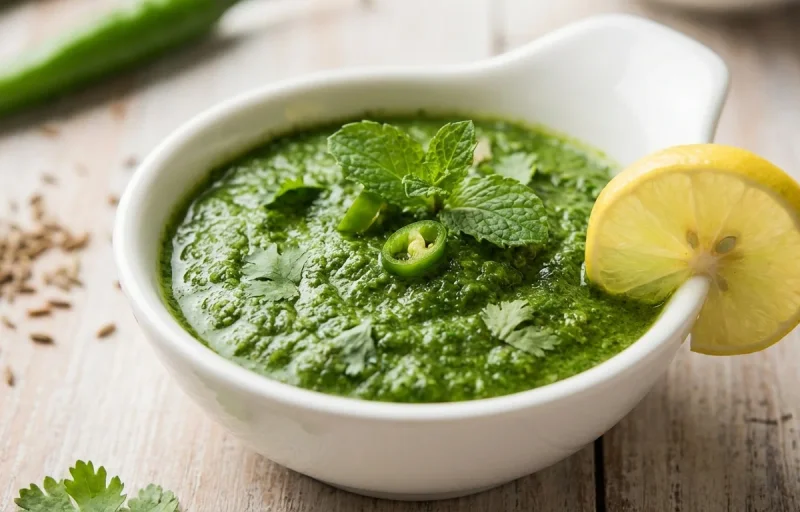
Moong dal cheela is one of the highest-ratio Indian breakfasts: the crepe itself is ground soaked yellow moong (no flour), giving ~12 g of protein at ~180 kcal for two medium cheelas. The paneer stuffing adds another 6-8 g of protein and the mint-coriander chutney is essentially calorie-free. Total around 18-20 g of protein in 250-280 kcal — better than most Western 'high-protein' breakfasts and gluten-free [4][6].
To enhance the flavor of the cheela without extra salt, finely chop fresh ginger and green chilies into the batter, and finish with a squeeze of fresh lemon juice after cooking.
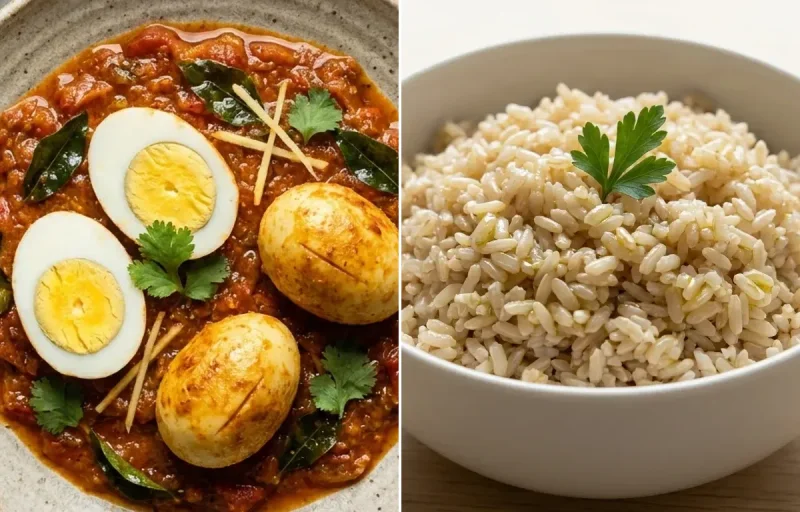
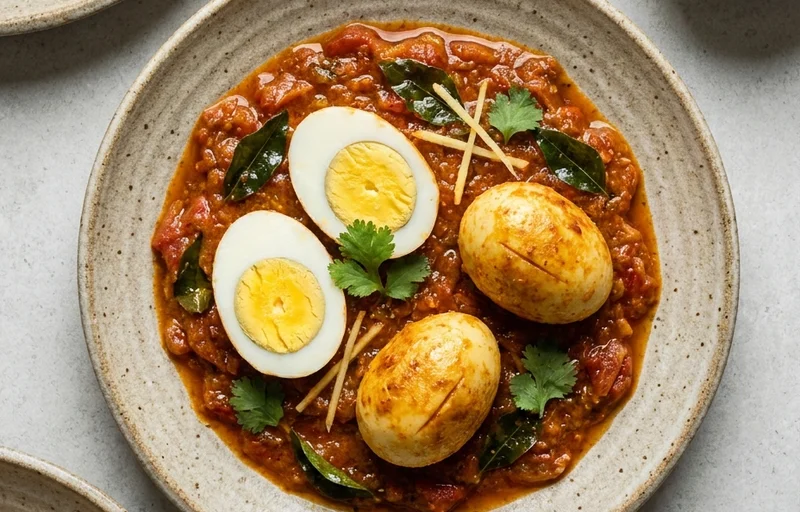
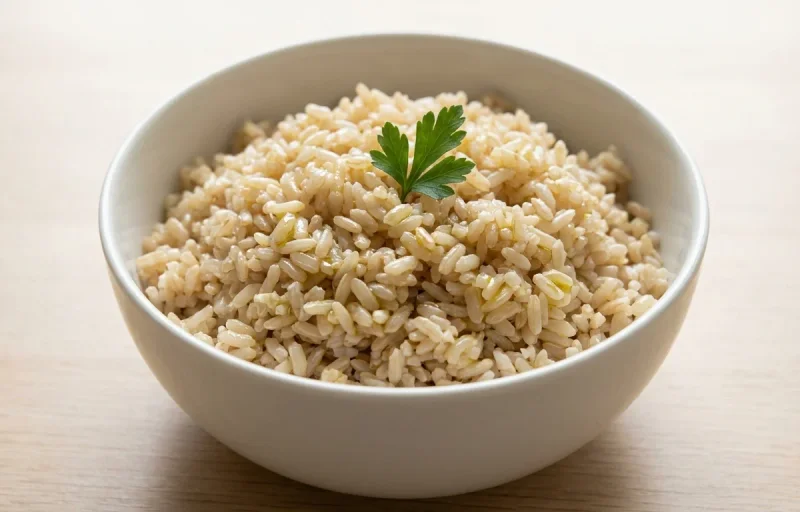
Simple egg curry built without cream or cashew paste delivers ~14 g of protein from two eggs at ~180 kcal of egg-and-gravy, and the ½ cup of cooked brown rice adds 2.5 g of protein and 110 kcal. The whole plate lands around 17-18 g of protein in ~310 kcal — proof that you can eat a curry, eat the rice, and still be under 350 kcal with a reasonable protein hit. Eggs are gold-standard for amino-acid completeness; the gravy here is restraint, not deprivation [5].
✓Complex carbohydrates from brown rice for lasting energy
✓Rich in vitamins like B12 and D
FLAVOR TIP
To enhance the flavor of the egg curry without adding extra fat, finish with a sprinkle of fresh chopped cilantro and a squeeze of lemon juice just before serving. This brightens the taste and adds a fresh aroma.
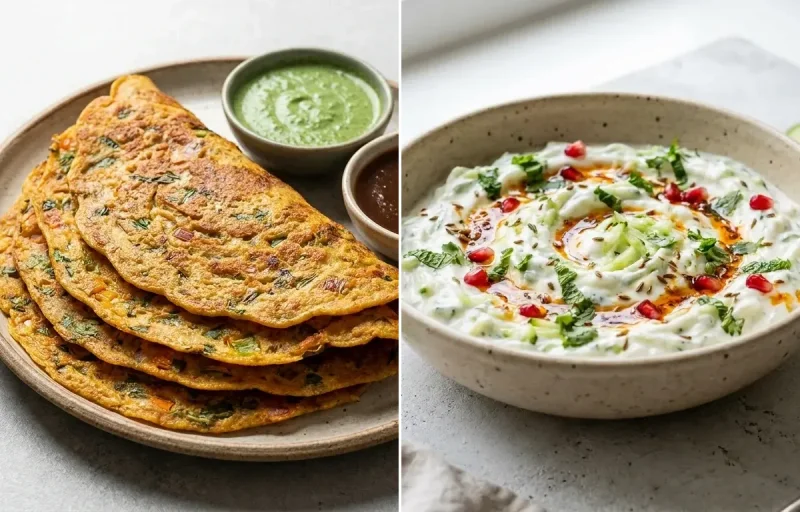
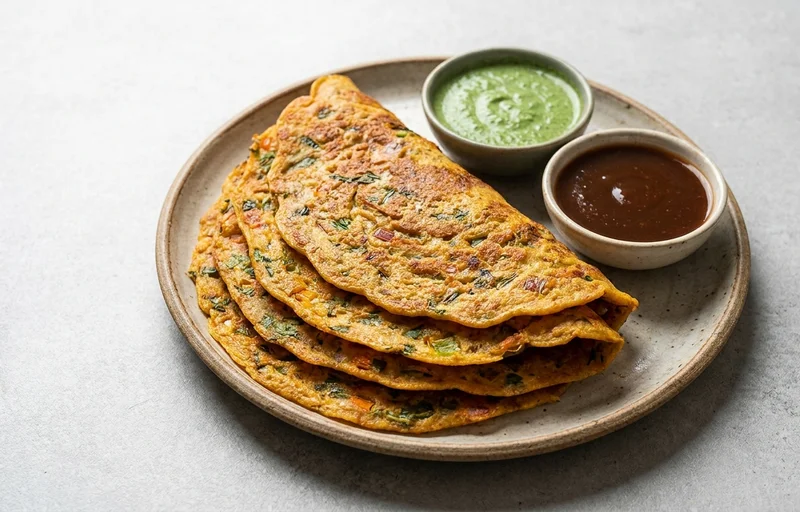
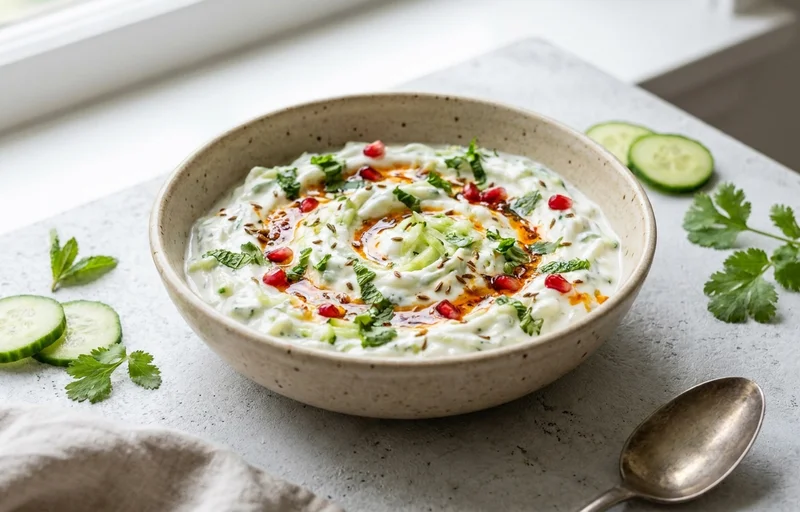
Besan cheela is a useful but middle-ratio plant breakfast on its own — 1 medium cheela is ~7 g of protein at ~160 kcal. What lifts this meal is the cucumber Greek yogurt raita: a 150 g katori of strained Greek-style yogurt adds 8-10 g of high-quality dairy protein at ~100 kcal. The pair lands at 16-18 g of protein in ~260 kcal, comfortable for breakfast and well above the ratio for most chana-and-poha-style Indian breakfasts [4][6].
✓Protein from both plant (besan) and dairy (yogurt) sources
✓Good source of fiber
✓Probiotics from the yogurt for gut health
!You are pregnant or breastfeeding. Calorie and protein needs are different (an additional 15-25 g/day in trimesters 2-3 per ICMR-NIN), and a deficit is not appropriate.
ⓘ This guidance is general. Talk to a healthcare professional or registered dietitian for personalised dietary advice.