If you only know the beige chickpea, you're missing out. Meet its darker, nuttier, and frankly more interesting cousin: the black chickpea, or kala chana. They're smaller, firmer, and pack an even bigger nutritional punch. Forget any worries about carbs; these are the definition of a 'slow carb', loaded with so much fiber and protein that they're one of the best foods you can eat for steady energy and gut health. They're not just a curry ingredient; they're a pantry superstar.
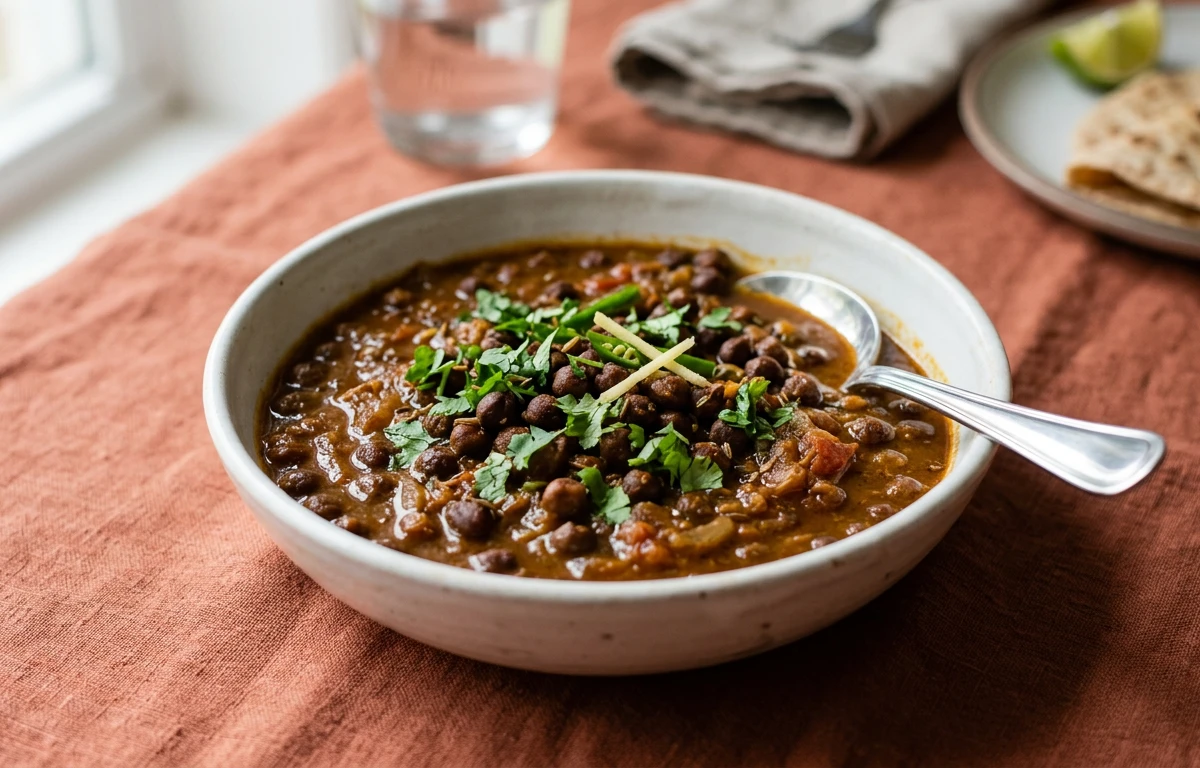
↑ Black chickpeas have a firmer texture and nuttier taste than their beige cousins.
The slow-carb superstar
Known as kala chana in India, where they're a staple, black chickpeas are a variety of the Desi chickpea. They're smaller, with a rougher coat, and a much firmer bite than the soft, creamy Kabuli chickpeas we use for hummus. The flavor is deeper and earthier, too.
But the real difference is inside. They are nutritional powerhouses, packing significantly more fiber and a bit more protein than their beige counterparts. This combination of protein and huge amounts of fiber makes them one of the most satisfying foods you can eat, keeping you full for hours and delivering carbohydrates so slowly that they barely register on your blood sugar.
IN ONE LINE
Packed with more fiber than almost any other legume, kala chana is a slow-carb hero that's brilliant for blood sugar, gut health, and keeping you full for hours.
Black chickpea nutrition facts
Here's the nutritional breakdown for 100 grams of dried black chickpeas. Remember, this is a dense starting point; 100g dried (about 1/2 cup) will swell to around 2.5 cups when cooked, so a typical serving is much smaller.
The numbers that jump out are the fiber and protein. At 17.4 grams, the fiber content is massive — that's over half of your daily recommended intake in just 100g of the dried beans. The 20.5 grams of protein is on par with some meats, making it an incredible plant-based source. This combination is what gives black chickpeas their powerful effect on fullness and blood sugar stability.
Black Chickpea Glycemic Index
While black chickpeas don't have an officially published Glycemic Index value, we can say with confidence that it is very low. Why? The GI of regular canned chickpeas is already low, around 28. Black chickpeas contain even more fiber, which is the single biggest factor in slowing down digestion and the release of sugar into the bloodstream. This makes them an outstanding choice for anyone managing blood sugar.
GLYCEMIC INDEX · BLACK CHICKPEAS vs COMMON FOODS
Black chickpeas sit in the very low-GI band
Cherries
whole fruit
LOW
Black Chickpeas
estimated
LOW
Apple
whole fruit
LOW
White bread
refined
HIGH
Cornflakes
refined
HIGH
SCALE 0–90
04590
How to cook & eat them
Unlike canned chickpeas, dried black chickpeas need a bit of prep. But it's worth it for the superior texture and flavor.
01
Soak them overnight.
Cover the dried chickpeas with plenty of water and let them soak for at least 8 hours or overnight. This softens them and makes them easier to digest.
02
Cook until tender.
Drain the soaked chickpeas and cook them in fresh water. On the stovetop, this can take 1-2 hours. In a pressure cooker, it's much faster — about 15-20 minutes at high pressure.
03
Don't throw out the liquid.
The cooking water is flavorful and full of nutrients. Use it as a base for your curry or soup.
04
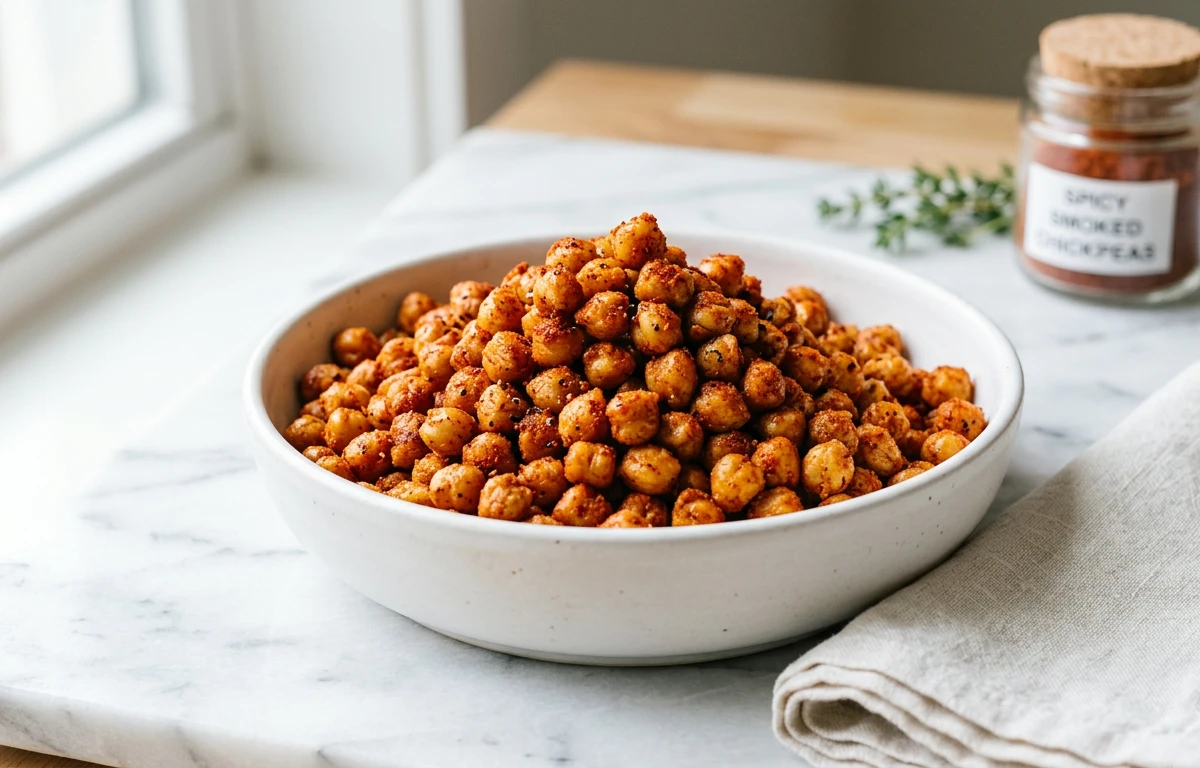
Roast them for a snack.
Toss cooked chickpeas with olive oil and spices, then roast at 400°F (200°C) until crispy. They make an amazing high-protein, high-fiber snack.
What black chickpeas are good for
01
Incredible for gut health
The massive 17.4g of fiber per 100g dried acts as a prebiotic, feeding beneficial gut bacteria and promoting a healthy microbiome.
17.4g
fiber
02
Excellent blood sugar control
The combination of very high fiber and protein with a low GI means carbs are released very slowly, preventing blood sugar spikes.
Low
glycemic index
03
A plant-protein powerhouse
With over 20g of protein per 100g dried, they are a fantastic source for building and repairing tissues, especially on a vegan or vegetarian diet.
20.5g
protein
04
Supports weight management
The potent fiber-protein combination makes black chickpeas incredibly filling, helping to reduce overall calorie intake by keeping you satisfied for longer.
High
satiety
What to pair them with
Their earthy flavor holds up well to strong spices and fresh ingredients. Pairing adds nutrients and balances the meal.
Eat freely — or be mindful?
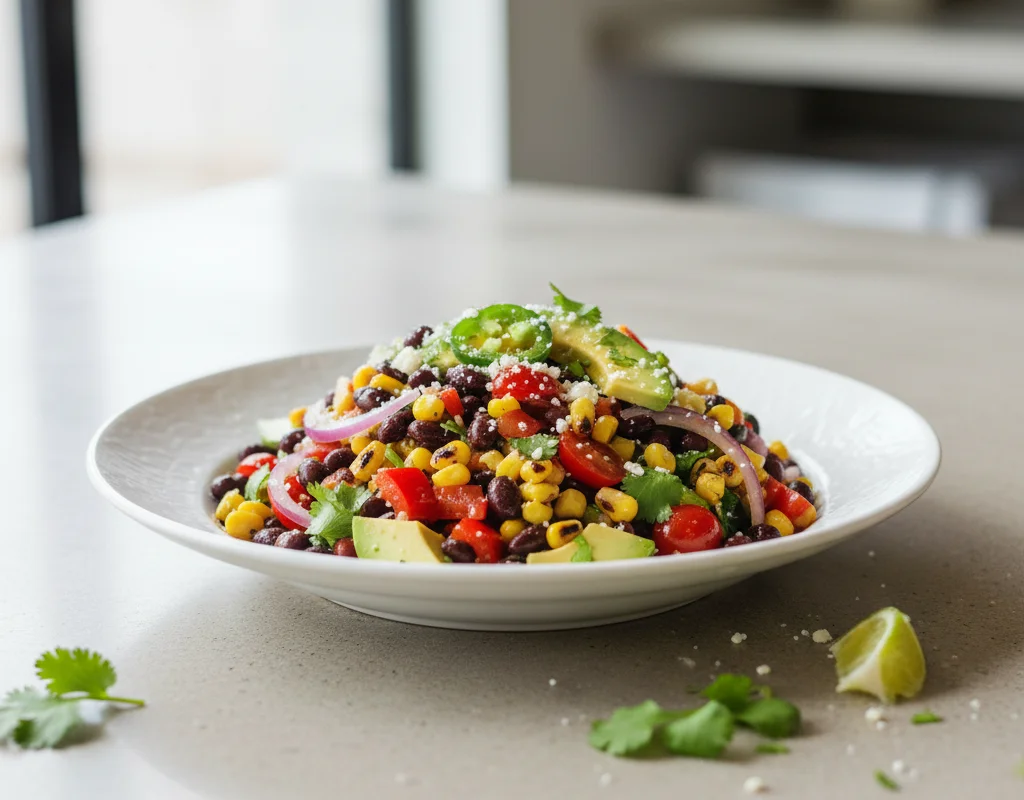
Three ways to eat them
Beyond a simple curry, black chickpeas are versatile. Here are three ideas to get you started.
Want more high-fiber foods in your week — without the guesswork?
Our meal planner builds balanced weeks using ingredients like black chickpeas, pairing them with other foods for complete nutrition. Get your macros calculated and a single grocery list.
Build my weekly plan →One more thing
Eating well is rarely about willpower. It’s about having a short list of dinners you actually want to eat. Pick two from this list. Make them next week. The rest will follow.
If you want these on autopilot, our weekly meal planner can drop the picks above into your calendar with one click and build a single grocery list from the merged ingredients.
FREQUENTLY ASKED QUESTIONS
Frequently asked questions
Are black chickpeas better than regular chickpeas?
They're nutritionally superior in a few key ways: black chickpeas have significantly more fiber and slightly more protein and iron. They also have a firmer texture and a nuttier, earthier flavor. Whether they're 'better' depends on your taste and what you're cooking!
Are black chickpeas good for people with diabetes?
Yes, they are an excellent food for managing diabetes. Their extremely high fiber content and low glycemic index mean they have a very gentle impact on blood sugar levels, promoting stability.
How much protein is in black chickpeas?
They are a fantastic source of plant-based protein, providing about 20.5 grams of protein per 100 grams of dried chickpeas. This is comparable to many types of meat and makes them a great choice for vegetarians and vegans.
Do you need to soak black chickpeas before cooking?
Yes, it is highly recommended. Soaking them for at least 8 hours (or overnight) helps to soften them, reduce cooking time, and make them easier to digest. Always discard the soaking water and cook them in fresh water.

ABOUT THE AUTHOR
Shreya Chatterjee
NUTRITION WRITER
Shreya is a nutrition writer and the voice behind The Nutrition Pen, where she turns evidence-based nutrition into simple, repeatable eating habits. Her writing focuses on practical food guidance — what to actually put on the plate — for readers who want to eat well without the noise.
Meet the editorial team →METHODOLOGY
How this article was created
Built using verified nutrition databases, culinary research, and traditional cooking knowledge — every claim is cross-referenced against the sources listed in the article.
· USDA data· Culinary research· Quality reviewed
Read our methodology →TRANSPARENCY
About this content
Articles are curated using trusted food databases (USDA FoodData Central, IFCT), culinary literature, and dietary guidelines, then structured by our editorial team for clarity, accuracy, and usefulness.
· Verified data sources· Culinary research· Quality reviewed
Read our editorial policy →RELATED RECIPES
Cook from this article
EXPLORE OUR MEALS
Meals that fit this article

AMERICAN · 1677 CAL
Almonds with Sliced Apple + supplement + iron

MEDITERRANEAN · 809 CAL
Greek Yogurt with Berries Almonds and Granola + supplement + iron

GENERAL_HEALTHY · 705 CAL
Banana with Peanut Butter Pregnancy + supplement + iron

MODERN · 982 CAL
Hummus with Crudits and Pita with Fresh Orange Snack + supplement + iron
TAGGED
KEEP READING