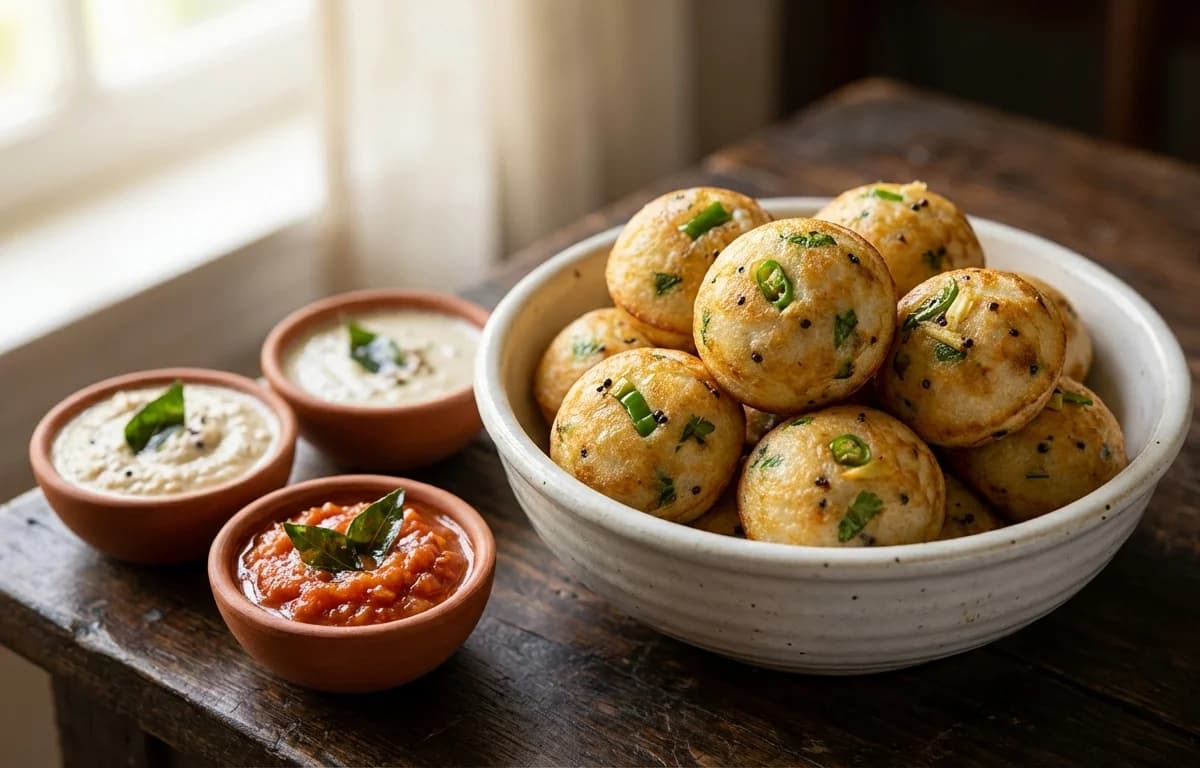
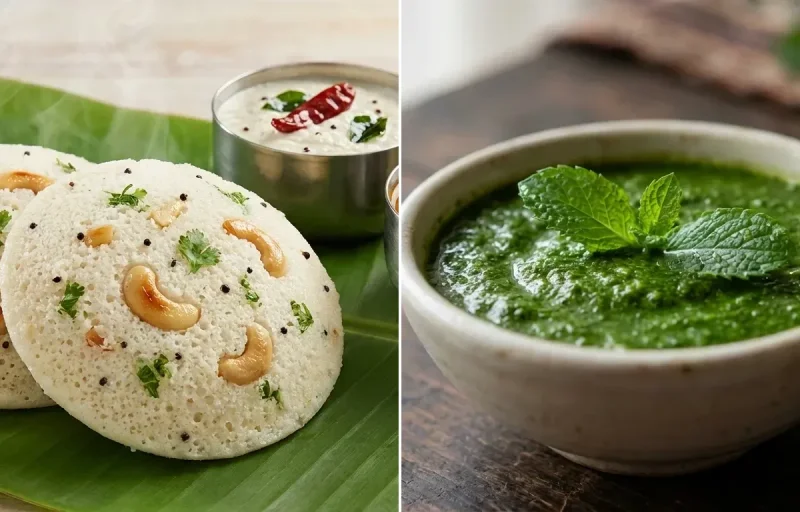
Crispy on the outside, soft and spongy on the inside, these savory South Indian dumplings are a delight. Made from fermented rice and lentil batter and cooked in a special pan, they are perfect for breakfast or a snack.
Prep15 min
Cook20 min
Ferment480 min
Servings4
Serving size: 1 serving
382cal
8gprotein
58gcarbs
Ingredients
3 cup Idli Batter (Slightly sour, day-old batter works best)
2 tbsp Sesame Oil (Also known as gingelly oil, for tempering)
1 tsp Mustard Seeds
1 tsp Urad Dal (Split and skinned black gram)
1 tsp Chana Dal (Split chickpeas)
1 medium Onion (Finely chopped)
2 piece Green Chili (Finely chopped, adjust to taste)
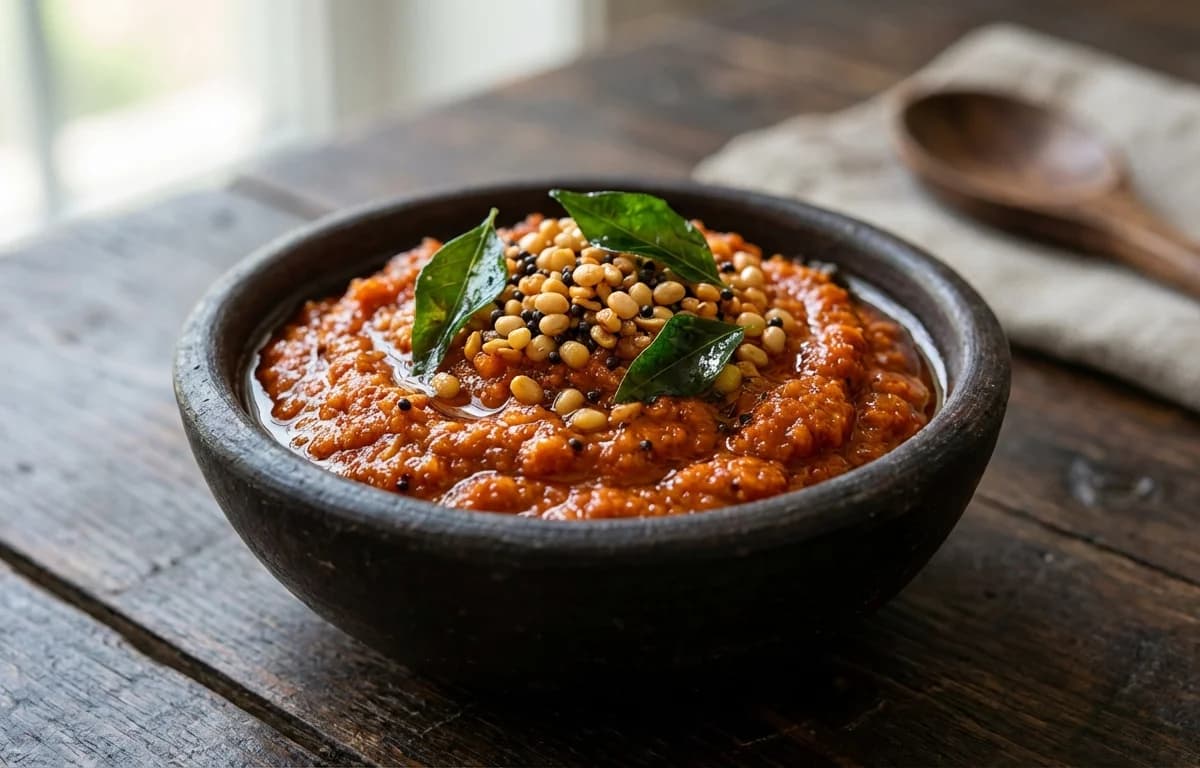
A fiery and tangy South Indian chutney made with roasted onions, tomatoes, and red chilies. This vibrant red chutney is the perfect zesty accompaniment for soft idlis, crispy dosas, and uttapams.
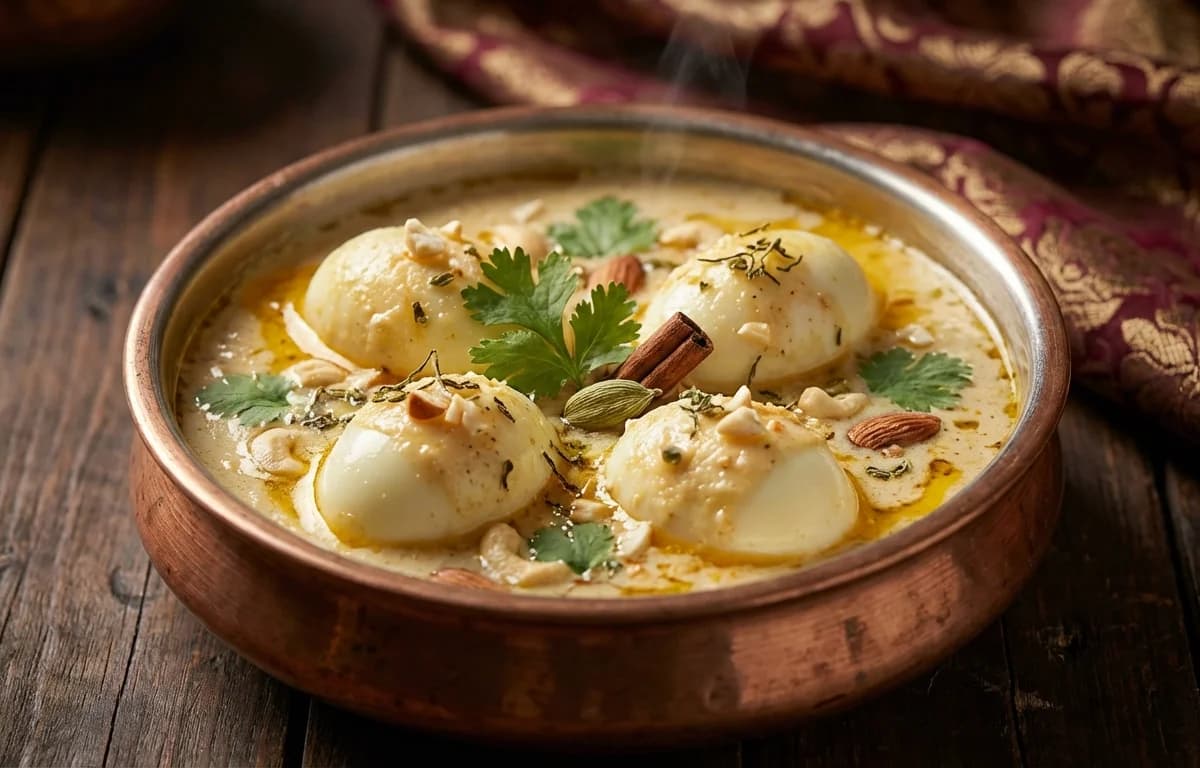
Hard-boiled eggs simmered in a luxurious, creamy gravy made from cashews, yogurt, and aromatic spices. This Mughlai classic is rich, mildly spiced, and perfect with naan or pulao for a special meal.
Prep20 min
Cook30 min
Soak15 min
Servings4
About Kuzhi Paniyaram, Kara Chutney and Egg Korma
Crispy Kuzhi Paniyaram with creamy, protein-rich Egg Korma & tangy Kara Chutney. Comfort food at its best!
This south_indian dish is perfect for lunch. With 895.3299999999999 calories and 27.81g of protein per serving, it's a nutritious choice for your meal plan.
Other Cuisines to Explore
Discover authentic meals from cuisines around the world.
0.5 tsp Salt (Or to taste, as batter may already contain salt)
3 tbsp Oil (For cooking in the paniyaram pan)
Instructions
1
Prepare the Tempering (Tadka)
Heat 2 tbsp of sesame oil in a small pan over medium heat.
Once the oil is hot, add the mustard seeds and let them splutter completely.
Add the urad dal and chana dal. Sauté for 30-45 seconds until they turn a light golden brown.
Stir in the hing (asafoetida) and immediately proceed to the next step.
2
Sauté Aromatics
To the same pan, add the finely chopped onion, green chilies, grated ginger, and curry leaves.
Sauté for 2-3 minutes until the onions soften and become translucent.
Remove the pan from the heat and allow this mixture to cool slightly for a few minutes.
3
Combine Batter
In a large mixing bowl, take the idli batter.
Add the cooled tempering and onion mixture to the batter.
Stir in the chopped coriander leaves and salt. Mix gently until just combined. The batter should be thick but pourable. If too thick, add a tablespoon of water.
4
Cook the First Side
Heat the kuzhi paniyaram pan (aebleskiver pan) over medium heat.
Add about 1/4 teaspoon of oil into each cavity.
Once the pan is hot, pour the batter into each mould, filling it up to 3/4 full.
Cover the pan and cook on low-medium heat for 2-3 minutes, until the top appears set and the edges are golden.
5
Flip and Cook the Second Side
Uncover the pan. Using a wooden skewer or a paniyaram turning stick, gently flip each paniyaram.
Drizzle a few more drops of oil around the edges if needed.
Cook uncovered for another 2-3 minutes until the second side is golden brown and a skewer inserted into the center comes out clean.
6
Serve Hot
Remove the cooked paniyarams from the pan.
Repeat the process with the remaining batter, adding oil to the cavities as needed for each batch.
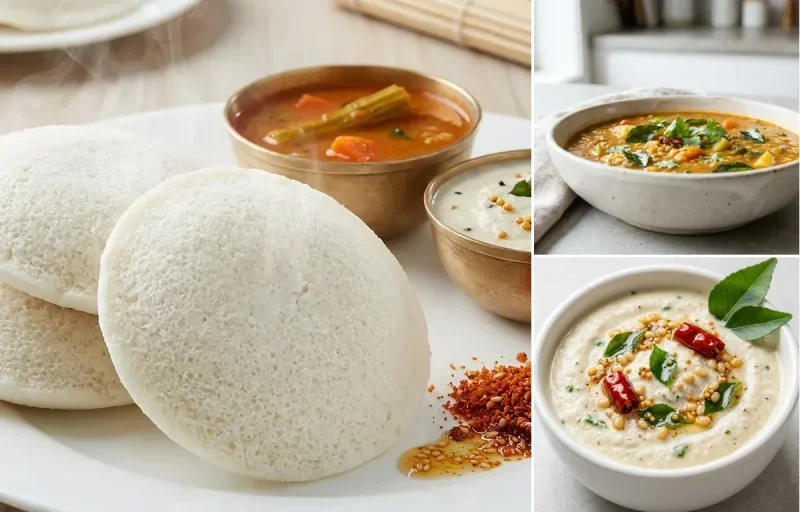
Serve hot with coconut chutney, tomato chutney, or sambar.
172cal
3gprotein
15gcarbs
12gfat
Ingredients
3 tbsp Gingelly Oil (Divided use: 2 tbsp for sautéing, 1 tbsp for tempering)
1 tbsp Chana Dal
2 tsp Urad Dal (Divided use: 1 tsp for sautéing, 1 tsp for tempering)
6 pcs Dry Red Chilies (Use Guntur or Byadgi chilies. Adjust quantity for spice level.)
4 pcs Garlic Cloves (Peeled and roughly chopped)
2 pcs Onion (Medium-sized, roughly chopped)
2 pcs Tomato (Medium-sized, ripe, and roughly chopped)
1 tsp Tamarind Paste (Use seedless tamarind paste for convenience)
0.75 tsp Salt (Adjust to taste)
0.25 cup Water (For grinding, use as needed)
0.5 tsp Mustard Seeds (For tempering)
1 sprig Curry Leaves (About 10-12 leaves, for tempering)
0.25 tsp Asafoetida (Also known as Hing, for tempering)
Instructions
1
Sauté the Chutney Base
Heat 2 tbsp of gingelly oil in a pan over medium heat.
Add 1 tbsp chana dal and 1 tsp urad dal. Sauté for 1-2 minutes until they turn light golden and aromatic.
Add the dry red chilies and garlic cloves. Sauté for another 30-40 seconds until the chilies puff up slightly.
Add the chopped onions and a pinch of salt. Cook for 4-5 minutes, stirring occasionally, until the onions become soft and translucent.
Add the chopped tomatoes, tamarind paste, and the remaining salt. Mix well and cook for 5-7 minutes until the tomatoes turn soft and mushy, and oil begins to separate from the mixture.
2
Cool and Grind
Turn off the heat and transfer the sautéed mixture to a plate. Allow it to cool down completely to room temperature. This is crucial for a smooth texture and safe blending.
Once cooled, transfer the mixture to a high-speed blender or grinder jar.
Add up to 1/4 cup of water and grind to a smooth, thick paste. Scrape down the sides as needed. Avoid adding too much water to maintain a thick consistency.
0.5 tsp Kewra Water (optional, for authentic aroma)
1.25 tsp Salt (or to taste)
1.5 cup Water (plus more for soaking nuts)
2 tbsp Coriander Leaves (freshly chopped, for garnish)
Instructions
1
Preparation
Hard-boil the eggs for 10-12 minutes. Transfer to an ice bath, then peel them carefully. Prick each egg a few times with a fork or toothpick and set aside. This helps them absorb the gravy.
Soak the cashews and almonds in 1/2 cup of hot water for 15-20 minutes. If using almonds with skin, blanch and peel them before soaking.
Whisk the curd in a bowl until it is completely smooth and free of lumps. Set aside.
2
Make the Birista and Korma Paste
Heat 2 tablespoons of ghee in a heavy-bottomed pan or kadai over medium heat. Add the thinly sliced onions.
Fry the onions, stirring frequently, for 12-15 minutes until they are uniformly deep golden brown and crisp (this is called 'birista'). Do not burn them. Remove the fried onions with a slotted spoon and spread them on a plate to cool.
In a blender jar, add the cooled fried onions, the soaked cashews and almonds (along with their soaking water), and grind to a very smooth, fine paste. Add a splash of extra water if needed to facilitate grinding.
3
Cook the Gravy Base
In the same pan, heat the remaining 1 tablespoon of ghee. Add the whole spices: bay leaf, cinnamon stick, green cardamoms, and cloves. Sauté for 30-40 seconds until they become fragrant.
Heat the remaining 1 tbsp of gingelly oil in a small tadka pan over medium heat.
Once the oil is hot, add the mustard seeds and let them splutter completely.
Add the remaining 1 tsp of urad dal and fry for about 30 seconds until it turns golden brown.
Add the curry leaves and asafoetida. Be careful as the leaves will crackle. Sauté for a few seconds and immediately turn off the heat.
4
Combine and Serve
Pour the hot tempering over the ground chutney in a serving bowl.
Mix well to incorporate the flavors of the tempering throughout the chutney.
Serve the delicious Kara Chutney immediately with hot idlis, dosas, uttapam, or paniyaram.
Add the ginger-garlic paste and cook for about a minute until the raw aroma disappears.
Add the prepared onion-nut paste to the pan. Cook on low-medium heat, stirring continuously, for 5-7 minutes until the paste thickens and you see ghee separating from the sides.
Add the spice powders: turmeric, Kashmiri red chili, and coriander powder. Sauté for another minute until well combined and fragrant.
4
Build the Korma Gravy
Reduce the heat to the absolute lowest setting. Slowly add the whisked curd, a little at a time, while stirring constantly. This is crucial to prevent the curd from splitting.
Once the curd is fully incorporated, increase the heat to low-medium and cook for 3-4 minutes until the oil starts to surface again.
Pour in 1.5 cups of warm water and add salt. Stir well to combine. Bring the gravy to a gentle simmer.
5
Simmer and Finish
Gently slide the pricked, hard-boiled eggs into the simmering gravy.
Cover the pan and let the korma cook on low heat for 8-10 minutes. This allows the eggs to absorb the rich flavors of the gravy.
Turn off the heat. Stir in the garam masala, crushed kasuri methi, and the optional kewra water for that classic Mughlai fragrance.
Garnish with freshly chopped coriander leaves. Let the korma rest for at least 10 minutes before serving to allow the flavors to meld. Serve hot with naan, roti, or pulao.