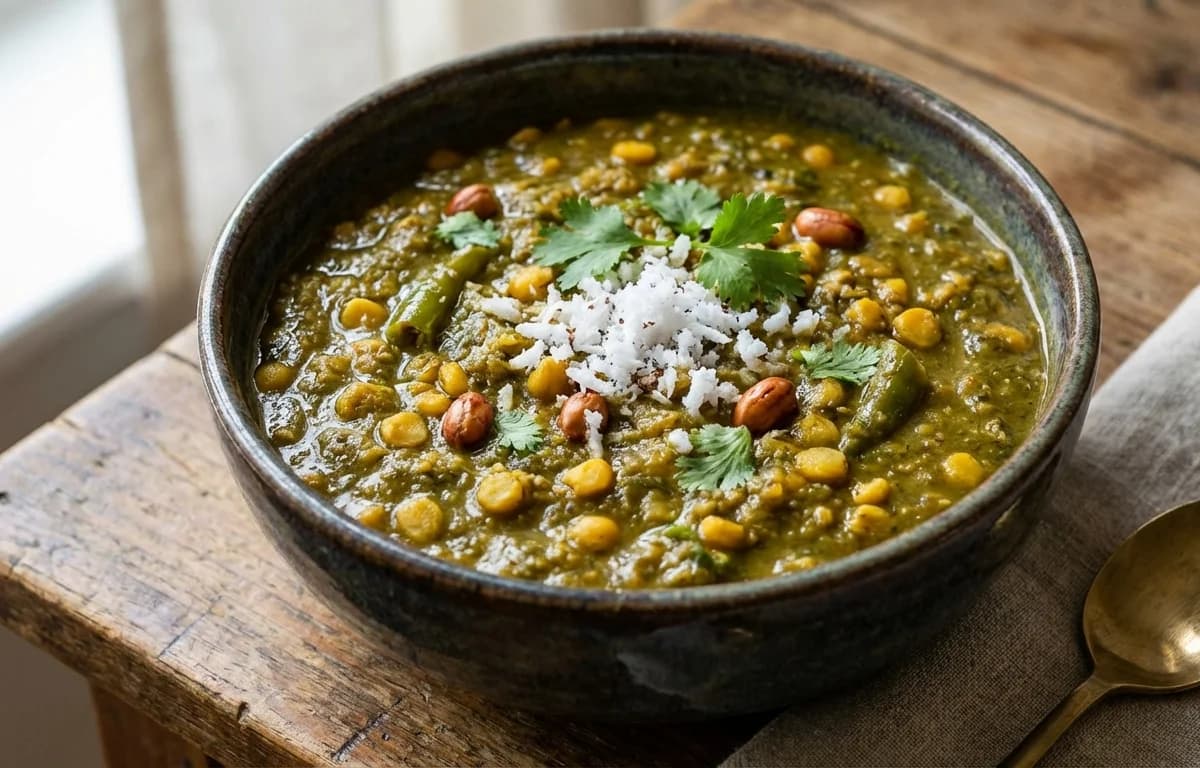
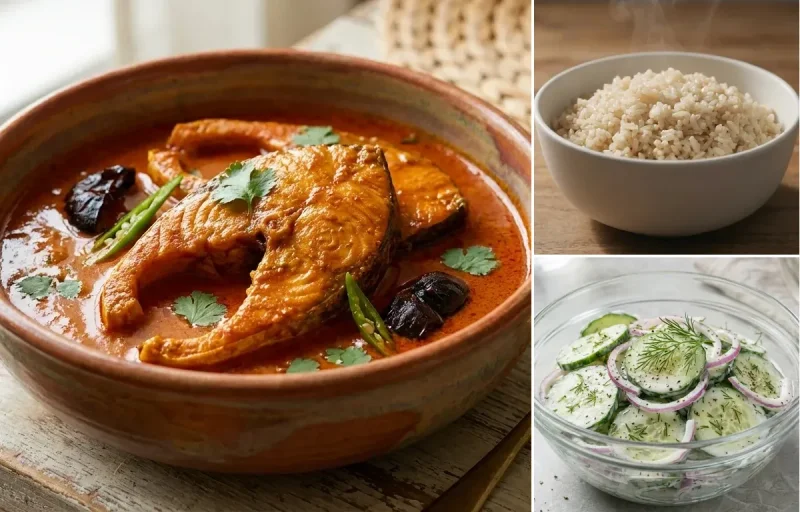
A classic Maharashtrian curry featuring tender arbi leaves and chana dal simmered in a tangy tamarind and sweet jaggery gravy. This soupy, flavorful dish is a comforting meal when served with steamed rice.
Prep20 min
Cook35 min
Soak60 min
Servings4
Serving size: 1 serving
327cal
12gprotein
36gcarbs
Ingredients
10 pieces Arbi Leaves (Also known as colocasia leaves or alu chi pane)
0.5 cup Chana Dal (Soaked in water for at least 2 hours)
2 tbsp Raw Peanuts
0.5 cup Fresh Grated Coconut
2 pieces Green Chillies (Adjust to your spice preference)
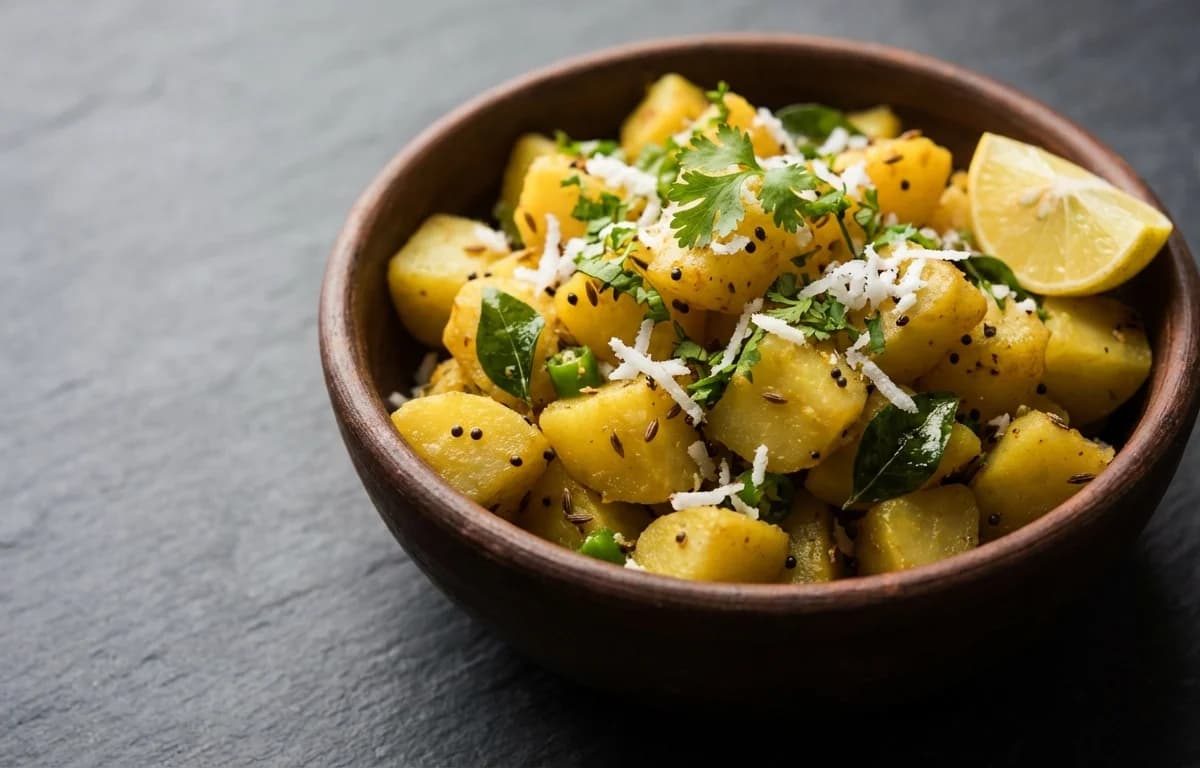
A simple and comforting Maharashtrian dry potato dish. Boiled potatoes are tossed in a fragrant tempering of mustard seeds, curry leaves, and green chilies, finished with a squeeze of lime. Perfect with puris or as a delicious dosa filling.
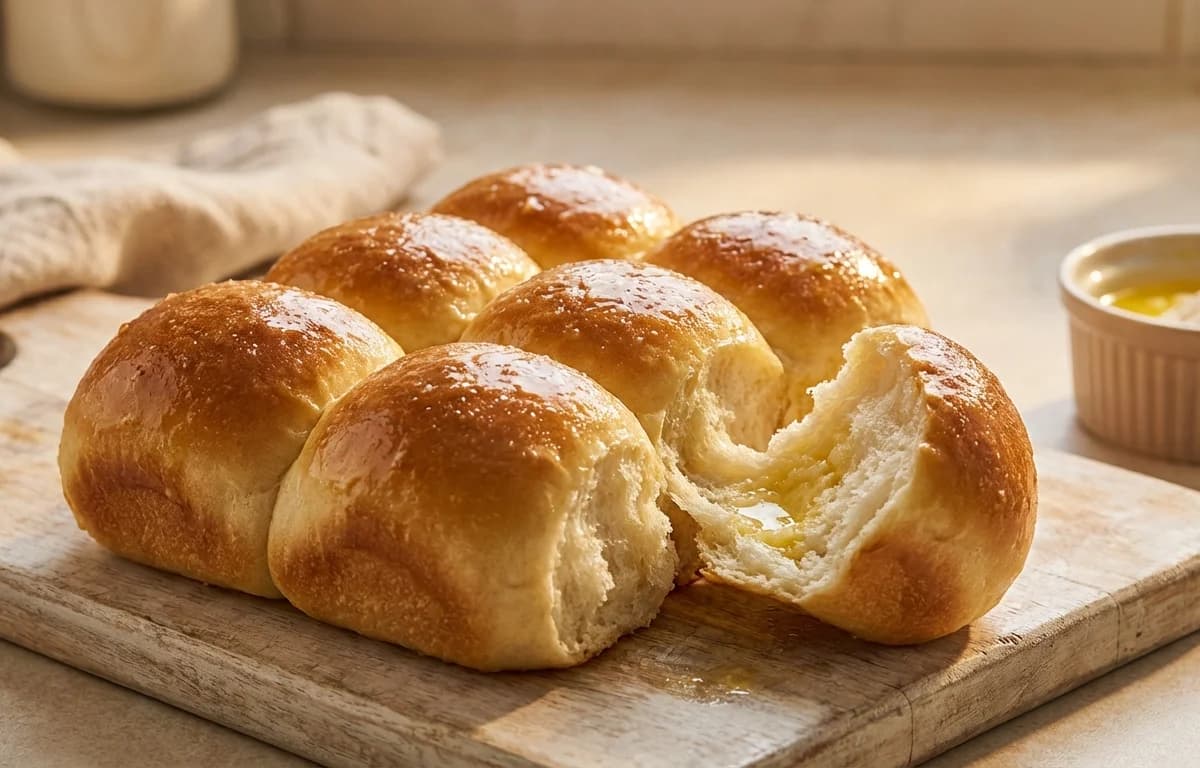
Pillowy soft, pull-apart dinner rolls straight from the streets of Mumbai. These fluffy, slightly sweet buns are the perfect vehicle for scooping up rich Pav Bhaji or holding a crispy Vada. A simple, satisfying bake for any occasion.
Prep25 min
Cook0 min
Bake20 min
Ferment105 min
About Patal Bhaji, Batata Sukhi Bhaji, Ladi Pav and Masala Chai
Aromatic Patal & perfectly spiced Sukhi Bhaji with soft pao & chai – a hearty, energy-giving feast!
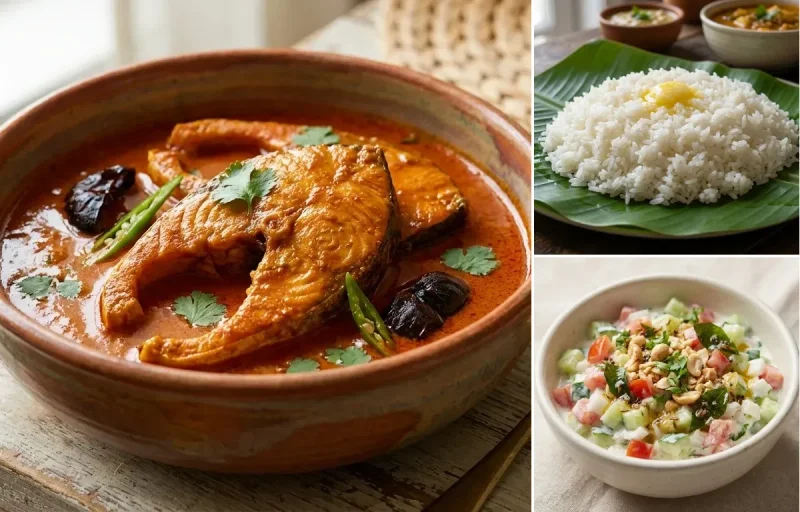
This goan dish is perfect for breakfast. With 817.89 calories and 23.090000000000003g of protein per serving, it's a nutritious choice for your meal plan.
Other Cuisines to Explore
Discover authentic meals from cuisines around the world.
1 tbsp Tamarind Paste (Or a lemon-sized ball of tamarind soaked in warm water)
1.5 tbsp Jaggery (Grated or powdered, adjust to taste)
1.25 tsp Salt (Adjust to taste)
3.5 cup Water (Divided for grinding and cooking)
Instructions
1
Prepare Leaves and Dal
Rinse the arbi leaves thoroughly under running water. Place them on a cutting board and carefully slice off the thick central vein from each leaf. This step is crucial to minimize itchiness.
Stack the leaves and roll them tightly, then chop them finely. Set aside.
Drain the water from the soaked chana dal.
2
Pressure Cook the Base
In a pressure cooker, combine the chopped arbi leaves, drained chana dal, raw peanuts, and turmeric powder.
Pour in 2 cups of water and mix well.
Secure the lid and pressure cook on medium heat for 4-5 whistles, or for about 15 minutes, until the dal is completely soft and easily mashable.
Allow the pressure to release naturally before opening the cooker.
3
Grind the Masala Paste
While the dal is cooking, add the grated coconut, green chillies, ginger, garlic, and cumin seeds to a small grinder jar.
Add approximately 1/4 cup of water and grind to a smooth, fine paste. Set aside.
4
Temper and Simmer the Bhaji
Heat oil in a large pot or kadai over medium heat. Once hot, add the mustard seeds and let them splutter.
Add the hing, then immediately add the ground coconut masala paste. Be careful as it may sizzle.
Sauté the paste for 3-4 minutes, stirring continuously, until it becomes fragrant and the raw smell disappears.
Stir in the goda masala and red chili powder. Cook for another 30 seconds.
Pour the cooked arbi leaf and dal mixture into the pot. Mix everything thoroughly.
Add the tamarind paste, grated jaggery, and salt. Stir well until the jaggery dissolves.
Add the remaining 1 to 1.25 cups of water to achieve the desired thin, soupy consistency ('patal').
Bring the curry to a rolling boil, then reduce the heat to low and let it simmer for 8-10 minutes for the flavors to meld together.
5
Final Touches and Serving
Taste the bhaji and adjust the salt, jaggery, or tamarind if needed. The final taste should be a perfect balance of sweet, sour, and spicy.
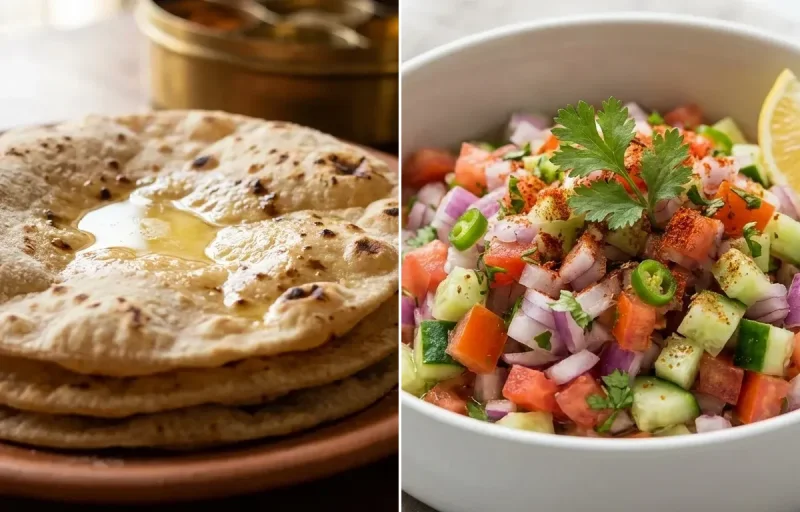
Serve the Patal Bhaji hot with steamed rice, chapati, or traditional Maharashtrian bhakri.
194cal
4gprotein
27gcarbs
9gfat
Ingredients
500 g Potatoes (About 3-4 medium potatoes, like Yukon Gold or red potatoes)
4 cups Water (For boiling potatoes)
1 tsp Salt (For boiling potatoes)
2 tbsp Vegetable Oil (Or any neutral cooking oil)
1 tsp Mustard Seeds (Known as Rai)
1 tsp Cumin Seeds (Known as Jeera)
0.25 tsp Asafoetida (Known as Hing)
10 pcs Curry Leaves (Fresh leaves)
3 pcs Green Chilies (Slit lengthwise or chopped, adjust to taste)
0.5 tsp Turmeric Powder (Known as Haldi)
0.5 tsp Sugar (Optional, but balances flavors)
1 tbsp Lemon Juice (Freshly squeezed)
2 tbsp Coriander Leaves (Freshly chopped, for garnish)
2 tbsp Fresh Grated Coconut (Optional, for garnish)
Instructions
1
Boil and Prepare Potatoes
Wash the potatoes thoroughly. Place them in a pot with 4 cups of water and 1 tsp of salt.
Bring to a boil and cook for 15-20 minutes, or until they are fork-tender but not falling apart.
Drain the hot water and let the potatoes cool down enough to handle.
Peel the skins and gently chop them into 1/2 to 3/4-inch cubes. Set aside.
2
Prepare the Tempering (Tadka)
Heat oil in a wide pan (kadai) over medium heat.
Once the oil is hot, add the mustard seeds. Wait for them to pop and splutter completely, which takes about 30-40 seconds.
Lower the heat, then add cumin seeds and asafoetida. Sauté for 15-20 seconds until the cumin seeds sizzle and become fragrant.
Carefully add the curry leaves and slit green chilies. They will sputter, so stand back. Sauté for another 30 seconds.
3
Combine and Cook the Bhaji
Add the turmeric powder to the hot oil and stir for 5 seconds.
Activate the yeast. In a small bowl, combine the warm milk, warm water, sugar, and instant yeast. Stir gently and let it sit for 5-10 minutes until the mixture becomes frothy.
2
Make the dough. In a large mixing bowl, whisk together the all-purpose flour and salt. Pour in the frothy yeast mixture and the 2 tbsp of melted butter. Mix with a spatula or your hands until a shaggy dough forms.
3
Knead the dough. Transfer the dough to a lightly floured surface. Knead for 8-10 minutes until the dough is smooth, soft, and elastic. It should spring back when you press it lightly.
4
First proofing. Place the dough in a lightly greased bowl and cover it with a damp cloth or plastic wrap. Let it rise in a warm place for 60-75 minutes, or until it has doubled in size.
5
Shape the pav. Gently punch down the risen dough to release the air. Divide the dough into 12 equal portions. Roll each portion into a smooth ball, tucking the edges underneath. Grease a 9x9 inch baking pan. Arrange the dough balls in the pan, placing them close enough to touch each other as they rise.
6
Second proofing. Cover the pan with a damp cloth and let the pav rise again for about 30 minutes, or until they are puffy and have almost doubled.
7
Bake the pav. Preheat your oven to 375°F (190°C). Gently brush the tops of the risen pav with the 2 tbsp of milk. Bake for 15-20 minutes, or until they are golden brown on top. If they brown too quickly, you can cover them loosely with aluminum foil for the last 5 minutes.
8
Finish and serve. As soon as the pav come out of the oven, brush them generously with the remaining 1 tbsp of melted butter. Let them cool in the pan for a few minutes before transferring to a wire rack. Serve warm.