
non-vegetariangluten-free
mangalorean
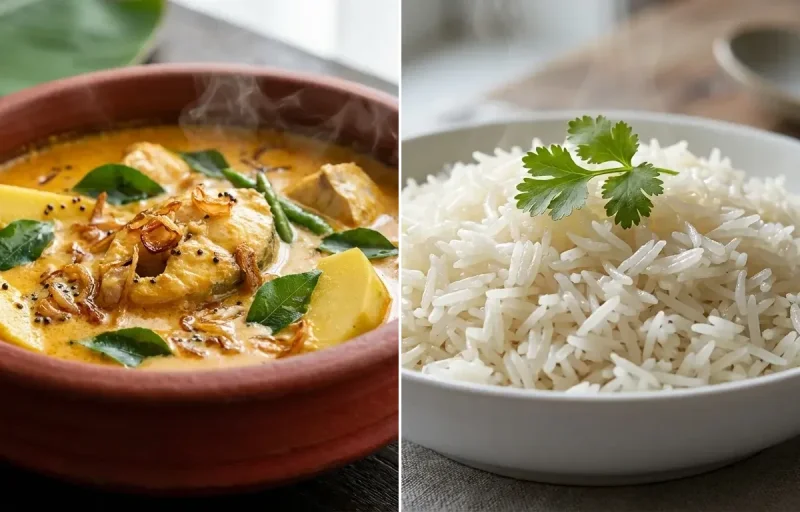
Meen Alleppey Curry with Boiled Rice
Tangy, creamy Meen Alleppey Curry with simple boiled rice - a gut-friendly, soul-satisfying Kerala delight!
20 min
718 cal
34gProtein
78gCarbs
31gFat
2Recipes
Loading...

Soft rice dumplings with tangy tomato rasam and a hint of coconut oil – homestyle comfort food!
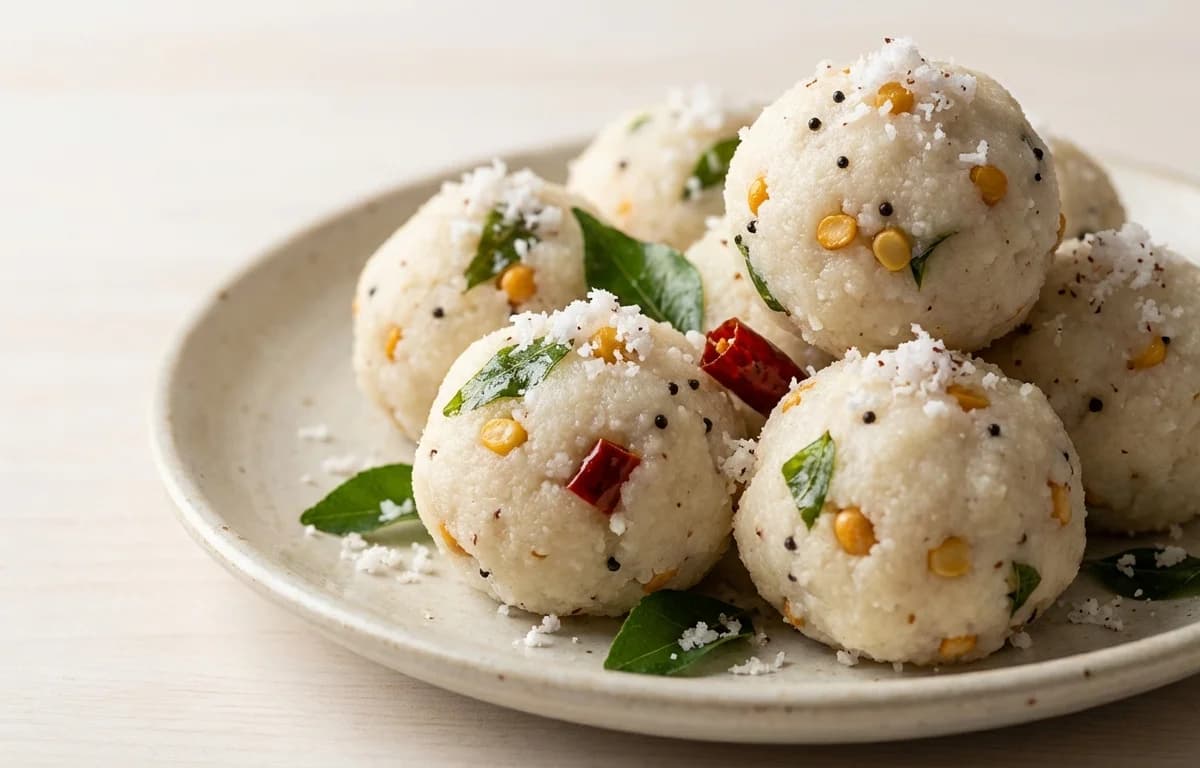
Soft, savory steamed rice dumplings from Mangalorean cuisine. Made with broken rice and coconut, seasoned with a classic South Indian tempering, they are a wholesome breakfast or snack.
Serving size: 1 serving
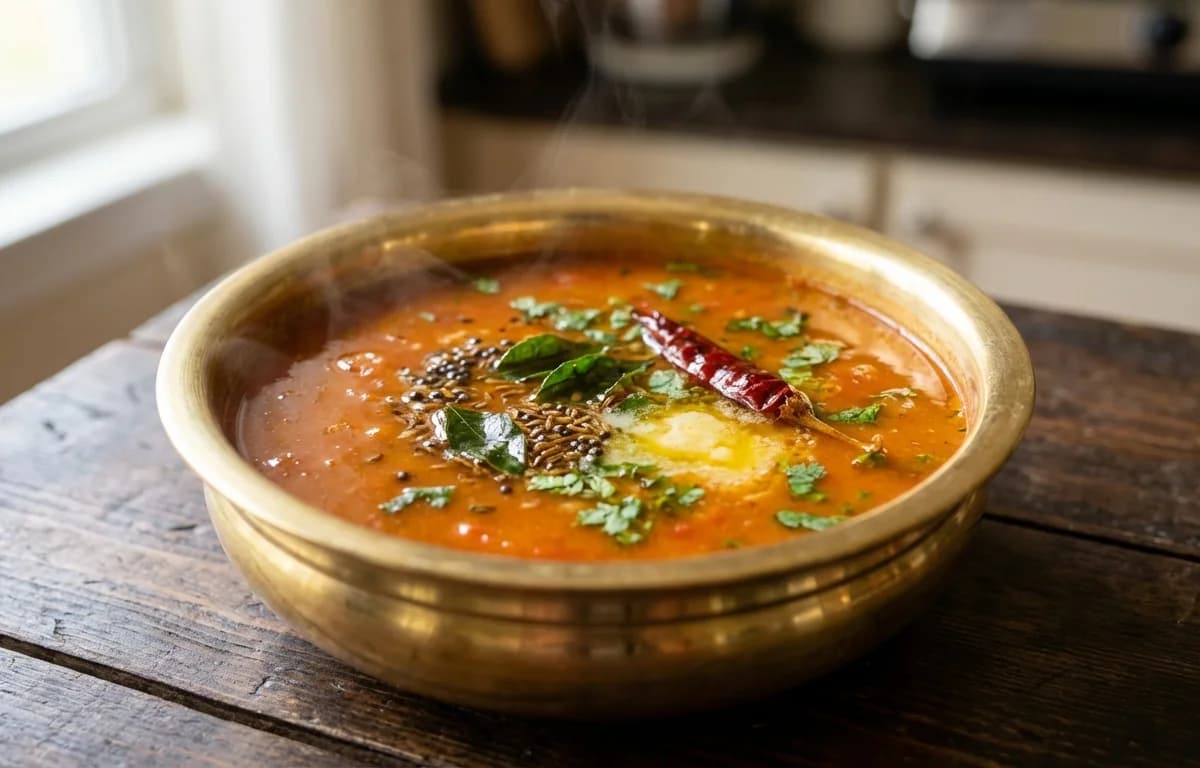
A light and tangy South Indian soup made with ripe tomatoes, lentils, and aromatic spices. This comforting Tomato Saaru is the perfect accompaniment to steamed rice and a dollop of ghee.
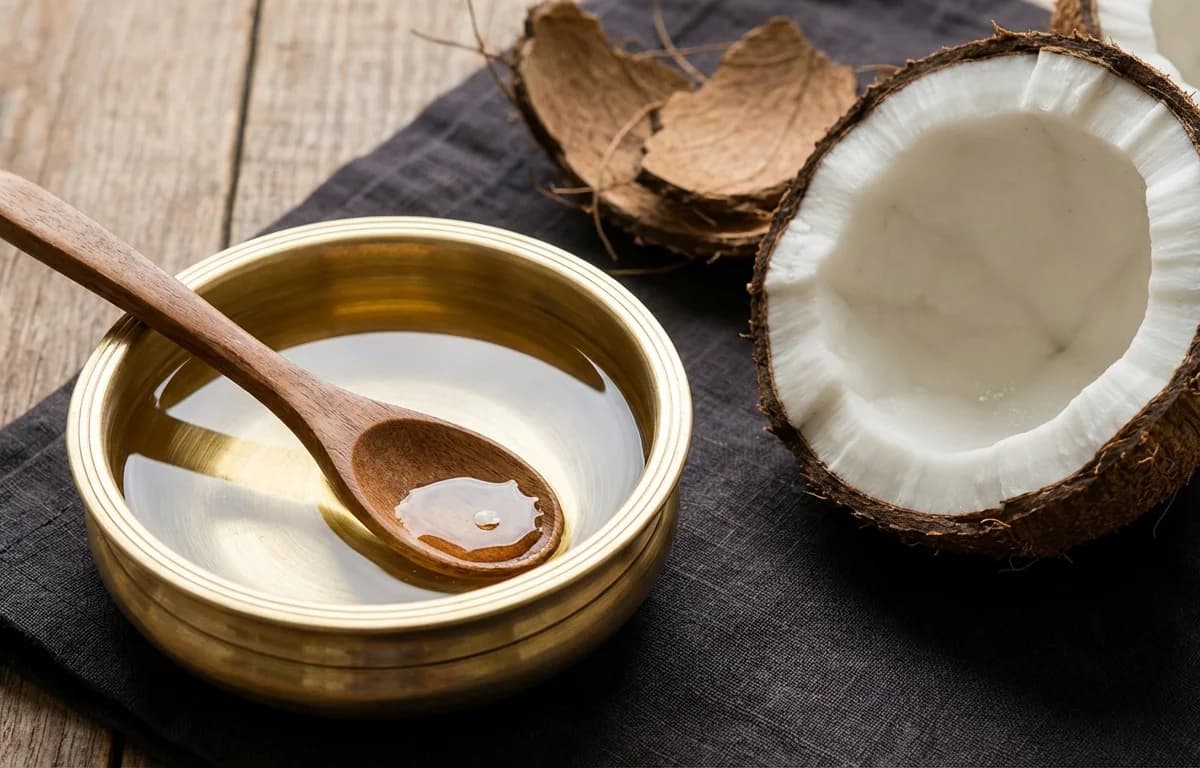
Learn to make pure, fragrant Virgin Coconut Oil at home from fresh coconut milk. This traditional Kerala method yields a high-quality oil perfect for cooking, skin, and hair care.
Serving size: 1 serving
Soft rice dumplings with tangy tomato rasam and a hint of coconut oil – homestyle comfort food!
This mangalorean dish is perfect for dinner. With 531.35 calories and 10.830000000000002g of protein per serving, it's a nutritious choice for your meal plan.
Discover authentic meals from cuisines around the world.
Find meals that fit your dietary preferences.
Find meals optimized for your goal.
Prepare the Rice Rava: Wash the idli rava in a fine-mesh sieve under running water until the water runs clear. Drain thoroughly and let it soak in just enough water to cover it for 30 minutes. After soaking, drain any remaining excess water completely.
Prepare the Tempering: Heat coconut oil in a heavy-bottomed pan or kadai over medium heat. Add the mustard seeds and allow them to splutter, which takes about 30 seconds. Then, add the urad dal and chana dal, sautéing for about 1 minute until they turn a light golden brown. Finally, add the broken dried red chilies, curry leaves, and hing. Sauté for another 30 seconds until the curry leaves are crisp and aromatic.
Cook the Dough: To the tempering, add the grated coconut and sauté for 1 minute. Pour in 3 cups of water and add the salt. Bring the mixture to a rolling boil. Reduce the heat to low and begin adding the soaked, drained idli rava slowly, stirring continuously and vigorously with a spatula to prevent any lumps from forming. This is the most crucial step.
Thicken the Dough: Continue cooking on low heat, stirring constantly, for about 5-7 minutes. The mixture will thicken and absorb all the water, eventually coming together as a single, non-sticky dough ball that pulls away from the sides of the pan. Turn off the heat, cover the pan, and let the dough rest for 5-10 minutes to cook further in the residual steam.
Shape the Dumplings: Transfer the warm dough to a large plate and let it cool just enough to be handled. Grease your palms with a little oil. Take a lime-sized portion of the dough and roll it between your palms to form a smooth, crack-free ball. You can make a small indent in the center with your thumb, which is a traditional way of shaping. Repeat until all the dough is used, making about 16 dumplings.
Steam the Pundi Gatti: Arrange the shaped dumplings on a greased steamer plate or idli stand, ensuring they have space between them for even cooking. Place the plate inside a steamer or pressure cooker (without the whistle) that has 1-2 inches of boiling water at the bottom. Cover and steam on medium heat for 15-20 minutes. The pundi are cooked when they appear shiny and a toothpick inserted into the center comes out clean.
Rest and Serve: Turn off the heat and let the pundi gatti rest in the steamer for 5 minutes before opening the lid. This prevents them from becoming sticky. Carefully remove the dumplings and serve hot with coconut chutney, sambar, or a spicy tomato chutney.
Serving size: 1 serving
Pressure Cook Dal and Tomatoes
Prepare the Saaru Base
Simmer the Saaru
Prepare the coconut: Break the coconuts in half and carefully scrape out all the white flesh using a coconut scraper. You should have about 6-7 cups of grated coconut.
Extract the coconut milk: Transfer the grated coconut to a blender. Add 4 cups of warm water. Blend on high for 1-2 minutes until the mixture is smooth. Pour the mixture through a fine-mesh sieve or cheesecloth placed over a large bowl. Squeeze the pulp firmly to extract as much milk as possible. Discard the pulp.
Cook the coconut milk: Pour the extracted coconut milk into a heavy-bottomed pan or a traditional Kerala uruli. Place the pan over medium heat and bring the milk to a simmer, stirring occasionally. Once it starts simmering, reduce the heat to low.
Separate the oil: Continue to cook on low heat, stirring every 5-10 minutes to prevent the solids from sticking and burning. After about 30-40 minutes, you will see the oil starting to separate from the milk solids. Keep cooking until the solids turn a deep golden brown and the oil becomes clear and fragrant. This will take about 45-60 minutes in total. Turn off the heat and let it cool down completely.
Strain and store the oil: Once cooled, carefully strain the oil through a clean cheesecloth or a fine metal strainer into a dry, airtight glass jar. Press the solids lightly to get any remaining oil out. The leftover brown solids (kalkan) are edible and can be mixed with sugar as a snack. Store the Virgin Coconut Oil at room temperature. It will solidify in cooler climates.
Prepare the Tempering (Tadka)
Combine and Serve
Tangy, creamy Meen Alleppey Curry with simple boiled rice - a gut-friendly, soul-satisfying Kerala delight!
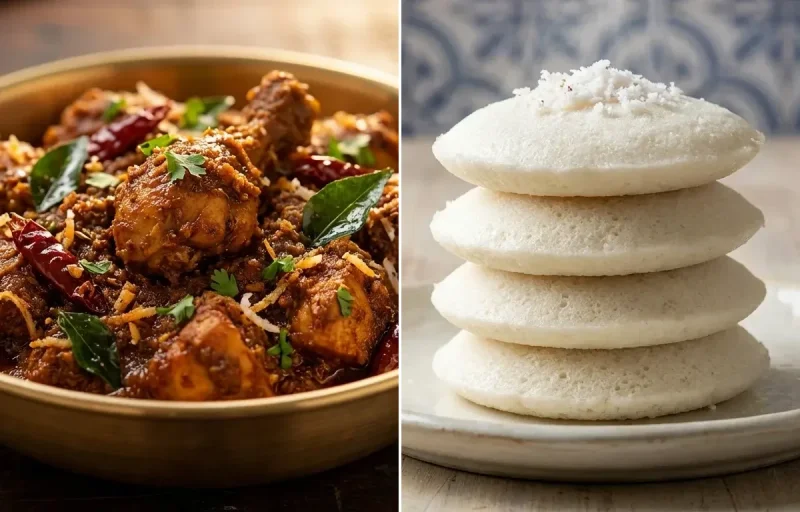
Aromatic Kori Ajadina with fluffy Sanna - a soul-satisfying, protein-packed meal!
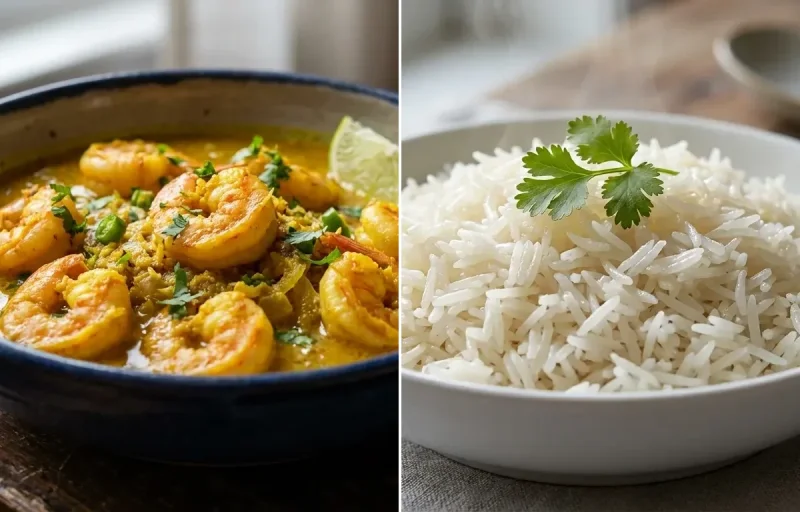
Aromatic Prawn Hinga Udda with rice – a gut-friendly, protein-packed, homestyle delight!
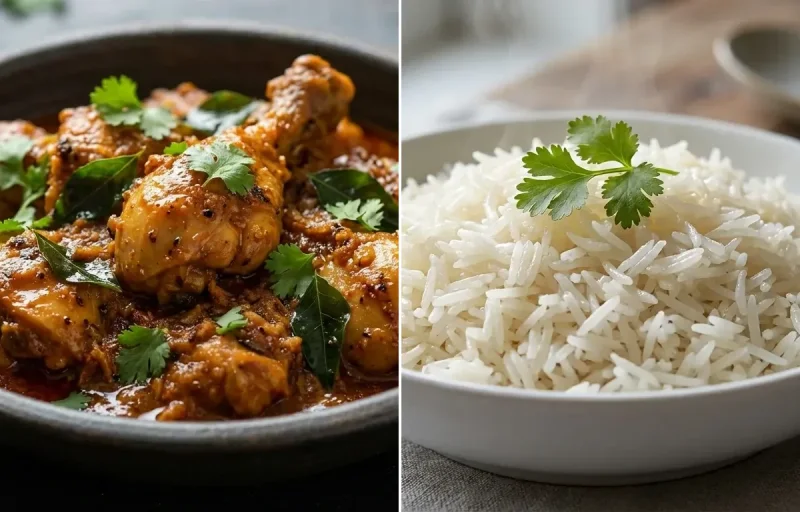
Perfectly spiced Chicken Kundapuri with fluffy rice – a protein-packed, soul-satisfying dinner!
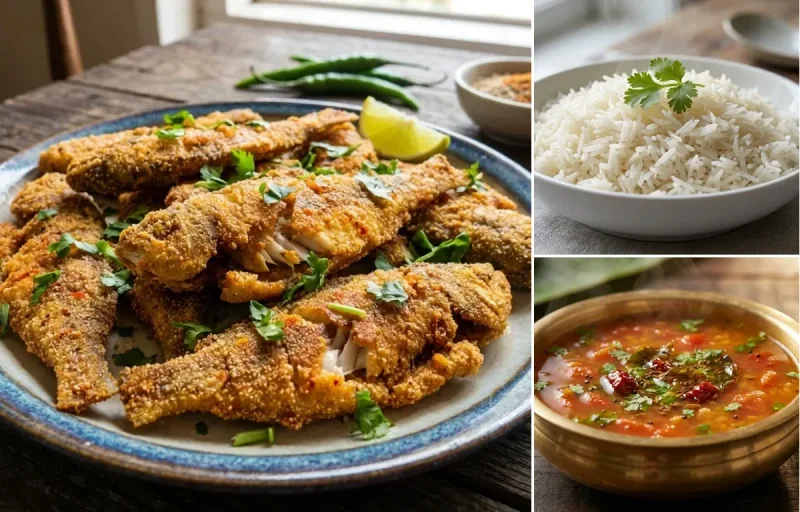
Crispy Silver Fish Fry with rice & rasam – a gut-friendly, aromatic, homestyle meal!

Creamy Mutton Kurma with soft sannas – a protein-packed, melt-in-mouth comfort food!