Dates: Nutrition, Sugar Content, Glycemic Index & Health Benefits: verified nutrition facts, glycemic context, serving guidance, and practical cooking ideas.
↑ Dates are naturally sweet and packed with fiber, but also calorie-dense.
Nature's candy, but smarter
That caramel-like chew and deep sweetness don't come from nowhere. Dates are about 75% carbohydrate, and most of that is sugar. But unlike a spoonful of table sugar, that sweetness arrives with a significant amount of dietary fibre, plus a good dose of minerals and antioxidants.
This makes all the difference. The fibre means that even though dates are intensely sweet, they don't cause the same sharp blood sugar spike you'd get from candy. They're a whole food, and your body digests them that way.
A date is a calorie-dense, high-sugar fruit, but its fibre content gives it a low glycemic index. Think of it as a natural sweetener or a treat, not a fruit to eat by the bowlful.
Dates nutrition facts
Here's the nutritional breakdown for a 100-gram serving of dates, which is about 4-5 large Medjool dates or a generous handful of smaller Deglet Noor dates.
Are dates too sugary?
Yes and no. With around 66 grams of sugar per 100g, dates are undeniably a high-sugar food. That's more sugar by weight than a doughnut. But context is everything. The sugar in dates is a mix of fructose and glucose, and it's bound up in a fibrous matrix. This means your body has to work to extract it, which leads to a slower, more gradual rise in blood sugar compared to free sugars in soda or sweets. The problem isn't one date; it's eating five in a row as if they were grapes.
Watch out for 'date syrup' or 'date paste' sold as a 'healthy' sweetener. While it's slightly better than table sugar, it's still a concentrated source of sugar with the fibre removed.
Dates' glycemic index
This is where dates really surprise people. Glycemic index (GI) measures how quickly a food raises blood sugar, with under 55 being low. Despite their intense sweetness, dates have a GI of around 42. That's firmly in the 'low' category, lower than mangoes and pineapples. This is thanks to their high fibre content. However, because they are so carb-dense, their Glycemic Load (which considers portion size) can be medium to high if you eat more than a couple.
GLYCEMIC INDEX · DATES vs COMMON FOODS
Dates have a surprisingly low GI
Apple
whole fruit
LOW
Dates
whole fruit
LOW
Mango
whole fruit
LOW
Pineapple
whole fruit
MEDIUM
White bread
refined
HIGH
SCALE 0–90
04590
The smart way to eat them
To get the benefits of dates without overdoing the sugar and calories, it's all about how you use them.
01
Mind the portion.
This is the golden rule. One to three dates is a serving. Think of them as a garnish or a treat, not a snack to munch on endlessly.
02
Pair with fat and protein.
Eating dates with a handful of nuts, a smear of nut butter, or some cheese slows digestion even further and creates a more balanced, satisfying snack.
03
Use them as a whole-food sweetener.
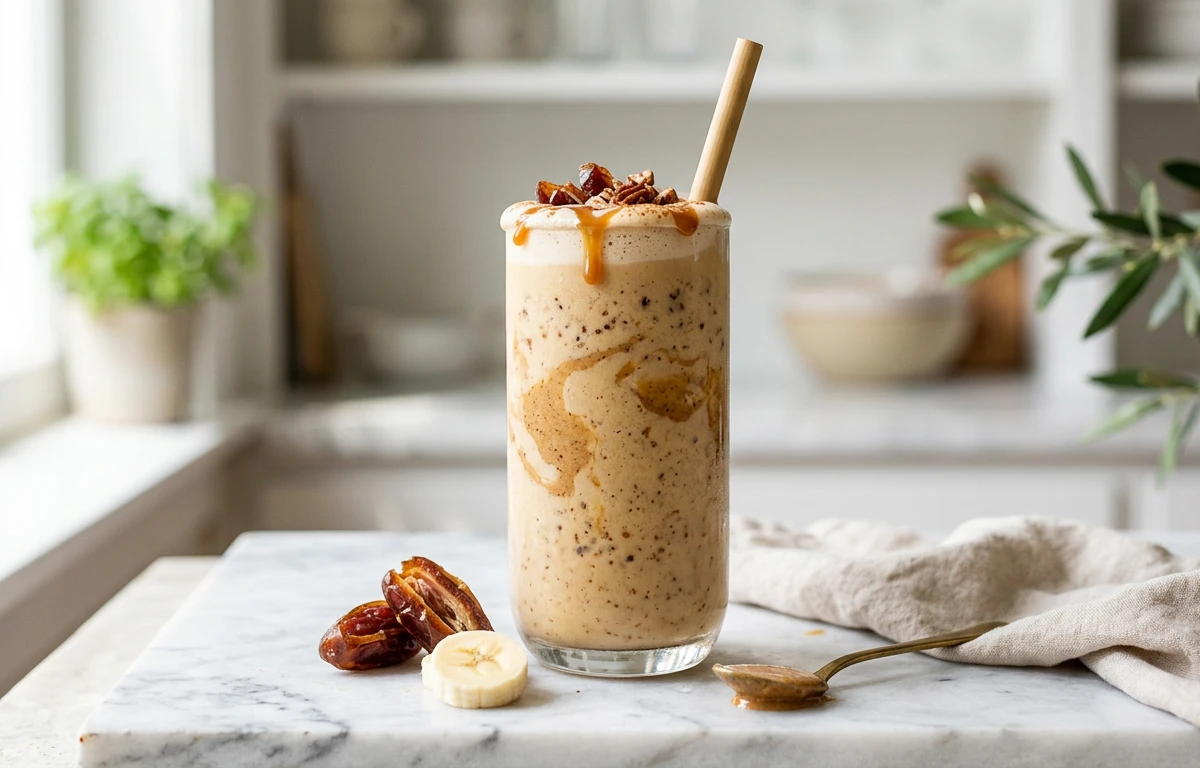
Chop a date into your oatmeal or blend one into a smoothie. You'll get sweetness plus fibre, which is much smarter than using table sugar or syrup.
04
Stay hydrated.
Dates are very high in fibre. To help that fibre do its job properly and avoid digestive discomfort, make sure you're drinking plenty of water.
What dates are good for
01
Supporting digestive health
With nearly 7 grams of fibre per 100g, dates are a powerhouse for promoting regularity and feeding beneficial gut bacteria.
6.7g
fiber / 100g
02
A natural, quick energy source
The combination of carbohydrates and low GI makes dates a great pre-workout snack or a way to fight an afternoon slump without a subsequent crash.
277
kcal / 100g
03
Rich in disease-fighting antioxidants
Dates contain various antioxidants, most notably flavonoids, carotenoids, and phenolic acid, which help protect your cells from damage.
High in
polyphenols
04
A surprising source of minerals
They provide significant amounts of potassium and magnesium, which are crucial for heart health, blood pressure control, and muscle function.
15%
potassium DV
What to pair dates with
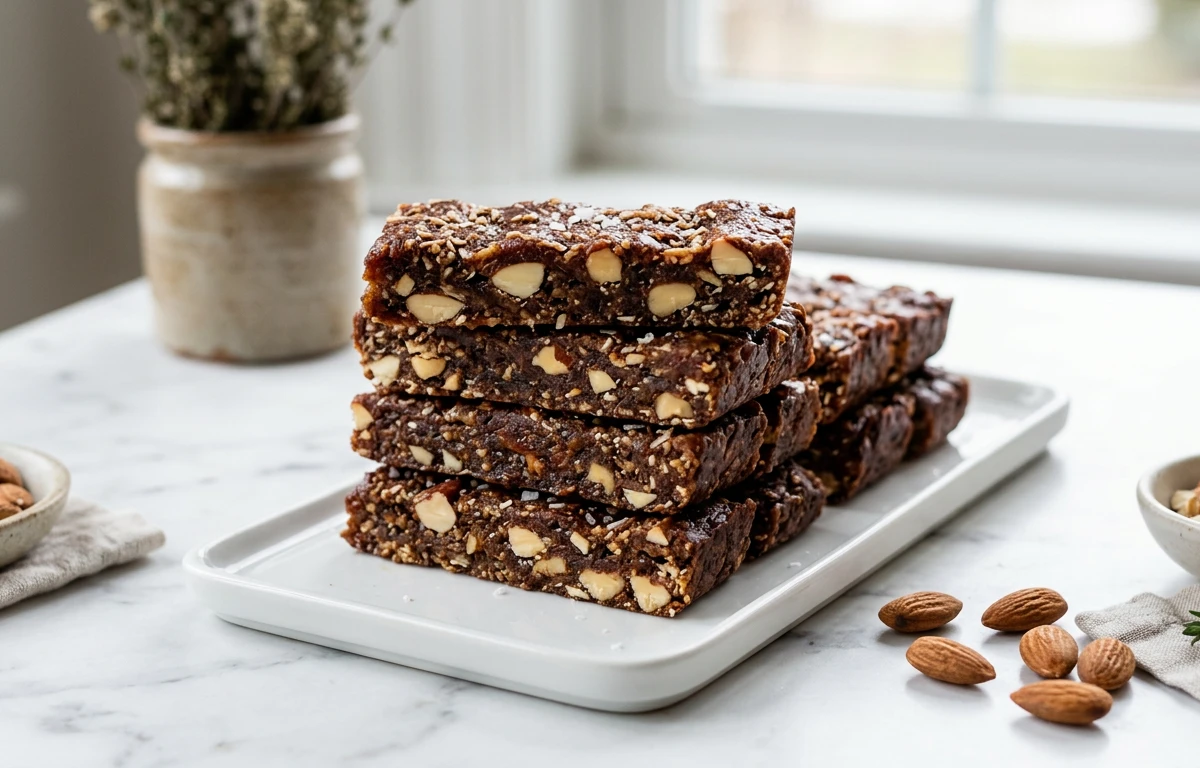
The intense sweetness of dates is best balanced with fat, protein, or something salty. These pairings make them more satisfying and slow down sugar absorption.
Eat freely — or be mindful?
Three ways to eat them
Beyond just eating them plain, dates are incredibly versatile in the kitchen. Here are three simple ideas.

Want to use natural sweeteners smartly, without the guesswork?
CraftMyMeals builds weekly plans that use whole foods like dates for sweetness, perfectly portioned and balanced with protein and fibre. Get all the flavour with none of the stress.
Build my weekly plan →SOURCES & REFERENCES · 3
One more thing
Eating well is rarely about willpower. It’s about having a short list of dinners you actually want to eat. Pick two from this list. Make them next week. The rest will follow.
If you want these on autopilot, our weekly meal planner can drop the picks above into your calendar with one click and build a single grocery list from the merged ingredients.
FREQUENTLY ASKED QUESTIONS
Frequently asked questions
Can you eat dates if you have diabetes?
Yes, but with extreme caution and portion control. While dates have a low GI, they are very high in sugar and carbohydrates. A single date can be manageable for some, but it's crucial to pair it with fat/protein and monitor blood sugar. Always consult with your doctor or dietitian.
How many dates can you eat a day?
For most people, 1-3 dates per day is a reasonable amount. This allows you to get the fibre and nutrient benefits without overloading on sugar and calories. If you're very active, you might have more; if you're trying to lose weight, you might stick to one.
Are Medjool dates healthier than Deglet Noor?
Nutritionally, they are very similar. Medjool dates are larger, softer, and have a richer, more caramel-like taste. Deglet Noor dates are smaller, firmer, and less intensely sweet. Both are great choices, so pick the one you prefer.
Do dates make you gain weight?
No single food makes you gain weight, but dates are very calorie-dense, meaning they pack a lot of calories into a small package. It's easy to eat several hundred calories worth of dates without feeling very full, which can contribute to weight gain if not managed.
METHODOLOGY
How this article was created
Built using verified nutrition databases, culinary research, and traditional cooking knowledge — every claim is cross-referenced against the sources listed in the article.
· USDA data· Culinary research· Quality reviewed
Read our methodology →TRANSPARENCY
About this content
Articles are curated using trusted food databases (USDA FoodData Central, IFCT), culinary literature, and dietary guidelines, then structured by our editorial team for clarity, accuracy, and usefulness.
· Verified data sources· Culinary research· Quality reviewed
Read our editorial policy →RELATED RECIPES
Cook from this article
EXPLORE OUR MEALS
Meals that fit this article

AMERICAN · 1677 CAL
Almonds with Sliced Apple + supplement + iron

MEDITERRANEAN · 809 CAL
Greek Yogurt with Berries Almonds and Granola + supplement + iron

GENERAL_HEALTHY · 705 CAL
Banana with Peanut Butter Pregnancy + supplement + iron

MODERN · 982 CAL
Hummus with Crudits and Pita with Fresh Orange Snack + supplement + iron
TAGGED
KEEP READING