Dietary Lifestyle · 10 MIN READ
Cooking Without Salt: A Technique Guide to Flavor
A technique-led guide to low-sodium cooking: Maillard browning at 140-165 degC, the umami trifecta, layered acid, finishing salt, and the AHA's 2,300 mg…
Loading...
A technique-led guide to low-sodium cooking: Maillard browning at 140-165 degC, the umami trifecta, layered acid, finishing salt, and the AHA's 2,300 mg…
Cutting salt is the most evidence-backed dietary change in cardiovascular medicine, and it is also the change home cooks dread most, because it sounds like a subtraction. It is not. The Centers for Disease Control and Prevention estimates that more than 70 percent of the sodium Americans eat comes from packaged, processed, and restaurant foods, not the salt shaker at home, which means the lever you control as a home cook is enormous. The American Heart Association recommends most adults stay under 2,300 mg of sodium per day, with an ideal target of 1,500 mg for anyone managing high blood pressure, heart failure, or chronic kidney disease.
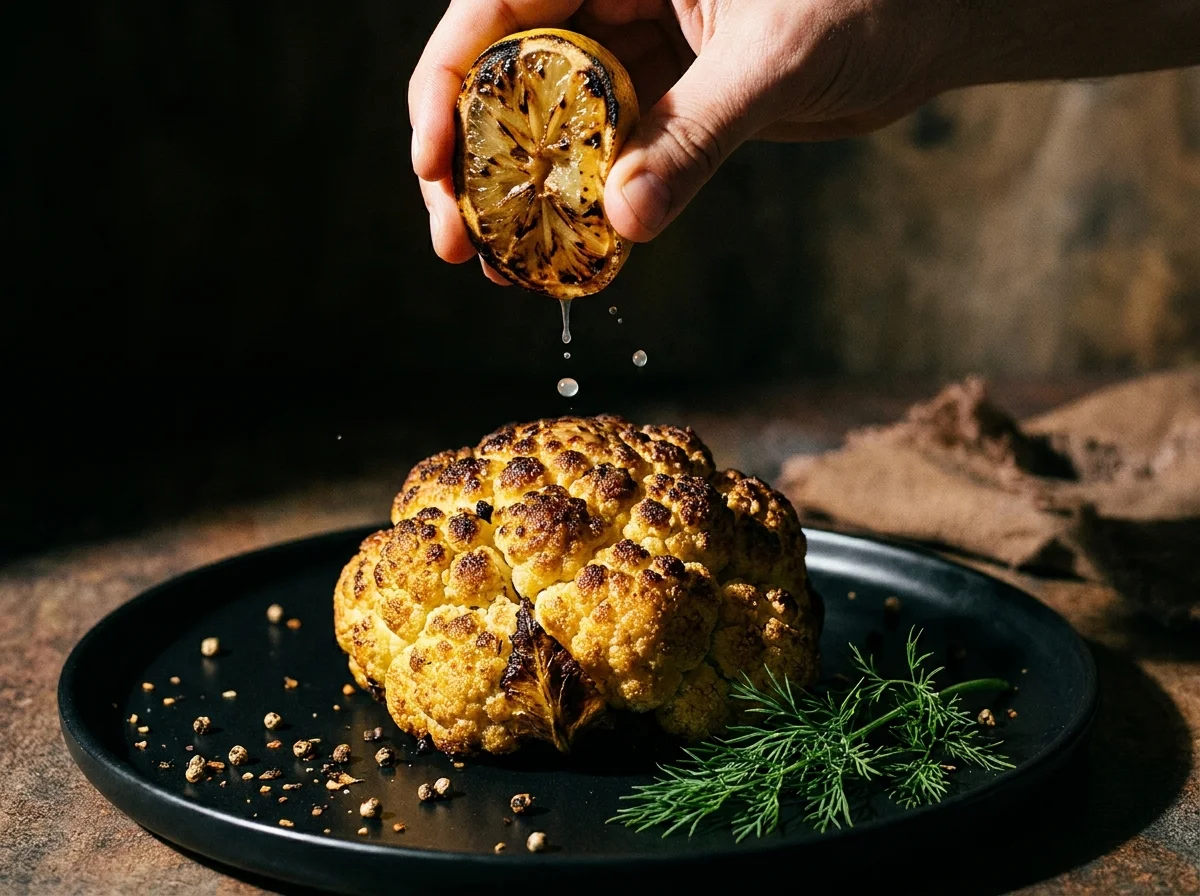
What follows is not a list of substitutes. It is a guide to the five flavor levers that cooks who season lightly actually use: hard heat for the Maillard reaction (it runs from about 140 degC / 280 degF), fat as a carrier for aroma molecules, acid for the brightness that salt is often standing in for, the umami trifecta of glutamate-inosinate-guanylate synergy, and the finishing pinch of salt that hits the tongue directly and reads as 'seasoned' at a fraction of the cooked-in dose. None of this is a workaround for salt. It is what salt was doing badly on its own.
Salt does one job — it sharpens the contrast between sweet, sour, bitter, and umami — and we have asked it to do roughly five. When you take it away, food does not become bland; it becomes unsupported. The fix is not a salt substitute, it is a technique stack: hard browning, layered aromatics, acid in two doses, the umami trifecta, and a small finishing pinch where the tongue actually meets it. This is what cooks who season lightly already do.
Salt is the most evidence-backed dietary lever in cardiovascular medicine. The American Heart Association recommends most adults stay under 2,300 mg of sodium per day, with an ideal target of 1,500 mg for people managing high blood pressure, heart failure, or chronic kidney disease.[1] But the lever a home cook controls is bigger than the salt shaker. The CDC estimates more than 70 percent of dietary sodium in the United States comes from packaged, processed, and restaurant foods, not from cooking at home.[2]
What makes salt feel load-bearing is that it does several flavor jobs at once: it suppresses bitterness, amplifies sweetness, balances acid, and carries aroma molecules into the air. Strip it out without replacing those jobs and food tastes flat. Replace them deliberately and the same dish, made with a fraction of the sodium, can read as more complex than its salty original.
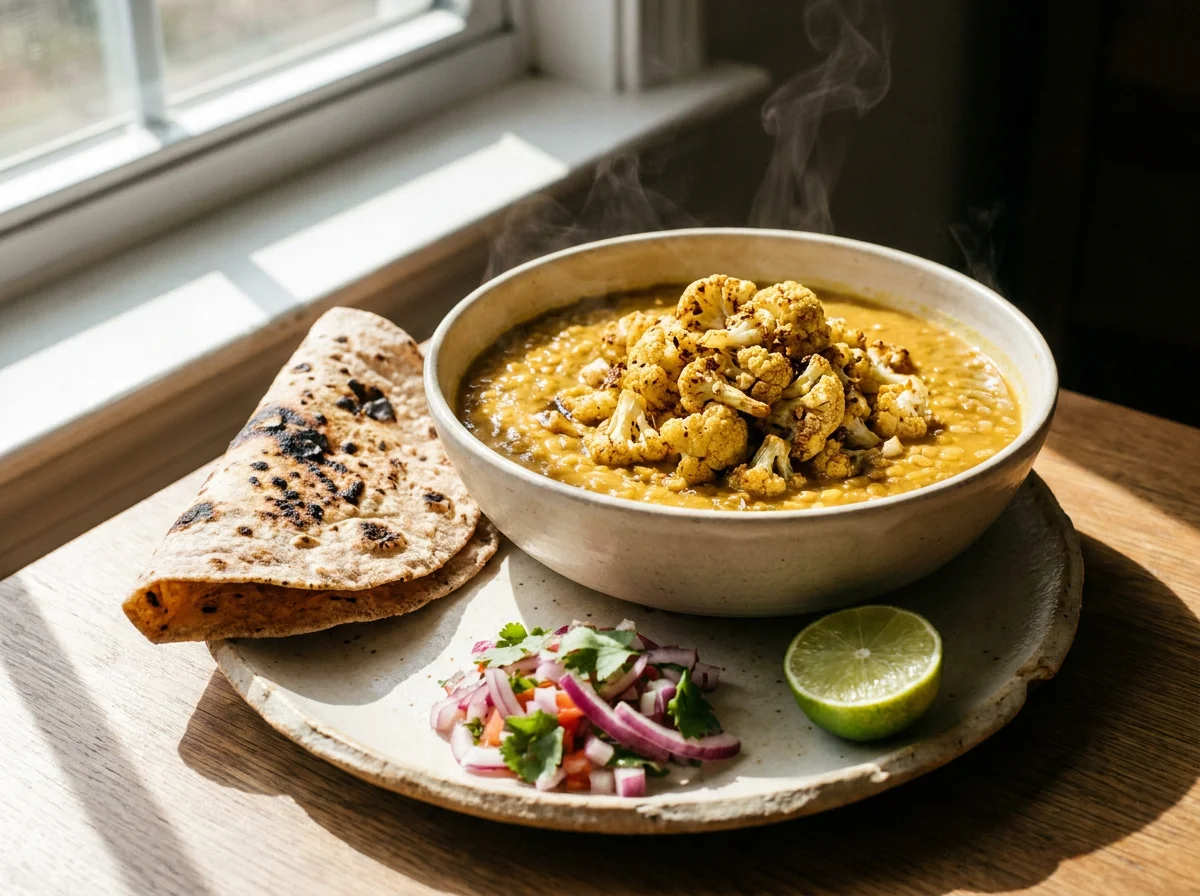
Most savory dishes — a curry, a braise, a soup, a stir-fry, a sheet-pan dinner — respond to the same sequence. The five steps below are not a recipe; they are the order in which flavor compounds form, layer, and lock in. Run them in any other order and you leave flavor on the table that you will be tempted to replace with salt.
Tell us your daily sodium ceiling, the cuisines you actually like, and how much time you have on weeknights. Our planner builds a 7-day menu around the technique stack above — browned, layered, acid-finished, and within your target — plus a single grocery list.
Build my low-sodium weekSalt makes food taste like food because it sharpens the contrast between sweet, sour, bitter and umami. Strip it away and you do not get bland food; you get food whose other flavors are unsupported. The fix is not to find a chemical substitute for salt, it is to do the work salt was hiding: brown harder, layer aromatics in stages, finish with acid, exploit the umami trifecta, and reserve a small finishing pinch for the surface where the tongue meets it. Two to four weeks in, your palate will recalibrate downward and the food you now find correctly seasoned will start to taste salty. Confirm your individual sodium target with the clinician treating your blood pressure, heart, or kidney condition.

Kayte is a nutrition writer, food and recipe content creator, and wellness educator. She bridges evidence-based nutrition science with everyday cooking — translating research into practical recipes, meal ideas, and wellness habits that readers can actually use in their kitchens.
Meet the editorial team →Built using verified nutrition databases, culinary research, and traditional cooking knowledge — every claim is cross-referenced against the sources listed in the article. Last reviewed May 2026.
Articles are curated using trusted food databases (USDA FoodData Central, IFCT), culinary literature, and dietary guidelines, then structured by our editorial team for clarity, accuracy, and usefulness.