A 90-minute Sunday plan and a 7-day rotation that holds each main meal to ~600 mg of sodium. Anchored to AHA and FDA limits with USDA FSIS storage rules.
By Kayte Williams, Nutrition Writer
January 20, 2026 · Reviewed May 2026 · Updated Jul 2026
Low-sodium eating breaks down on Wednesday night, not Monday morning. The pantry of unsalted broth and no-salt-added canned tomatoes that felt aspirational on Sunday loses to a tired commute, a takeout app, and the package of deli turkey that delivers 1,000 mg of sodium in four slices. The fix is not willpower — it is logistics. The American Heart Association caps sodium at 2,300 mg/day for healthy adults and recommends an ideal target of 1,500 mg/day for most, noting that cutting intake by 1,000 mg/day measurably improves blood pressure [1]. The CDC's analysis of US dietary patterns finds that the bulk of sodium in the American diet comes from packaged and restaurant foods, with sandwiches, soups, breads, pizza, cold cuts, and seasoned rice or pasta dishes leading the list [2]. Cooking from fresh ingredients on a planned schedule is what unlocks the budget.
This guide is the Sunday-to-Friday version of that plan. It assumes 90 minutes one afternoon a week, a refrigerator, and a working target of about 600 mg of sodium per main meal so the day lands under the AHA's 2,300 mg cap. The seven meals below are templates, not prescriptions — confirm your individual sodium target with your clinician, since heart failure, advanced CKD, and cirrhosis usually require tighter caps.
Why this matters
Most sodium sneaks into weekday meals through convenience. Takeout, packaged lunches, bottled sauces, and rushed decisions add up quickly over the course of a week. Meal prep gives you control, but only if it’s done thoughtfully. Preparing food that’s already flavorful without relying on salt makes it easier to stick with the plan. It also reduces decision fatigue—when meals are ready, you’re less likely to reach for high-sodium options. The key is prepping components, not just full meals. Roasted vegetables, cooked grains, and simple proteins can be reused in different ways, keeping meals fresh while naturally keeping sodium lower.
✓Adults with hypertension, prehypertension, or cardiovascular risk who have been advised to target 1,500-2,300 mg sodium/day [1]
✓Home cooks moving away from canned soup, jarred sauces, deli meats, and restaurant takeout toward a planned weekly prep
✓Working adults who want one 90-minute Sunday session to carry the bulk of weekday lunches and dinners
✓People in the early weeks of a low-sodium transition who need realistic, reheat-friendly templates while taste recalibrates
✓Adults following the DASH or DASH-Sodium eating pattern under clinician or dietitian supervision
LIMIT OR AVOID IF
Skip this if
!You have advanced CKD (stage 3 or higher), advanced heart failure, Addison's disease, or take ACE inhibitors, ARBs, potassium-sparing diuretics, or high-dose NSAIDs — do not substitute potassium chloride salt substitutes (LoSalt, NoSalt, Morton Salt Substitute) without clinician sign-off; NIDDK warns these can drive serum potassium dangerously high [6]
!You have heart failure, cirrhosis, or resistant hypertension with a sodium prescription tighter than 2,000 mg/day — these meals need to be re-budgeted against your individual cap
!
PRACTICAL TIPS
✓Work to a per-meal sodium budget of roughly 600 mg on a 2,300 mg/day cap, or 400 mg on a 1,500 mg/day cap. Track for one prep week with a label-reading app to calibrate — most home cooks overshoot by 30-50% before they measure [1].
✓Buy the no-salt-added or low-sodium version of every canned staple. Commercial chicken broth runs 700-900 mg sodium per cup; unsalted runs under 100 mg. Regular canned tomatoes carry 200-300 mg per half-cup; no-salt-added is under 50 mg. This single swap removes more sodium from a meal-prep week than any cooking technique [3].
✓Cool cooked food fully within 2 hours of leaving the stove (1 hour if your kitchen is above 90F) before sealing containers. USDA FSIS calls 40-140F the 'danger zone' for bacterial growth — trapped steam keeps food in it longer and creates the conditions that sicken meal preppers far more often than the food itself going bad [4].
✓Cook rice and grains the day you'll start eating them, not days in advance. Cooked rice carries Bacillus cereus spores that survive cooking and produce a heat-stable toxin if the rice sits at room temperature for more than 2 hours — this is the single most common food-safety failure in home meal prep [5].
✓Drain and rinse canned beans for 10 seconds under cool water before using. Research shows this cuts sodium by roughly 41% — from ~503 mg to ~295 mg per serving across multiple varieties — even on regular canned beans. Buy no-salt-added when available, then rinse anyway.
✓Salt at the plate, not in the pot. A small finishing pinch hits the tongue first and registers as 'seasoned' at a fraction of the dose. Salt cooked into a sauce diffuses through the dish and requires 3-4x more to taste the same.
Successful low-sodium meal prep is three habits stacked: cook from fresh, single-ingredient foods (no-salt-added canned tomatoes and broth, dried or rinsed canned beans, fresh or frozen produce and meat); store them safely (cooked proteins and soups 3-4 days in the fridge per USDA FSIS [4], cooked rice and grains 3-5 days, cooled and sealed within 2 hours of cooking — 1 hour above 90F [4]); and season aggressively with browning, acid, aromatics, and a small finishing pinch of salt at the plate rather than salt cooked into the pot. The 600 mg per-meal budget below leaves room for breakfast, lunch, and snacks within the AHA 2,300 mg cap [1].
These meals are a framework, not a clinical plan. If you have heart failure, advanced CKD, cirrhosis, or resistant hypertension, your sodium target is set by your clinician and is often well under 2,000 mg/day — adjust accordingly. If you take ACE inhibitors, ARBs, potassium-sparing diuretics, or have CKD stage 3 or higher, do not substitute a potassium chloride salt substitute without clinician sign-off; the NIDDK warns these can drive serum potassium dangerously high in these patients [6]. Anyone pregnant, breastfeeding, or managing a chronic condition should review meal plans with a clinician before adopting them.
FREQUENTLY ASKED QUESTIONS
How much sodium should each prepped meal have?
On the AHA general adult cap of 2,300 mg/day, a reasonable budget is about 600 mg per main meal and 150-200 mg per snack [1]. On a 1,500 mg/day target, that drops to about 400 mg per main meal. FDA-regulated 'low sodium' on a label is ≤140 mg per serving; 'very low sodium' is ≤35 mg [3]. Confirm your individual target with your clinician.
How long can low-sodium prep keep in the fridge?
USDA FSIS gives cooked meat, poultry, and soups 3-4 days refrigerated [4]. Cooked grains and roasted vegetables typically hold 3-5 days. Cooked rice is the outlier — eat within 3 days because of Bacillus cereus [5]. A Sunday cook comfortably covers Monday through Thursday or Friday. Beyond that, freeze portions: soups and cooked grains keep 2-3 months frozen.
Is cooked rice really risky to keep in the fridge?
The risk is the cooling step, not the fridge. Cooked rice carries Bacillus cereus spores that survive boiling and produce a heat-stable toxin when rice sits at room temperature for more than 2 hours (1 hour above 90F) [5]. Get rice into the fridge within 2 hours, eat within 3 days, reheat to 165F. It's the single most common food-safety failure in home meal prep.
Will low-sodium prep food taste bland by Wednesday?
Only if you season the pot on Sunday — salt dilutes through reheating. The fix is to keep salt on the plate, not in the pot. Cook every component almost-unseasoned; finish each plate at eating time with lemon, fresh herbs, a small pinch of flaky salt, and a sauce stored separately. The components stay neutral; the meal tastes built today.
Which broth, beans, and canned tomatoes are worth buying?
Anything labeled 'no salt added' or 'unsalted.' Commercial broth runs 700-900 mg/cup; unsalted runs under 100 mg [3]. Regular canned tomatoes carry 200-300 mg per half-cup; no-salt-added is under 50 mg. Regular canned beans carry ~500 mg per half-cup, dropping ~40% after a 10-second rinse. Switching all three typically removes 1,000-1,500 mg from a single meal.
How do I keep meal-prep containers from getting soggy?
Store wet and dry apart. Keep dressings in small separate containers and combine at eating time. Add crunchy elements (nuts, seeds, raw vegetables) last. Cool food fully on sheet pans before sealing — trapped steam is the main reason roasted vegetables go limp. For salads, layer dressing at the bottom and greens at the top, then shake at the desk.
Are potassium chloride salt substitutes safe?
Not for everyone. LoSalt, NoSalt, and Morton Salt Substitute replace sodium chloride with potassium chloride. NIDDK explicitly warns people with kidney disease to limit potassium chloride and use herbs and spices instead [6]. They are also unsafe without clinician sign-off for anyone with advanced heart failure, Addison's disease, or on ACE inhibitors, ARBs, potassium-sparing diuretics, or high-dose NSAIDs.
ABOUT THE AUTHOR
Kayte Williams
NUTRITION WRITER
Kayte is a nutrition writer, food and recipe content creator, and wellness educator. She bridges evidence-based nutrition science with everyday cooking — translating research into practical recipes, meal ideas, and wellness habits that readers can actually use in their kitchens.
Built using verified nutrition databases, culinary research, and traditional cooking knowledge — every claim is cross-referenced against the sources listed in the article. Last reviewed May 2026.
Articles are curated using trusted food databases (USDA FoodData Central, IFCT), culinary literature, and dietary guidelines, then structured by our editorial team for clarity, accuracy, and usefulness.
· Verified data sources· Culinary research· Quality reviewed
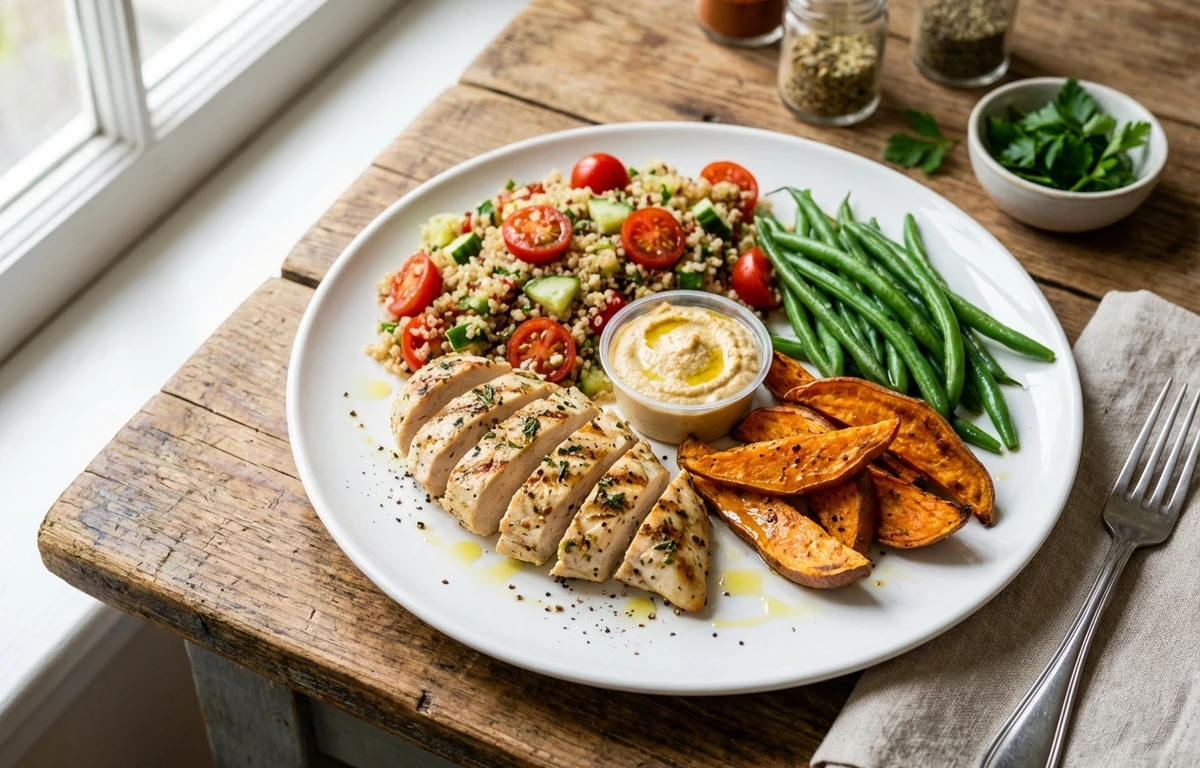
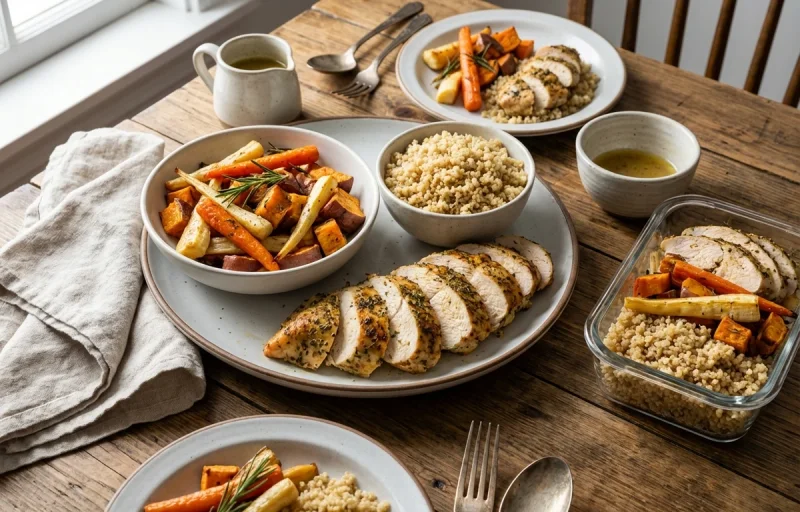
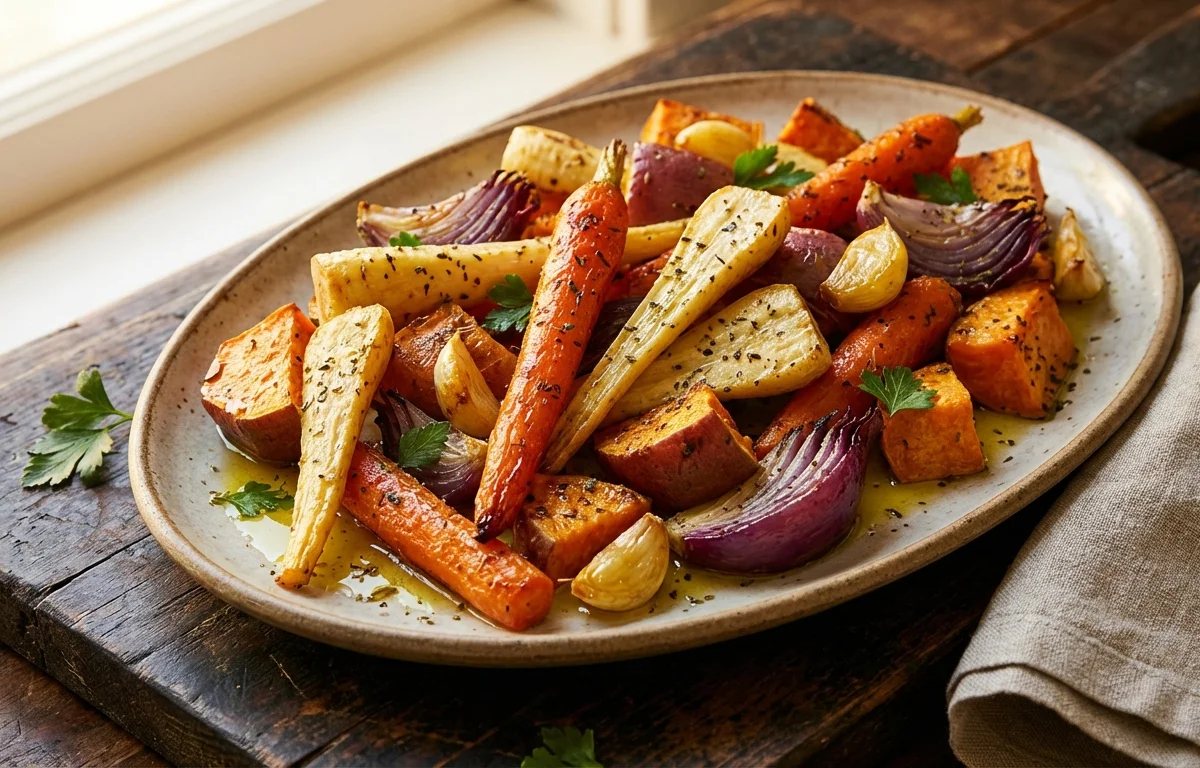
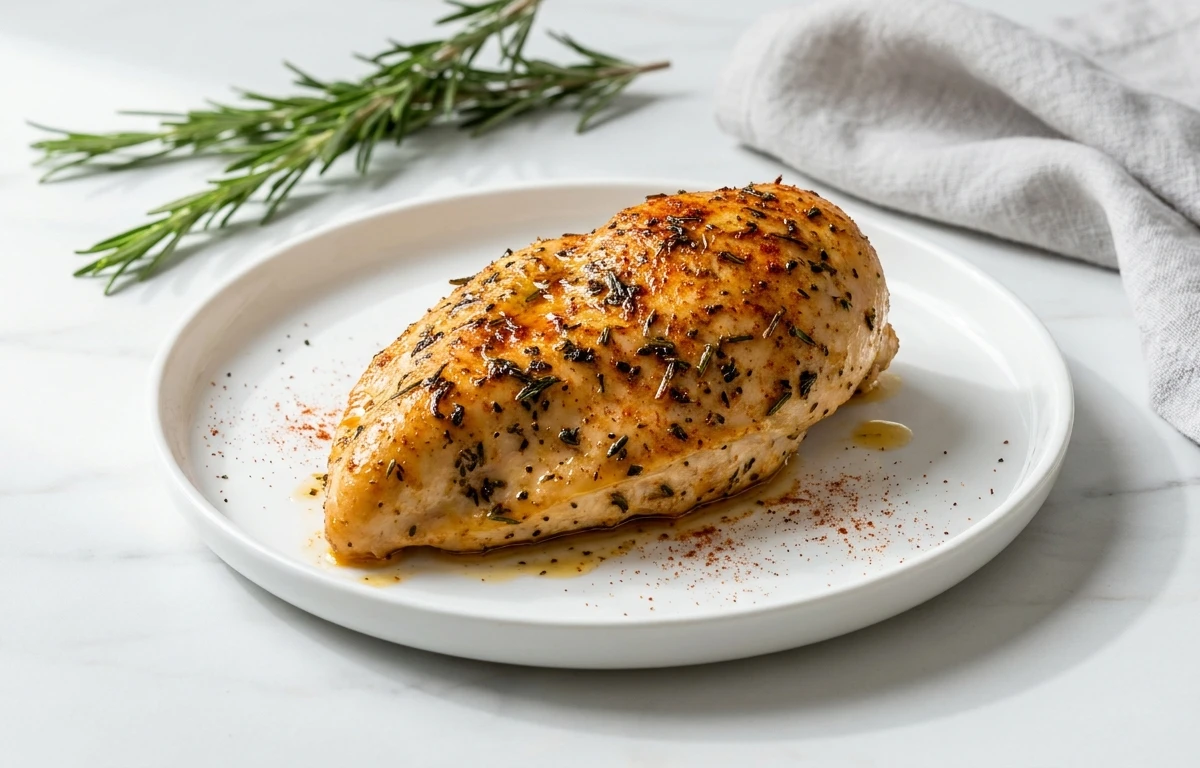
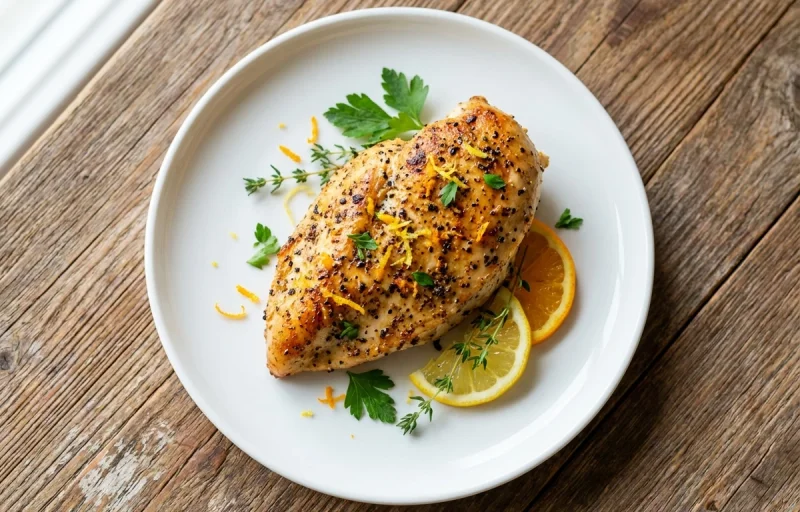
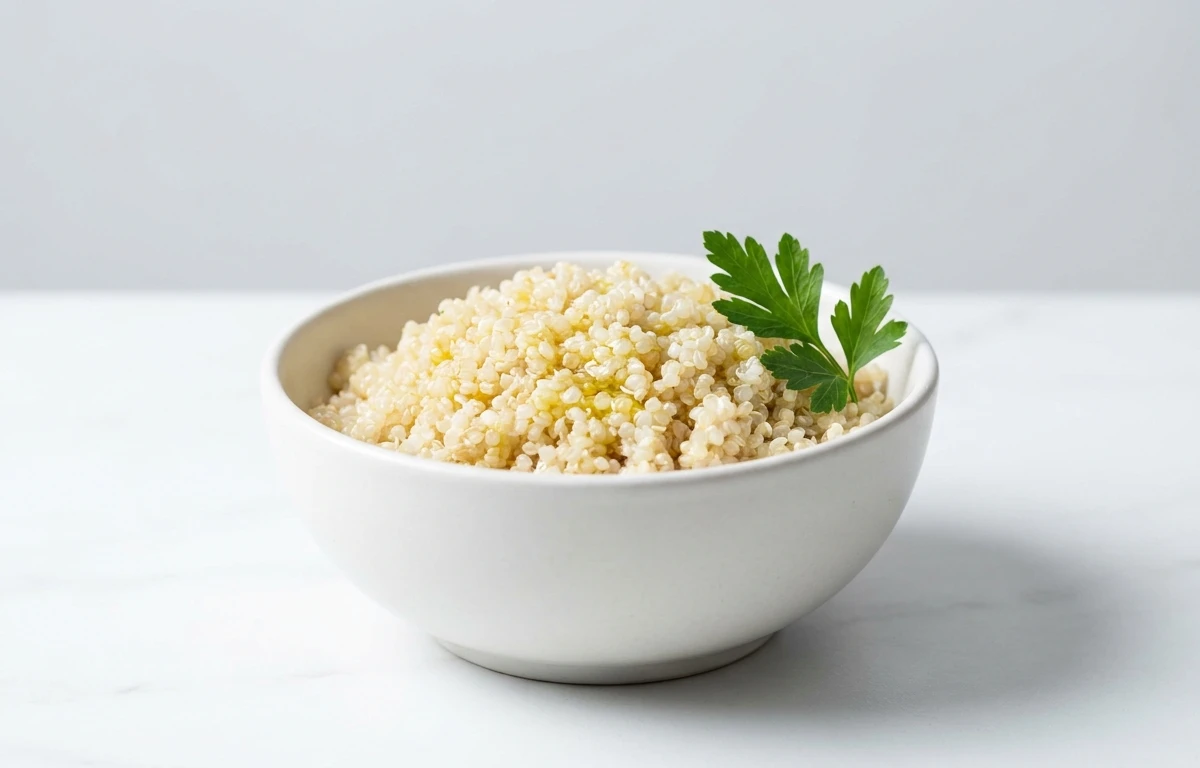
The Sunday-prep cornerstone meal. Roast the root vegetables at 425F until the edges are darkly caramelized — that browning develops the savory depth that the brain reads as 'seasoned,' replacing the need for salt. The chicken takes a rub of fresh rosemary, thyme, garlic, lemon zest, and black pepper (no commercial poultry seasoning — most carry 300-500 mg sodium per teaspoon). Cook the quinoa in unsalted water. Refrigerated, the chicken and vegetables hold 3-4 days; quinoa holds 3-5. Reheat to 165F internal [4].
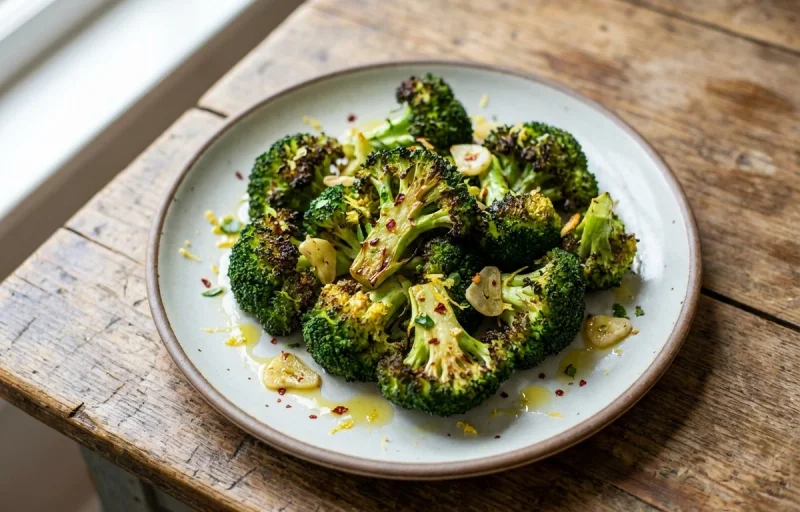
Focus on roasting vegetables until deeply caramelized to naturally enhance their sweetness and reduce the need for added salt. A squeeze of fresh lemon juice or a sprinkle of fresh herbs after cooking can brighten flavors without extra sodium.
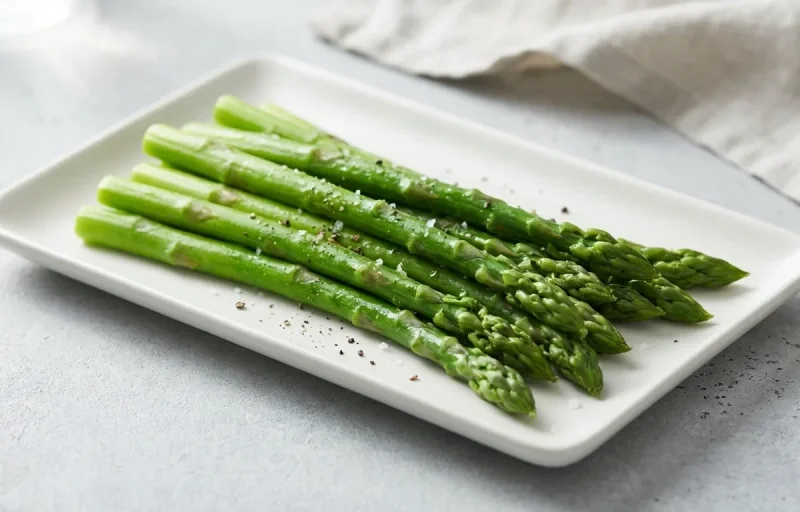
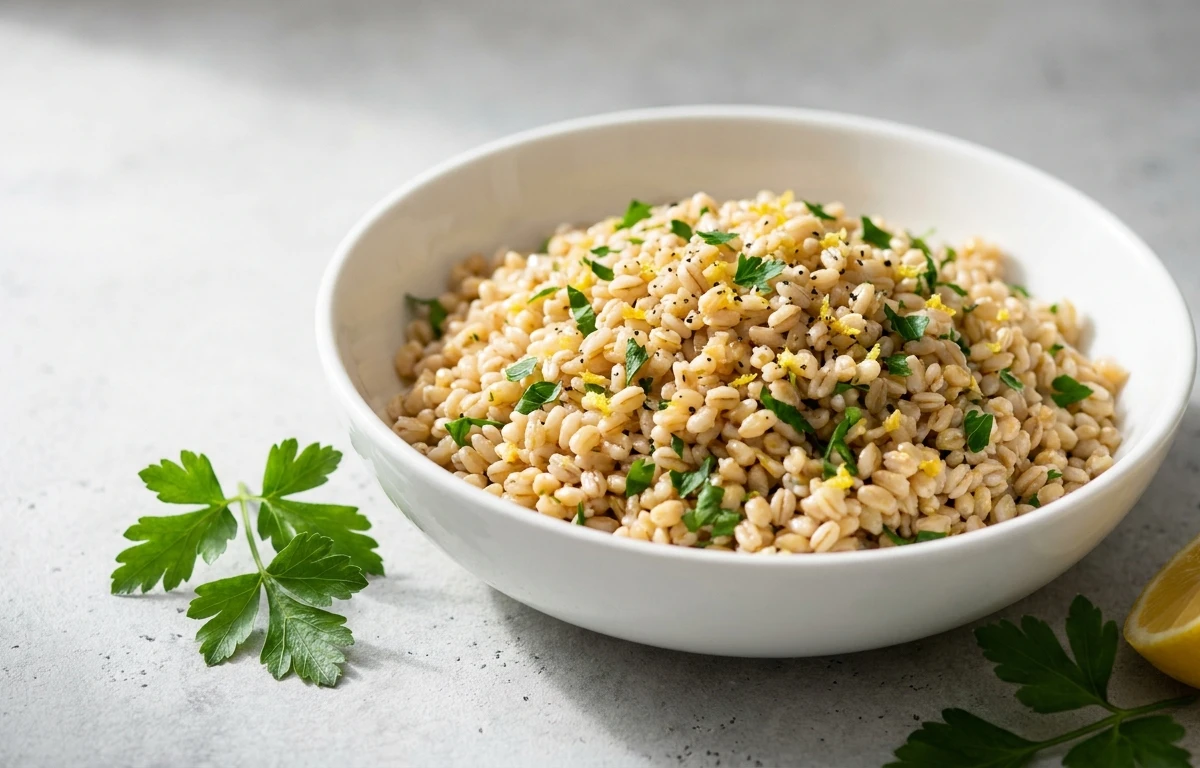
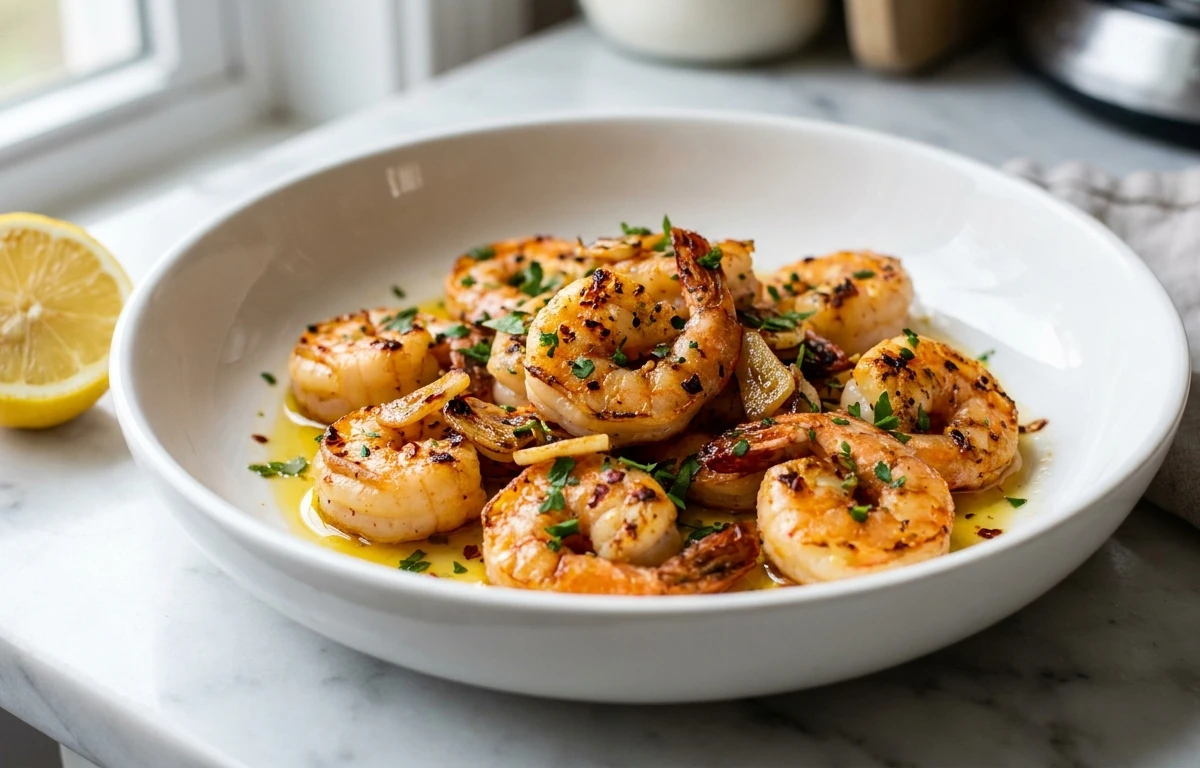
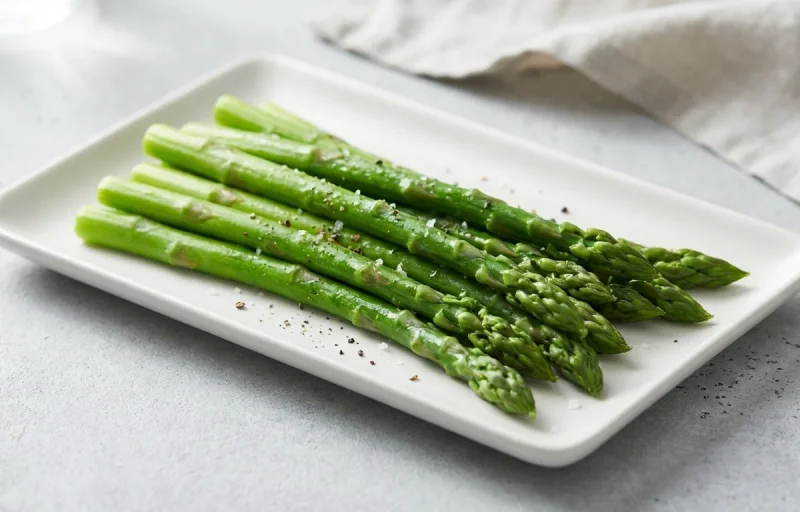
A weeknight assembly meal once the farro is cooked Sunday. Cook farro in unsalted water with a bay leaf for depth — most restaurant grains are cooked in heavily salted water, adding 200-400 mg of sodium per cup before any sauce. Sauté the shrimp fresh on the night you eat it (3 minutes); pre-cooked or brined shrimp can carry 500-800 mg of sodium per 3 oz. Steam the asparagus the day-of. Lemon zest, parsley, garlic, and a finishing squeeze of juice carry the seasoning.
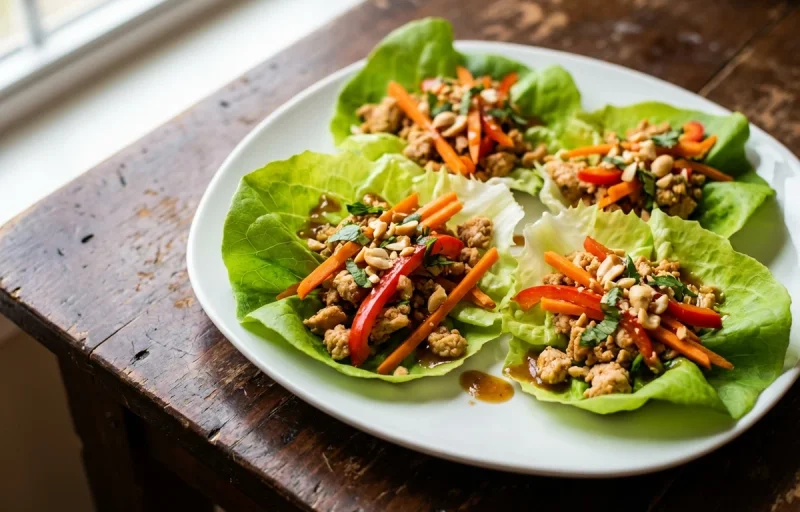
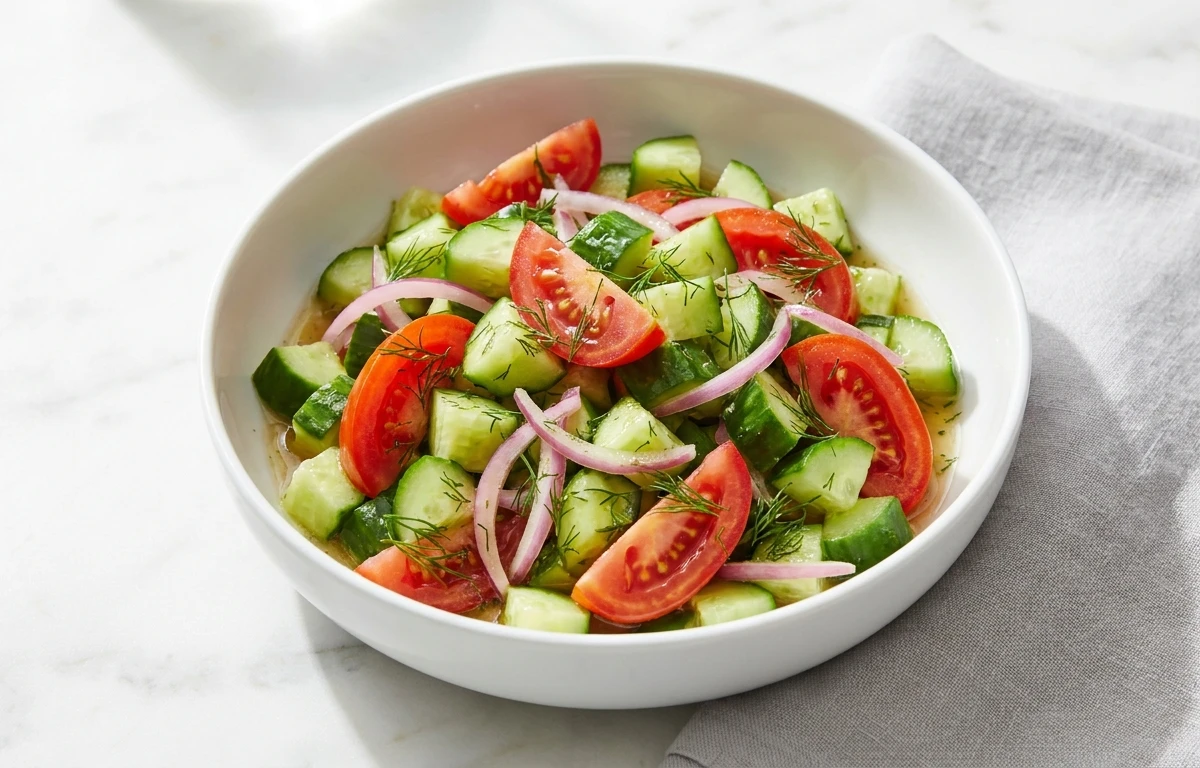
Excellent batch protein — bake a tray of 6-8 patties Sunday and they cover 3-4 lunches across the week. Use ground turkey (plain, not pre-seasoned — pre-seasoned ground turkey carries 300-600 mg sodium per 4 oz from broth solution) and bind with grated onion, garlic, cumin, smoked paprika, and black pepper. The fresh cucumber-tomato relish is made day-of and adds the acid and crunch that keeps the meal from tasting reheated. Patties hold 3-4 days refrigerated [4].
Enhance the natural flavors of the turkey patties with a generous amount of fresh herbs like parsley or cilantro. The acidity from the relish also provides a refreshing zing, reducing the need for salt.
181 CAL · 5G PROTEIN
2
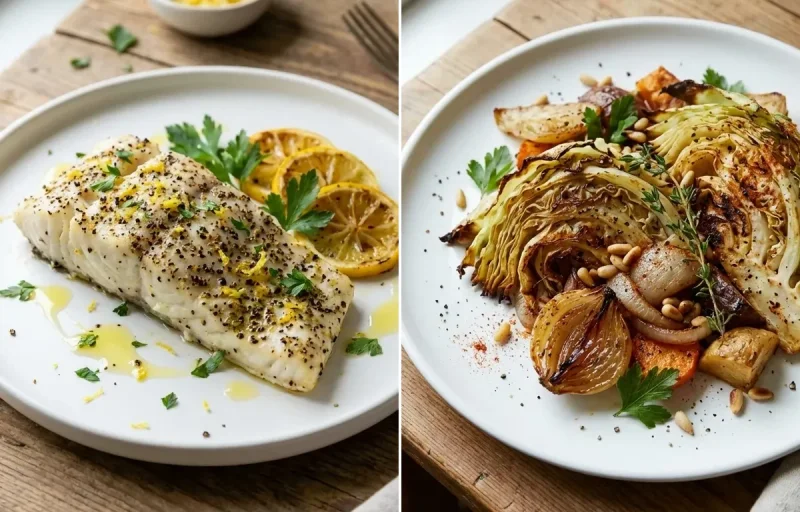
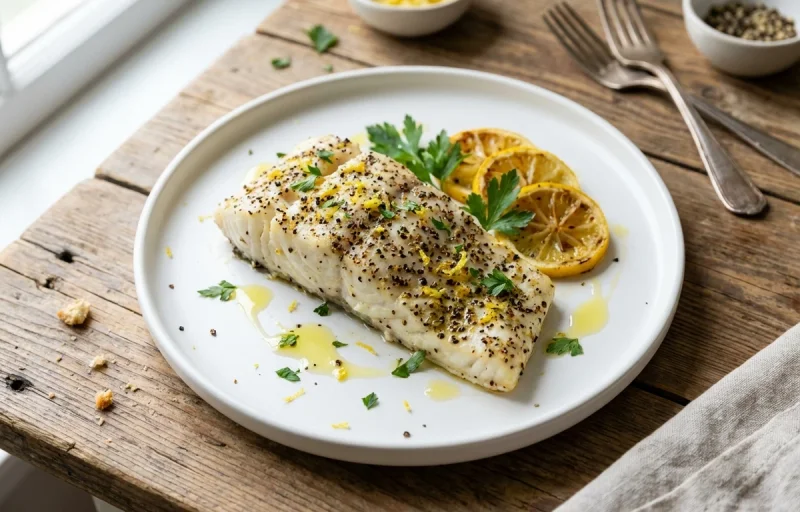
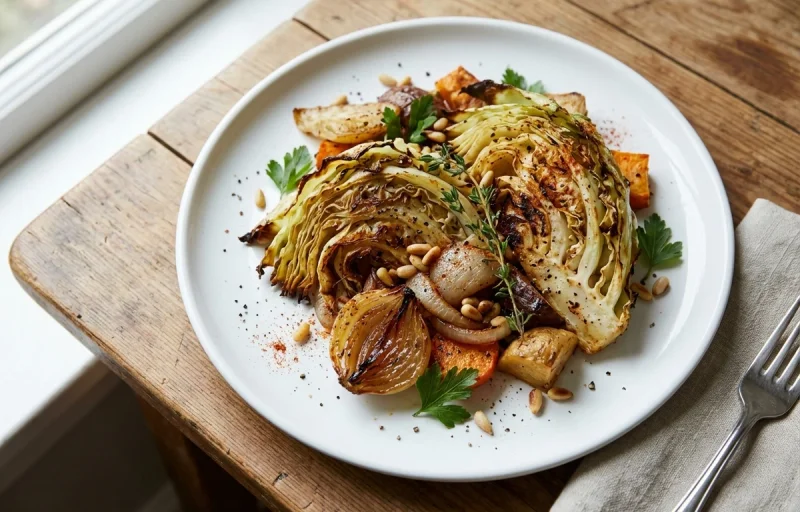
Cook fresh on a weeknight — cod takes 12 minutes and doesn't reheat well. The cabbage and onions, however, can be roasted Sunday and reheated under the cod. Roasting cabbage at 425F until the leaves are charred at the edges turns it surprisingly sweet, with no need for added salt. Season the cod with lemon zest, cracked black pepper, and a small finishing pinch of flaky salt at the plate (not in the rub) — about 200 mg of total added sodium for the whole plate.
Roasting vegetables like cabbage and onions until deeply caramelized brings out their natural sweetness and umami, creating rich flavor without needing added salt or butter.
95 CAL
2
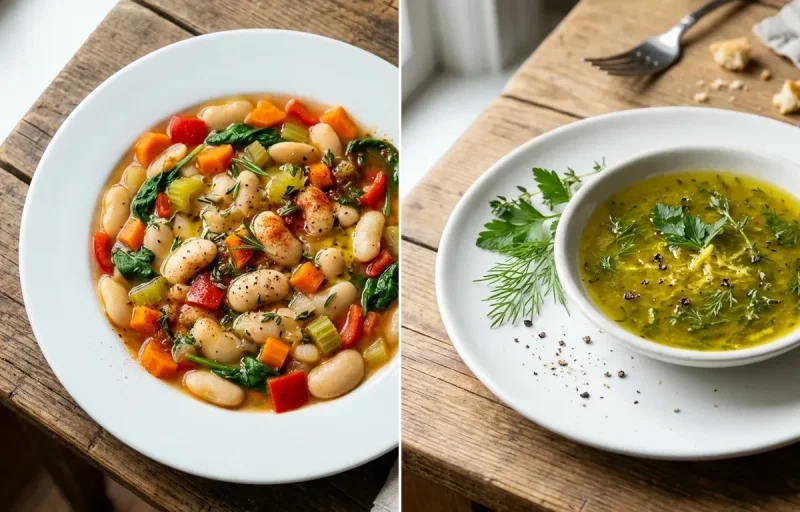
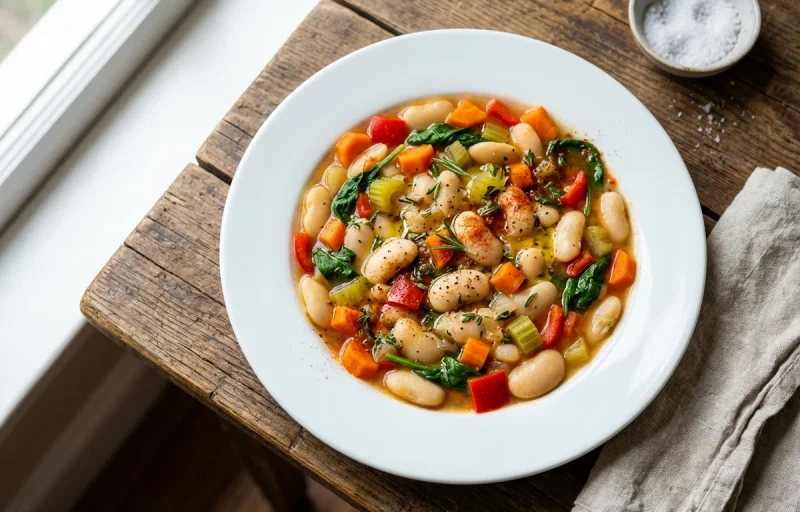
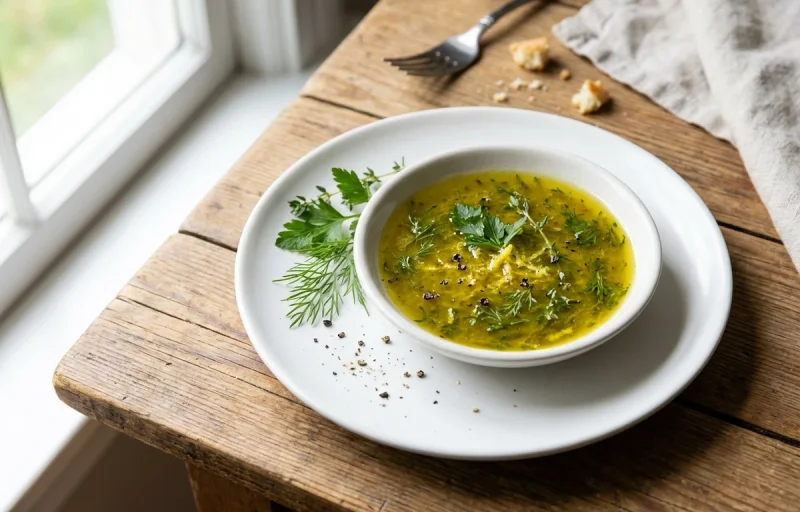
The fully-cold meal that holds best across the week. Use no-salt-added canned white beans, then drain and rinse for 10 seconds before mixing — even on no-salt-added beans, rinsing removes another ~40% of residual sodium. The vegetables (cherry tomato, cucumber, red onion, parsley) are mixed Sunday but the lemon-herb vinaigrette is stored separately in a small jar and added only at eating time, or the beans go mealy and the cucumbers weep. Holds 3-4 days refrigerated.
✓Excellent source of plant-based protein and fiber
✓Versatile to eat cold or warm
✓Flavor comes from fresh vegetables and herbs
FLAVOR TIP
To maximize flavor without excess sodium, always use fresh, vibrant herbs like parsley, dill, or basil, and add a generous squeeze of fresh lemon juice just before serving to brighten all the components.
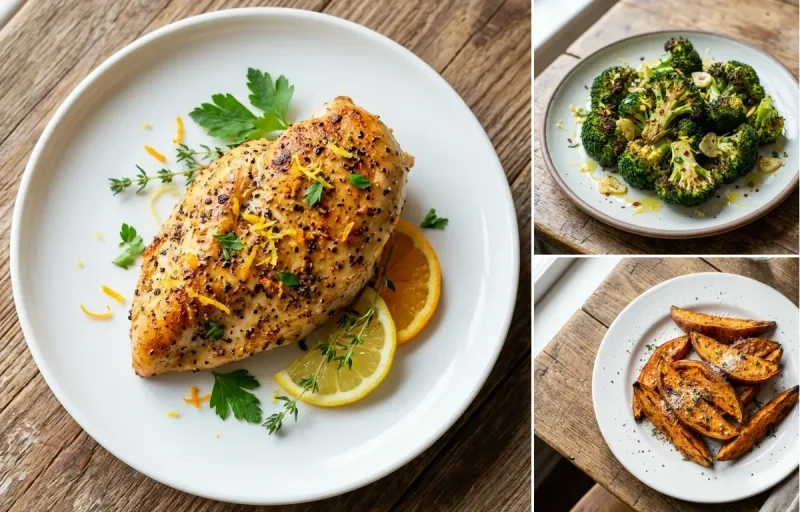
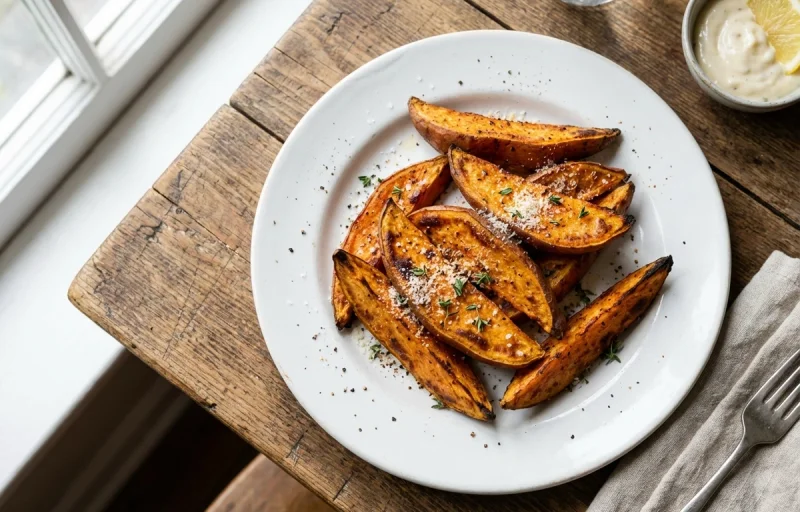
The component-prep philosophy in one meal: a neutral protein, a roasted vegetable, and a starchy side that all hold separately for 3-5 days [4]. The chicken takes only a rub of orange zest, smoked paprika, garlic, and black pepper so it pairs with three different sauces across the week (lemon-tahini Monday, herb vinaigrette Wednesday, a chipotle-yogurt sauce Friday). The natural sweetness of the roasted sweet potato and the char on the broccoli carry the seasoning.
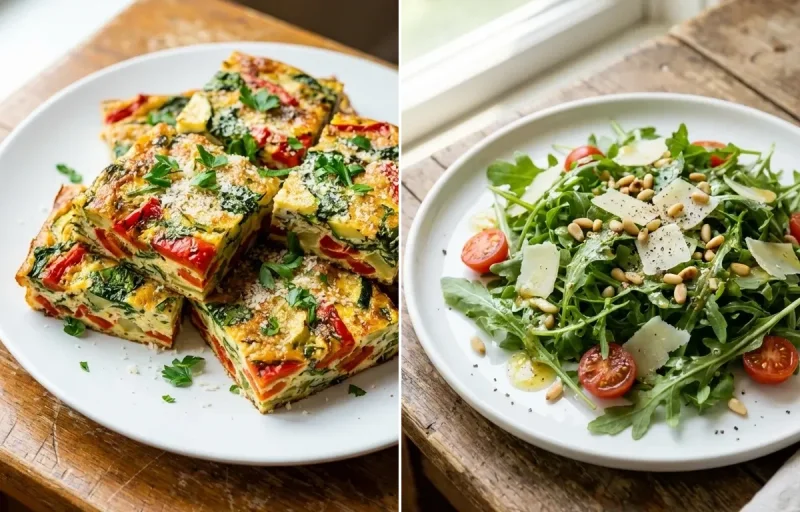
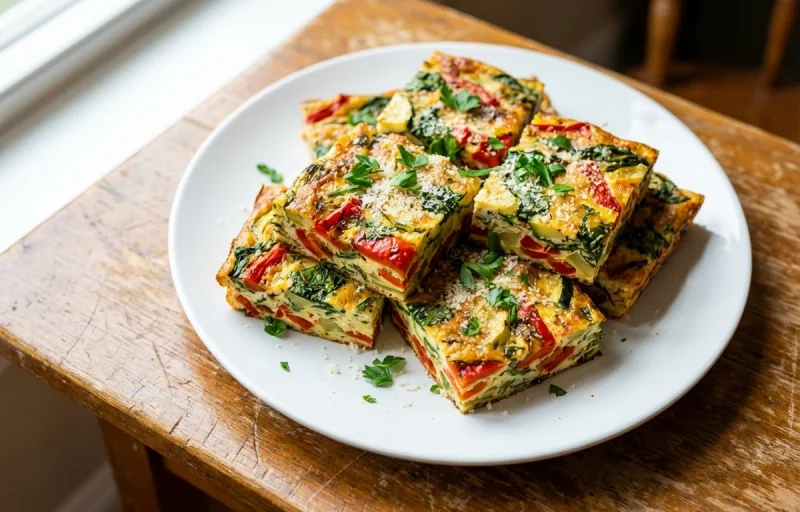
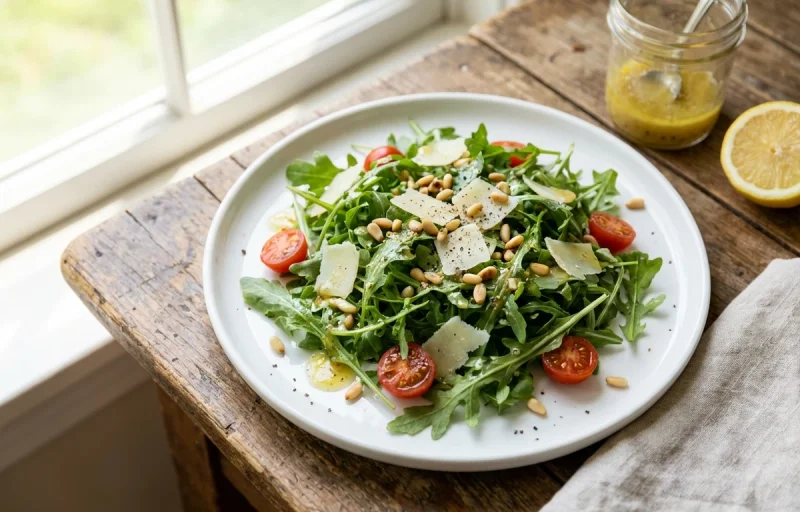
The clear-the-fridge meal at the end of the prep week. Use whatever roasted vegetables are left from Sunday — broccoli, peppers, onions, spinach — and bind with 8 eggs, a splash of unsalted milk, fresh herbs, and black pepper. Skip the cheese or use a small amount of grated parmesan (high flavor-to-sodium ratio). Bake at 375F until set, cool, cut into squares. Holds 3-4 days refrigerated. The fresh arugula salad with lemon vinaigrette is made day-of for crunch and acid.
To enhance the natural flavors without adding salt, finish the frittata with a generous sprinkle of fresh black pepper and a final squeeze of lemon juice just before serving. Roasting the vegetables slightly before adding to the eggs can also deepen their taste.
You are on a fluid restriction — broth-based or sauce-heavy meals need to be counted into your daily fluid total
!You are immunocompromised, pregnant, or feeding young children — the standard 3-4 day USDA FSIS refrigeration window [4] is the outside limit, not a target; eat sooner when feeding higher-risk household members
!You have hyponatremia or take medications (SSRIs, thiazide diuretics, carbamazepine) that already lower serum sodium — aggressive sodium restriction may be inappropriate without clinician guidance
ⓘ This guidance is general. Talk to a healthcare professional or registered dietitian for personalised dietary advice.