Dietary Lifestyle · 6 MIN READ
7 Low-Sodium Family Meals Everyone Will Love
Discover 7 low-sodium family meals with 5 easy meal plans. Learn to cook heart-healthy, flavorful dinners everyone loves. Start your healthy routine today!
Loading...
Discover 7 low-sodium family meals with 5 easy meal plans. Learn to cook heart-healthy, flavorful dinners everyone loves. Start your healthy routine today!
Most American families don't eat too much salt because they reach for the shaker. They eat too much salt because more than 70% of US dietary sodium comes preloaded into packaged and restaurant foods — bread, pizza, deli meat, cheese, sauces, soups, chicken nuggets, frozen meals — long before any seasoning happens at the dinner table. [1][2] The American Heart Association recommends adults stay under 2,300 mg of sodium a day, with an ideal target of 1,500 mg for most. [3] The numbers for kids are lower and bracket the family meal: the 2019 National Academies of Sciences (NASEM) Adequate Intake values are roughly 800 mg/day for ages 1-3, 1,000 mg for ages 4-8, 1,200 mg for ages 9-13, and 1,500 mg from 14 up. [4] On average, US children ages 2-18 already eat about 3,300 mg/day — over 40% more than the AHA target. [5]
The seven dinners below are built for that math. Each leans on fresh ingredients, naturally low-sodium produce, and flavor-from-cooking techniques (caramelization, aromatics, herbs and spices, acid) instead of canned soups, jarred sauces, or pre-seasoned mixes. The goal isn't a clinical low-sodium prescription — kid hypertension is uncommon, and this is mostly preventive eating for the whole household. Talk to your pediatrician about a target that fits your child's age, growth, blood pressure, and any medical history before treating these meals as a fixed plan. [6]
Sodium can easily add up in home cooking, often from surprising sources. Packaged broths, canned beans, pre-made sauces, and even bread can contain significant amounts of salt. Relying on these conveniences can push a meal’s sodium level far higher than you realize. The beauty of cooking from scratch is that it puts you in complete control. By using fresh ingredients and unsalted staples, you decide what goes into your food. This approach isn't about restriction; it's about empowerment. It allows you to build a foundation of flavor using fresh vegetables, herbs, and spices, making salt an optional finishing touch rather than a primary ingredient.
Family low-sodium cooking is less about deprivation and more about shifting where the salt comes from: less from a jar or a delivery box, more from a small finishing pinch you control. Build a pantry of unsalted canned beans, no-salt-added tomatoes, plain frozen vegetables, and unsalted broth; let the oven, the aromatics, and a squeeze of citrus do the heavy lifting; and give kids a small role in seasoning so they learn to taste before they salt. These seven meals are a starting framework, not a medical plan. Your pediatrician is the right person to set kid-specific sodium targets if your child has high blood pressure, kidney disease, a heart condition, or is on any medication that affects fluid or potassium balance. [3][6]

Kayte is a nutrition writer, food and recipe content creator, and wellness educator. She bridges evidence-based nutrition science with everyday cooking — translating research into practical recipes, meal ideas, and wellness habits that readers can actually use in their kitchens.
Meet the editorial team →Built using verified nutrition databases, culinary research, and traditional cooking knowledge — every claim is cross-referenced against the sources listed in the article. Last reviewed May 2026.
Articles are curated using trusted food databases (USDA FoodData Central, IFCT), culinary literature, and dietary guidelines, then structured by our editorial team for clarity, accuracy, and usefulness.
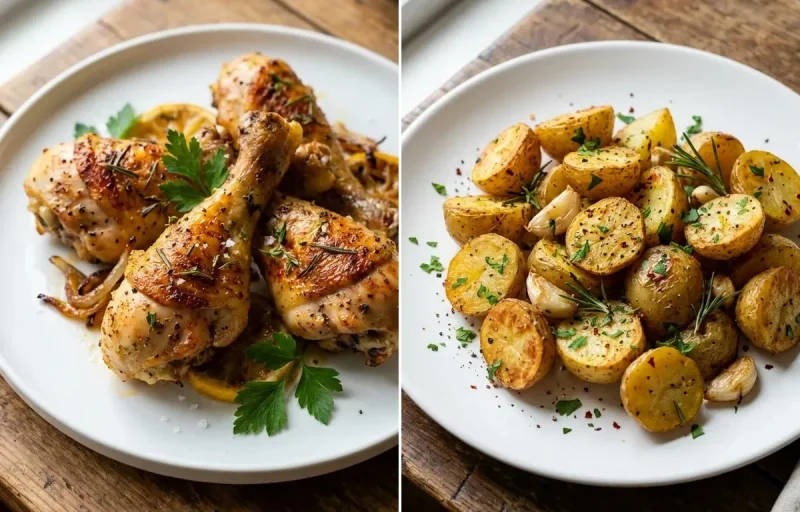
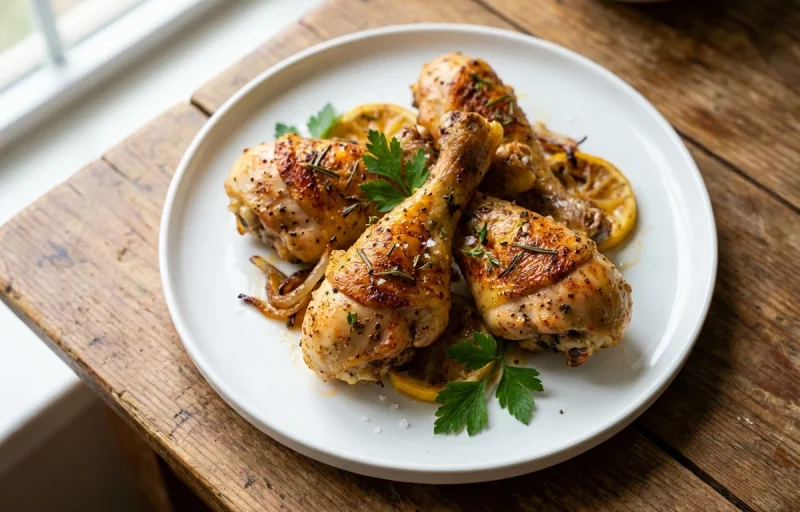
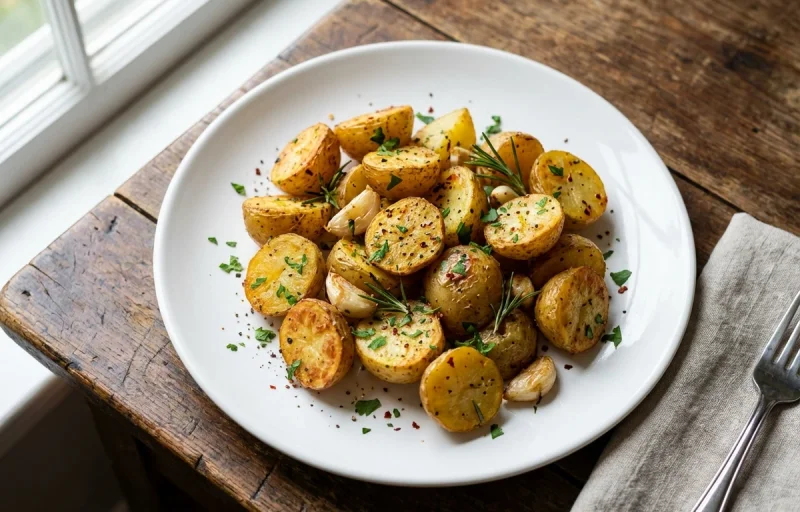
This meal is a family favorite for a reason. The high heat of the oven develops a deep, savory flavor in both the chicken and potatoes through caramelization, a process that makes food delicious without needing salt. It's a perfect example of how cooking technique can be a primary source of flavor.
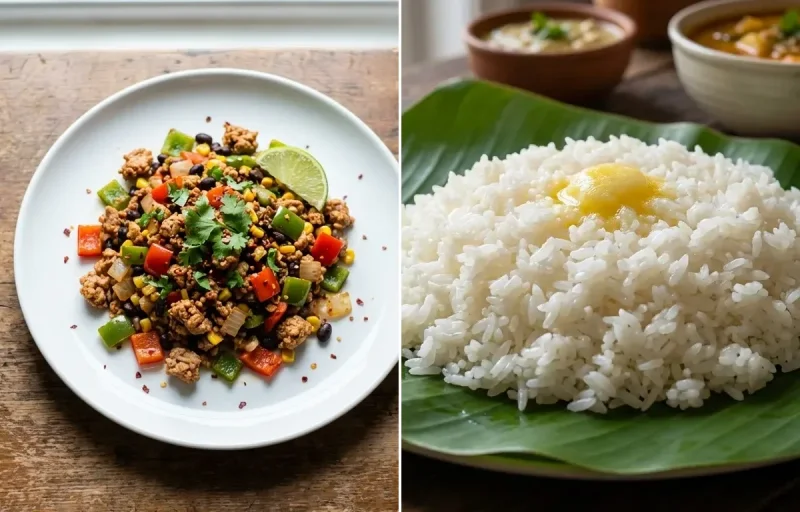
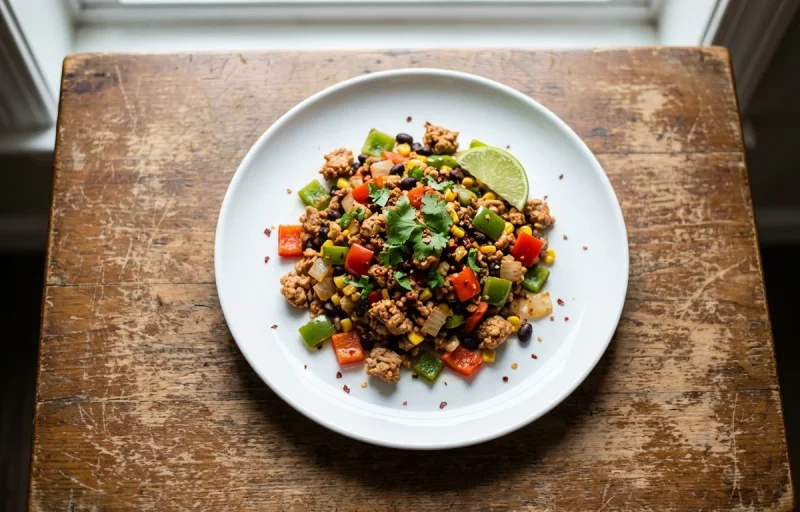
This 'bowl-style' dinner is incredibly adaptable and comes together quickly. The flavor is built with aromatic spices like paprika and cumin, which provide warmth and depth, eliminating the need for salty, pre-made sauces. Serving it over plain rice allows the flavors of the skillet to shine.
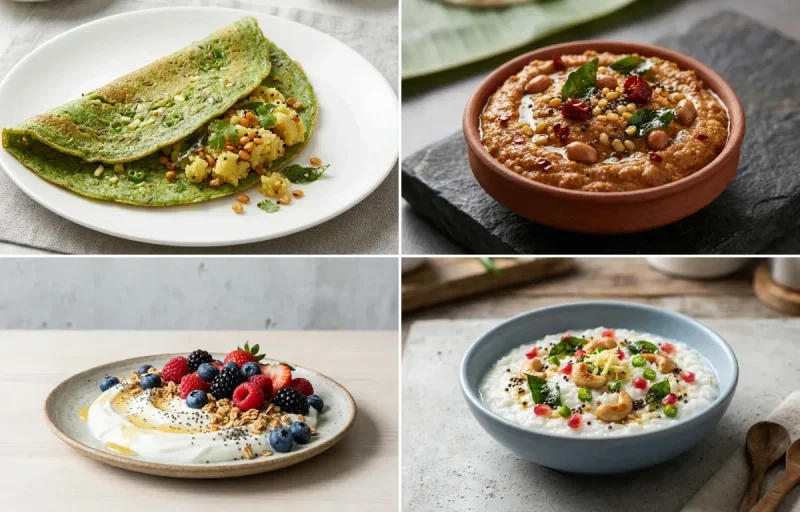
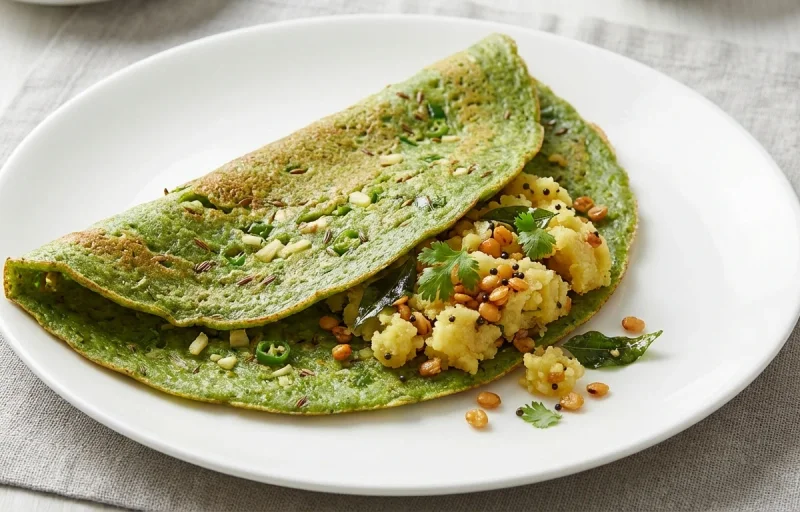
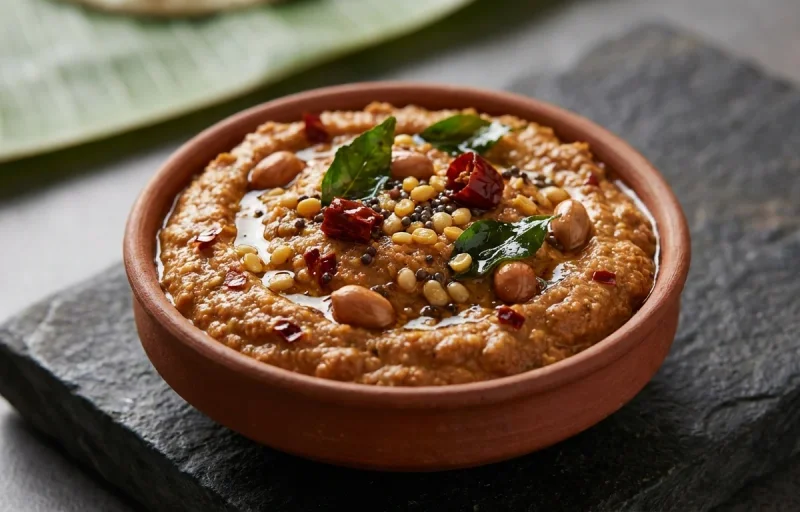
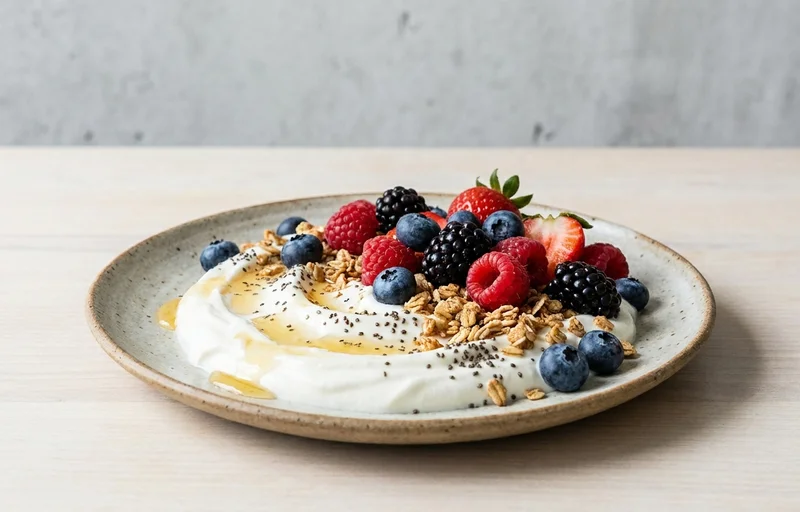
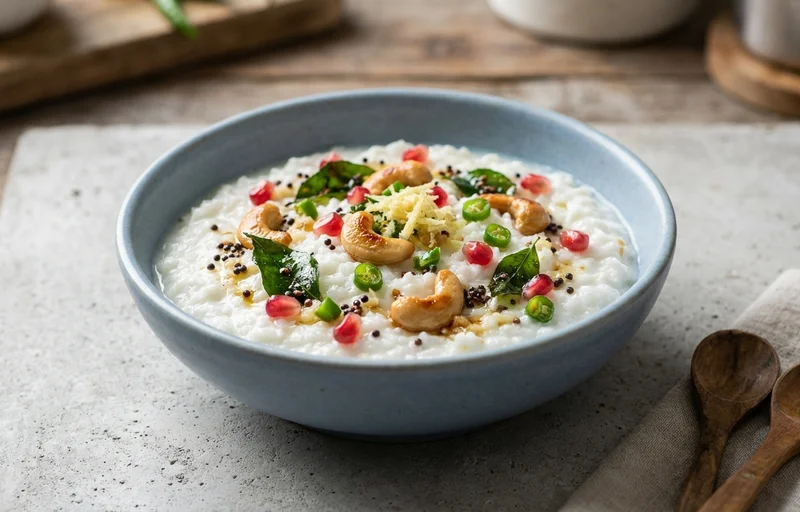
1 plate Pesarattu Upma · 1 tbsp Peanut Chutney · 1 bowl Yogurt Berry Bowl · 1 bowl Curd Rice Snack Bowl
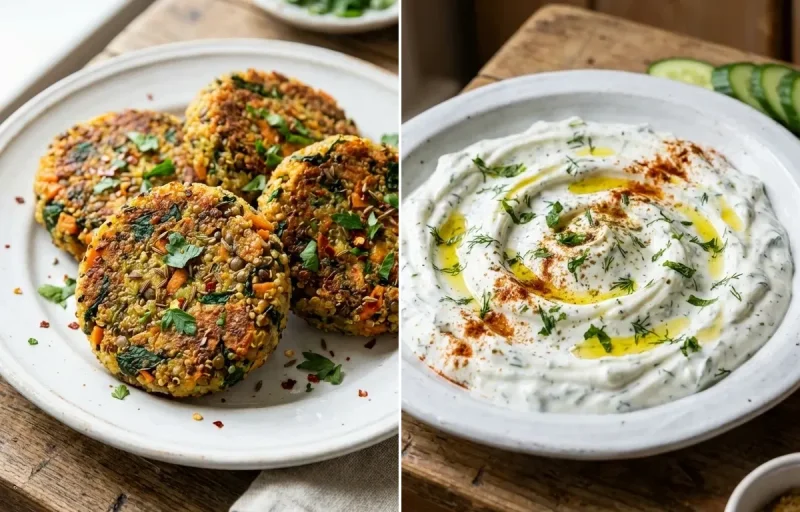
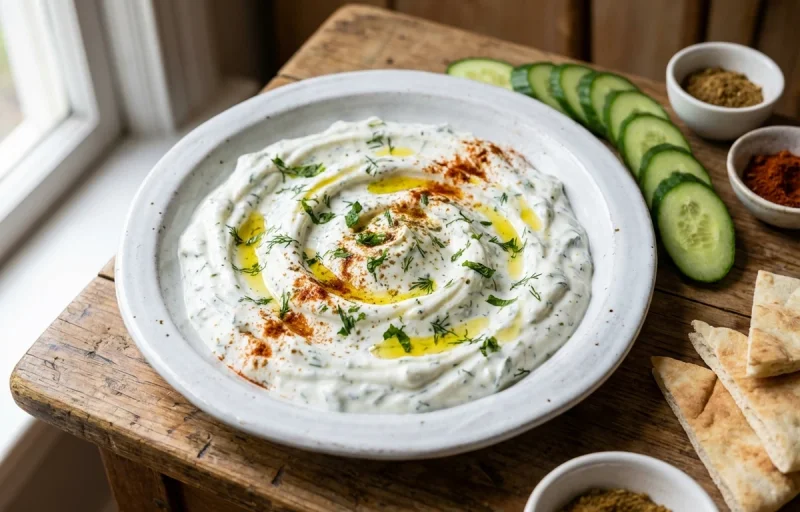
This finger-food style meal is engaging for kids and delicious for adults. Baking the patties instead of frying creates a firm, golden exterior without adding excess fat or requiring salt for crispness. The cool, tangy yogurt dip provides moisture and a bright flavor contrast that perfectly complements the earthy vegetables.