Dietary Lifestyle · 6 MIN READ
7 Complete Meals That Naturally Contain Very Little Sodium
Seven complete meals built from naturally low-sodium foods. Includes AHA 1,500-2,300 mg targets, label-reading tips, and a potassium-substitute safety note.
Loading...
Seven complete meals built from naturally low-sodium foods. Includes AHA 1,500-2,300 mg targets, label-reading tips, and a potassium-substitute safety note.
Most of the sodium in the typical American diet does not come from the salt shaker. The Centers for Disease Control and Prevention estimates that more than 70 percent of dietary sodium comes from packaged, processed, and restaurant foods, not from cooking at home. The easiest way to cut back, then, is not to fight salt at the stove but to start with meals built from foods that are low in sodium to begin with: fresh produce, whole grains, unprocessed proteins, plain dairy, and home-prepared sauces.
The American Heart Association recommends most adults aim for less than 2,300 mg of sodium a day, with an ideal target of 1,500 mg for people with high blood pressure, heart failure, or chronic kidney disease. The seven meals in this collection are designed around that arithmetic. Each leans on naturally low-sodium ingredients and flavor built from aromatics, acid, and herbs rather than salt or salty condiments. If you have been told to follow a sodium-restricted diet, use the targets your clinician gave you as the final word.
Sodium often sneaks into meals through processed ingredients, sauces, and pre-seasoned components—not from whole foods themselves. When meals are based on fresh ingredients, sodium levels stay lower without extra effort. Naturally low-sodium meals reduce decision fatigue. Instead of constantly adjusting or “fixing” dishes, you start with foods that already work. This makes cooking more consistent and enjoyable. Cooking style also plays a role. Meals that emphasize roasting, simmering, or simple assembly allow ingredients to shine on their own. When flavor comes from freshness, texture, and balance, salt becomes optional rather than essential.
Reducing sodium does not require a pantry overhaul or elaborate substitutes. It mostly requires choosing meals that begin low. When the foundation is whole grains, fresh vegetables, unprocessed proteins, and plain dairy, you can season confidently with herbs, citrus, vinegar, and aromatics and still come in well under the American Heart Association's 1,500 to 2,300 mg daily targets. Treat the seven meals here as a template, not a prescription. Read labels for the foods you do buy packaged, taste before you salt, and check in with your clinician about the specific sodium ceiling that fits your blood pressure, kidney function, or heart condition.

Kayte is a nutrition writer, food and recipe content creator, and wellness educator. She bridges evidence-based nutrition science with everyday cooking — translating research into practical recipes, meal ideas, and wellness habits that readers can actually use in their kitchens.
Meet the editorial team →Built using verified nutrition databases, culinary research, and traditional cooking knowledge — every claim is cross-referenced against the sources listed in the article. Last reviewed May 2026.
Articles are curated using trusted food databases (USDA FoodData Central, IFCT), culinary literature, and dietary guidelines, then structured by our editorial team for clarity, accuracy, and usefulness.
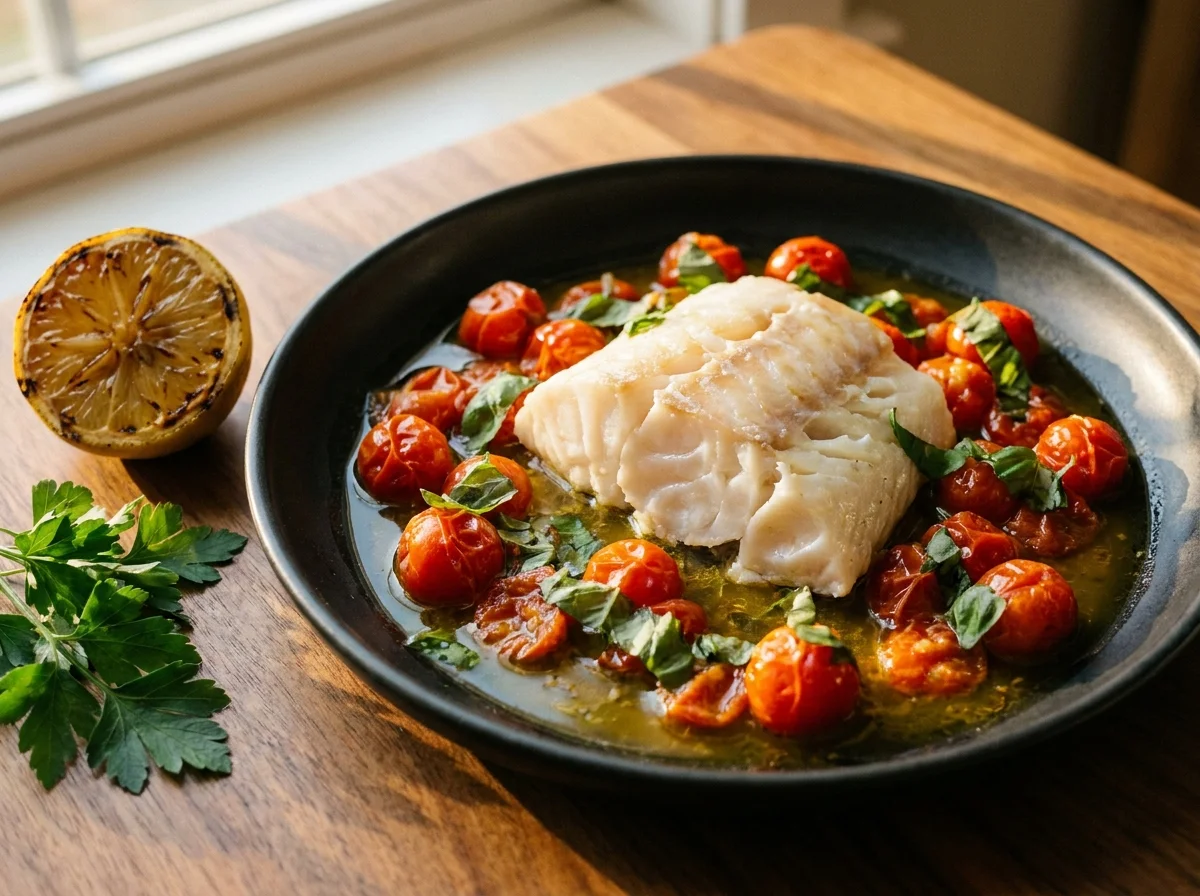
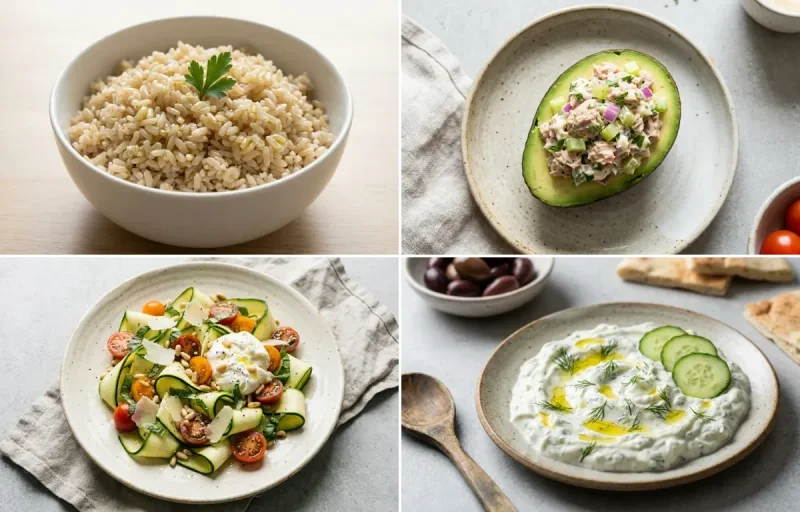
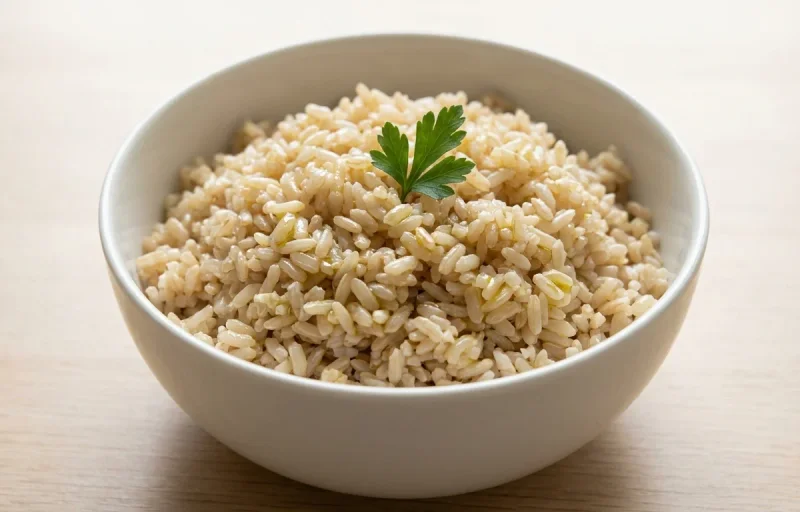
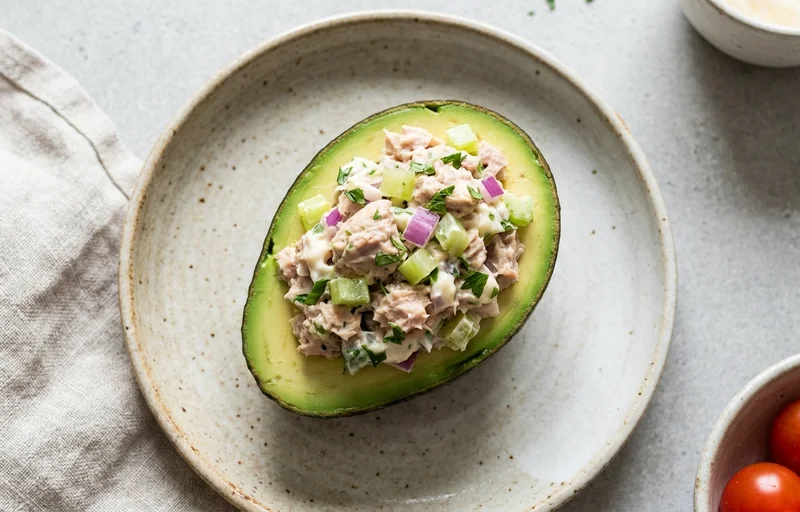
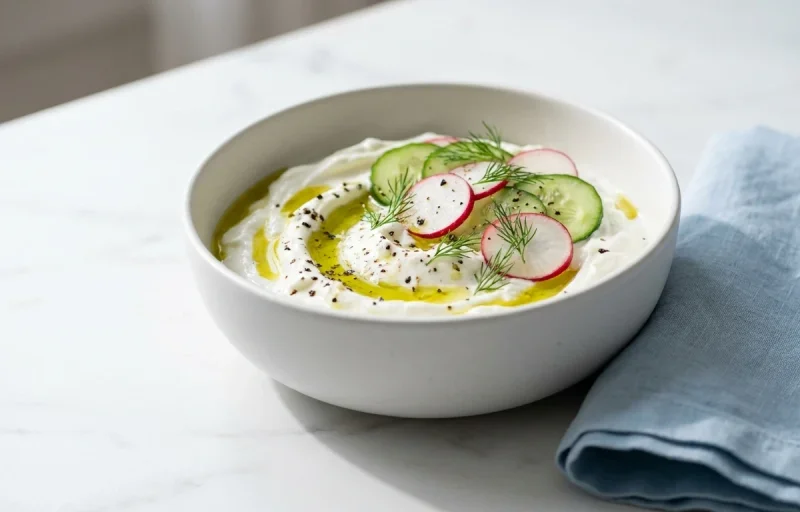
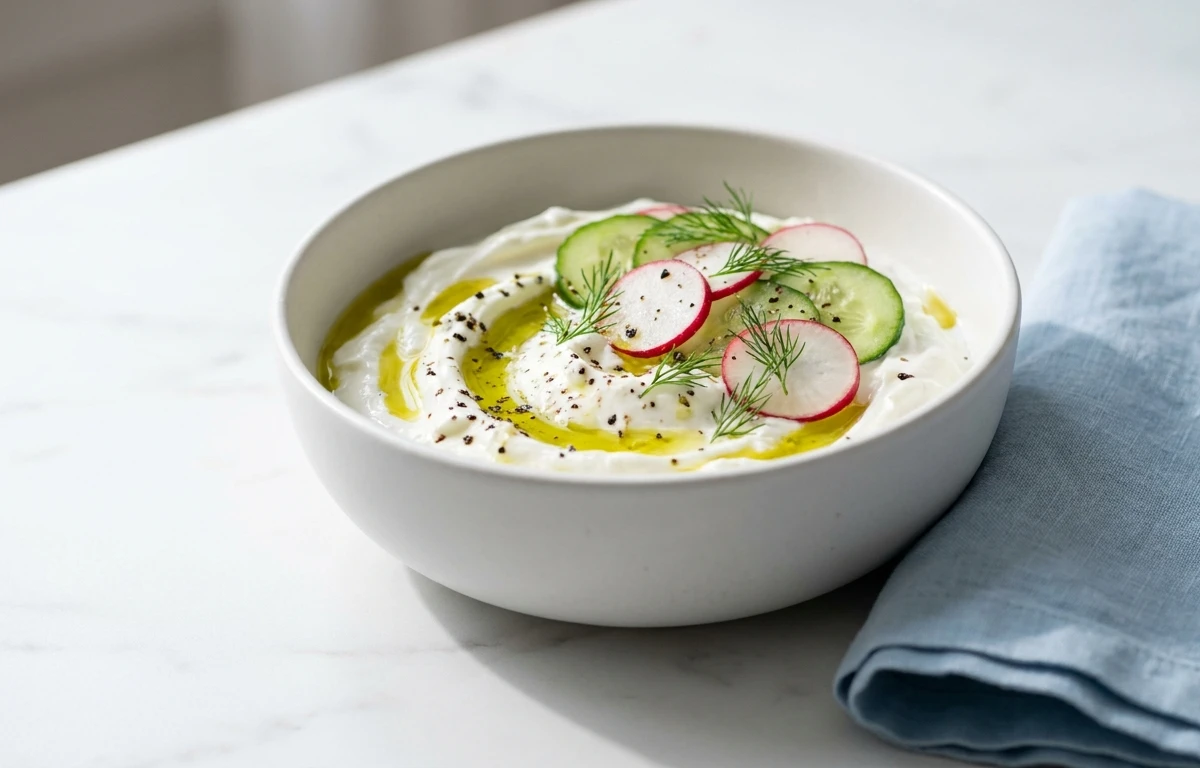
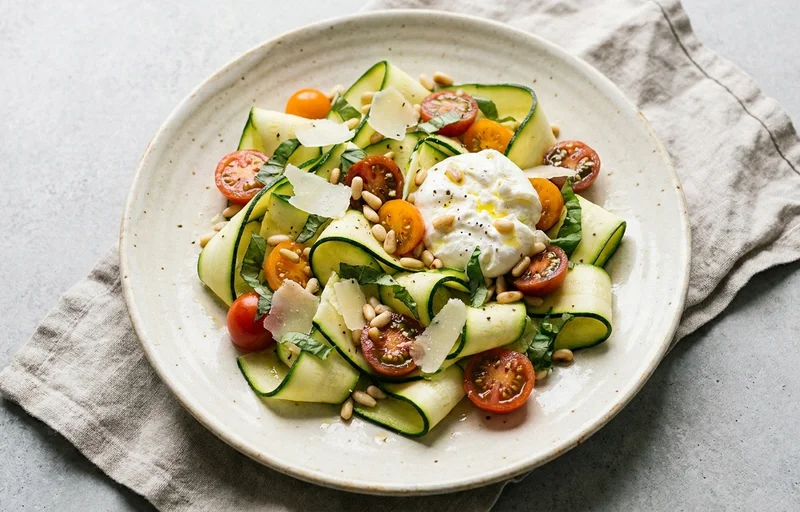
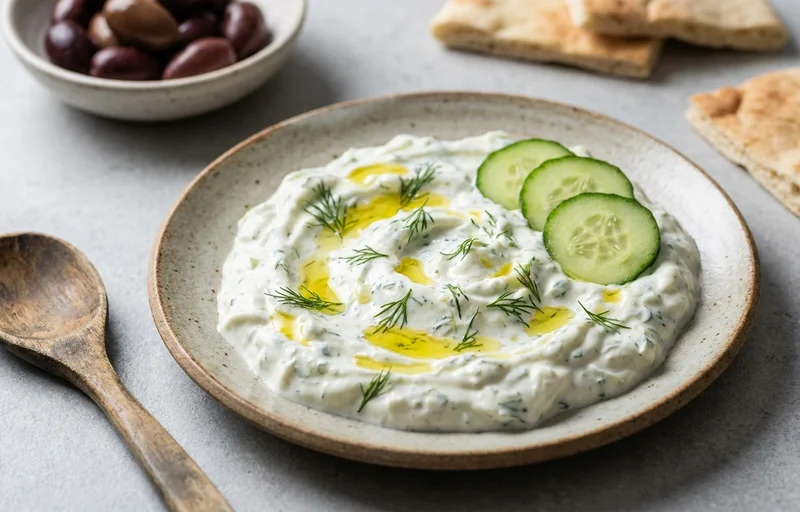
1 bowl Steamed Brown Rice · 1 bowl Keto Tuna Salad in Avocado Boat · 1 bowl Zucchini Ribbon Salad · 1 tbsp Tzatziki Sauce
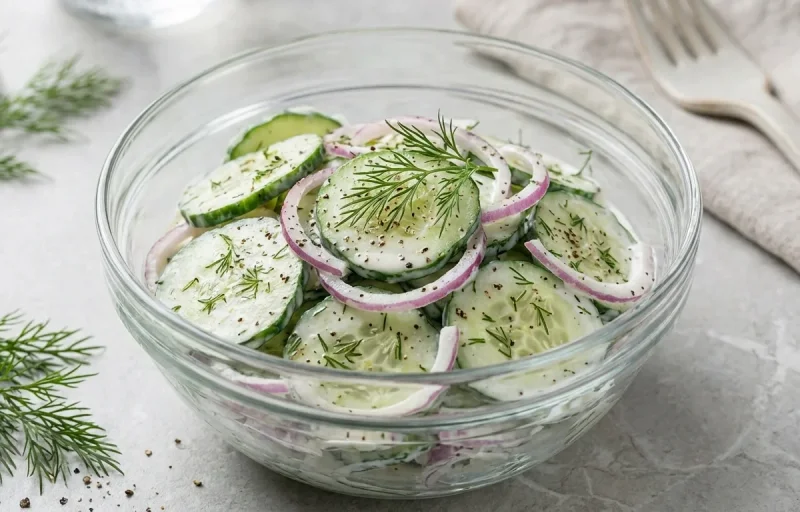
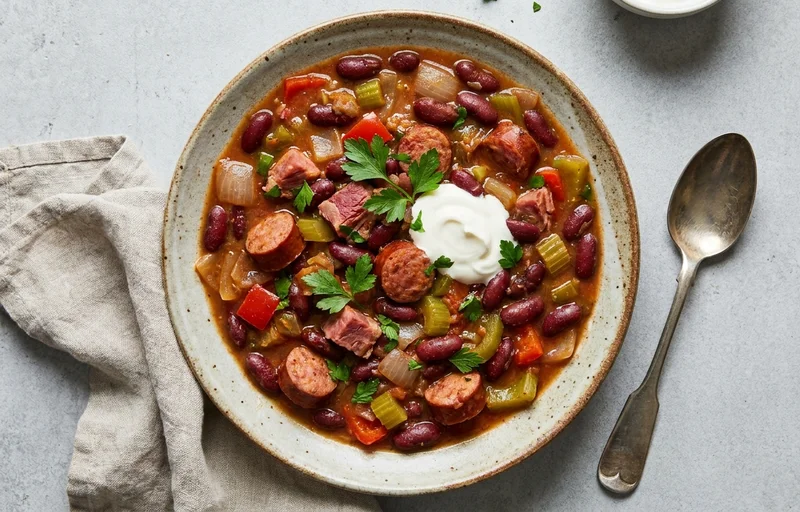
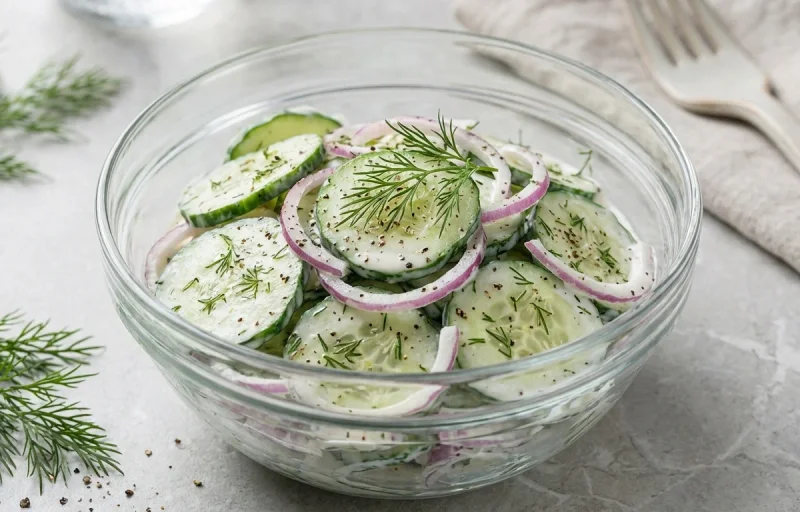
This meal combines plant-based protein and fiber from kidney beans with complex carbohydrates from millet for sustained energy, while the cucumber salad adds hydration and freshness for a perfectly balanced lunch.