Dietary Lifestyle · 6 MIN READ
7 Flavorful Low-Sodium Vegetarian Dinner Ideas
Discover 7 flavorful and satisfying low-sodium vegetarian dinner ideas. From roasted vegetable bowls to creamy stews, find easy recipes that don't rely on salt.
Loading...
Discover 7 flavorful and satisfying low-sodium vegetarian dinner ideas. From roasted vegetable bowls to creamy stews, find easy recipes that don't rely on salt.
This article is for home cooks who eat vegetarian and want to keep sodium low without making dinner feel like a punishment. The assumption that vegetarian meals are automatically low in salt is one of the most common pitfalls in plant-based eating: cheese, canned beans, jarred pasta sauce, packaged mock meats, soy sauce, miso, and bouillon are the four or five ingredients most vegetarian recipes lean on for flavor, and each one is a concentrated sodium source. The American Heart Association recommends an ideal limit of 1,500 mg of sodium per day for most adults and an upper limit of 2,300 mg — roughly one teaspoon of table salt total — yet the average American eats more than 3,300 mg, with over 70% of it coming from packaged and restaurant foods rather than the salt shaker. [1][2]
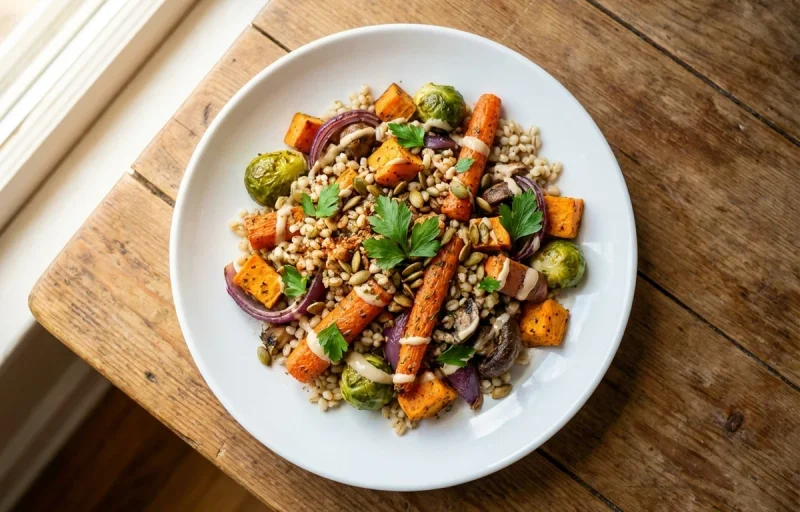
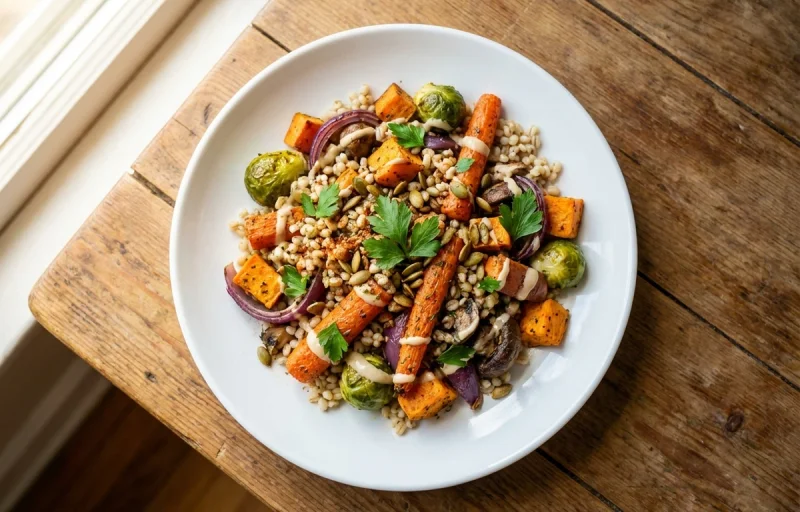
The seven dinners below are built around whole vegetables, dry-cooked legumes, intact grains, and finishing techniques — roasting, citrus, vinegar, fresh herbs, toasted spice — that build flavor without leaning on salt. Each is designed to land comfortably under roughly 600 mg of sodium per serving, leaving room in the daily budget for breakfast, snacks, and an unsalted slice of bread. None of this replaces individualised guidance from a clinician or registered dietitian; if you have hypertension, heart failure, chronic kidney disease, or are pregnant, ask your care team what your sodium target actually is.
Vegetarian cooking often depends on convenience products to add flavor quickly. Items like bottled sauces, seasoning mixes, and processed plant proteins can dominate a dish and reduce control over seasoning. When sodium is reduced, cooking technique matters more. Roasting, simmering, and sautéing bring out natural sweetness and depth in vegetables and grains. Herbs, spices, and acidity finish the dish without overwhelming it. Choosing vegetarian meals that are designed to work without added salt makes cooking easier. Instead of constantly adjusting or “fixing” food, you start with ingredients and methods that already taste good. That consistency is what helps these meals stick.
Low-sodium vegetarian cooking is mostly a sourcing exercise: dry beans cooked at home instead of canned, fresh herbs and citrus instead of jarred sauces and bouillon, plain tofu or tempeh instead of seitan or packaged mock meats, and grated parmesan or feta used sparingly as a finishing accent rather than a base ingredient. Technique closes the gap — roasting concentrates sweetness, acid sharpens flavor, toasted whole spices add depth no salt shaker can. A note of caution: 'lite' or 'no-salt' substitutes sold for blood-pressure control are usually potassium chloride, which is unsafe for anyone with chronic kidney disease or on ACE inhibitors, ARBs, or potassium-sparing diuretics without a clinician's sign-off. [3] Treat these seven dinners as a starting template, and consult your clinician for your specific sodium target — it may be tighter than the 2,300 mg general ceiling.

Kayte is a nutrition writer, food and recipe content creator, and wellness educator. She bridges evidence-based nutrition science with everyday cooking — translating research into practical recipes, meal ideas, and wellness habits that readers can actually use in their kitchens.
Meet the editorial team →Built using verified nutrition databases, culinary research, and traditional cooking knowledge — every claim is cross-referenced against the sources listed in the article. Last reviewed May 2026.
Articles are curated using trusted food databases (USDA FoodData Central, IFCT), culinary literature, and dietary guidelines, then structured by our editorial team for clarity, accuracy, and usefulness.
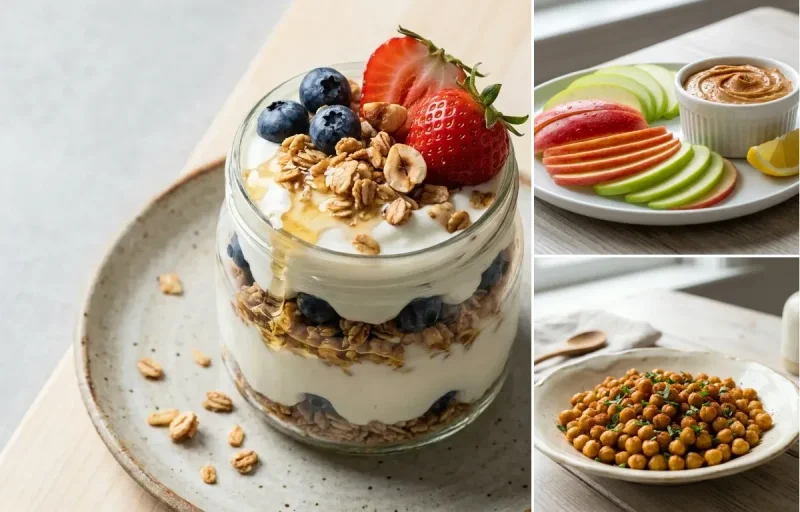
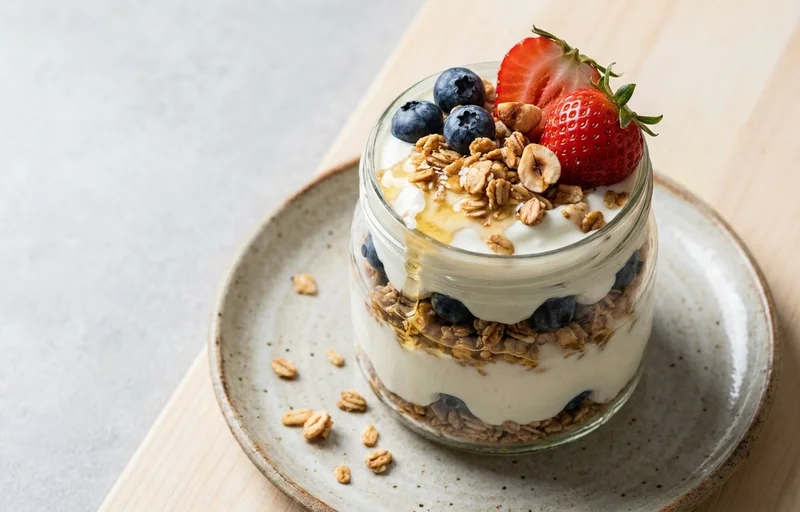
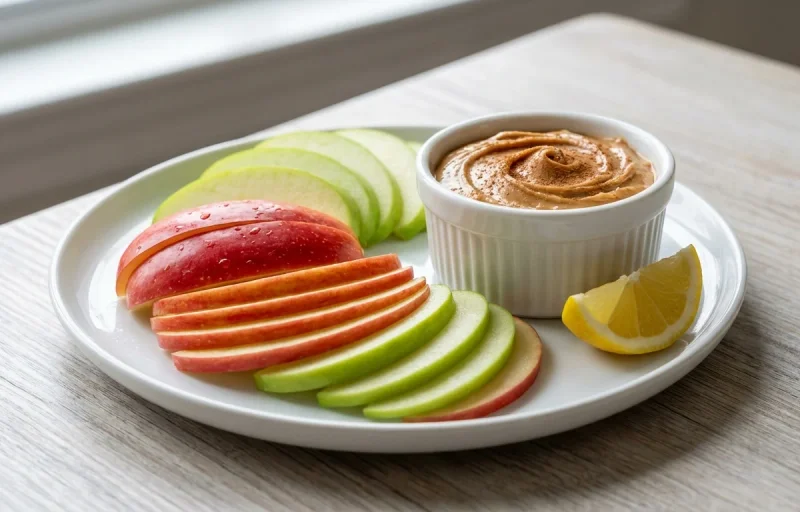
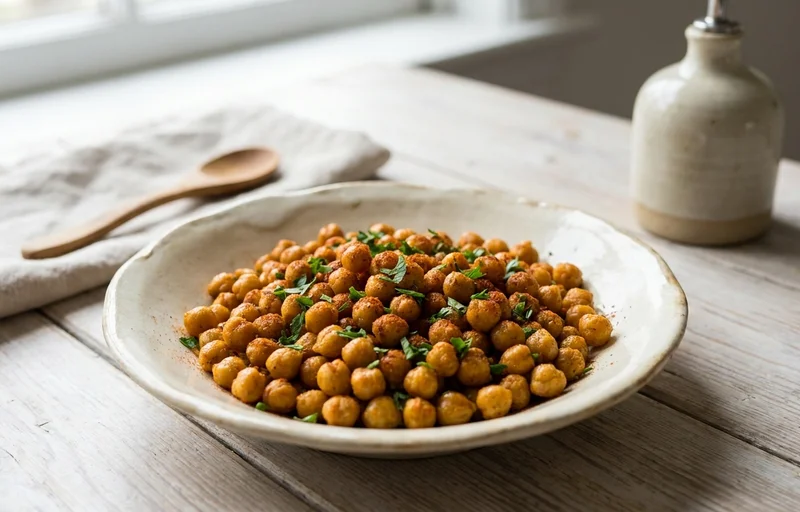
1 katori Greek Yogurt Cup · 1 bowl Apple Slices with Peanut Butter · 1 bowl Roasted Spiced Chickpeas
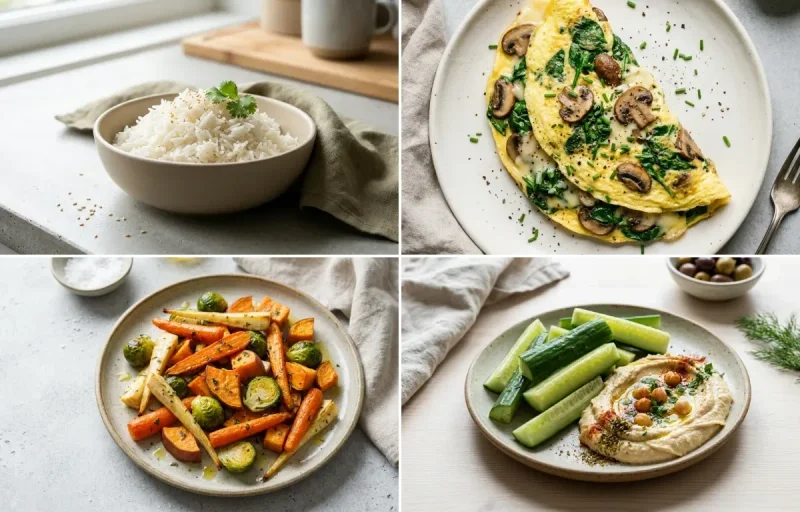
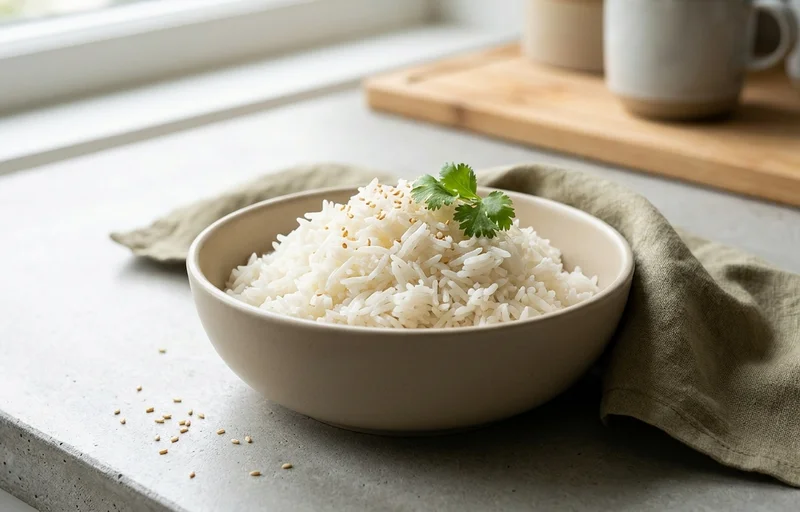
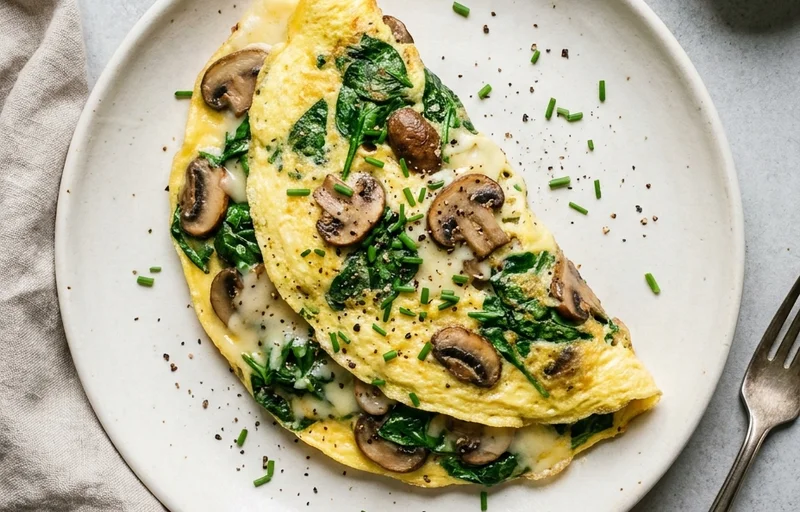
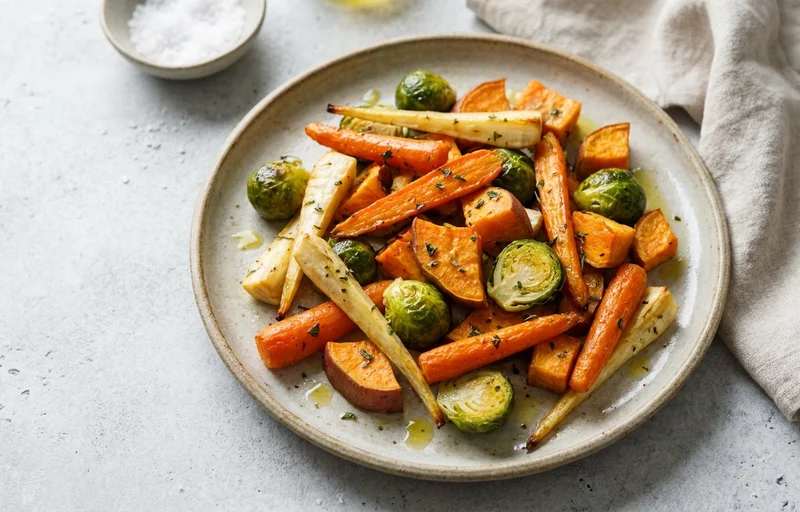
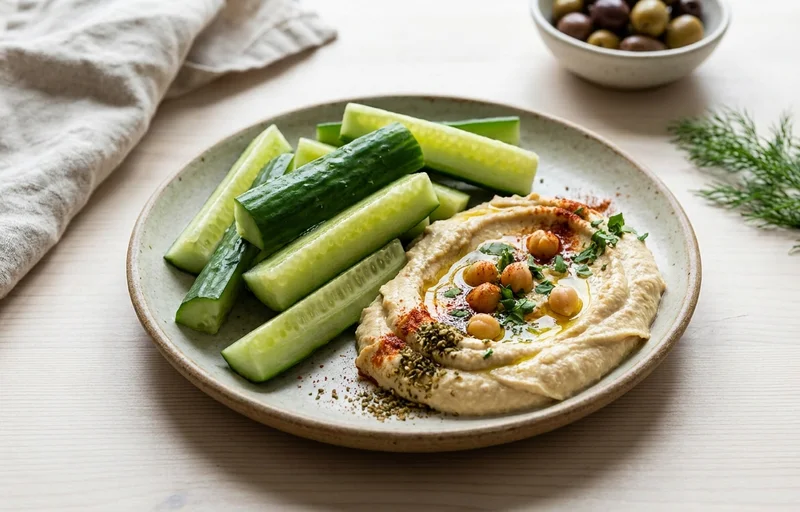
1 cup Cooked White Rice Half Cup · 1 pcs Spinach Mushroom Omelet · 1 bowl Roasted Veg · 1 bowl Cucumber Sticks Hummus
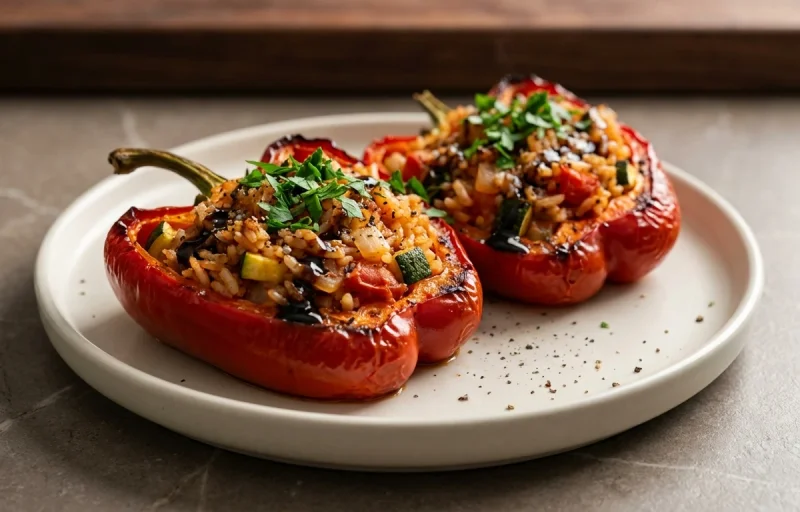
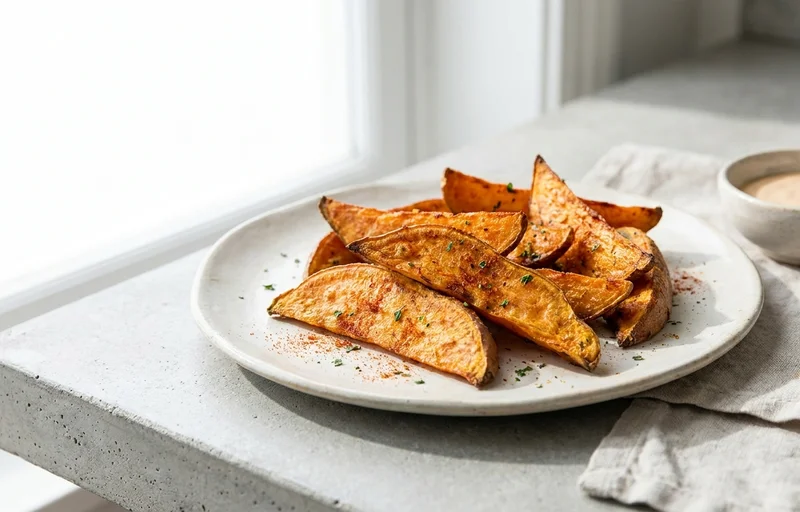
1 pcs Stuffed Bell Peppers · 1 bowl Vegan Sweet Potato Wedges Baked