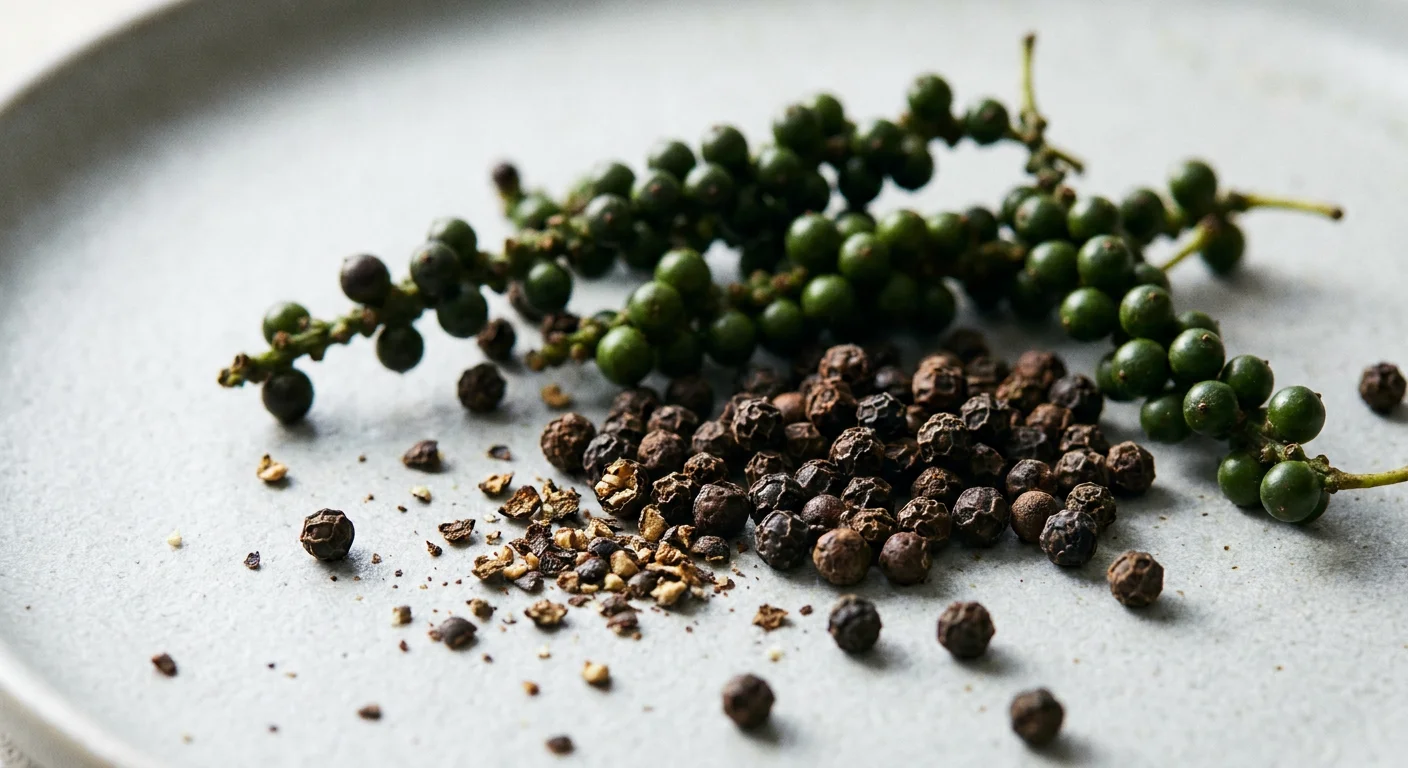
That tiny sprig of thyme on your plate? It’s easy to dismiss as a fancy garnish, but you'd be missing the point. Thyme is one of the most potent herbs in the kitchen, not just for its earthy, peppery flavor, but for what's packed inside those tiny leaves. In realistic amounts, it's a freebie—all flavor, no real calories. But if you look at it gram-for-gram, it's a surprisingly dense source of fiber and vitamin C. It's a stealth health food hiding in plain sight on your spice rack.
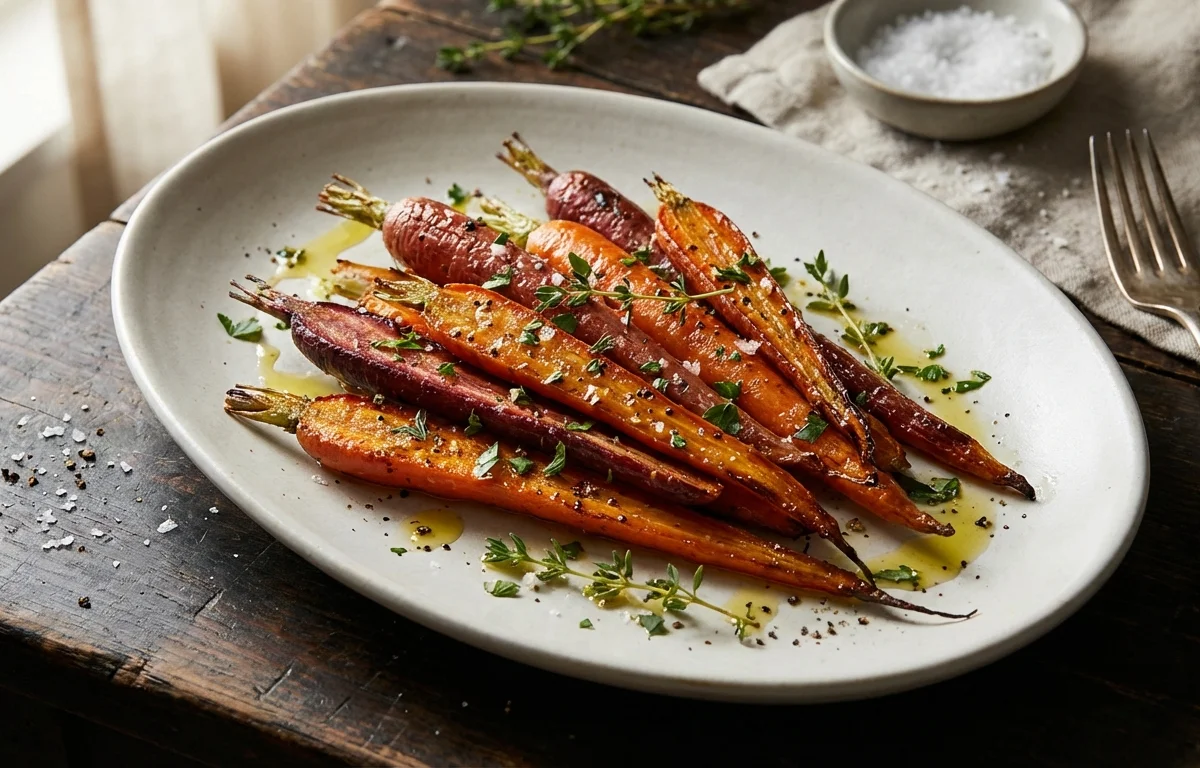
↑ Fresh thyme brings an earthy aroma that dried thyme captures perfectly.
The kitchen's quiet workhorse
Think about the smell of a roast chicken, a simmering lentil soup, or a good Italian tomato sauce. Chances are, you're smelling thyme. It's one of those foundational flavors we rely on, but we rarely think of it as 'health food'. That's a mistake.
While you'd never eat 100 grams of it at once, looking at the nutrition for that amount shows you what's concentrated in the leaves. It's a massive amount of fiber and a solid hit of vitamin C. In the real world, a teaspoon or two adds up, contributing to your daily intake of micronutrients without you even noticing.
IN ONE LINE
Thyme is a low-calorie, high-fiber herb packed with vitamin C and flavor, perfect for cutting back on salt without sacrificing an ounce of taste.
Thyme nutrition facts
The official nutrition facts are for 100 grams of dried thyme, which is... a lot of thyme. You'd find that much in a large jar at the supermarket. It's not a realistic serving, but it shows what the herb is made of. A more typical serving is one teaspoon (~1 gram), so you can divide these numbers by 100 to see what you're adding to a single dish.
The number that jumps out is the fiber: 37 grams! That's more than you need in a whole day. Of course, you're not eating 100 grams of thyme, but it shows that what looks like a simple leaf is actually a dense bundle of fibrous plant matter. The vitamin C is also impressive, with over half your daily value in that 100g amount. Every sprinkle contributes.
Thyme's Glycemic Index
There's no official glycemic index for thyme, and for good reason: it's irrelevant. To have a measurable effect on your blood sugar, a food needs to contain a decent amount of digestible carbohydrate, and you need to eat enough of it. Thyme used in cooking fails on both counts. It's mostly fiber, and you use it by the pinch or the sprig. Its glycemic impact is effectively zero. It’s a 'free' food in the context of blood sugar management.
GLYCEMIC INDEX · THYME vs COMMON FOODS
Thyme has a negligible glycemic impact
Thyme
herb
LOW
Apple
whole fruit
LOW
Pineapple
whole fruit
MEDIUM
White bread
refined
HIGH
Cornflakes
refined
HIGH
SCALE 0–90
04590
What thyme is good for
01
Flavor without the Salt
For anyone managing blood pressure, thyme is a powerful ally. It adds a deep, savory flavor to dishes, letting you dramatically reduce the salt shaker's role.
0 mg
sodium
02
A Hidden Fiber Source
While a single serving is small, thyme's incredible fiber density (it's nearly 40% fiber by weight) means that consistent use adds up, contributing to gut health.
37 g
fiber / 100g
03
Immunity-Supporting Vitamin C
Gram for gram, dried thyme contains more vitamin C than an orange. A sprinkle in your soup or on your roast vegetables is a small but meaningful boost for your immune system.
56%
vit C DV / 100g
04
Packed with Antioxidants
Thyme is rich in plant compounds like thymol and carvacrol, which have antioxidant properties that help protect cells from damage.
Rich
in polyphenols
What to pair thyme with
Thyme's warm, slightly minty and peppery flavor is incredibly versatile. It gets along with almost everything savory.
Use freely — or be mindful?
Three ways to use it
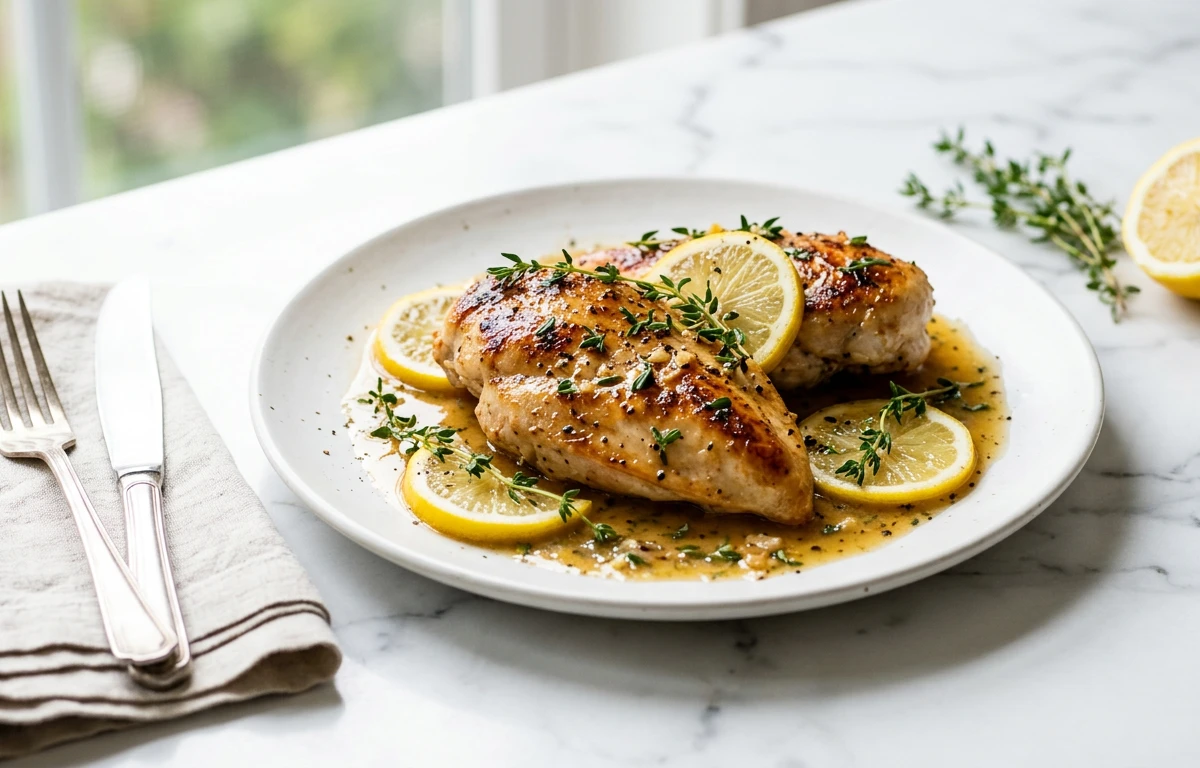
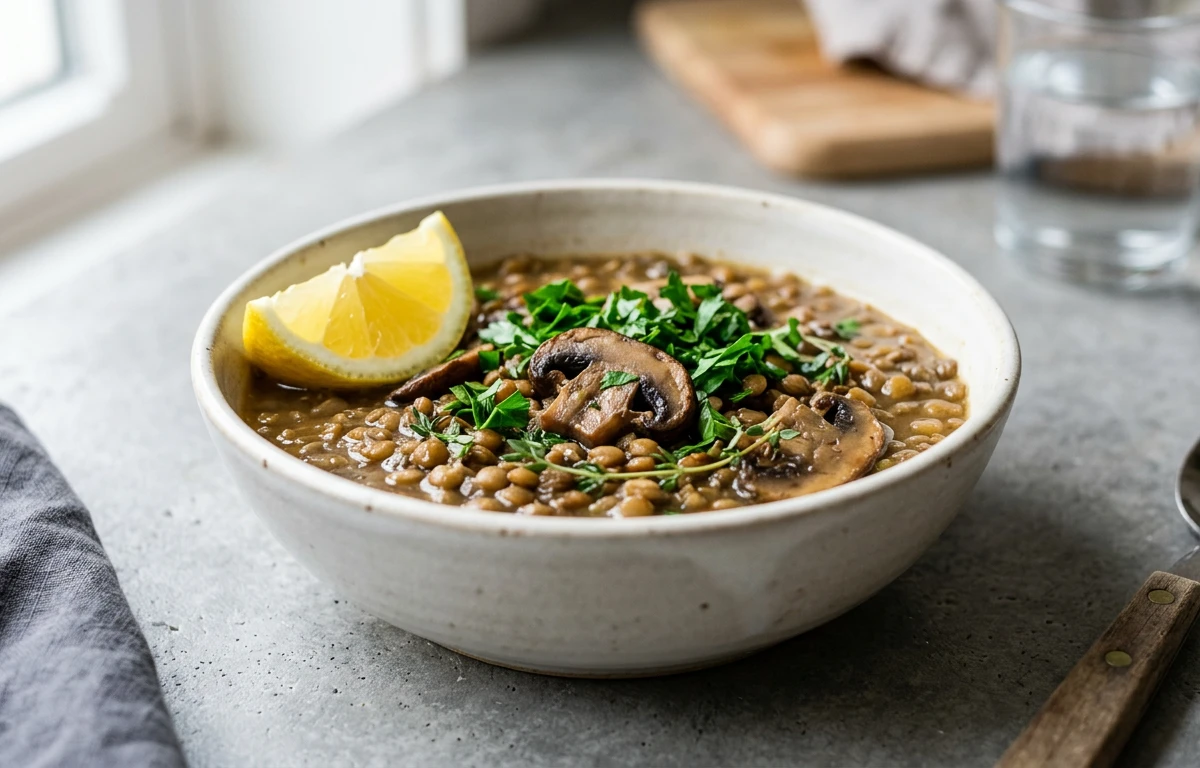
Go beyond just a sprinkle. Here are three simple recipes where thyme is a star player, not just a backup singer.
Want more smart food pairings in a balanced week — without the planning?
Our meal planner uses herbs like thyme to make healthy food delicious, with portions and macros already calculated and a single grocery list at the end.
Build my weekly plan →SOURCES & REFERENCES · 3
One more thing
Eating well is rarely about willpower. It’s about having a short list of dinners you actually want to eat. Pick two from this list. Make them next week. The rest will follow.
If you want these on autopilot, our weekly meal planner can drop the picks above into your calendar with one click and build a single grocery list from the merged ingredients.
FREQUENTLY ASKED QUESTIONS
Frequently asked questions
Is thyme good for a cough or sore throat?
Thyme has a long history in traditional medicine for coughs. Its compounds, particularly thymol, have antiseptic and antispasmodic properties. A warm tea made by steeping fresh or dried thyme in hot water can be very soothing for a sore throat.
What's the difference between fresh and dried thyme?
Fresh thyme has a more nuanced, slightly less intense flavor. Dried thyme is more concentrated and pungent. As a general rule, use one-third the amount of dried thyme if a recipe calls for fresh (e.g., 1 teaspoon dried for 1 tablespoon fresh).
Can you eat too much thyme?
In the amounts used for cooking, it's virtually impossible to eat too much thyme. It's safe and healthy. However, thyme essential oil is highly concentrated and should not be ingested as it can be toxic.
Is thyme good for people with diabetes?
Absolutely. It's a perfect herb for diabetes-friendly cooking. It adds a huge amount of flavor with no sugar and negligible carbohydrates, allowing you to create delicious meals without impacting blood sugar levels.
METHODOLOGY
How this article was created
Built using verified nutrition databases, culinary research, and traditional cooking knowledge — every claim is cross-referenced against the sources listed in the article.
· USDA data· Culinary research· Quality reviewed
Read our methodology →TRANSPARENCY
About this content
Articles are curated using trusted food databases (USDA FoodData Central, IFCT), culinary literature, and dietary guidelines, then structured by our editorial team for clarity, accuracy, and usefulness.
· Verified data sources· Culinary research· Quality reviewed
Read our editorial policy →RELATED RECIPES
Cook from this article
EXPLORE OUR MEALS
Meals that fit this article

AMERICAN · 1677 CAL
Almonds with Sliced Apple + supplement + iron

MEDITERRANEAN · 809 CAL
Greek Yogurt with Berries Almonds and Granola + supplement + iron

GENERAL_HEALTHY · 705 CAL
Banana with Peanut Butter Pregnancy + supplement + iron

MODERN · 982 CAL
Hummus with Crudits and Pita with Fresh Orange Snack + supplement + iron
TAGGED
KEEP READING