Crispy, golden fritters made from tender green sorghum (jowar), a beloved winter delicacy from Gujarat. These savory vadas are packed with fresh herbs and spices, offering a unique texture and a burst of flavor in every bite. Perfect as a tea-time snack or an appetizer.
Prep15 min
Cook20 min
Servings4
Serving size: 1 serving
301cal
7gprotein
36gcarbs
16g
Ingredients
2 cup Ponk (Fresh or frozen tender sorghum)
0.5 cup Besan (Also known as gram flour)
2 tbsp Rice Flour (For extra crispiness)
1 inch Ginger (To be made into a paste)
3 pcs Green Chillies (Adjust to taste, to be made into a paste)
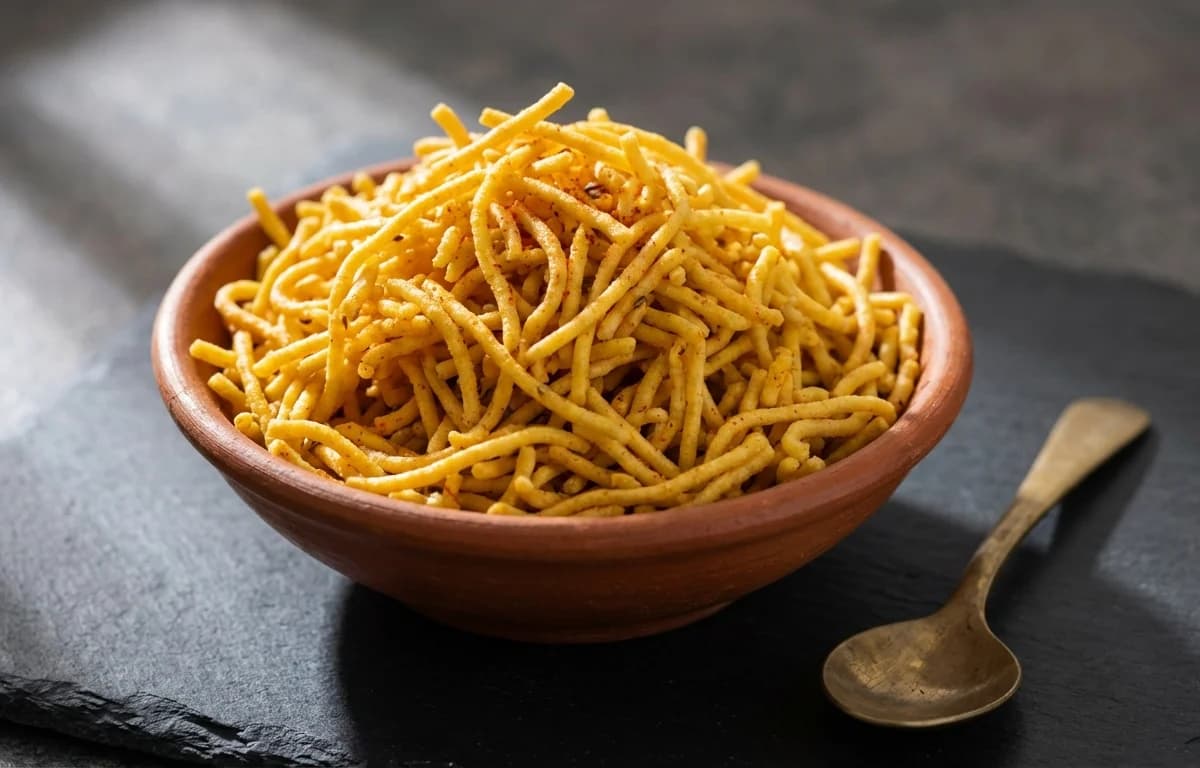
Crispy, golden strands of savory chickpea flour noodles, perfect for snacking on their own or for adding a delightful crunch to chaat dishes. This classic Indian namkeen is a festival favorite and surprisingly easy to make at home.
A quintessential Indian summer cooler, this refreshing lemonade is made with fresh lime juice, sugar, and a hint of salt and spices. It's the perfect thirst-quencher, balancing sweet, sour, and savory notes, and can be whipped up in just five minutes.
Crispy Ponk Vada with tangy lemon juice – a delightful, quick-to-make snack that brightens your day!

This gujarati dish is perfect for lunch. With 501.85 calories and 12.89g of protein per serving, it's a nutritious choice for your meal plan.
fat
0.5 tsp Red Chili Powder (Adjust to spice preference)
0.25 tsp Hing (Asafoetida)
1 tsp Sugar (Balances the flavors)
1 tbsp Lemon Juice (Freshly squeezed)
1 tsp Salt (Adjust to taste)
0.25 tsp Baking Soda
2 cup Oil (For deep frying)
Instructions
1
Prepare Ponk and Aromatics
If using frozen ponk, thaw it completely. If fresh, ensure it's clean.
Place the ponk in a grinder or food processor. Pulse 3-4 times to get a coarse, grainy texture. Avoid making a fine paste.
In a small grinder, combine the ginger, green chillies, and garlic. Grind to a coarse paste without adding water.
2
Mix the Vada Batter
In a large mixing bowl, add the coarsely ground ponk, besan, and rice flour.
Add the ginger-chilli-garlic paste, finely chopped coriander leaves, ajwain, turmeric powder, red chili powder, hing, sugar, and salt.
Mix all the ingredients thoroughly with your hands. The mixture should be a thick, stiff batter that holds its shape. Add 1-2 tablespoons of water only if absolutely necessary to bind the mixture.
3
Activate Batter and Shape Vadas
Just before you are ready to fry, add the lemon juice and sprinkle the baking soda over the batter. Mix gently until just combined. Do not overmix.
Lightly grease your palms with oil. Take a small lemon-sized portion of the batter and flatten it into a small disc (vada), about 2 inches in diameter.
4
Deep Fry the Vadas
Heat oil in a kadai or deep pan over a medium flame. To test the oil, drop a tiny piece of batter; it should sizzle and rise to the top steadily.
Carefully slide 4-5 shaped vadas into the hot oil, ensuring not to overcrowd the pan.
Fry for about 4-6 minutes, turning them occasionally, until they are deep golden brown and crispy on all sides.
Maintain a medium flame throughout to ensure the vadas cook evenly from the inside out.
5
Drain and Serve
Once cooked, use a slotted spoon to remove the vadas from the oil, letting any excess oil drip back into the pan.
Place the fried vadas on a plate lined with paper towels to absorb extra oil.
Serve hot with green chutney, tamarind chutney, or a sprinkle of Surti sev.
141cal
6gprotein
19gcarbs
5gfat
Ingredients
2 cup Besan
0.25 cup Rice Flour (for extra crispiness)
1 tsp Ajwain
0.5 tsp Turmeric Powder
1 tsp Red Chili Powder
0.25 tsp Hing
1 tsp Salt
2 tbsp Vegetable Oil (hot, for the dough (moyan))
0.6 cup Water (or as needed)
Instructions
1
Prepare the Dough
In a large mixing bowl, sift the besan and rice flour. Add the ajwain, turmeric powder, red chili powder, hing, and salt. Whisk well to combine all dry ingredients.
Heat 2 tbsp of oil until it's quite hot. Carefully pour this hot oil (this is called 'moyan') over the flour mixture. Use a spoon initially, then your fingertips to rub the oil into the flour until it resembles coarse breadcrumbs.
Gradually add water, a little at a time, and knead to form a soft, smooth, and pliable dough. The dough should be soft and slightly sticky, not stiff.
2
Set Up the Sev Maker
Choose the disc for fine sev and attach it to your sev maker (sev press or sancha).
Grease the inside of the sev maker cylinder and the disc with a little oil to prevent the dough from sticking.
Shape the dough into a log and place it inside the greased cylinder.
3
Heat Oil for Frying
Pour the remaining 2 cups of oil into a heavy-bottomed kadai or deep pan. Heat over medium flame.
The oil should be moderately hot, around 175°C (350°F). To test, drop a tiny piece of dough into the oil. It should sizzle and rise to the surface steadily. If it browns too quickly, the oil is too hot; if it sinks, the oil is not hot enough.
4
Fry the Sev
Hold the sev maker directly over the hot oil. Turn the handle to press the dough out into the oil, moving in a circular motion to form a large, flat spiral.
Fry for 1-2 minutes on one side. You will notice vigorous bubbling. Once the bubbling subsides significantly, carefully flip the sev spiral using a slotted spoon.
Fry the other side for another minute until it is light golden and crisp. Avoid over-browning.
Work in batches to avoid overcrowding the pan, which can lower the oil temperature.
5
Drain and Cool
Once crisp, remove the sev from the oil with a slotted spoon, allowing excess oil to drip back into the pan.
Place the fried sev on a wire rack or a plate lined with paper towels to drain further.
Let the sev cool completely at room temperature. It will become even crispier as it cools.
Once cooled, gently break the sev spirals into smaller, bite-sized pieces.
6
Store
Store the completely cooled besan sev in a clean, dry, airtight container.
It will stay fresh and crispy for up to 3 weeks at room temperature.
0.5 tsp Roasted Cumin Powder (optional, for a savory depth)
8 sprig Mint Leaves (for garnish)
2 cup Ice Cubes (for serving)
Instructions
1
In a large pitcher, combine the fresh lime juice, sugar, kala namak (black salt), regular salt, and roasted cumin powder (if using).
2
Pour in about 1 cup of the chilled water and stir vigorously for 1-2 minutes, or until the sugar and salts have completely dissolved. This creates a flavorful concentrate.
3
Add the remaining 3 cups of chilled water to the pitcher and stir well to combine everything.
4
Taste the nimbu pani and adjust the seasonings if necessary. You may add more sugar for sweetness, lime juice for tartness, or a pinch more salt to balance the flavors.
5
Fill serving glasses with ice cubes. Pour the prepared nimbu pani over the ice, garnish with fresh mint sprigs and a thin lime slice, and serve immediately for the most refreshing experience.