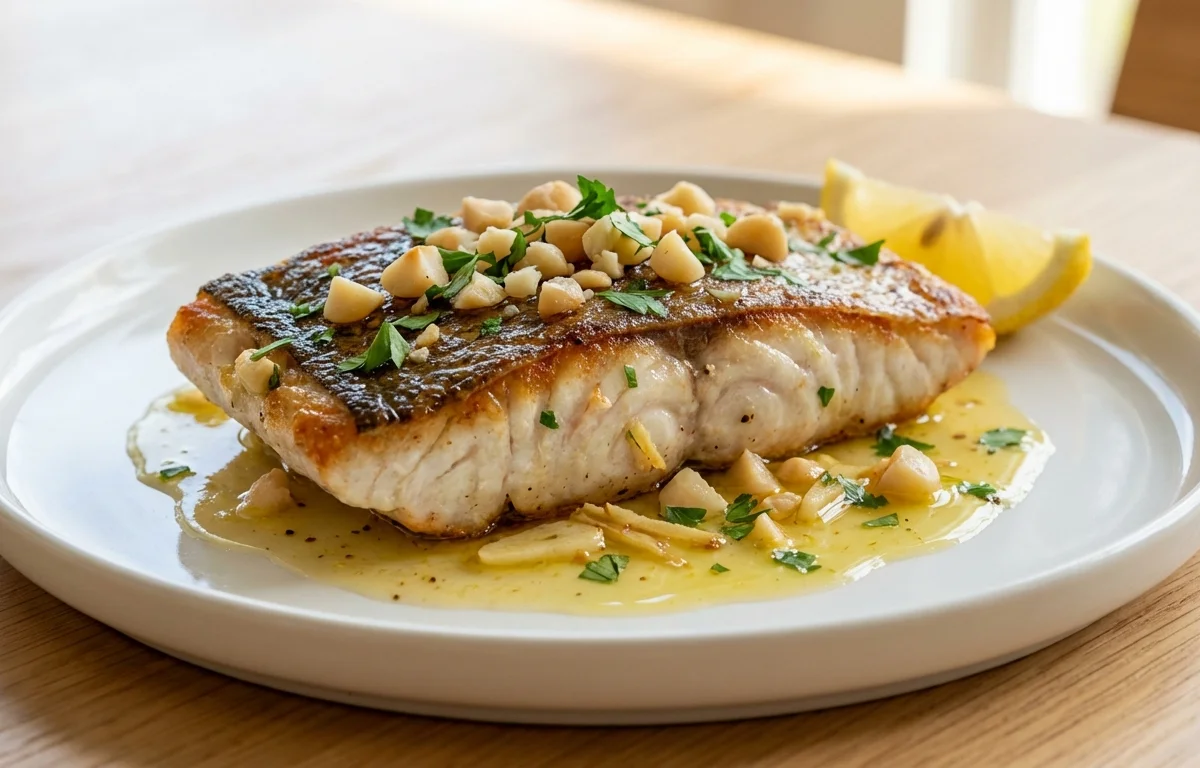
Pan-Seared Opakapaka
Crispy-skinned, moist, and flaky Hawaiian pink snapper with a golden sear. A simple weeknight dinner that lets the delicate, sweet flavor of opakapaka shine, finished with a squeeze of lemon and fresh herbs.
For 4 servings
- prep
Pat the fish completely dry.
Remove opakapaka fillets from the fridge 15 minutes before cooking. Use paper towels and press firmly on the skin and flesh until completely dry to the touch. Any moisture left on the skin will prevent crisping.
TIPDry skin is the single most important step for crispy skin. Don't rush this. - prep
Season the fillets.
Season the flesh side generously with salt and a pinch of black pepper. Leave the skin side unseasoned for now.
- fry · ~5 min
Heat the pan and sear skin-side down.
1.Heat 2 tablespoons olive oil in a cast iron skillet over medium-high heat until shimmering but not smoking.2.Carefully lay fillets in the pan skin-side down, laying them away from you to avoid splatter.3.Press each fillet gently with a fish spatula for the first 30 seconds to ensure full skin contact.4.Cook undisturbed for 4 to 5 minutes until the skin is deep golden brown and releases easily from the pan.TIPDon't move the fish. It will release naturally when the skin is fully crisped. - fry · ~3 min
Flip and finish with butter.
1.Gently flip each fillet using a fish spatula.2.Add 2 tablespoons butter and the smashed garlic cloves to the pan.3.Tilt the pan slightly and spoon the foaming butter over the fish continuously for 1 to 2 minutes.4.Cook until the flesh is just opaque and flakes easily with a fork, about 2 to 3 minutes total.TIPOpakapaka is done when it reaches 130-135°F internal for medium, or flakes with gentle pressure. - garnish
Rest and garnish.
Remove fillets to a plate, skin-side up to keep it crisp. Squeeze fresh lemon juice over the top and scatter with chopped parsley. Spoon any remaining pan butter over the fish.
TIPResting for 2 minutes allows the juices to settle. Serve skin-side up so it stays crackling crisp. - serve
Serve immediately.
Plate with the crispy skin facing up. Serve with the pan juices drizzled over the top, alongside steamed rice or a light salad.
What to keep in mind.
6 tips from the recipe — small details that make a real difference to the final dish.
- 1Let the opakapaka rest at room temp 15 minutes before cooking for even heat distribution.
- 2Use a fish spatula for flipping; it is thin and flexible enough to slide under the delicate fillet without breaking it.
- 3After flipping, tilt the pan toward you as you spoon butter to keep the garlic submerged in the fat.
- 4To test doneness, insert a toothpick into the thickest part; it should slide in with little resistance.
- 5Store leftover cooked fillet in the fridge for up to 2 days; reheat gently in a low oven to preserve the skin crisp.
- 6If the skin sticks when you try to flip, it is not ready—give it another 30 seconds undisturbed.
Adapt it for your goals.
Low-oil
Replace olive oil with a light spritz of cooking spray and skip the butter; sear in a nonstick pan for a leaner version that still achieves a decent golden crust.
herb crustedHerb-crusted
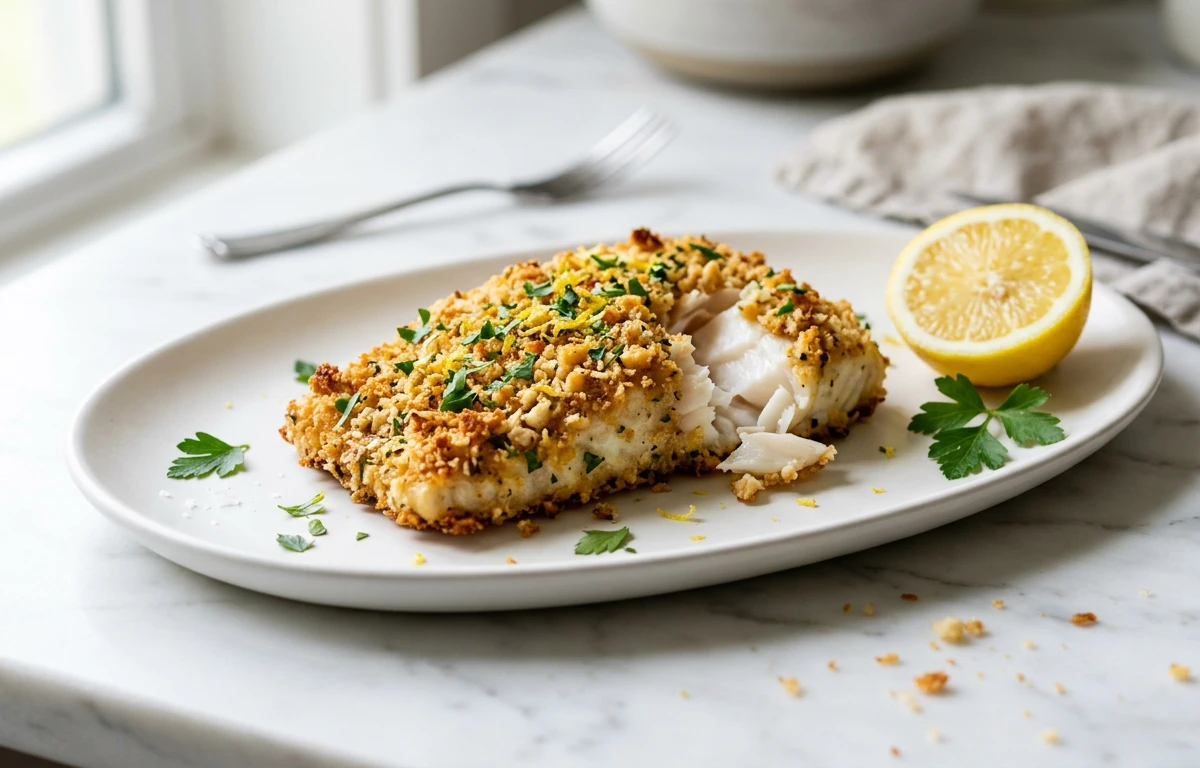
Press a mixture of finely chopped macadamia nuts, panko, and fresh thyme onto the flesh side before flipping for a crunchy, nutty topping.
citrus beurre blancCitrus beurre blanc
Instead of finished lemon juice, deglaze the pan with a splash of white wine and lemon juice, then whisk in cold butter off heat for a silky, tart sauce.
spicy asianSpicy asian
Add a teaspoon of grated ginger and a thinly sliced red chili to the butter while basting, and finish with a drizzle of soy sauce and sesame oil.
jainJain
Substitute butter with vegan butter or ghee-free oil; omit garlic and use asafetida for a similar aromatic note; the dish remains fully plant-based.
Why this is on our healthy list.
Rich in Omega-3s
Opakapaka is a lean fish that provides heart-healthy omega-3 fatty acids, which support brain function and reduce inflammation.
High-Quality Protein
A single fillet delivers a generous serving of complete protein, essential for muscle repair and satiety.
Low in Saturated Fat
This dish uses a modest amount of butter and olive oil, keeping saturated fat in check while still delivering rich flavor.
Natural Source of Vitamin D
Pink snapper contains naturally occurring vitamin D, which is important for bone health and immune function.
Light and Nutrient-Dense
Served without heavy sauces, this preparation preserves the fish’s natural vitamins and minerals, including B vitamins and selenium.
Low-Carb Friendly
With no added sugars or starches, this dish fits seamlessly into low-carb and keto meal plans.
Frequently asked questions
Yes, but thaw them overnight in the fridge and pat them extremely dry before cooking, as frozen fish releases more moisture.