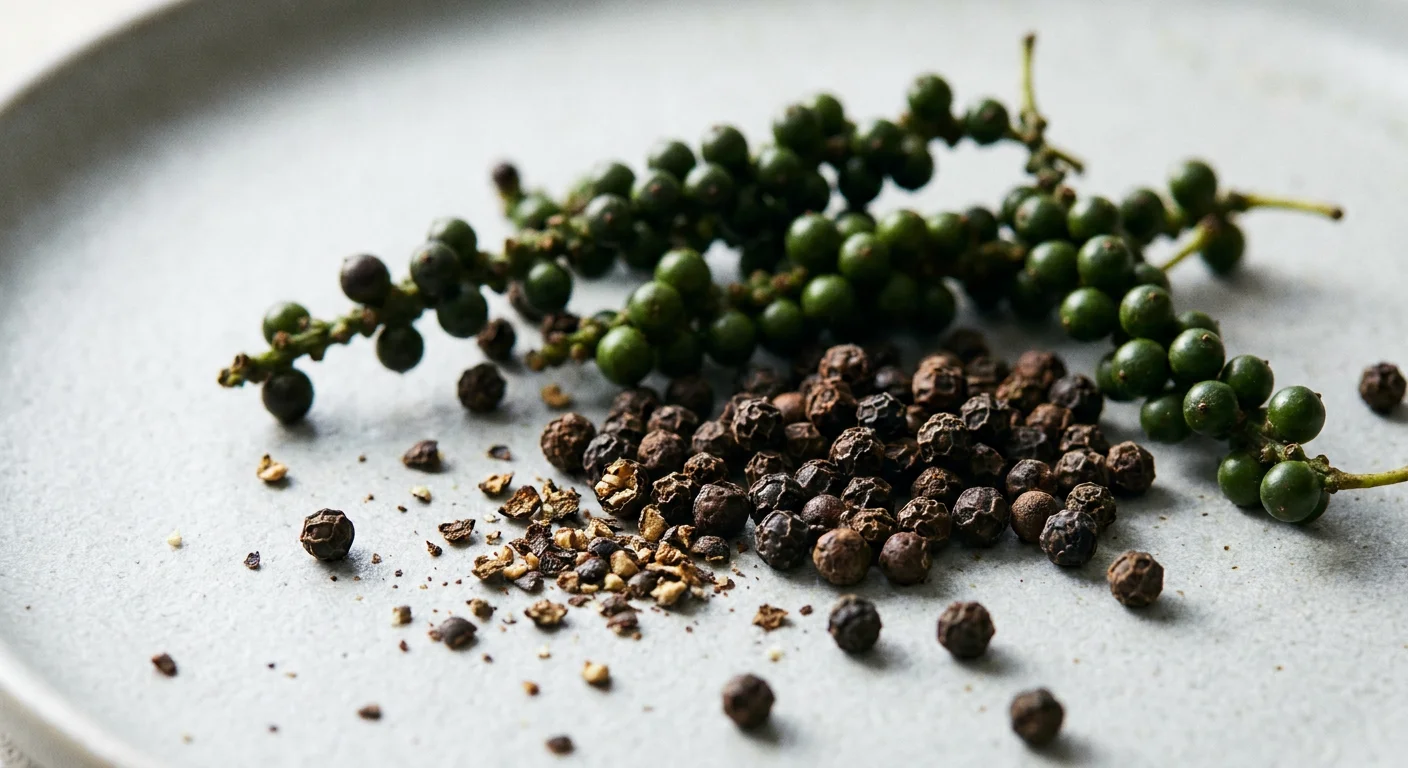
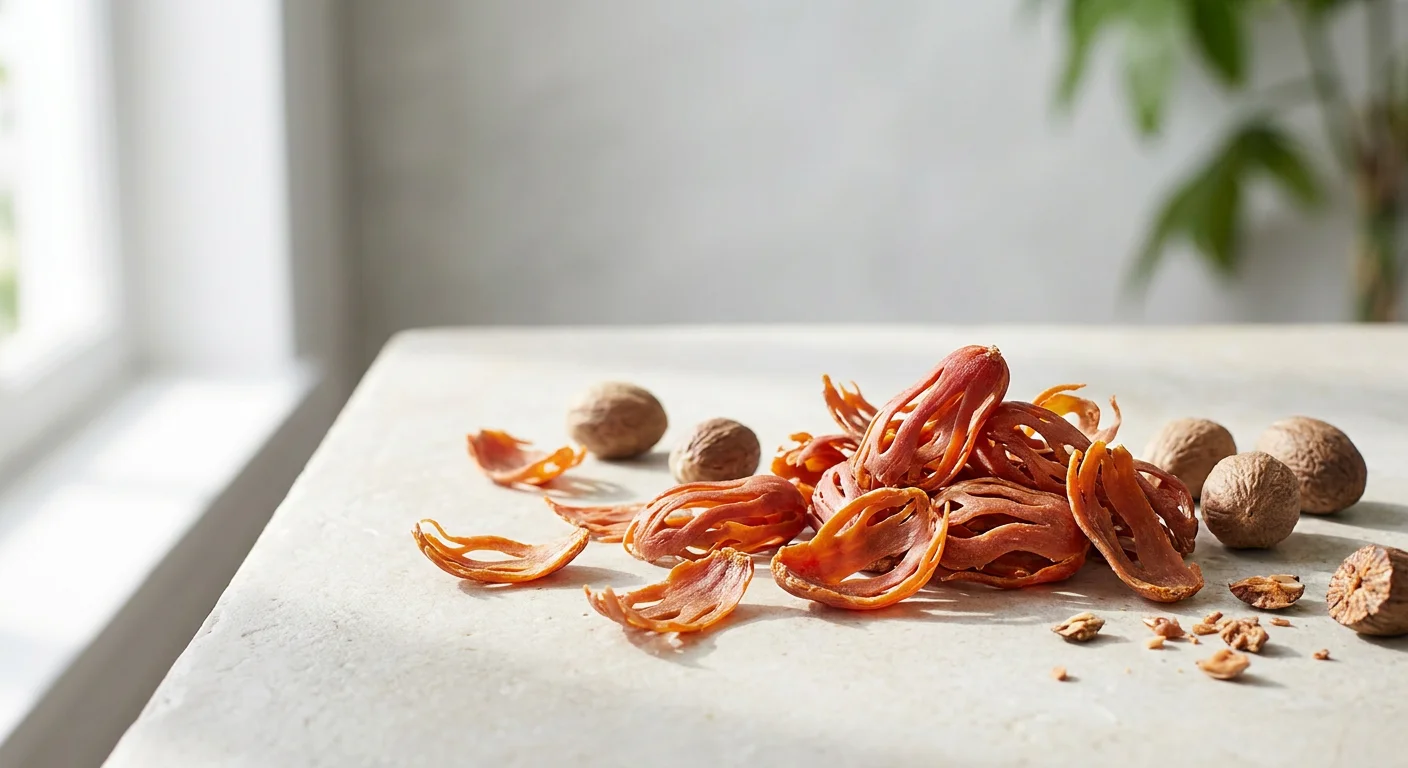
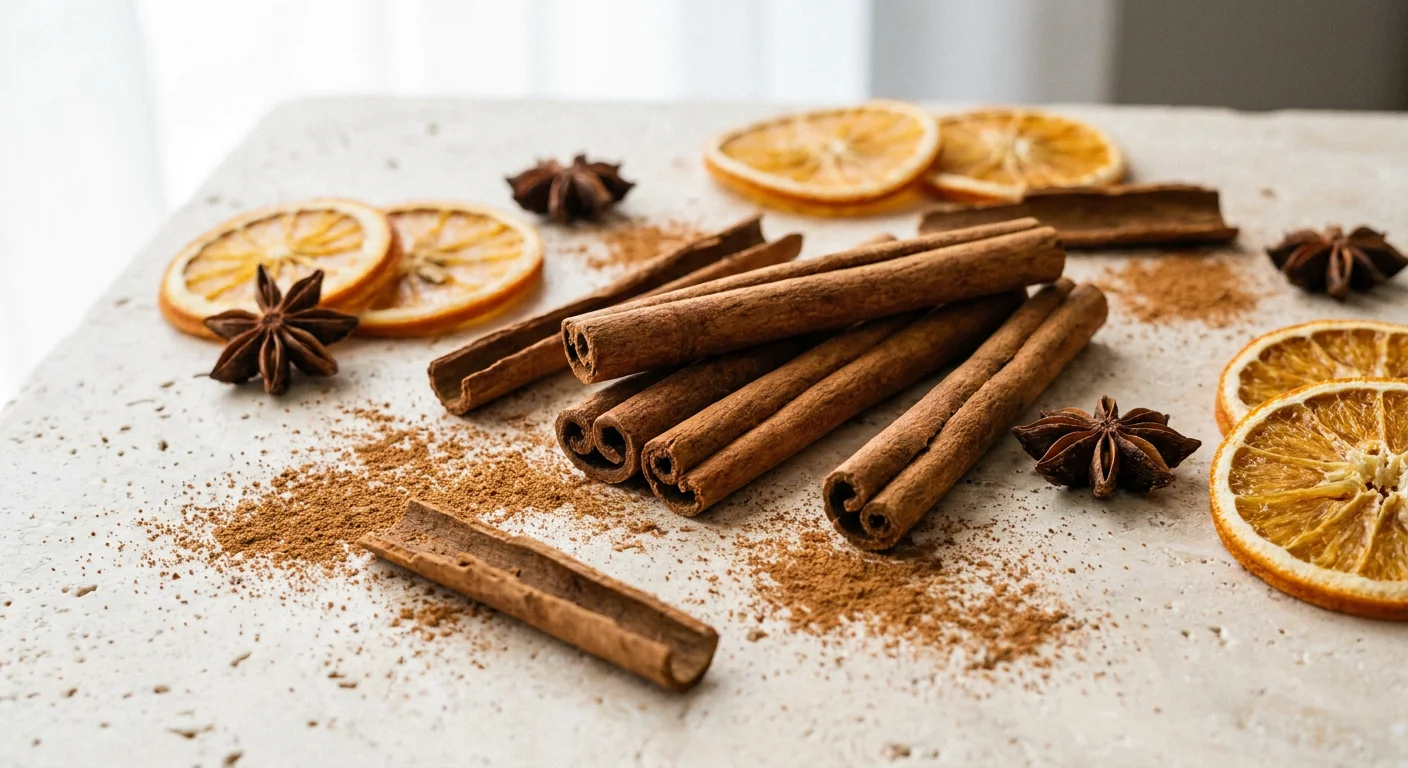
Let's get one thing straight: apricot kernels are not a snack. Tucked inside the hard pit of an apricot, these little seeds look a bit like almonds, but they're a world apart. They are intensely flavorful, yes, but they also contain a compound called amygdalin, which your body converts to cyanide. This isn't a reason to panic, but it is a reason to be incredibly respectful. Used in tiny, controlled amounts, they can add a wonderful, marzipan-like flavor to cooking. But treating them like a casual handful of nuts is a serious mistake.
↑ Apricot kernels should be treated as a potent spice, not a snack.
A kernel of truth
Most of us throw away the apricot pit without a second thought. But if you were to crack one open, you'd find the kernel. It's a controversial food, to say the least. On one hand, it's a traditional ingredient in Italian amaretti cookies and apricot brandies, prized for its intense, bitter-almond flavor. On the other, it's the source of laetrile, a discredited alternative cancer therapy, and contains a compound that releases cyanide when eaten.
The key is to separate the culinary use from the health claims and the risks. Think of it like nutmeg — a tiny grating is wonderful, but a whole spoonful would make you sick. This is an ingredient for careful, informed cooks, not for casual snacking.
Treat apricot kernels as a potent spice, not a health food or a snack. A few kernels, properly prepared and cooked, can add unique flavor; more can be dangerous.
Apricot kernel nutrition facts
From a pure numbers perspective, apricot kernels are a high-fat, high-protein, low-carbohydrate food, similar to many other nuts and seeds. The data below is for a 100-gram serving, which is far more than you should ever eat in a day, but it's the standard for comparison.
The macros are striking. 50% fat and 25% protein by weight puts them in the same league as sunflower seeds or almonds, making them incredibly energy-dense. The carbohydrate count is very low, and with 8 grams of fiber, the net carbs are minimal. This nutritional profile is why, ignoring the safety issues for a moment, they are technically very keto-friendly.
The amygdalin question: are they safe?
This is the most important part of the story. Bitter apricot kernels contain amygdalin. When you chew or digest them, an enzyme turns amygdalin into benzaldehyde (which gives that 'bitter almond' smell) and hydrogen cyanide. Yes, that cyanide. Food safety authorities around the world have set very low safe limits for consumption, often just a few small kernels per day for an adult, and recommend they not be eaten by children or during pregnancy at all.
Cooking, especially roasting or boiling, can help reduce the cyanide potential. This is why they are traditionally used in baked goods or distilled into liqueurs. Eating them raw is the riskiest way to consume them. The dangerous and disproven claims about laetrile (a synthetic form of amygdalin) as a cancer cure have led some people to consume large, toxic amounts. Don't do it.
Apricot kernels & glycemic index
While there's no official glycemic index rating for apricot kernels, we can make a very confident estimate. Given they are extremely low in carbohydrates and high in fat, fiber, and protein, their effect on blood sugar is minimal. Any food with this profile will have a very low GI, almost certainly below 20. They simply don't provide enough fast-acting sugar to cause a spike.
GLYCEMIC INDEX · APRICOT KERNELS vs COMMON FOODS
Apricot kernels have a very low estimated GI
Apricot Kernels (est.)
low carb, high fat
LOW
Cherries
whole fruit
LOW
Apple
whole fruit
LOW
Pineapple
whole fruit
MEDIUM
White bread
refined
HIGH
SCALE 0–90
04590
How to use them safely
If you choose to cook with them, a few rules are non-negotiable.
01
Use tiny amounts.
Think one or two kernels, finely grated, for an entire batch of cookies or a jar of jam. Treat it as a powerful spice.
02
Always cook them.
Roasting, baking, or boiling helps to break down the amygdalin and reduce the potential for cyanide formation. Never eat them raw.
03
Buy from a trusted source.
Look for kernels specifically sold for culinary purposes. Some may be treated (e.g., steamed) to reduce amygdalin levels.
04
Avoid completely if pregnant or for children.
The risk is not worth it. There are no safe consumption levels established for these groups.
05
Listen to your body.
Early signs of cyanide toxicity can include dizziness or headache. If you feel unwell after eating something containing them, seek medical advice.
Potential benefits (in tiny doses)
01
Unique, intense flavor
A tiny amount provides a complex bitter almond or marzipan flavor that is hard to replicate, enhancing baked goods and preserves.
1-2
kernels / recipe
02
Rich in healthy fats
Like almonds, they are a great source of monounsaturated fats, which are beneficial for heart health when part of a balanced diet.
50g
fat / 100g
03
A source of plant protein
With 25 grams of protein per 100g, they are a protein-dense plant food, contributing to muscle maintenance and satiety.
25g
protein / 100g
Flavor pairings
When used as a spice, the bitter, nutty flavor of apricot kernels pairs beautifully with sweet and fruity notes. Always remember: grate one or two kernels into the entire dish.
A spice or a risk?
Three ways to use them (sparingly)
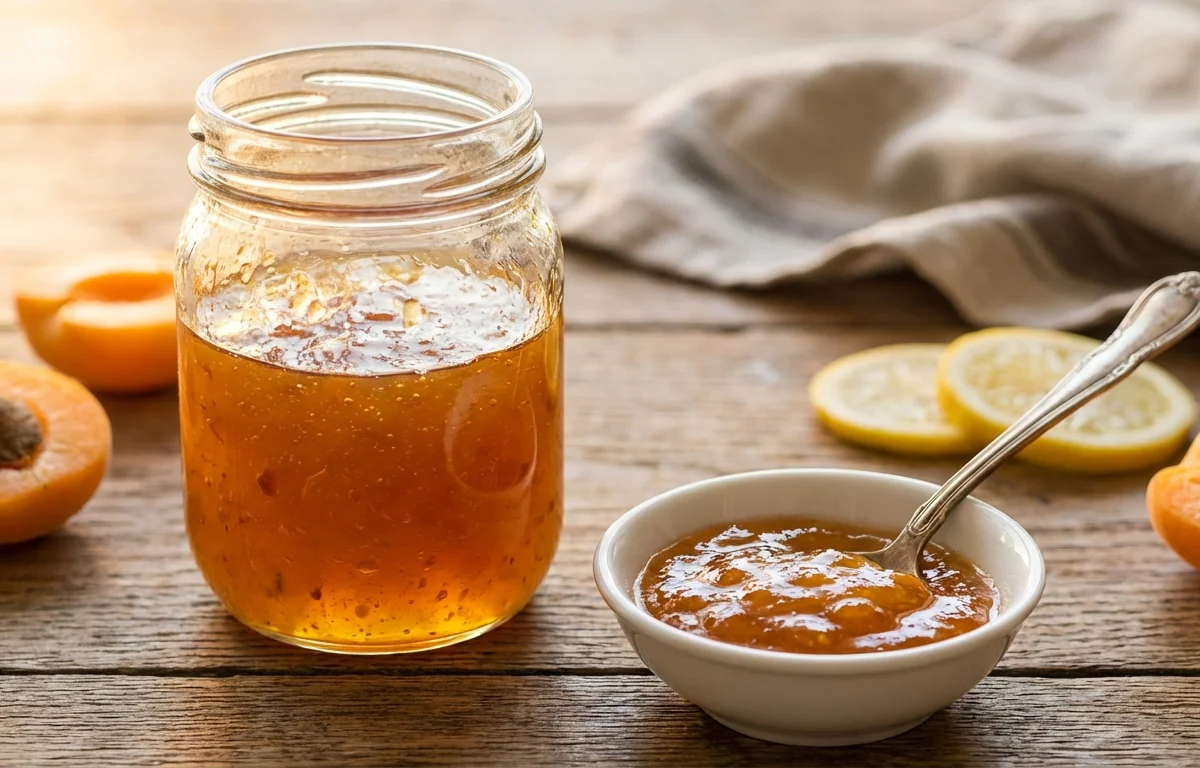
Here are three recipes that use a tiny, safe amount of apricot kernel to achieve a classic flavor. The emphasis is always on 'tiny'.

Want meals planned with safety and balance in mind?
Our meal planner uses ingredients correctly, balancing flavor with evidence-based nutrition and safety. Get a plan with calculated macros and a single grocery list for the week.
Build my weekly plan →One more thing
Eating well is rarely about willpower. It’s about having a short list of dinners you actually want to eat. Pick two from this list. Make them next week. The rest will follow.
If you want these on autopilot, our weekly meal planner can drop the picks above into your calendar with one click and build a single grocery list from the merged ingredients.
FREQUENTLY ASKED QUESTIONS
Frequently asked questions
How many apricot kernels are safe to eat?
Very few. Food safety agencies suggest a limit of 1-3 small kernels per day for an adult, and zero for children. It's much safer to use them cooked and as a trace ingredient in a larger recipe, not to eat them on their own.
Do apricot kernels cure cancer?
No. This is a dangerous and disproven myth. The compound laetrile (or amygdalin) has been extensively studied and found to be ineffective against cancer and is potentially toxic due to the risk of cyanide poisoning. Always follow evidence-based medical advice from healthcare professionals.
What's the difference between sweet and bitter apricot kernels?
It's all about the amygdalin. Bitter apricot kernels, used for flavoring, have high levels. Sweet kernels, from specific apricot varieties, contain very little and are much safer, but they lack the intense, characteristic flavor. Most kernels sold online are the bitter type.
Can you die from eating apricot kernels?
Yes, in high doses. Consuming a large quantity of bitter apricot kernels can lead to acute cyanide poisoning, which can be fatal. This is why it's critical to treat them with extreme caution and respect the tiny serving sizes.
METHODOLOGY
How this article was created
Built using verified nutrition databases, culinary research, and traditional cooking knowledge — every claim is cross-referenced against the sources listed in the article.
· USDA data· Culinary research· Quality reviewed
Read our methodology →TRANSPARENCY
About this content
Articles are curated using trusted food databases (USDA FoodData Central, IFCT), culinary literature, and dietary guidelines, then structured by our editorial team for clarity, accuracy, and usefulness.
· Verified data sources· Culinary research· Quality reviewed
Read our editorial policy →RELATED RECIPES
Cook from this article
EXPLORE OUR MEALS
Meals that fit this article

AMERICAN · 1677 CAL
Almonds with Sliced Apple + supplement + iron

MEDITERRANEAN · 809 CAL
Greek Yogurt with Berries Almonds and Granola + supplement + iron

GENERAL_HEALTHY · 705 CAL
Banana with Peanut Butter Pregnancy + supplement + iron

MODERN · 982 CAL
Hummus with Crudits and Pita with Fresh Orange Snack + supplement + iron
TAGGED
KEEP READING