A 7-Day Lower-Fat Meal Plan: When It Helps for Weight Management - and When It Doesn't
An honest 7-day lower-fat meal plan - based on DIETFITS, IOM AMDR, and AHA guidance. When low-fat is genuinely first-line (gallbladder, pancreatitis, high…
Loading...
An honest 7-day lower-fat meal plan - based on DIETFITS, IOM AMDR, and AHA guidance. When low-fat is genuinely first-line (gallbladder, pancreatitis, high…
If you came to this article expecting to be told that low-fat is the way to lose weight, the honest answer - and the one current evidence supports - is: probably not. The 2018 DIETFITS trial randomized 609 adults to a healthy low-fat or a healthy low-carb diet for 12 months and found no significant difference in weight loss (-5.3 kg vs. -6.0 kg); adherence and food quality, not the macronutrient split, predicted who succeeded [1]. The Academy of Nutrition and Dietetics, the American Heart Association, and the 2020-2025 U.S. Dietary Guidelines have all moved away from a single recommended fat percentage and now anchor on the Acceptable Macronutrient Distribution Range of 20-35% of calories from fat for adults, paired with replacing saturated fat with mono- and polyunsaturated fat where possible [2][3].
That does not mean low-fat eating is wrong, or that this seven-day plan is pointless. There are specific clinical situations where a deliberately lower-fat pattern is first-line nutrition therapy: after gallbladder removal (your bile delivery is no longer on demand), during recovery from acute pancreatitis (per AGA guidance), in severe hypertriglyceridemia above 500 mg/dL when fasting (an AHA-recognized indication for fat restriction to lower pancreatitis risk), and in short-bowel syndrome [4][5]. There are also people who simply feel and eat better on a lower-fat pattern, which is a perfectly reasonable basis for choosing one. The plan below is for those readers. It targets roughly 22-25% of calories from fat (around 45 g/day at 1,800 kcal) - lower than the typical American intake, well within the IOM range, and high enough to keep essential fatty acids and fat-soluble vitamin absorption intact. If you are healthy and your only goal is weight loss, a Mediterranean, DASH, or protein-prioritized pattern has at least as much evidence behind it and is probably easier to sustain [6][7].
Use this seven-day template the way it's actually useful: as a structured lower-fat week for a person who has a clinical reason to eat that way, or who simply prefers it. Don't use it as proof that 'low-fat is best for weight loss' - that claim hasn't held up in the head-to-head trials of the last decade [1][6]. The numbers that actually move the scale, regardless of macro split, are the same ones every credible body now points at: a modest calorie deficit you can sustain, roughly 1.2-1.6 g of protein per kilogram of body weight per day distributed across meals, plenty of fiber and intact plant foods, and the day-to-day adherence that turns a 'plan' into how you eat [7][8]. Long-term follow-up of dieters consistently shows that the majority regain most of what they lose within 3-5 years, so the right question is not 'which seven-day plan' but 'which eating pattern can I live with for years' [9]. If you have a gallbladder, your triglycerides are normal, and you have no pancreatic history, a lower-fat week is one option among several - not the only correct answer. If you've had a cholecystectomy, are recovering from pancreatitis, or are managing triglycerides above 500 mg/dL, talk to your physician or registered dietitian before adopting any pattern this prescriptive [4][5].
Built using verified nutrition databases, culinary research, and traditional cooking knowledge — every claim is cross-referenced against the sources listed in the article. Last reviewed May 2026.
Articles are curated using trusted food databases (USDA FoodData Central, IFCT), culinary literature, and dietary guidelines, then structured by our editorial team for clarity, accuracy, and usefulness.
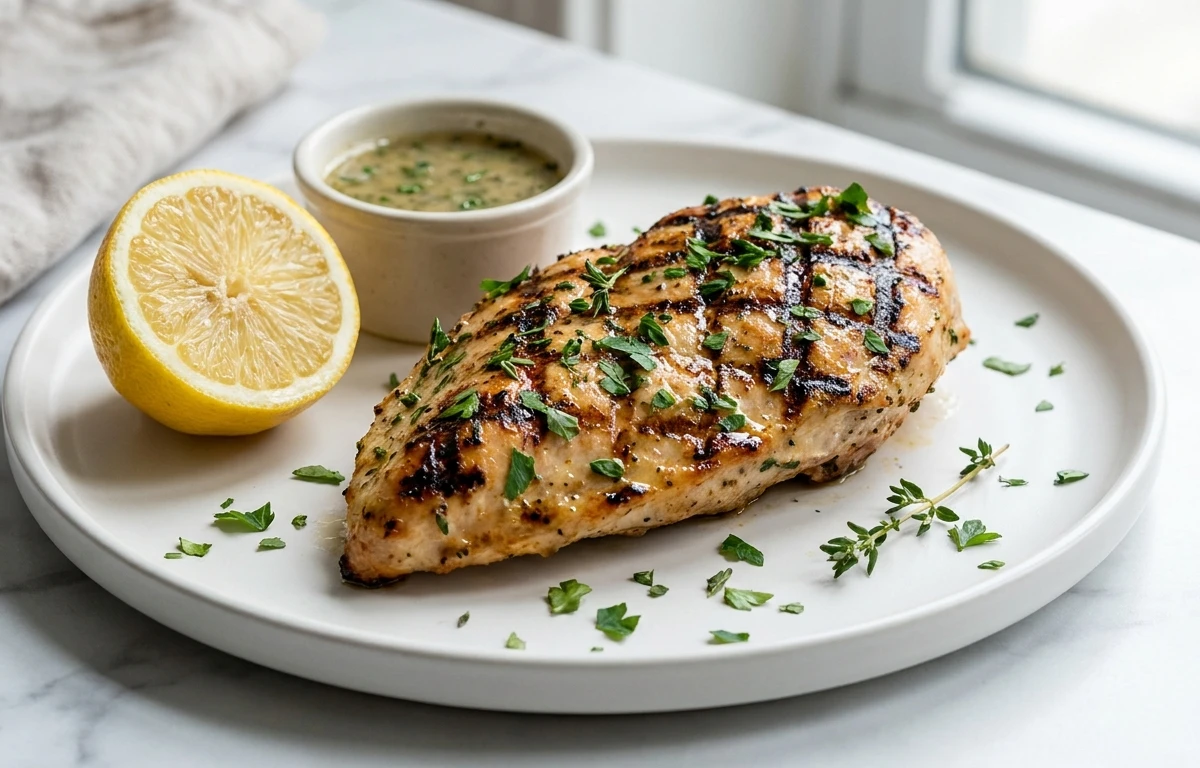
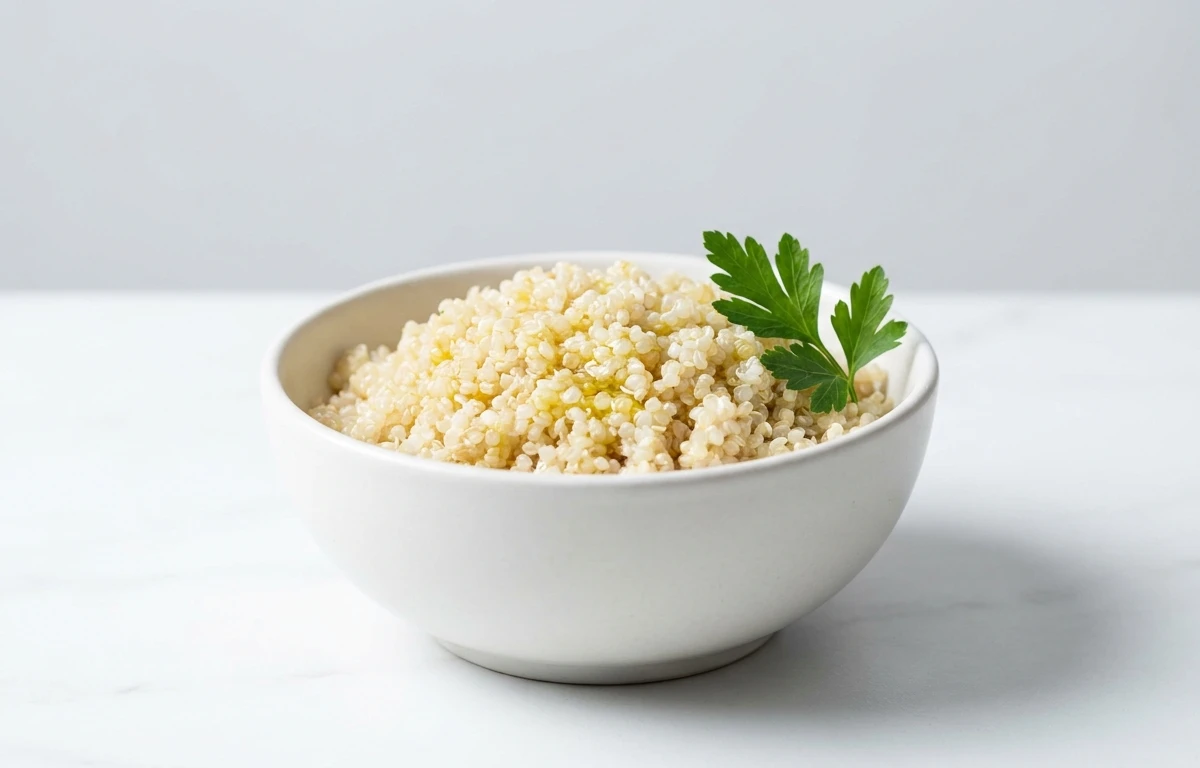
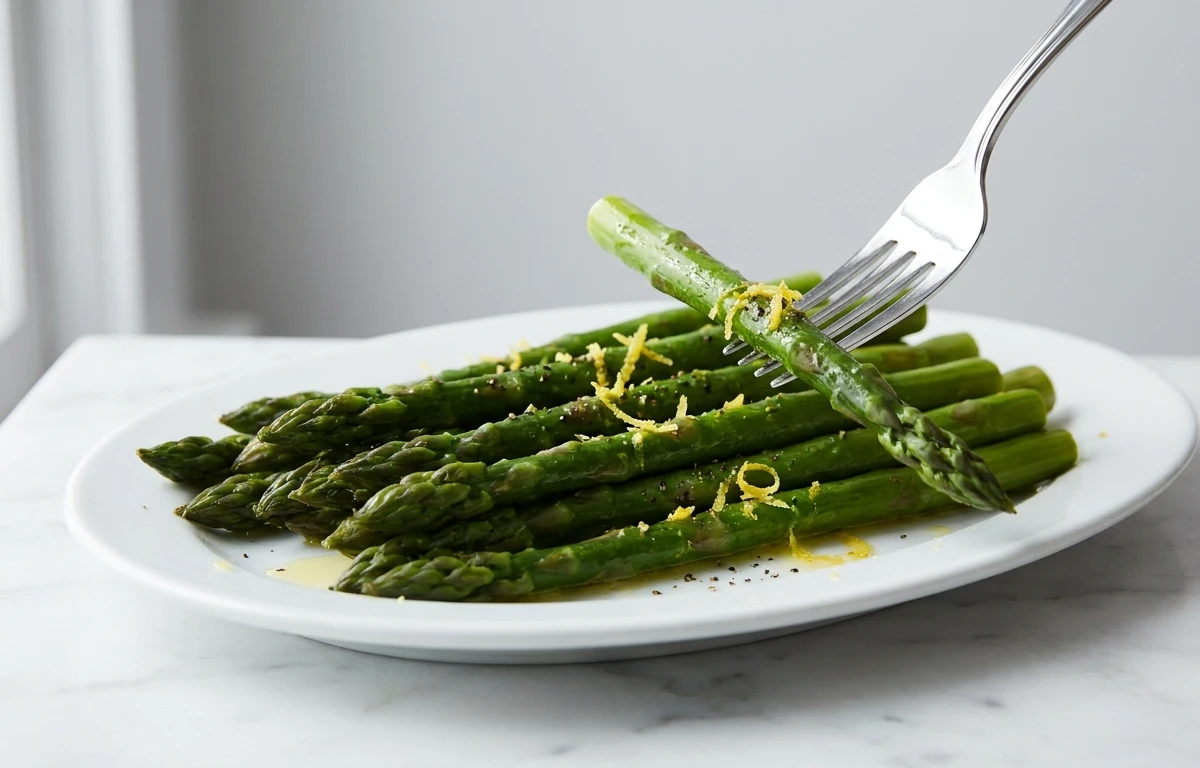
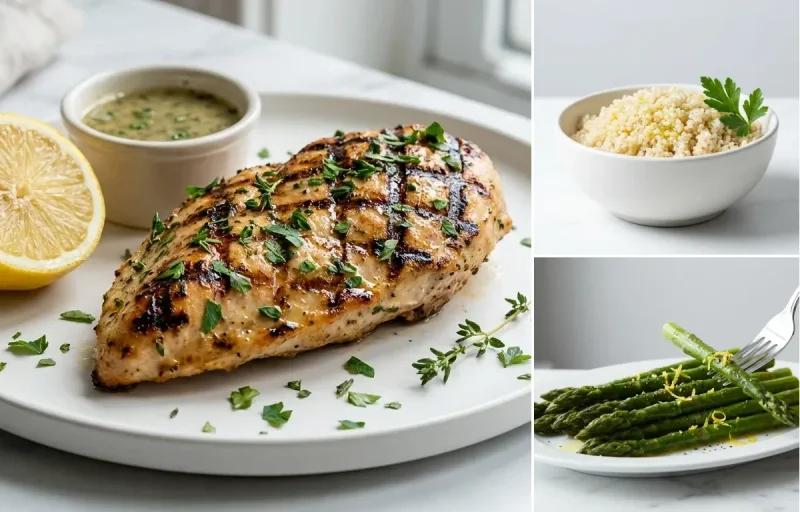
A lean-protein-anchored plate that exemplifies a lower-fat weekday meal: grilled chicken delivers ~30 g of protein with minimal added fat, quinoa provides fiber and complete plant protein, and steamed asparagus carries volume without calories. Note that the relevant principle here is calorie deficit + protein anchor, not 'low-fat is best' - this meal would work equally well in a Mediterranean or DASH pattern [1][7].
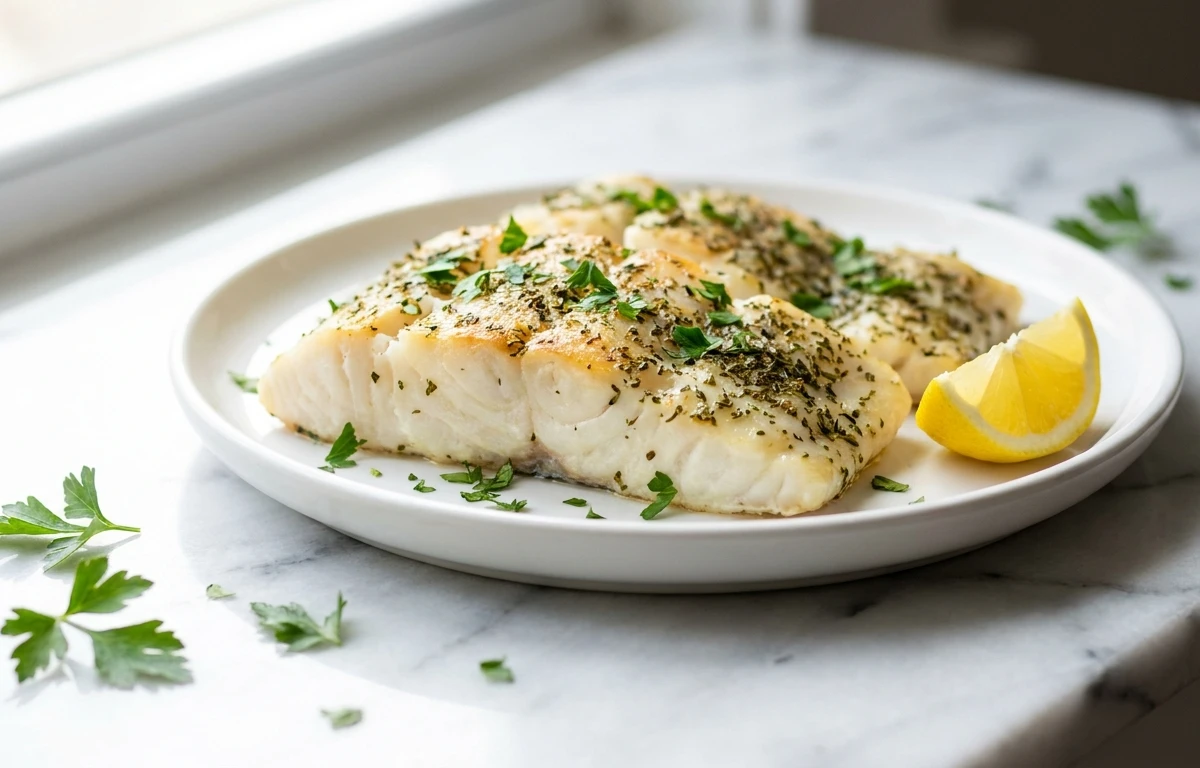
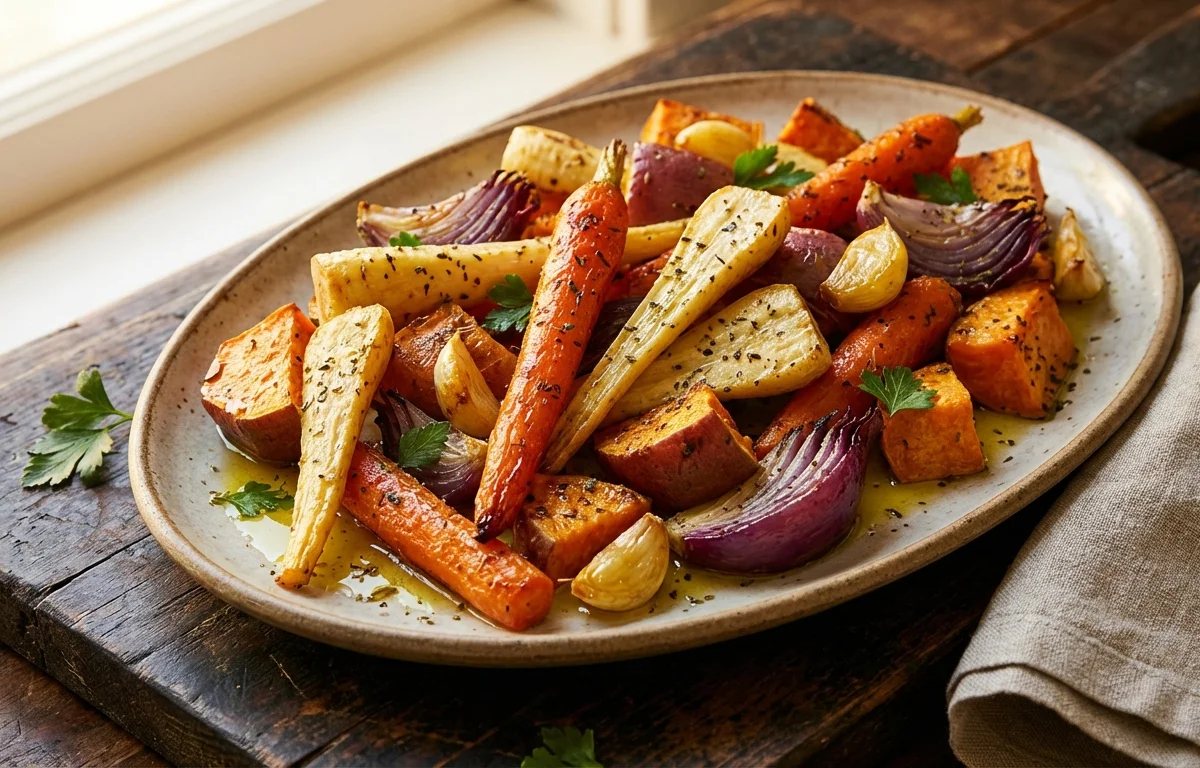
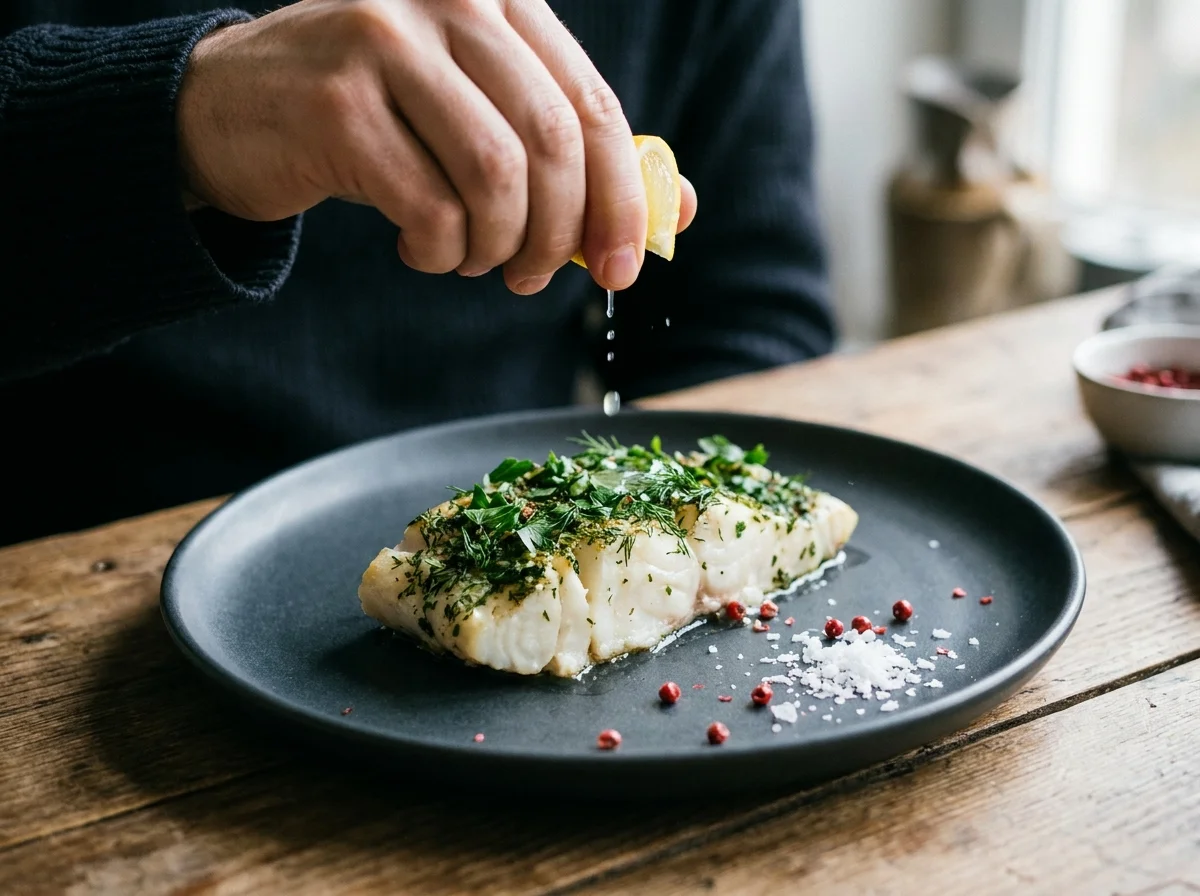
Cod is genuinely lean (~1 g fat per 100 g) and baking with light olive oil keeps the meal well inside a 22-25% fat-from-calories target. Roasted root vegetables add fiber and complex carbohydrate. For readers managing a post-cholecystectomy diet or recovering from pancreatitis, this meal is a clinically appropriate template; for general weight management, it's one valid option among several [4].
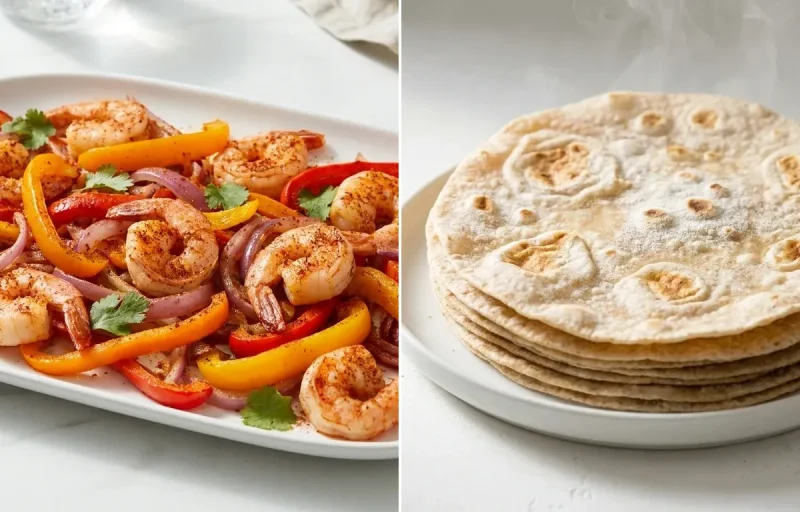
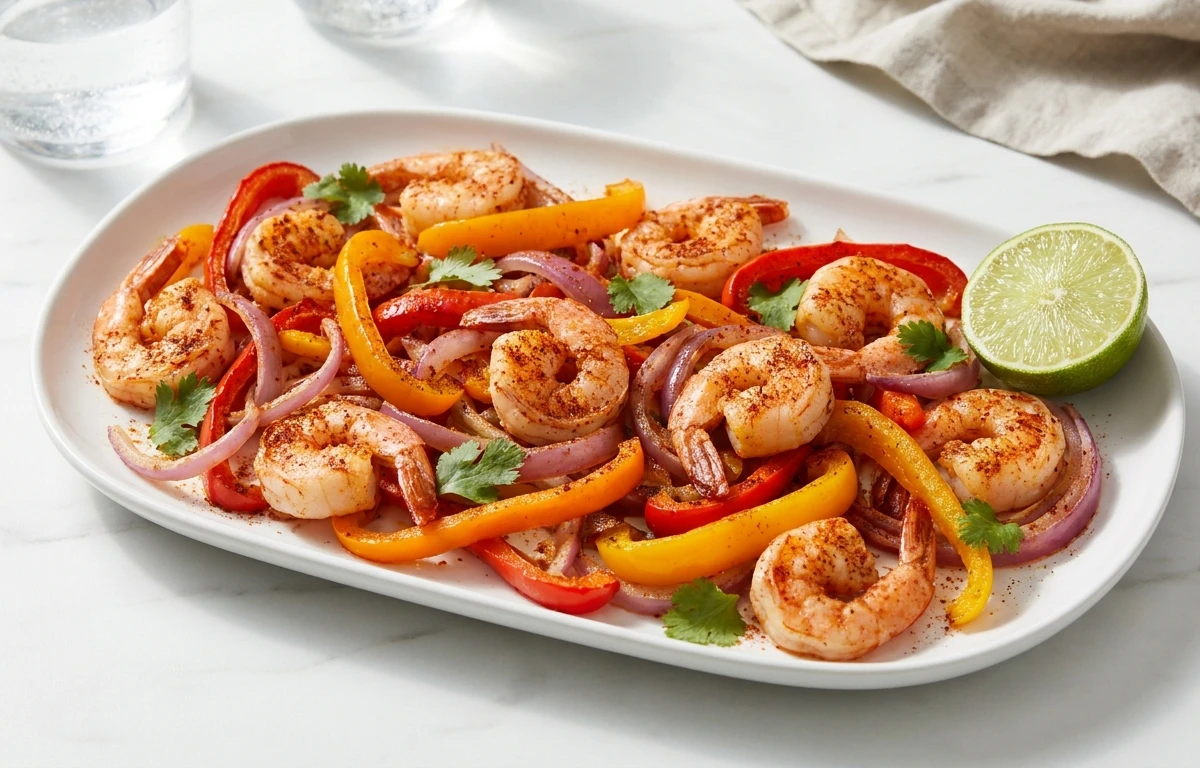
Sheet-pan cooking minimizes added oil - typically 1-2 teaspoons for the whole tray. Shrimp is one of the leanest proteins available (~1 g fat / 3 oz) and the high volume of peppers and onions keeps the meal voluminous and low in calorie density. The whole-wheat tortilla adds fiber; keep the portion to two small or one large to manage the carb anchor.
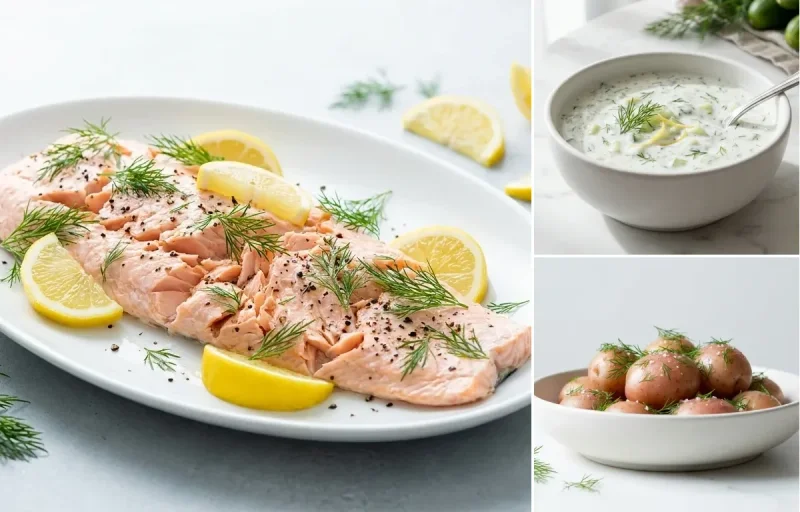
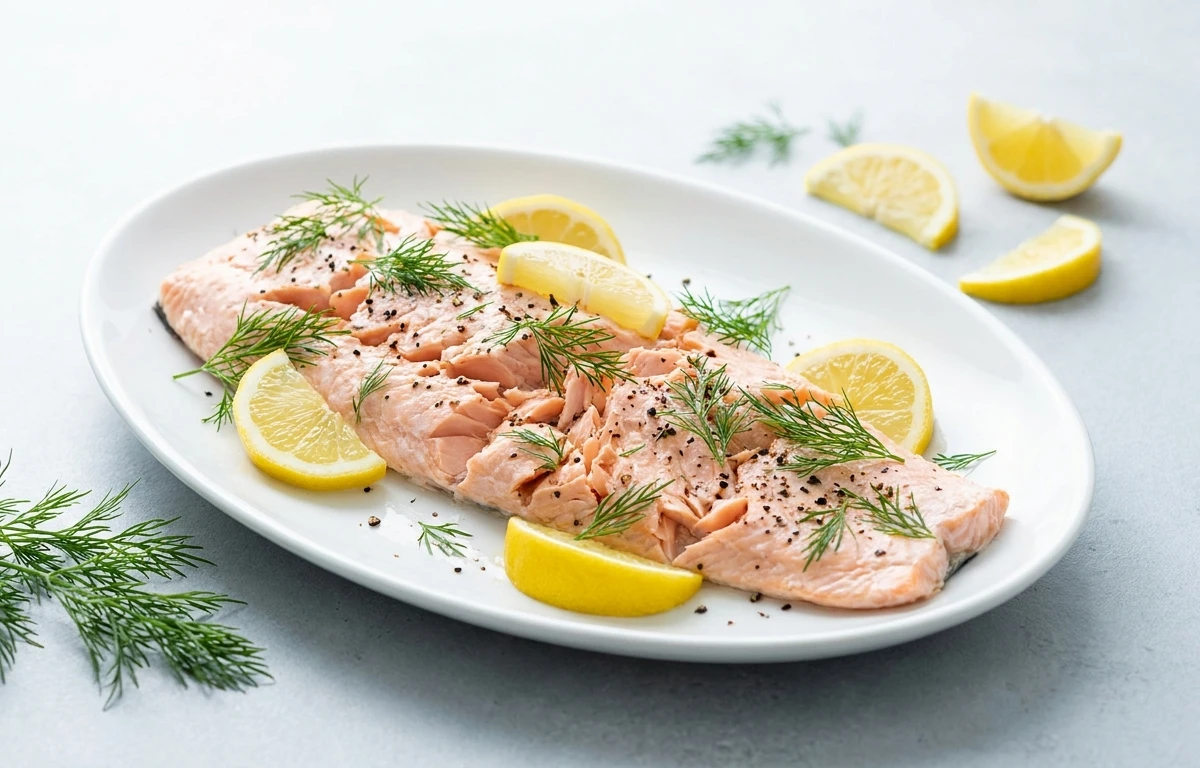
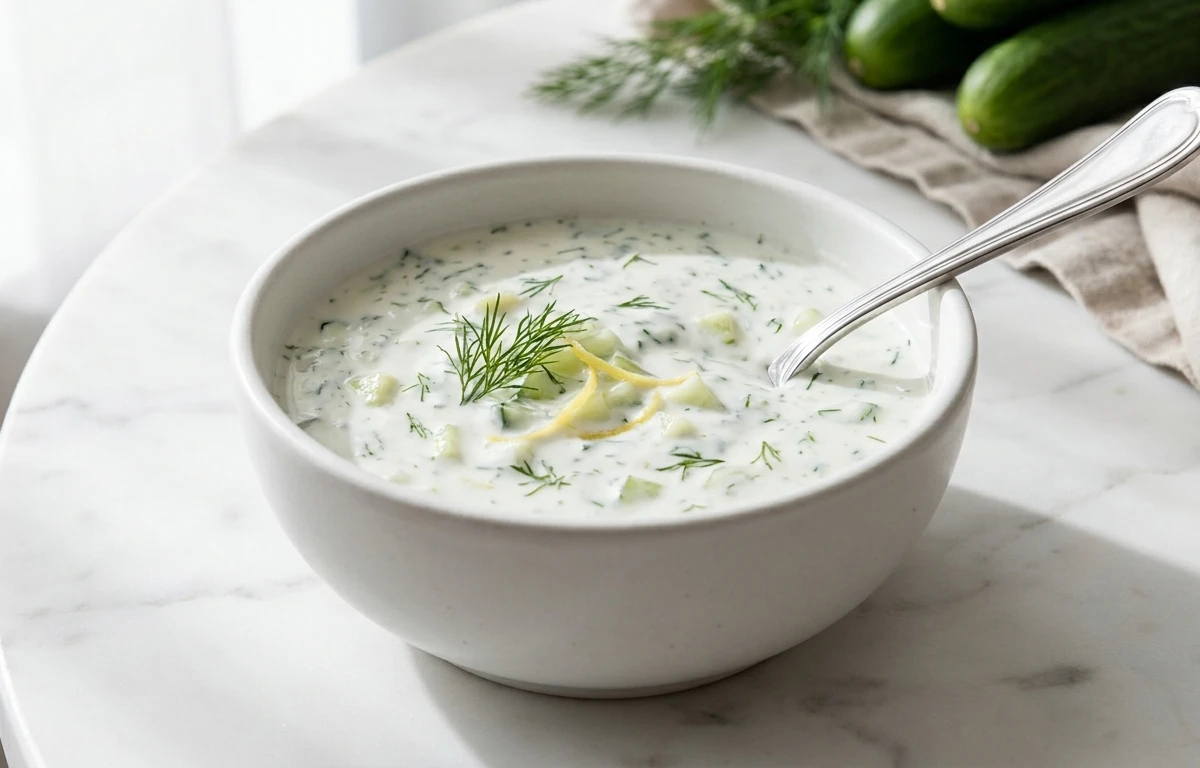
Salmon brings ~12 g of fat per 3 oz portion - mostly omega-3 EPA and DHA, which the AHA specifically recommends keeping in any eating pattern, including lower-fat ones [3]. Poaching adds no fat to the cooking step. The Greek-yogurt cucumber-dill sauce is a substantive lower-fat upgrade over mayo-based equivalents while preserving creaminess and flavor.
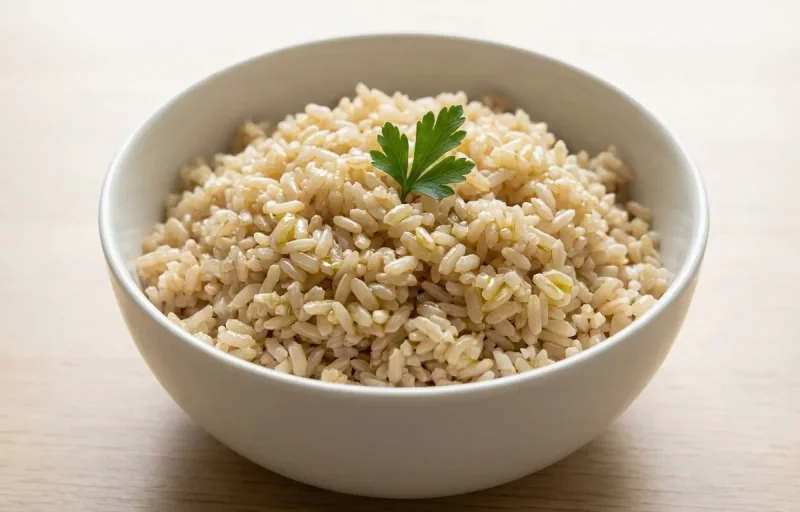
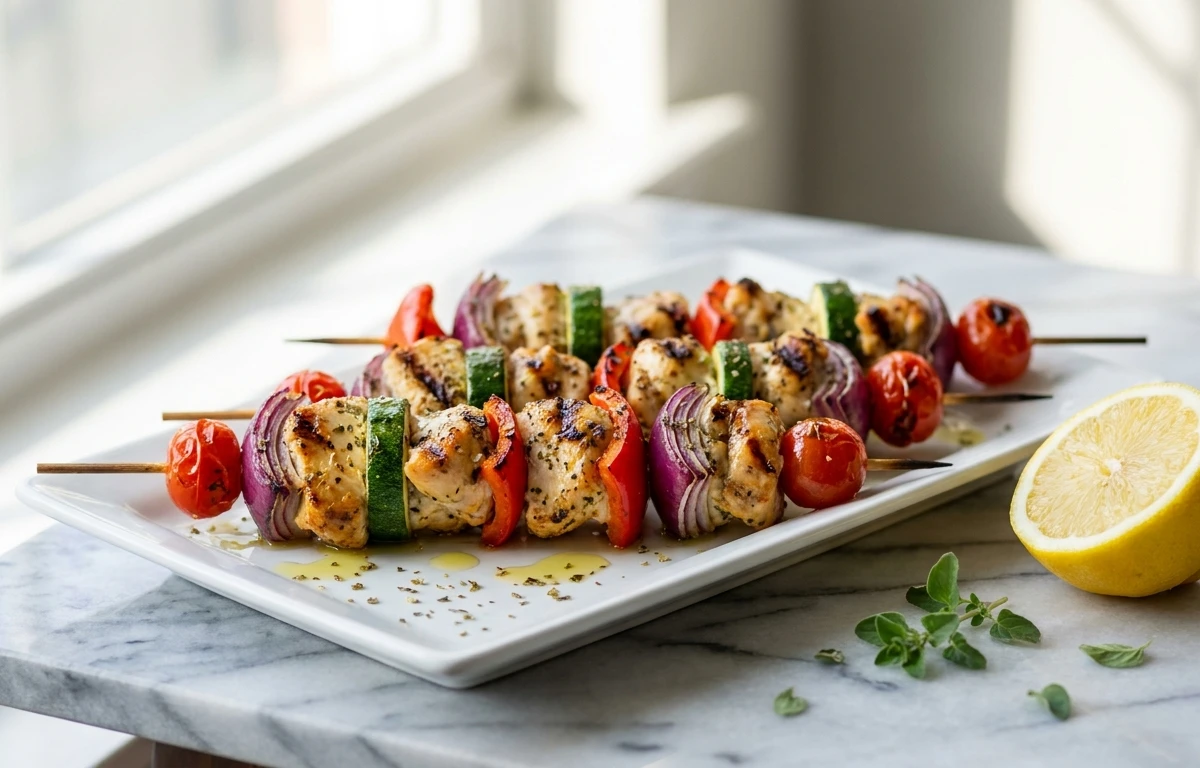
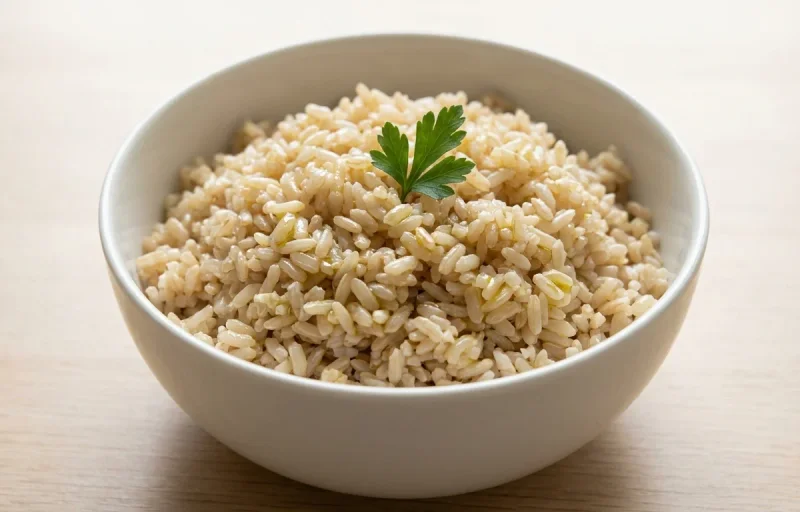
Skewers naturally portion-control the protein (~4 oz chicken per skewer is ~25 g protein with minimal fat) and the alternating vegetables raise volume without calories. Grilling adds flavor without added fat. Brown rice provides complex carbohydrate and fiber - keep the portion to half a cup cooked to maintain the calorie target and the lower-fat balance.