A quintessential Bengali snack, Mangsher Chop features a spicy, savory minced mutton filling encased in a fluffy potato shell, coated in breadcrumbs and fried to golden, crispy perfection. A beloved street food classic, it's the perfect indulgence for a rainy evening, best enjoyed with a sharp kasundi mustard sauce.
Prep55 min
Cook25 min
Servings4
Serving size: 1 serving
602cal
19gprotein
45gcarbs
39g
Ingredients
250 g Minced Mutton (Also known as keema)
250 g Potatoes (About 2 medium potatoes)
1 large Onion (Finely chopped, about 150g)
1 tsp Ginger Paste
1 tsp Garlic Paste
2 pcs Green Chillies (Finely chopped, adjust to taste)
2 tbsp Mustard Oil (For an authentic flavor)
0.5 tsp Turmeric Powder
0.5 tsp Red Chili Powder (Adjust to your spice preference)
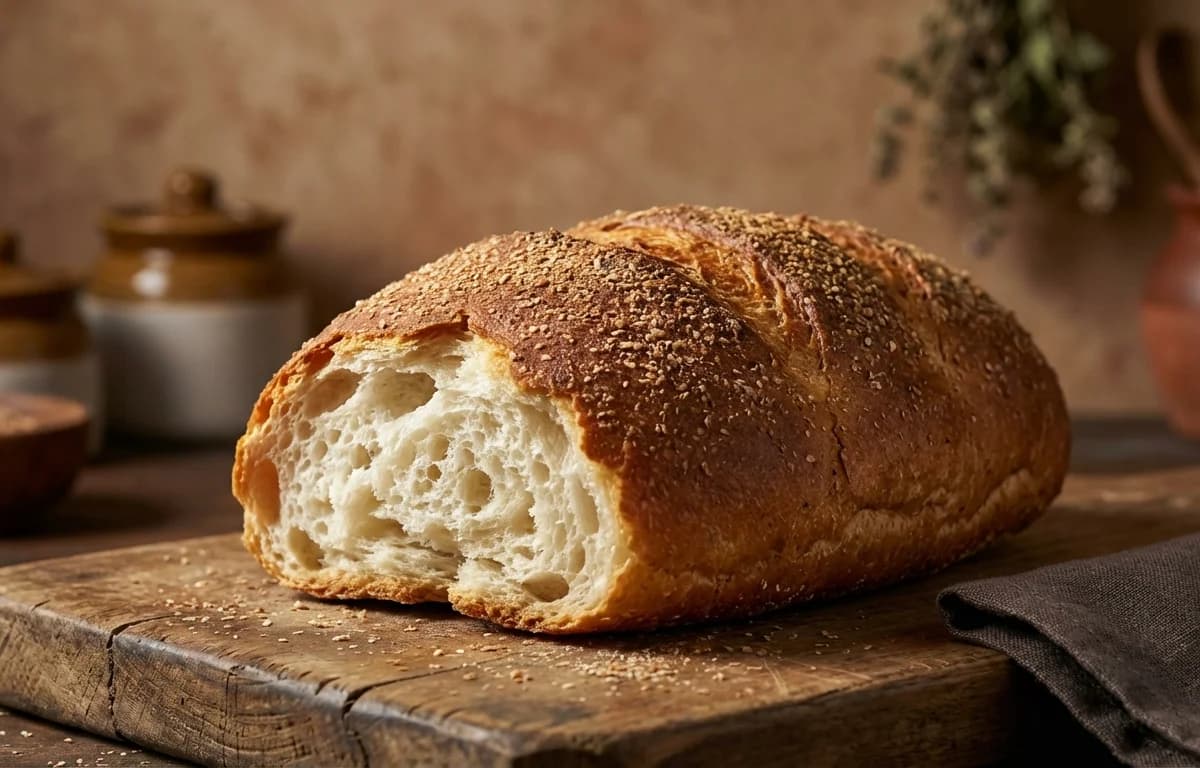
Experience the authentic taste of Goa with Pauruti, a traditional Goan bread. Known for its soft, airy interior and a distinct, rustic crust dusted with wheat bran, this bread is the perfect companion for sopping up rich Goan curries like Vindaloo or Sorpotel. Simple to bake at home, it brings the warmth of a Goan bakery right to your kitchen.
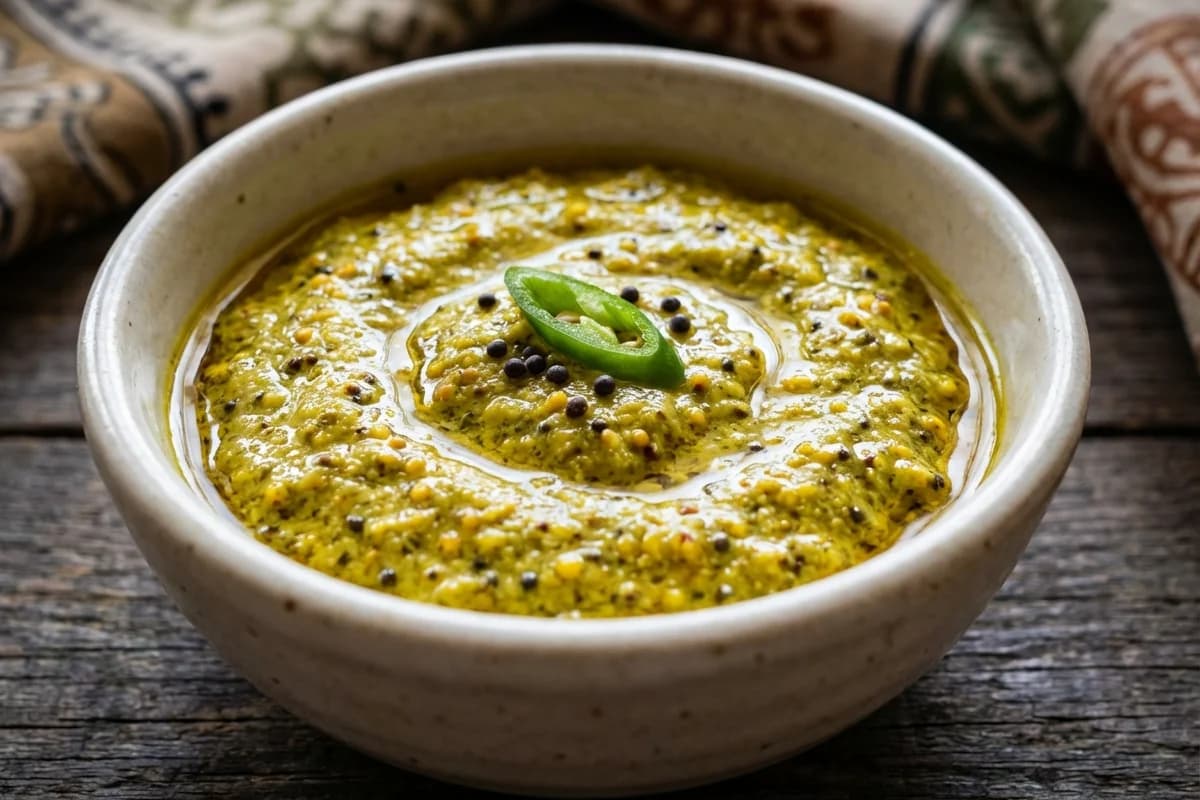
A fiery and pungent mustard sauce from Bengal, made by grinding mustard seeds with green chilies and spices. This iconic condiment adds a sharp, tangy kick to snacks, sandwiches, and fish preparations.
Prep20 min
Cook0 min
Soak120 min
Servings
About Mangsher Chop, Pauruti and Bengali Kasundi
Crispy, protein-packed Mangsher Chop with Pauruti & tangy Kasundi – a soul-satisfying, perfectly spiced treat!
This bengali dish is perfect for breakfast. With 1223.5800000000002 calories and 38.27g of protein per serving, it's a nutritious choice for your meal plan.
Other Cuisines to Explore
Discover authentic meals from cuisines around the world.
1 tsp Bengali Garam Masala (A blend of cinnamon, cardamom, and cloves)
1 tsp Salt (Divided, adjust to taste)
0.5 tsp Sugar (Balances the flavors)
2 tbsp Coriander Leaves (Freshly chopped)
1 large Egg (For the coating wash)
1.5 cup Breadcrumbs (Or crushed toast biscuits for authentic texture)
2 cup Vegetable Oil (For deep frying)
Instructions
1
Prepare the Potatoes & Mutton Filling (20 minutes)
Boil the potatoes until fork-tender. Peel the skin while they are still warm and mash them thoroughly, ensuring no lumps remain. Set aside.
Heat mustard oil in a pan over medium heat. Add the finely chopped onions and sauté for 5-6 minutes until they turn soft and golden brown.
Add the ginger and garlic paste and cook for another minute until the raw aroma disappears.
Add the minced mutton, 1/2 tsp salt, turmeric powder, and red chili powder. Mix well, breaking up any lumps of mutton with your spatula.
Cook for 8-10 minutes, stirring occasionally, until the mutton is browned and all the moisture has evaporated. The mixture must be completely dry.
Turn off the heat. Stir in the Bengali garam masala and finely chopped green chilies. Allow the filling to cool down slightly.
2
Combine and Shape the Chops (10 minutes)
In a large mixing bowl, combine the cooled mutton mixture with the mashed potatoes.
Add the chopped coriander leaves, sugar, and the remaining 1/2 tsp of salt. Mix everything together until well combined.
Taste the mixture and adjust seasoning if necessary.
Divide the mixture into 12 equal portions. Shape each portion into a neat oval or round patty, about 1-inch thick.
3
Coat and Chill the Chops (10 minutes prep + 30 minutes chilling)
Set up a coating station with two shallow dishes. In one, lightly beat the egg with a pinch of salt. In the other, spread out the breadcrumbs.
Take one shaped chop, dip it into the beaten egg, ensuring it's fully coated on all sides.
Immediately transfer the egg-coated chop to the breadcrumbs. Dredge it well, pressing gently so the crumbs adhere firmly.
Place the coated chop on a clean plate or tray. Repeat for all the chops.
Arrange the coated chops in a single layer and refrigerate for at least 30 minutes. This step is crucial to help the coating set and prevent the chops from breaking while frying.
4
Fry the Chops (15 minutes)
Heat the vegetable oil for deep frying in a kadai or deep pan over medium-high heat (around 175°C / 350°F).
To check if the oil is ready, drop a small piece of breadcrumb into it; it should sizzle and rise to the surface immediately.
Carefully slide 3-4 chilled chops into the hot oil, ensuring not to overcrowd the pan.
Fry for 2-3 minutes on each side, until they are a deep golden brown and uniformly crispy.
Using a slotted spoon, remove the fried chops and place them on a wire rack or a plate lined with paper towels to drain excess oil.
5
Serve Hot
Serve the Mangsher Chops immediately while they are hot and crispy. They pair wonderfully with kasundi (Bengali mustard sauce), tomato ketchup, and a side of sliced onions and lemon wedges.
Servings4
Serving size: 1 serving
396cal
14gprotein
81gcarbs
4gfat
Ingredients
250 g Atta (Also known as whole wheat flour)
125 g Maida (Also known as all-purpose flour)
1.5 tsp Active Dry Yeast
1 tbsp Sugar
1 tsp Salt
250 ml Warm Water (Should be between 105-115°F or 40-46°C)
50 g Wheat Bran (For dusting)
1 tsp Oil (For greasing the bowl)
Instructions
1
Activate the Yeast
In a small bowl, combine the warm water, sugar, and active dry yeast.
Stir gently and let the mixture stand for 5-10 minutes until it becomes frothy and bubbly. This confirms the yeast is active and ready to use.
2
Prepare and Knead the Dough
In a large mixing bowl, whisk together the atta, maida, and salt.
Create a well in the center and pour in the activated yeast mixture.
Mix with a spoon or your hands until a shaggy dough forms.
Transfer the dough to a lightly floured surface and knead for 10-12 minutes until it is smooth, soft, and elastic. It should spring back when gently pressed with a finger.
3
First Rise (Bulk Fermentation)
Lightly grease a clean bowl with oil.
Place the kneaded dough in the bowl, turning it once to coat the surface with oil.
Cover the bowl with a damp cloth or plastic wrap.
Let it rise in a warm, draft-free place for 60-90 minutes, or until it has doubled in size.
4
Shape the Pauruti
Gently punch down the risen dough to release the air.
Divide the dough into 8 equal portions.
Roll each portion into a smooth ball, then flatten it into a square or round disc about 4 inches across and 1/2 inch thick.
5
Second Rise (Proofing)
Place the shaped dough on a baking sheet lined with parchment paper, leaving some space between each piece.
Generously sprinkle the tops with wheat bran.
Cover loosely with a clean cloth and let them rest for another 30 minutes. They will become slightly puffy.
6
Bake the Pauruti
During the last 10 minutes of the second rise, preheat your oven to 220°C (425°F).
For a crispier crust, place a tray of hot water on the bottom rack of the oven to create steam.
Bake the pauruti for 12-15 minutes, until they are puffed up and have a deep golden-brown color.
7
Cool and Serve
Transfer the baked pauruti to a wire rack to cool slightly.
They are best enjoyed warm with your favorite Goan curry, stew, or simply with butter.
0.25 cup Yellow Mustard Seeds (Also known as Sarson)
6 pcs Green Chilies (Adjust quantity based on spice preference)
0.5 cup Mustard Oil (Use cold-pressed for authentic pungency)
3 tbsp White Vinegar (Acts as a preservative and adds tang)
1 tsp Turmeric Powder (Adds color and earthy flavor)
1.5 tsp Salt (Adjust to taste)
0.25 cup Water (Use cold water for grinding, add as needed)
Instructions
1
Soak the Mustard Seeds
Combine the black and yellow mustard seeds in a bowl. Rinse them under cold running water 2-3 times.
Cover the seeds with 2 cups of water and let them soak for at least 4-6 hours, or overnight. This step is crucial for a smooth paste and reduces bitterness.
Once soaked, drain the water completely using a fine-mesh sieve. Do not use the soaking water for grinding.
2
Grind the Kasundi Paste
Transfer the drained mustard seeds to a high-powered blender or wet grinder.
Add the green chilies (stems removed), turmeric powder, and salt.
Add a few tablespoons of cold water to begin grinding. Grind in short pulses of 15-20 seconds each to prevent the mixture from heating up, which can cause bitterness.
Scrape down the sides of the jar periodically. Add more cold water, a little at a time, until you achieve a very smooth, thick, and creamy paste. The entire grinding process should take about 5-7 minutes.
3
Mature the Kasundi
Transfer the ground paste into a clean, dry, and sterilized glass jar.
Pour the mustard oil and white vinegar over the paste.
Using a clean, dry spoon, mix vigorously until the oil and vinegar are fully incorporated and the kasundi has a uniform consistency.
Seal the jar tightly and let it sit in a cool, dark place at room temperature for 24-48 hours. This allows the flavors to meld and the characteristic pungency to develop.
4
Store and Serve
After the maturation period, the kasundi is ready to be enjoyed.
Store the jar in the refrigerator to maintain its freshness and pungency. It will keep well for up to 2-3 months.
Always use a clean, dry spoon to scoop out the kasundi to prevent contamination.
Serve as a dipping sauce for fried snacks like fish fry, telebhaja, or pakoras, or use it as a spread in sandwiches.